City Artists: Francis Alÿs

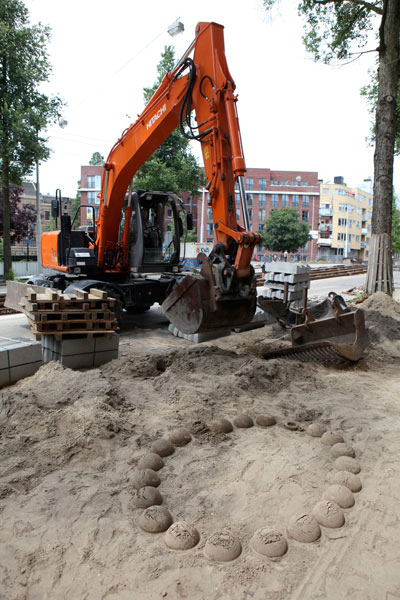
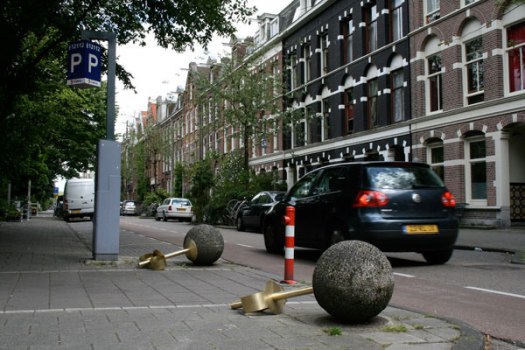
Sometimes Making Something Leads to Nothing: Francis Alÿs

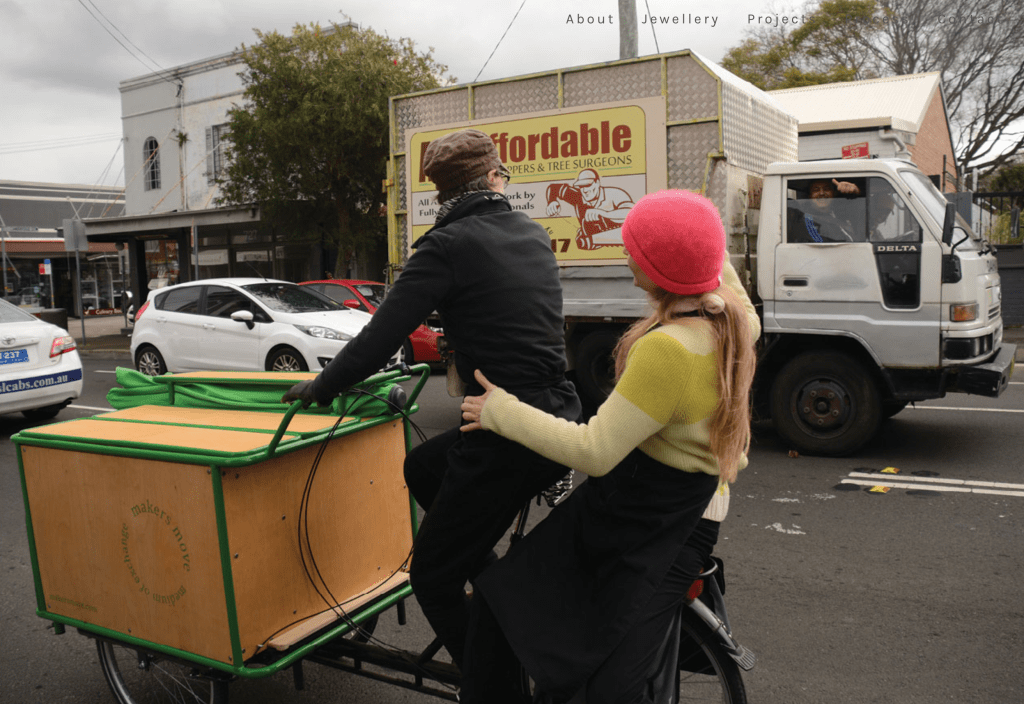
Alÿs is a Beligian Artist who made me think about public performance, ironies, paradoxes, and the absurdity of actions.

What catches a viewers attention?

How obvious do artists and designers have to be with their messages?

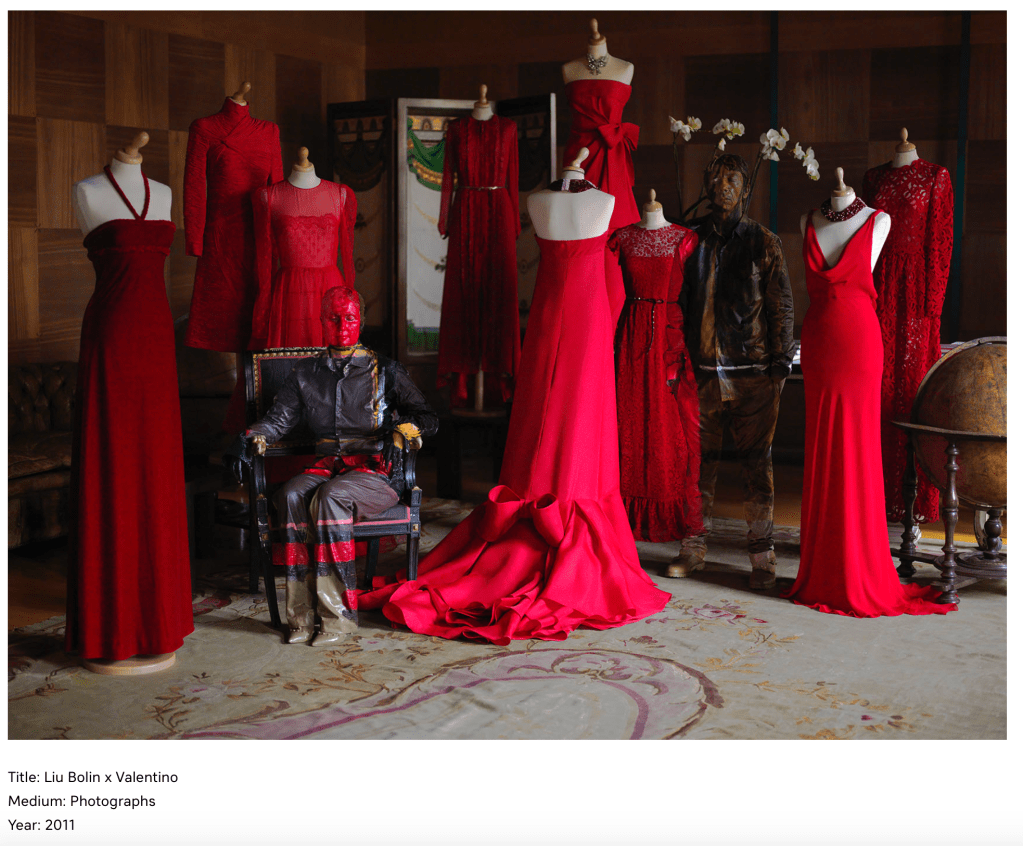
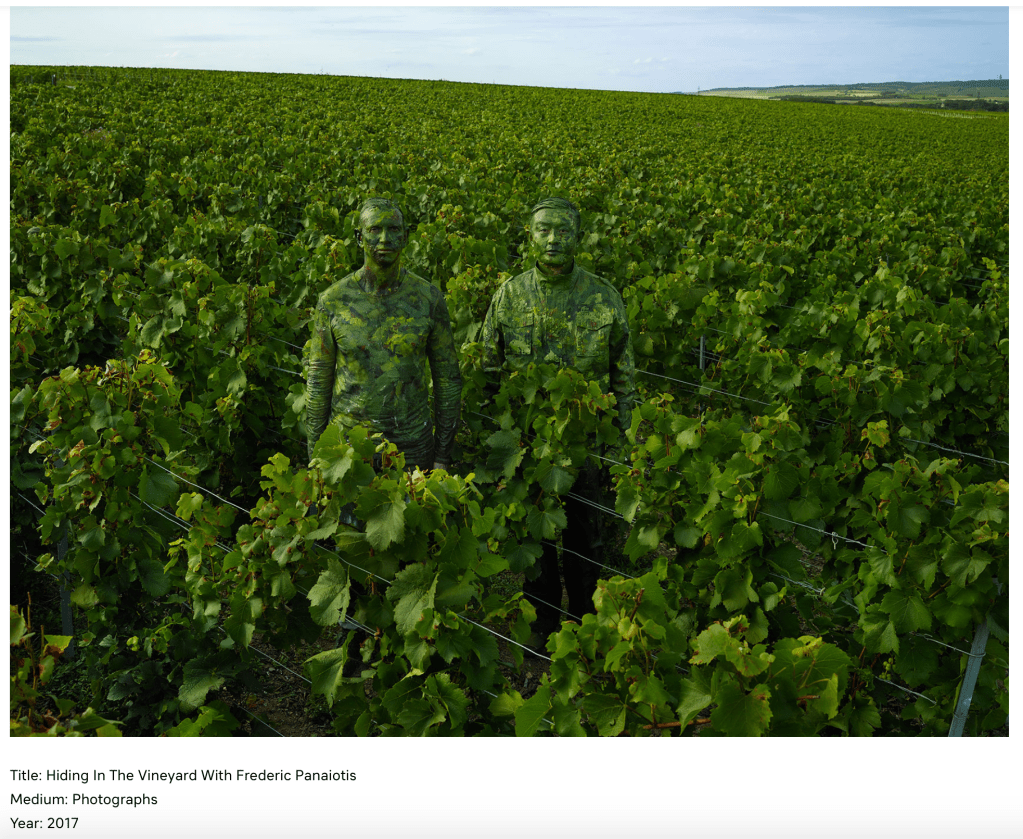
Artists in the City: Lui Bolin

Things to Consider: Camouflaged or Highlighted?

I think that in art, an artist’s attitude is the most important element. If an artwork is to touch someone, it must be the result of not only technique, but also the artist’s thinking and struggle in life. And the repeated struggles in life create artwork, no matter in what form. 

Lui Bolin

Bolin is a Chinese artist who studied sculpture at the Central Academy of Fine Arts in Beijing.

Liu Bolin explores the relationship between the individual and society by ‘disappearing’ into environments. Usually these sites are areas under intense criticism and debate.

Bolin adopts a protesting, yet reflecting method with his work. He questions issues like family planning, elections, food safety, law, and propaganda.

He has also addressed the issue of people being laid off from their jobs during times of economic crisis. He makes workers invisible in the place they have spend their entire life working.

So he asks himself:

Why will I make myself invisible. What will making myself invisible here cause people to think?

Citations:

Liu Bolin. The Invisible Man. TED Talk. February 2013. < https://www.ted.com/talks/liu_bolin_the_invisible_man > [19 August 2019]

Liu Bolin Studio. Liu Bolin. 2019. < https://liubolinstudio.com/liubolin/ >  [19 August 2019]

Coolest stops on the Northern Line

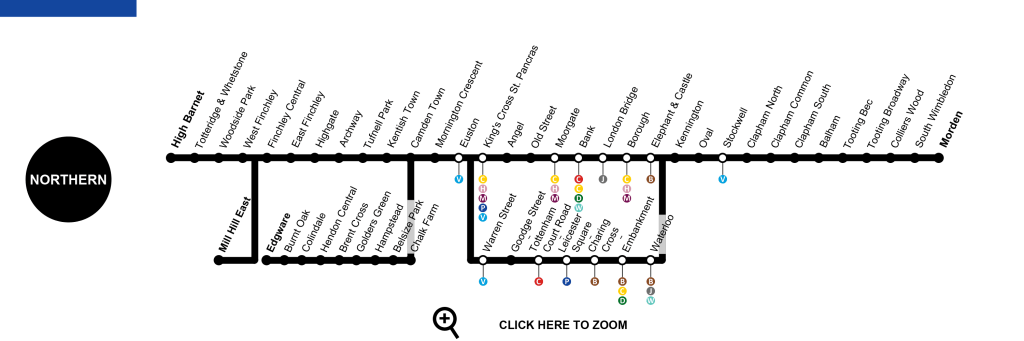
On Wednesday at 11:00 AM, Shuya and I are meeting to explore some stops on the northern line. Based on my initial research, I propose we stop at (based on random facts I have accumulated):

  • Camden Town
    • Named after the first Earl Camden, Charles Pratt, who started the development of Camden Town in 1791.
    • Camden Market
    • Chalk Farm was originally a farmhouse and later a tavern set in fields. Soon after 1840 housing and shops were developed in Regent’s Park Road but the building still survives as a restaurant.
  • Old Street
    • William Shakespeare
      • He performed at Britain’s first permanent playhouse in 1576 on Curtain Road and over the years several of his plays had their debut in the area. 
      • The leading cleric John Wesley set up London’s first Methodist church in 1739 on Dereham Street.
      • Old Street underground station was opened in 1901. The station and it’s surroundings were modified in the late 1960’s to include the current sub surface structure.
      • Linked with influential artists like Banksy, whose work Balloon girl is among many first seen in the area
  • Borough
    • Borough Market has existed for 1000 years (open since 1014)
    • It is likely that London’s first post-Roman bridge was constructed here in the mid-990s to bolster the city’s defences against Viking raiders
    • 1676 destroyed by fire
  • Clapham
    • Medieval Clapham would seem a tiny place with a population of less than 100 people
    • Began to grow with refugees from the plague in 1665 and the fire in 1666
    • In the 19th century Charles Barry (1795-1860) the architect who designed the Houses of Parliament lived in Clapham. So did John Francis Bentley (1839-1902) who designed Westminster Cathedral.
    • Clapham Clock Tower was erected in 1906.
  • Hampstead
    • The earliest known settlement was on the high lands of Hampstead Heath and dates back to the Mesolithic age around 7000BC.
    • In the 18th and 19th centuries it was considered to be a country retreat away from the bustle and smoke of London, with fresh air and water and, as the highest point in London, a variety of attractive views.

Citations:

Camden. The London Borough of Camden. (2018) < https://www.camden.gov.uk/camdens-history > [19 August 2019]

Old Street District.  History. (2019) < https://www.oldstreetdistrict.london/the-old-street-area/history/ >  [19 August 2019]

Borough Market.  < http://boroughmarket.org.uk/history > [19 August 2019]

Artists in the City: Gitte Nygaard

Things to Consider: Text integration; group participation; sustainability; education

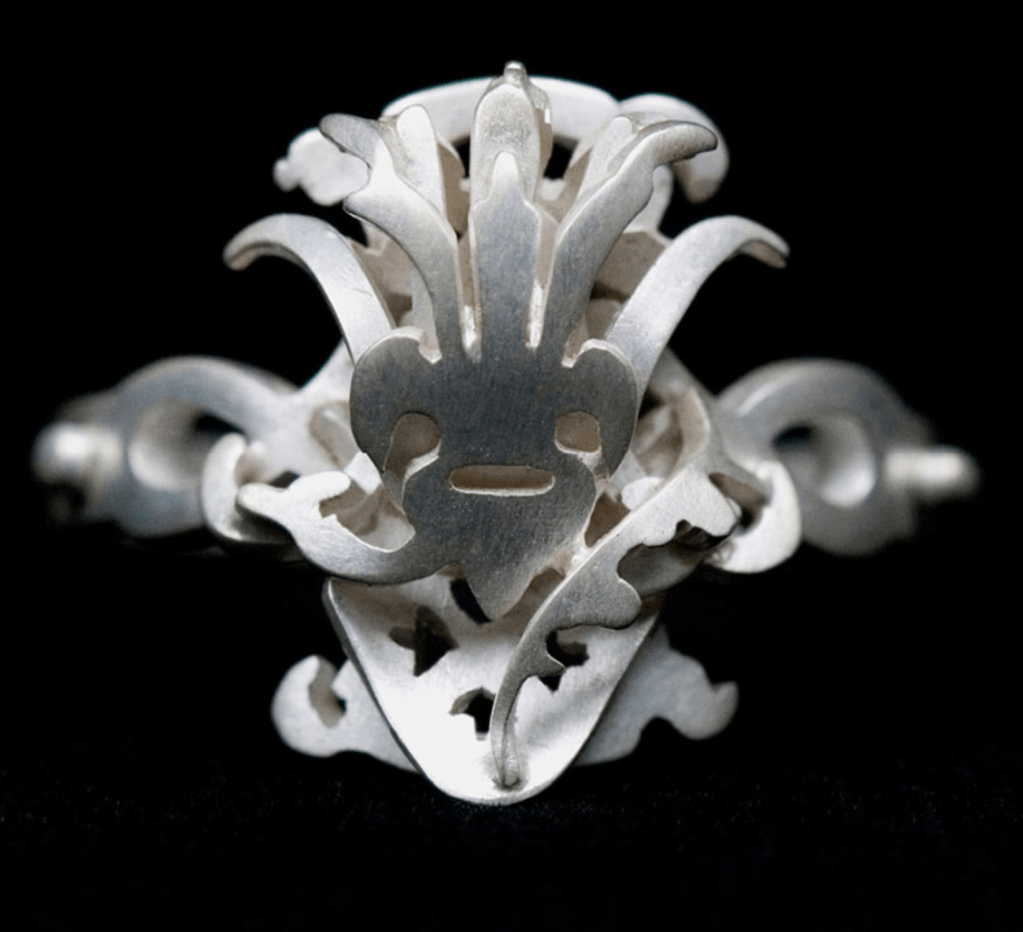
Gitte is a traditionally a, “jewelry artist” who hopes to create conversations about humans’ relationship with everyday objects. Her work explores objects that are surprising and often overlooked. She creates everything from functional objects to project based collaborations and commissioned pieces.

Gitte graduated in 1998 as a goldsmith from the Danish College of Jewelery and Silversmithing, and in 2002 in Art Jewelery from the Gerrit Rietveld Academy in Amsterdam. 

One of the things most apparent about Nygaard is that she is a master at documenting her work: her photographs are amazing and compelling.

These First two pieces are from her collection BODONI where she abstracts text and uses it in her jewelry. I found this interesting because streets of big cities are often littered with street signs and text is used almost everywhere.

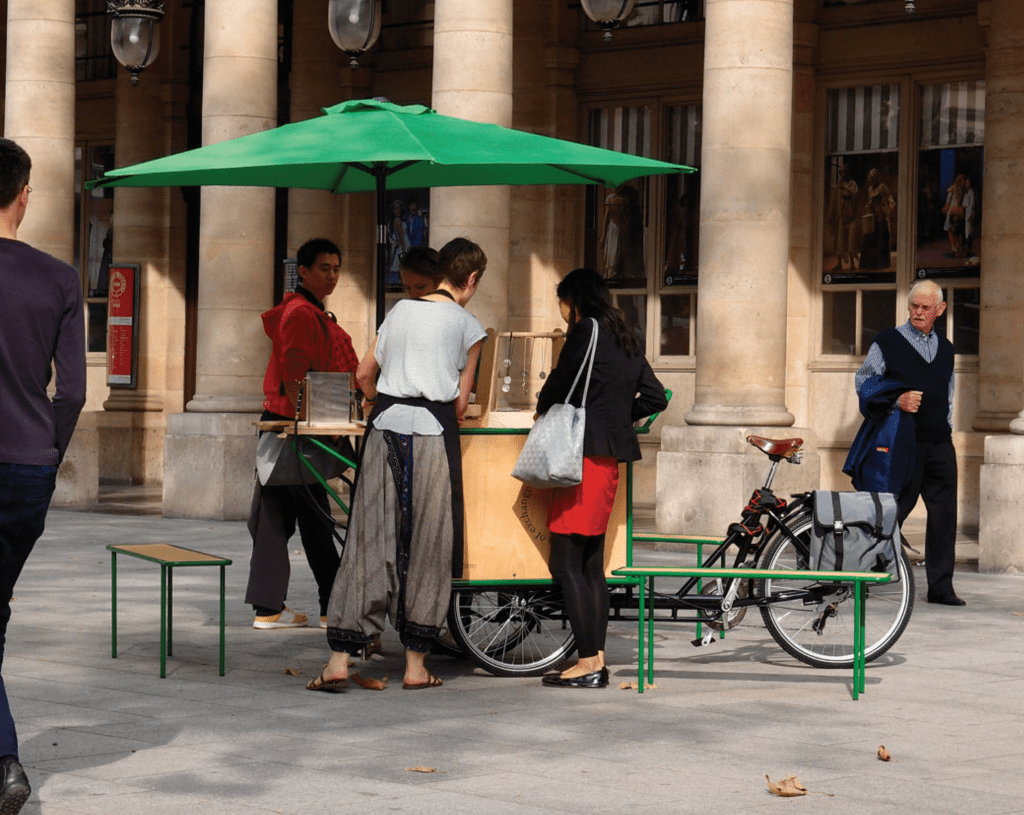
These next pieces (a part of her collection: Makers Move) really inspired me because the process is so inclusive. I love how she invites the public to be a part of her work. I am often saying that I wish more people knew how to sew or knew anything about, “making” so they could understand both how difficult it is and how important it is to preserve traditional craft and the ability of people to work with their hands.

It may be interesting to invite the public to be a part of this next piece (and record everything on video).

I really like how Nygaard talks about mending the relationship between maker and wearer AND wearer and object. This could be tied back into the idea of sustainable fashion because the public is being educated on process, how to make things, how difficult it is to make things, etc.

Citation: Nygaard, Gitte Nygaard. < http://www.gittenygaard.com > [19 August 2019]
A Rough Schedule

I have blocked out a rough weekly schedule to keep myself and Shuya on track.

Week 1: Research and Reading (19-23)

  • Monday:
    • Read recommended texts and blog (3)
    • Research artists who create work in and for the city
  • Tuesday: 
    • Field trip to the Barbican and The Museum of London
      • Sketch 
      • “Rubbings” of Textures
      • Take Pictures
    • Research fashion designers inspired by architecture or cities
  • Wednesday: 
    • Trip on the Northern Line with Shuya (11:00 AM)
      • Gather found materials
      • Sketch 
      • Take Pictures
      • Sit down and discuss initial inspirations and ideas
  • Thursday:
    • Group Tutorial 
  • Friday
    • Lecture and Creative writing workshop
  • Weekend: 
    • Continue researching/blogging/reading
    • Pick a day to get materials with Shuya

Week 2: Ideation + Material Testing (26-30)

  • Monday: Bank Holiday
  • Tuesday
    • Sound Workshop; Gather and Test Materials
  • Wednesday
    • Continue Material Gathering/sketching/developing ideas
  • Thursday
    • SIGN UP FOR A TUTUORIAL 
      • Bring Material TestsBring SketchesAdjust and develop Ideas
  • Friday
    • Lecture/seminar workshop
  • Weekend
    • Prepare portfolio content for Tuesday 
    • continue to sketch and material test; adjusting what was learned from tutorial

Week 3: Ideation/Material Testing/Begin Final Execution (2-6)

  • Monday
    • ADAS workshopStop frame animation workshop
  • Tuesday
    • Technical workshopADAS Pair TutorialsSIGN UP FOR A TUTORIAL
  • Wednesday
    • Work day with Shuya
  • Thursday
    • Pathway SessionWork with Shuya
    • Capture studio booked from 10-1 on the 5th
  • Friday
    • Lecture
  • Weekend
    • Work with Shuya on Execution

Week 4: Execution (9-13)

  • Monday
    • ADAS pair tutorials
  • Tuesday
    • Pathway portfolio session
  • Wednesday
    • WORK DAY WITH SHUYA
  • Thursday
    • Sign up tutorialsTechnical workshop induction
  • Friday
    • Lecture
  • Weekend
    • Continue Execution (try to finish if possible, so the week is saved for presentation prep and documentation)

Week 5: Finish and Document Execution; Prepare Presentation (16-20)

  • Monday
    • Academic pair tutorials
    • ADAS x3 Pair Tutorials
    • WORK
  • Tuesday
    • Academic pair tutorials
    • ADAS x3 Pair Tutorials
    • WORK
  • Wednesday
    • Work
  • Thursday
    • Work
    • I have the capture studio booked 2-5pm
  • Friday
    • Critiques

Artists in the City: Liesbet Bussche

Things to consider: element of surprise; variety scale

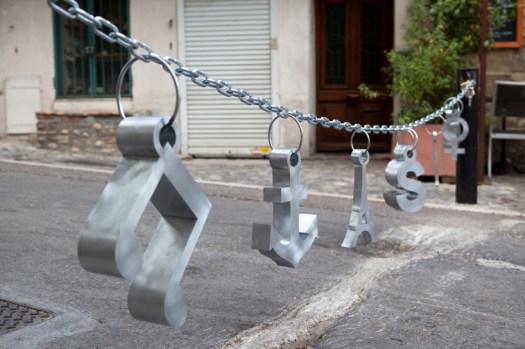
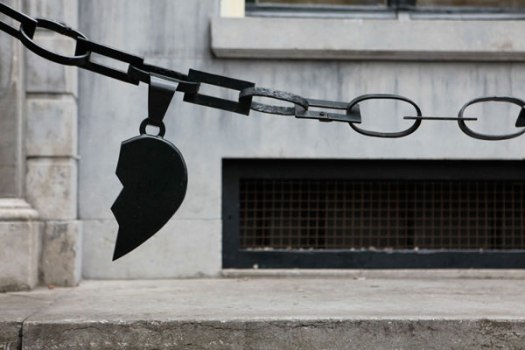
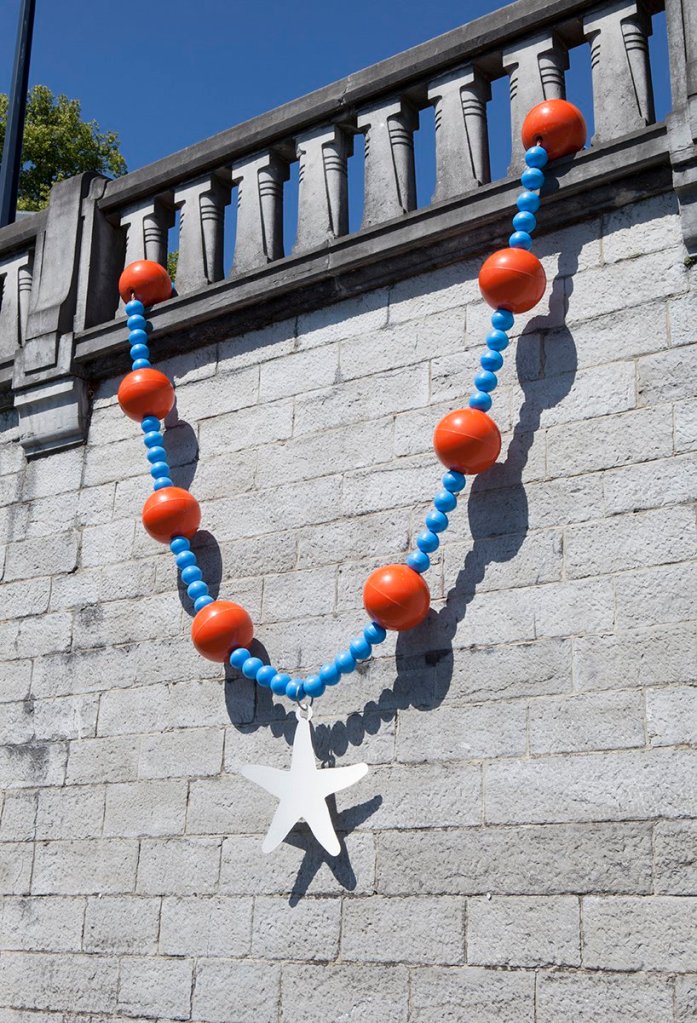
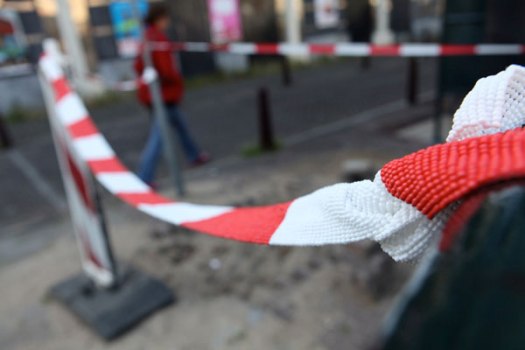
Liesbet Bussche is a Belgian designer who creates public art out of jewelry. I find this interesting because public art is almost impersonal, while jewelry is usually so intimate.

I also really enjoy how her work is almost unexpected. It reminds me of an eye spy game or where’s waldo. This element of surprise makes the work even more compelling, as it draws viewers into the work.

Another thing I have found to be so interesting in Bussche’s work is the element of scale. Normally jewelry is such an intricate and small thing, but increasing the size makes it so compelling because the viewers get to enjoy the experience of jewelry in a new way.

Navigator: Notes on Breathing Cities

Things to Consider: biological history of cities; what is the meaning of a building; degradation; gentrification

August 18, 2019

Overall, I really enjoyed this reading. I now think about cities and human environments so differently. My favorite sections were the first three.

Environments sometimes take on a life of their own. The most interesting topics were related to how spaces are influenced by people (how they may possibly degrade) and gentrification.

I also enjoyed how the third reading framed landscapes as living beings. The examples about the islands of New York having a dark history of being a place or sick and homeless people to being an animal sanctuary conceptually intrigued me.

Click the link below for my full notes and thoughts!

Barley, Nick., (2000) Breathing Cities: the architecture of movement. Birkhäuser. 

Good Words: Gentrification

gentrification |ˌjentrəfəˈkāSH(ə)n| noun

the process of renovating and improving a house or district so that it conforms to middle-class taste: an area undergoing rapid gentrification.

Zine

The final format of our zine is a booklet, with a very vibrant, obnoxious orange cover. We wanted something that was eye-catching like an advertisement might be.

The Zine in Action
Design a site like this with WordPress.com
Get started