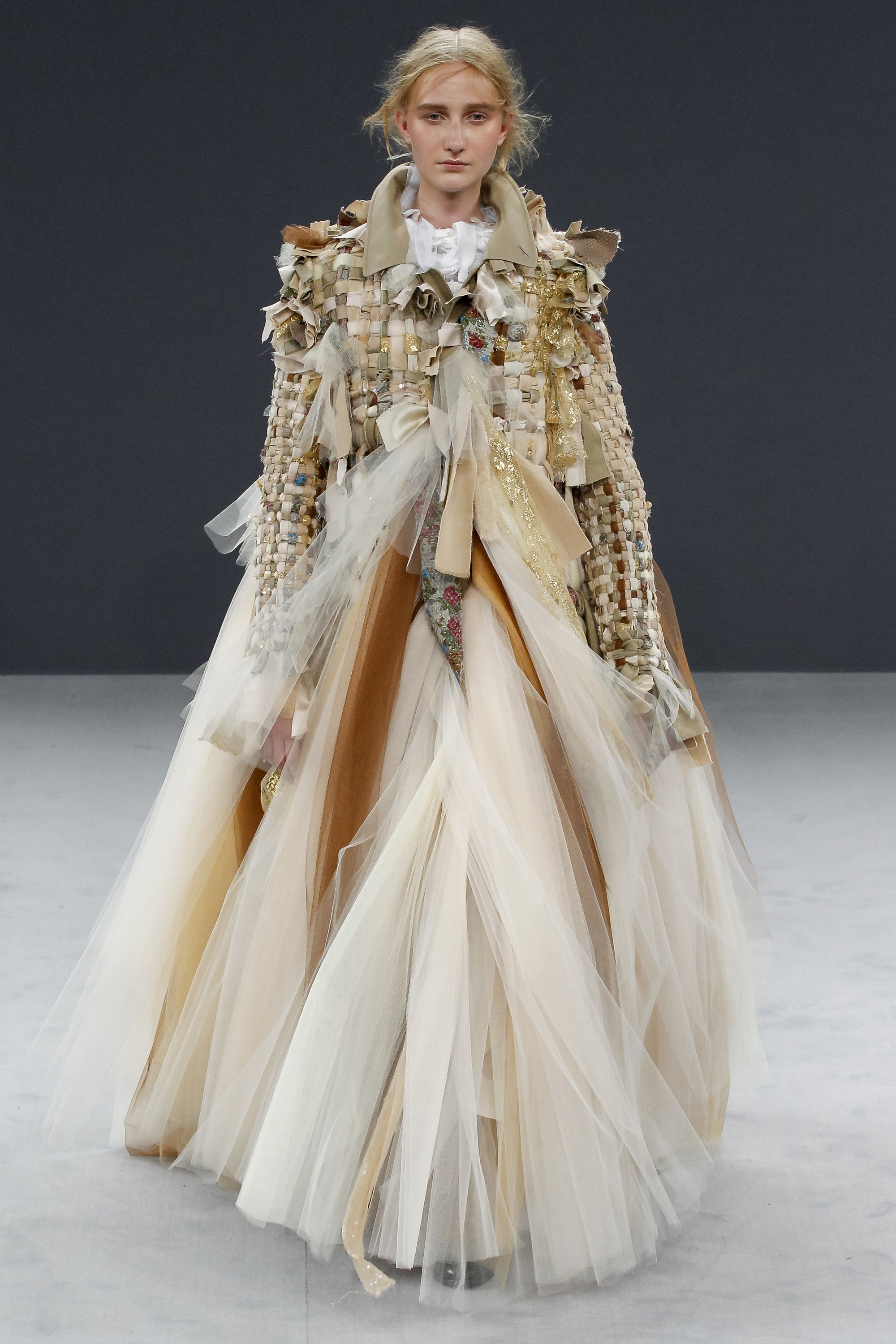
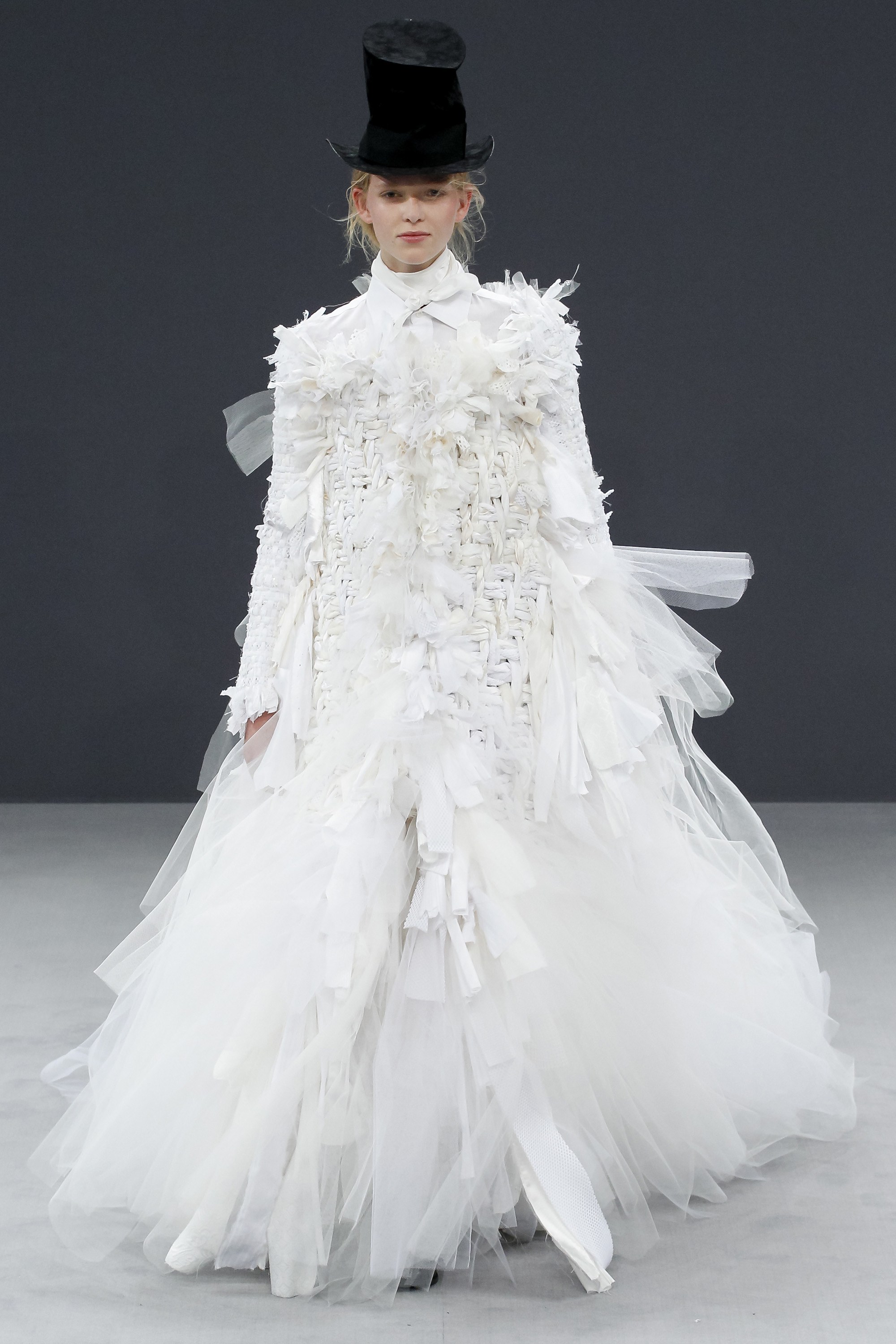
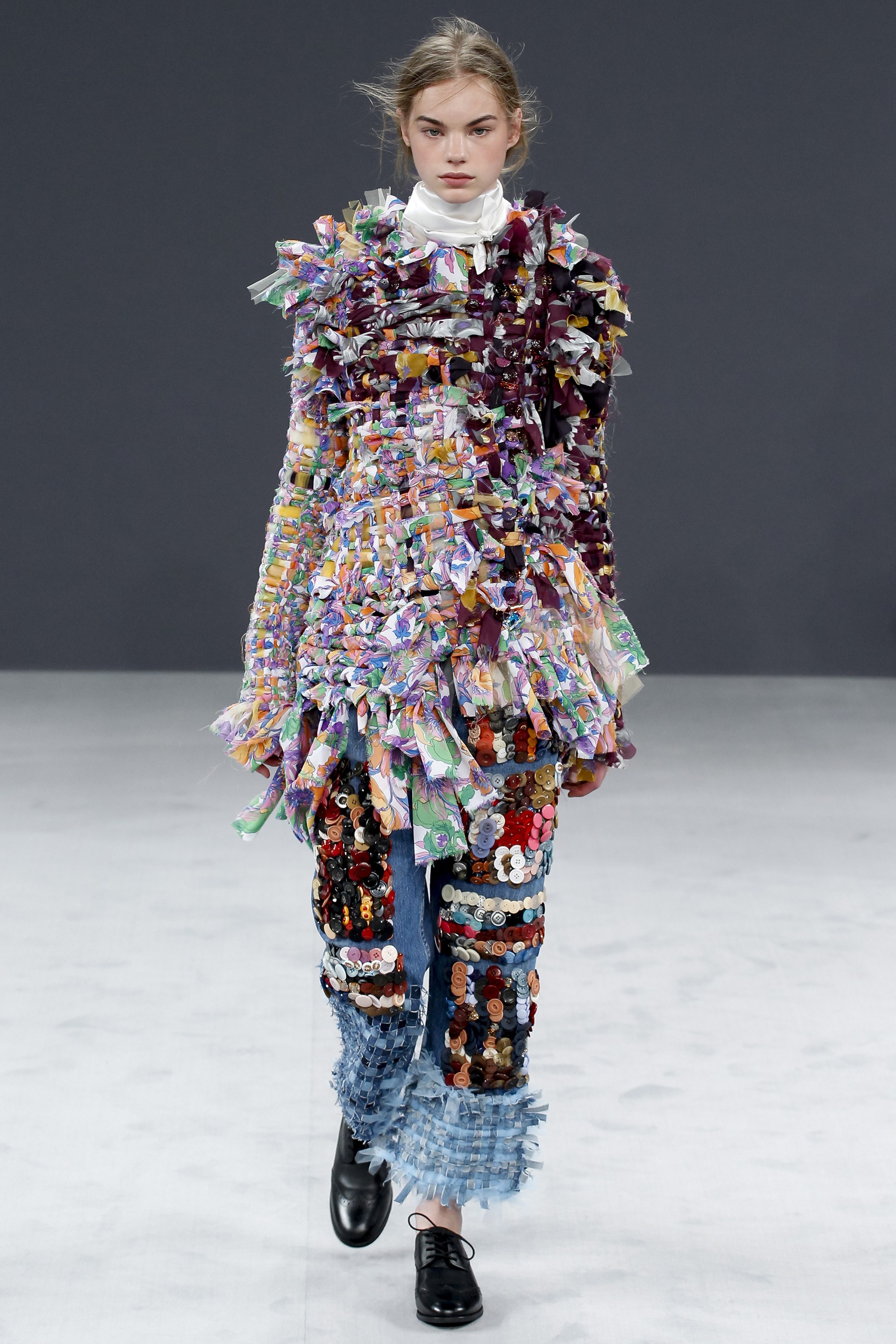
Victor and Rolfe Couture Fall 2016

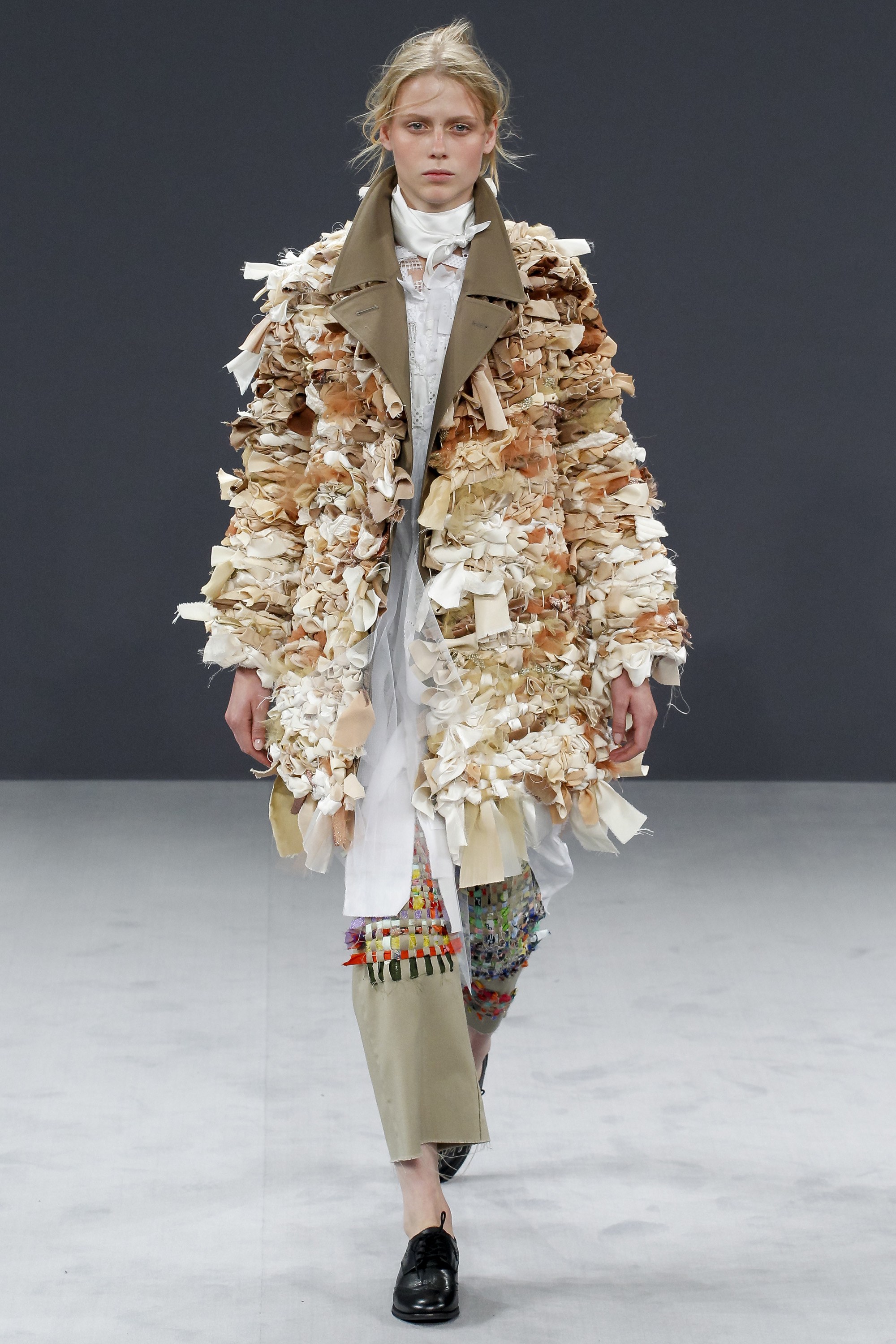
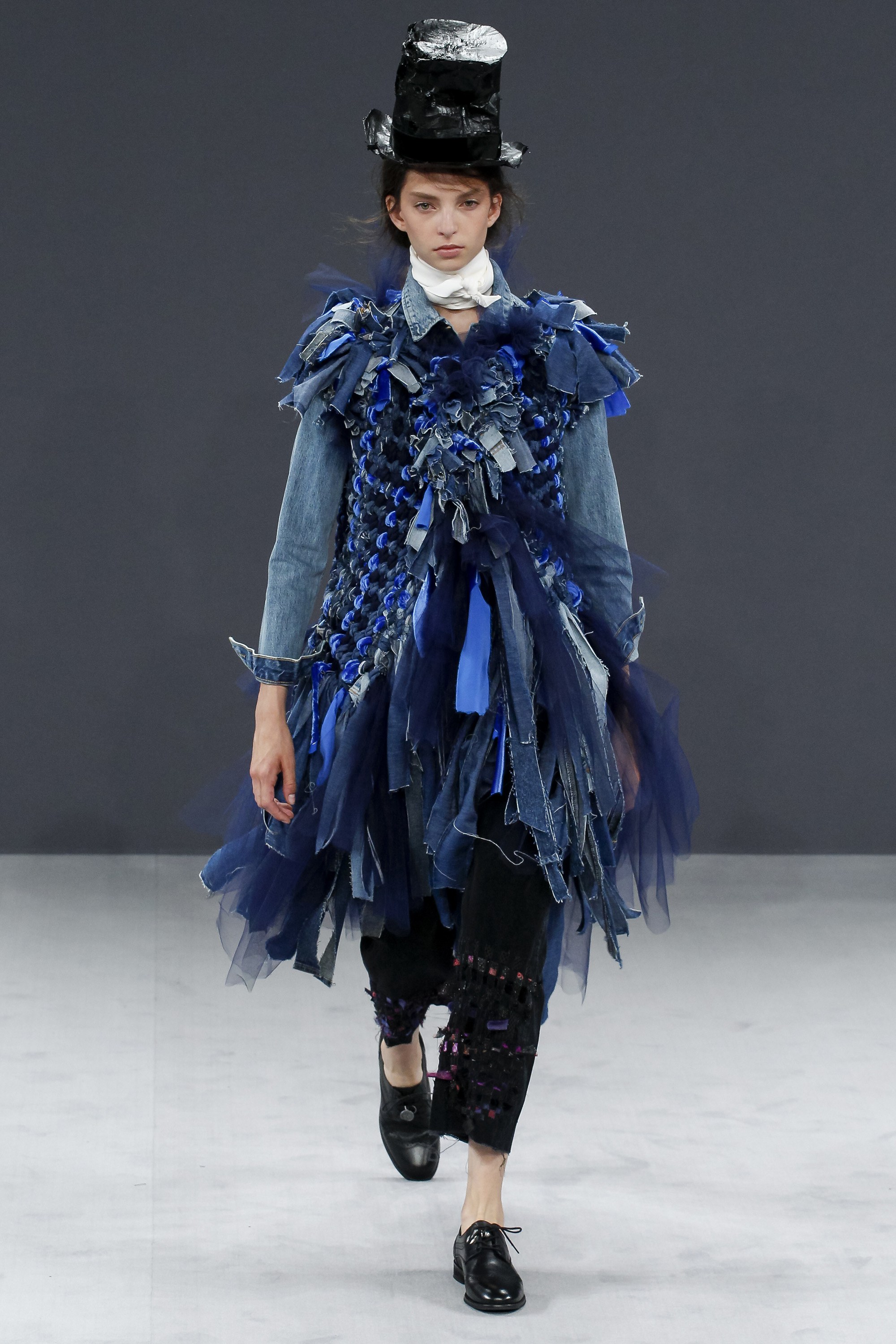
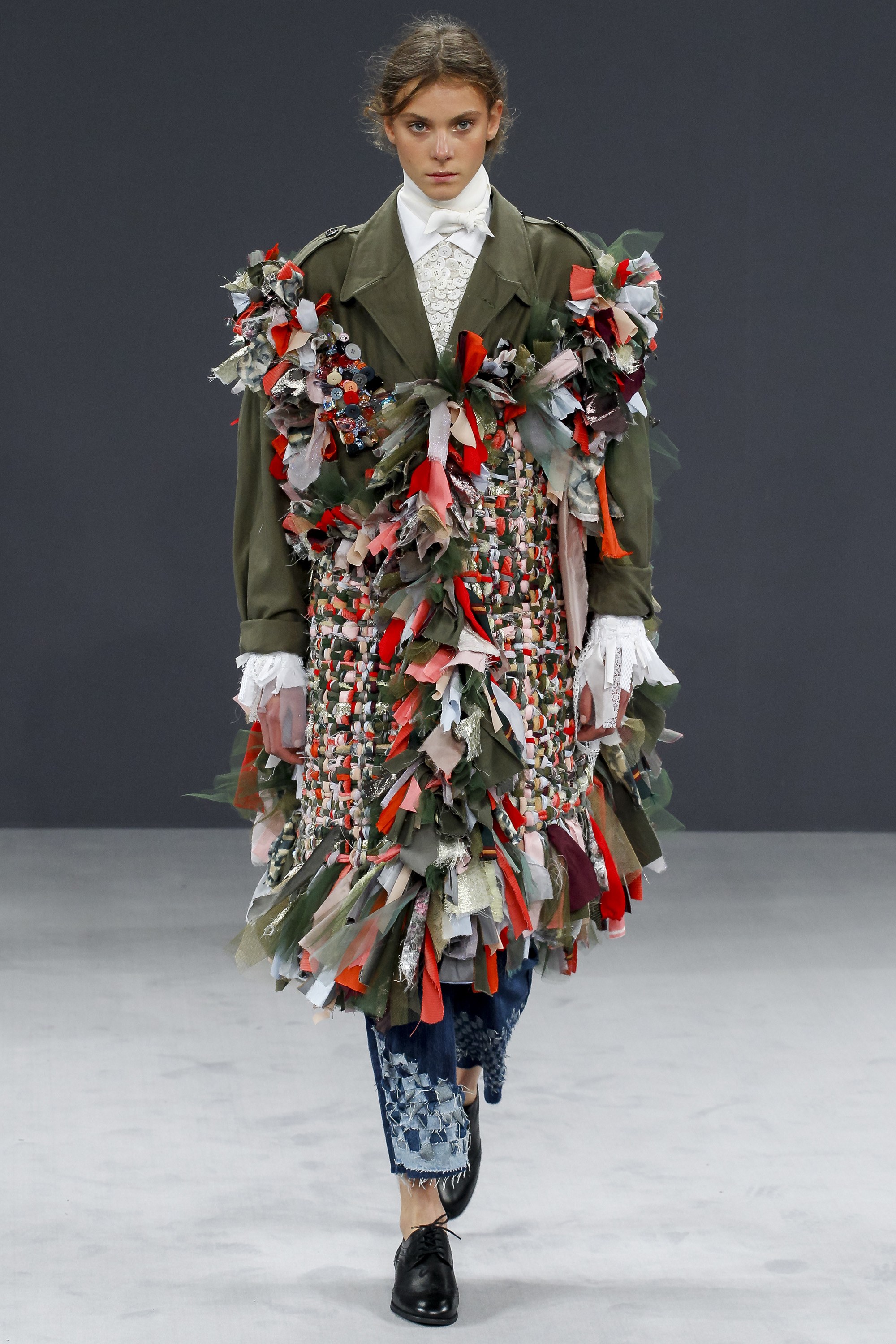
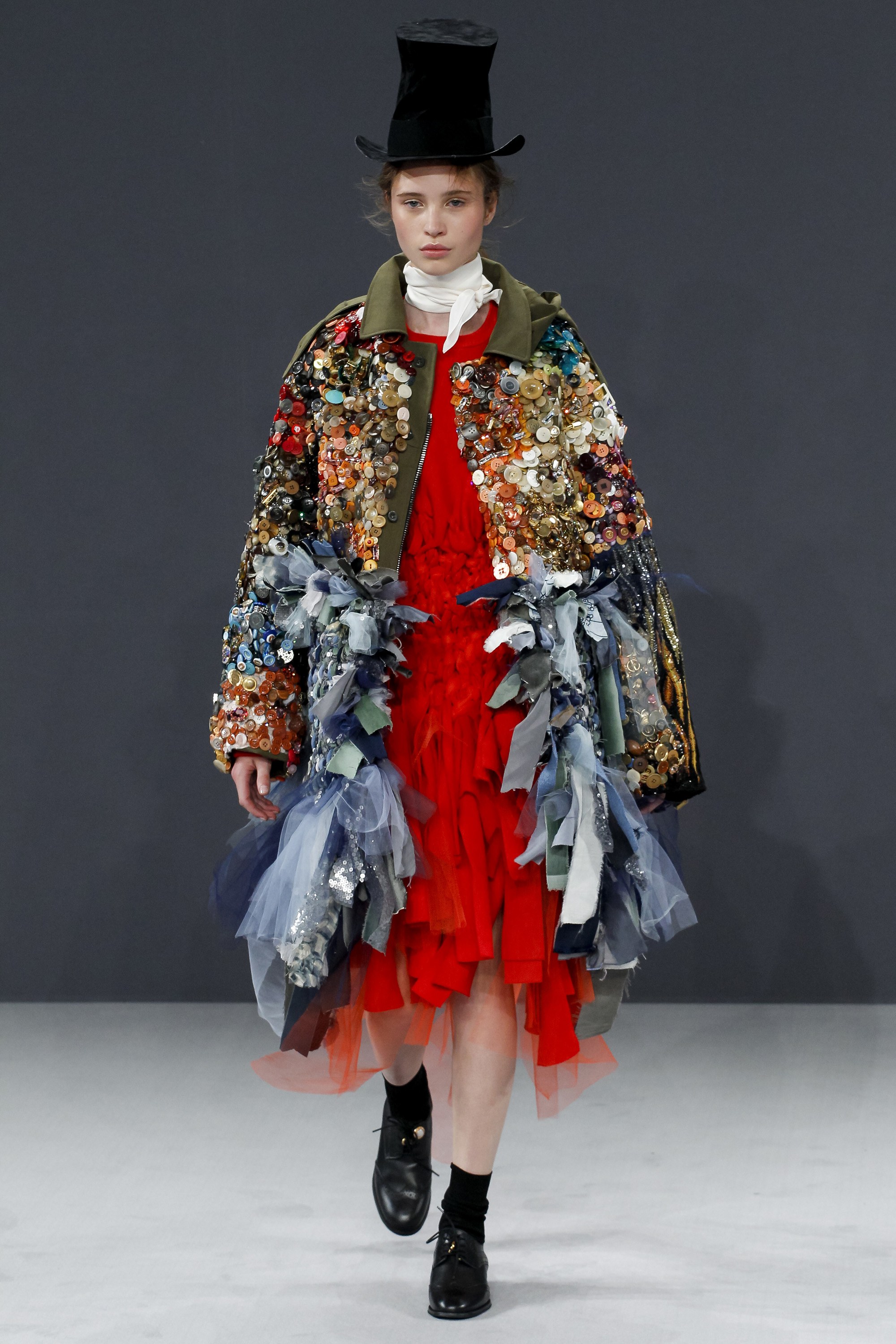
I was very interested in this collection by Victor and Rolfe, because couture design and “up cycling” seem like very distant ideas, but they executed it in such an lovely way. They basically tore apart old designs and used old pieces to create a new collection. I thought that the weaving techniques were interesting and could be related to the idea of cultural exchange.

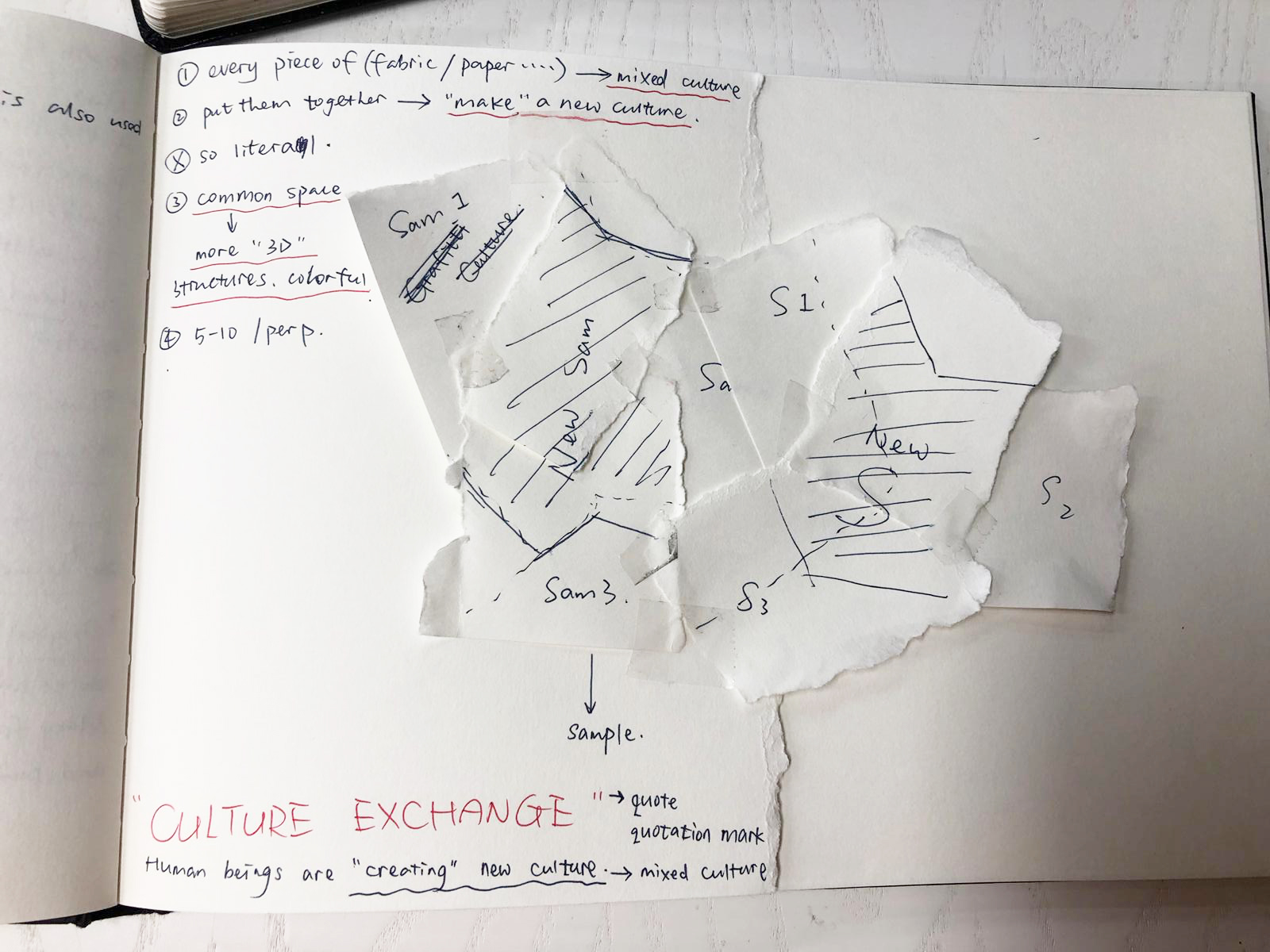
I’m Struggling with how I could possibly push this technique further. I did some samples earlier, and while they are very visually intriguing… they don’t push anything too new.

I will keep this in the back of my mind as a technique, but I am a bit more excited about using large scale ropes or encased water.

I wonder if I could do some large scale rope weavings.

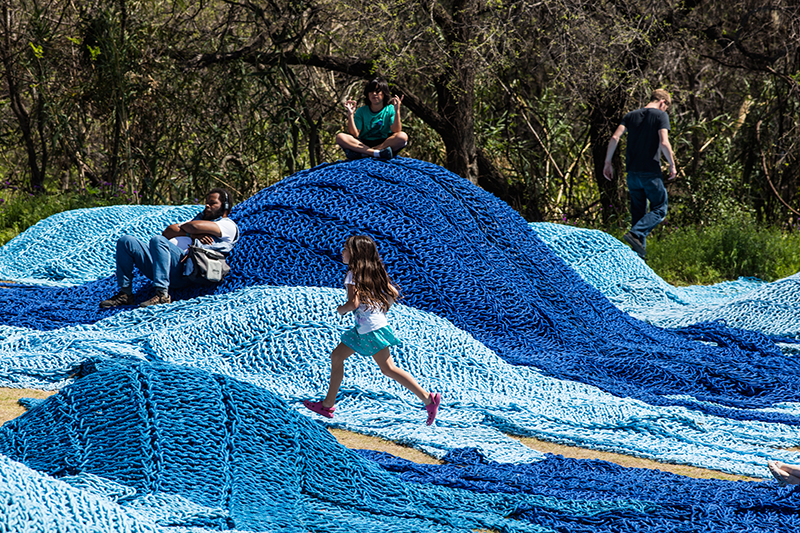
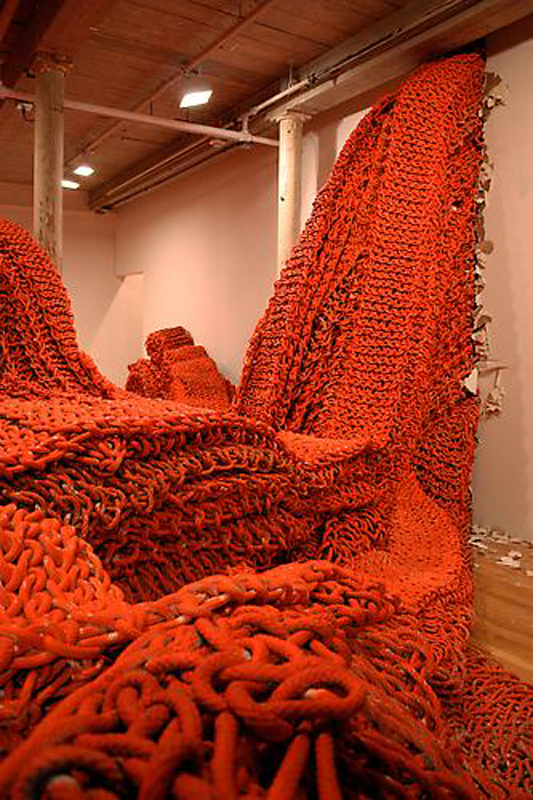
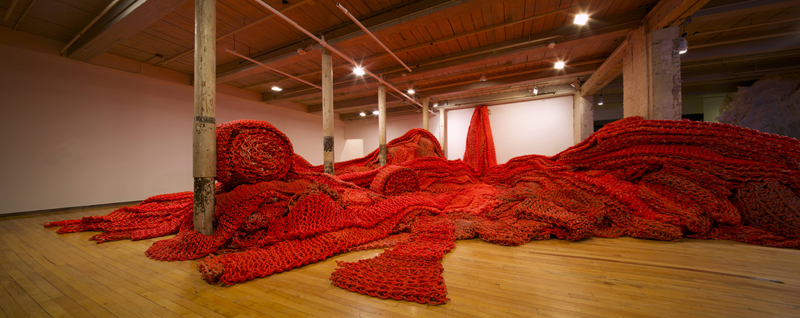
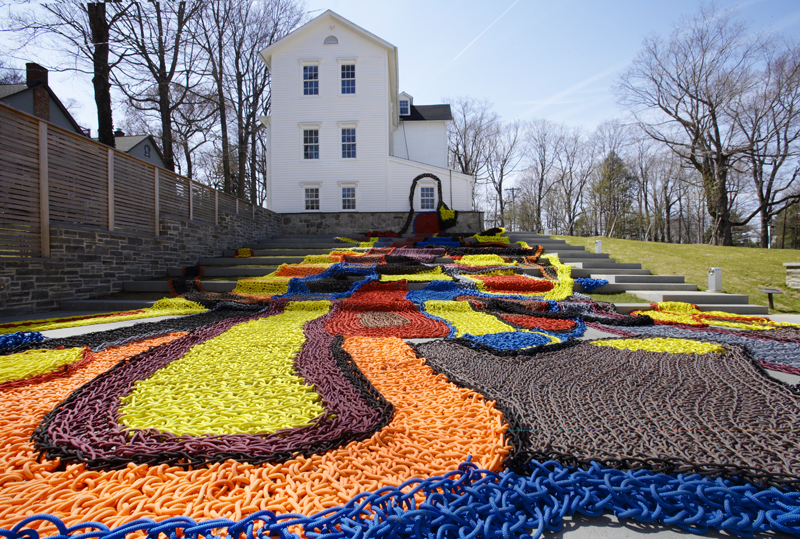
Orly Genger

I’ve taken a break from researching to create some material tests. My partner and I are interested in cultural exchange (and possibly observing how people greet each other) but we can’t seem to push that idea any further at the moment. We are taking a little break from discussing our topic to research and create some tests.

Texture wise, I was very interested in using rope, as I saw some cool looking fishing ropes at Borough Market.

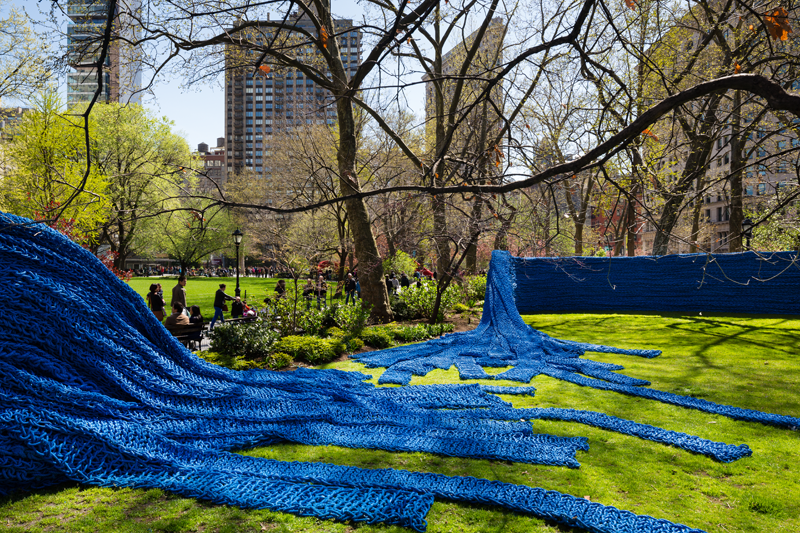
An artist who uses fishing ropes in her work is Orly Genger. Orly is an American textile artist who uses knots and ropes on a very large scale. Her work is typically interactive installation work.

I would love to see this type of material (and scale) applied to fashion.

Citations:

Orly Genger < http://orlygenger.com/site-specific/ > [26 August 2019]

Navigator: Notes on Psychogeography Today

Merlin Coverley., (2007) Psychogeography, Pocket Essentials

pp. 111-139

People:

William Blake– Godfather of Psychogeography

Iain Sinclair (trek around M25); Lud Heat; Uses Psychogeogaphy as a way to write; author and film maker; “occult paranoia and historical investigation”

Peter Ackroyd– “invokes the visionary traditions of the nineteenth century in his writing”; has been described as a ‘historic-mystical psychogeographer’; author

Nicholas Hawksmoor– architect of many historical churches in London (including St. Paul’s, Westminster Abbey, and Christ Church in Spatialfields

“Through efforts of the imagination as much as through research, Hawksmoor’s work has been woven into a parallel history of London’s underworld, particularly his Christ Church Spitalfields, near which Jack the Ripper performed his grisly murders in the 1880s. Published in 1975, Iain Sinclair’s feverish poem Lud Heat suggests that the sites of Hawksmoor’s London churches form an invisible geometry of power lines in the city, corresponding to an Egyptian hieroglyph. Peter Ackroyd built on this myth a decade later with his murder thriller Hawksmoor” -The Guardian

JG Ballard– ‘Death of Affect’ – loss of emotional engagement with our surroundings;

Stewart Home– resurgence of psychogeography in the 1990s

Patrick Keiller– films London, Robinson in Space; 1994 film London

Definitions:

Situationists– Revolutionary alliance of European avant-garde artists, writers and poets formed at a conference in Italy in 1957 (as Internationale Situationiste or IS).

The IS developed a critique of capitalism based on a mixture of Marxism and surrealism. Leading figure of the movement Guy Debord identified consumer society as the Society of the Spectacle in his influential 1967 book of that title. In the field of culture situationists wanted to break down the division between artists and consumers and make cultural production a part of everyday life.

Situationist ideas played an important role in the revolutionary Paris events of 1968. The IS was dissolved in 1972.

avant-garde |ˌaväntˈɡärd| noun (usually the avant-garde) new and unusual or experimental ideas, especially in the arts, or the people introducing them: works by artists of the Russian avant-garde.

surrealism |səˈrēəˌlizəm| noun a 20th-century avant-garde movement in art and literature that sought to release the creative potential of the unconscious mind, for example by the irrational juxtaposition of images.

Memorable Quotes

…Modern life in advanced industrial societies as characterized by a loss of emotional sensitivity. Amidst the barrage of media imagery to which we are subjected, our emotional response is blunted and we become unable to engage directly with our surroundings without the mediated images television and advertising.” (116)

… I think the suburbs are more interesting than people will let on . IN the suburbs you find uncenred lives… so that people have more freedom to explore their own imaginations, their own obsessions” (118)

  • earlier he says essentially that people are so overstimulated by imagery that their boredom will mirror the violent and sexualized imagery surrounding them. But i guess in the suburbs what is there to mirror?

“xxx zones within the city which display chronological resonance with earlier events, activities, and inhabitants” (124)

“Ackroyd’s detective muses upon the tendency of murderers and their victims to return repeatedly through the generations to similar locations as if drawn by some malevolent force, noting that ‘certain streets or patches ground provoked a malevolence which generally seemed to be quite without motive'” (124)
acculturation by Merriam Webster

noun ac·​cul·​tur·​a·​tion | \ ə-ˌkəl-chə-ˈrā-shən  , a-\

Definition of acculturation

1: cultural modification of an individual, group, or people by adapting to or borrowing traits from another culture the acculturation of immigrants to American life alsoa merging of cultures as a result of prolonged contact

2: the process by which a human being acquires the culture of a particular society from infancy

Cultural Exchange

Negatives: losing individualistic character traits; losing aspects of culture over time

Positive: learning about new cultures; becoming a part of a new (more global?) culture; connectivity

Cycle of Destruction and Creation

Me and Shuya were very interested in part : whole relationships and taking pieces of individual things to make whole pieces. Right now it is very abstract, but I will begin doing test samples this weekend. Hopefully with some samples, we will be able to solidify our idea.

Visually communicating ideas with my partner.

Culture

Culture kuhl-cher ] noun

the quality in a person or society that arises from a concern for what is regarded as excellent in arts, letters, manners, scholarly pursuits, etc.

a particular form or stage of civilization, as that of a certain nation or period:Greek culture.

Northern Line Research

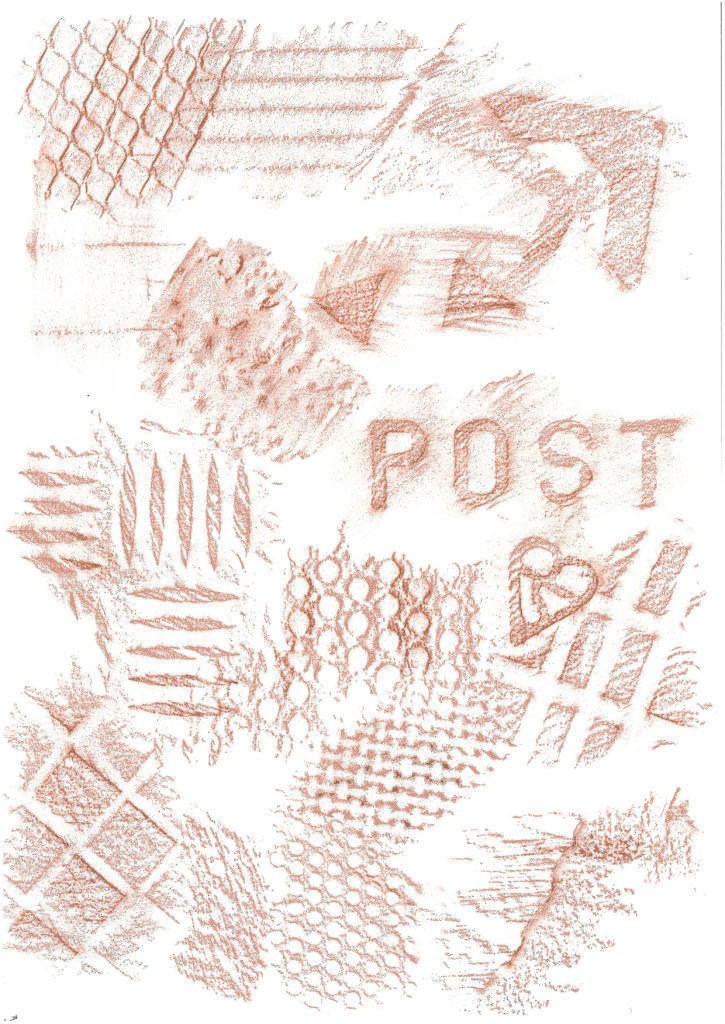
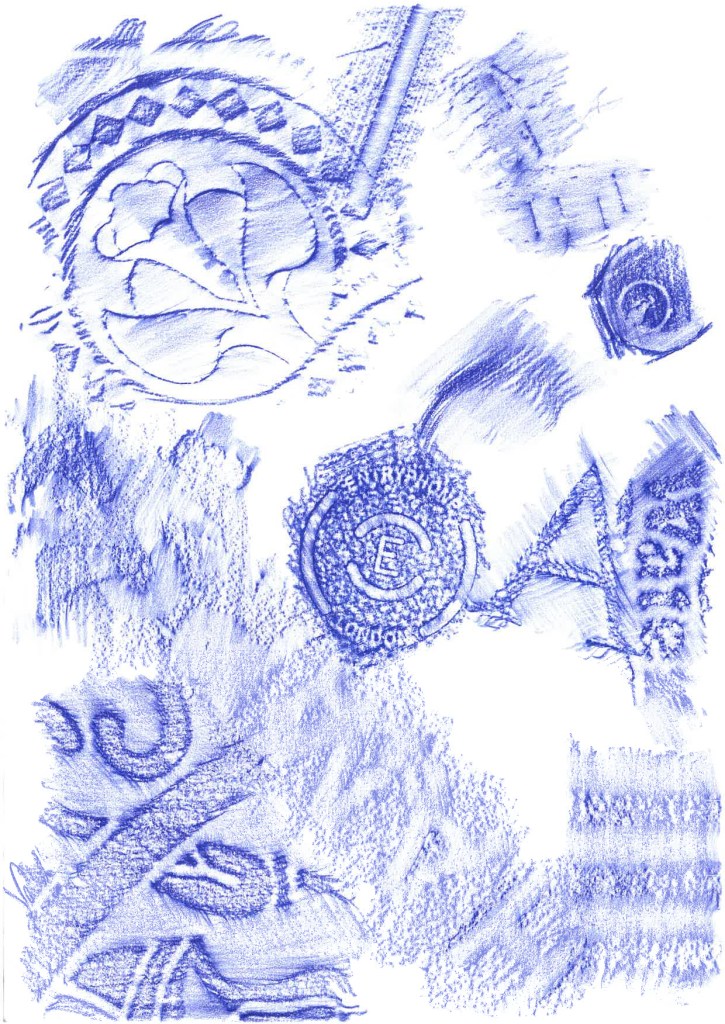
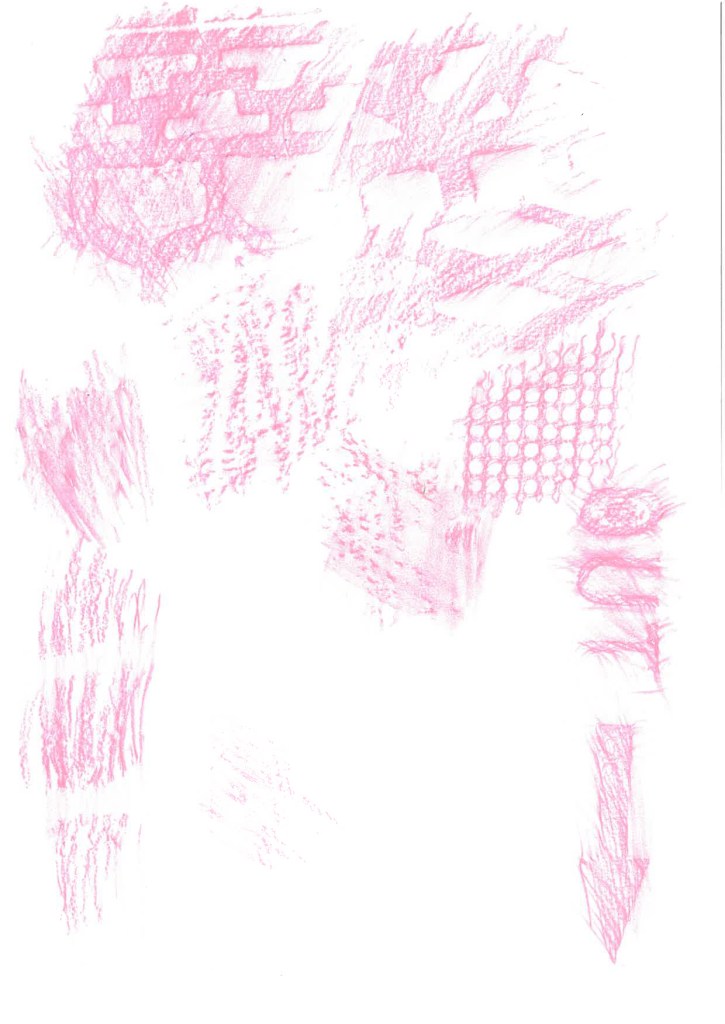
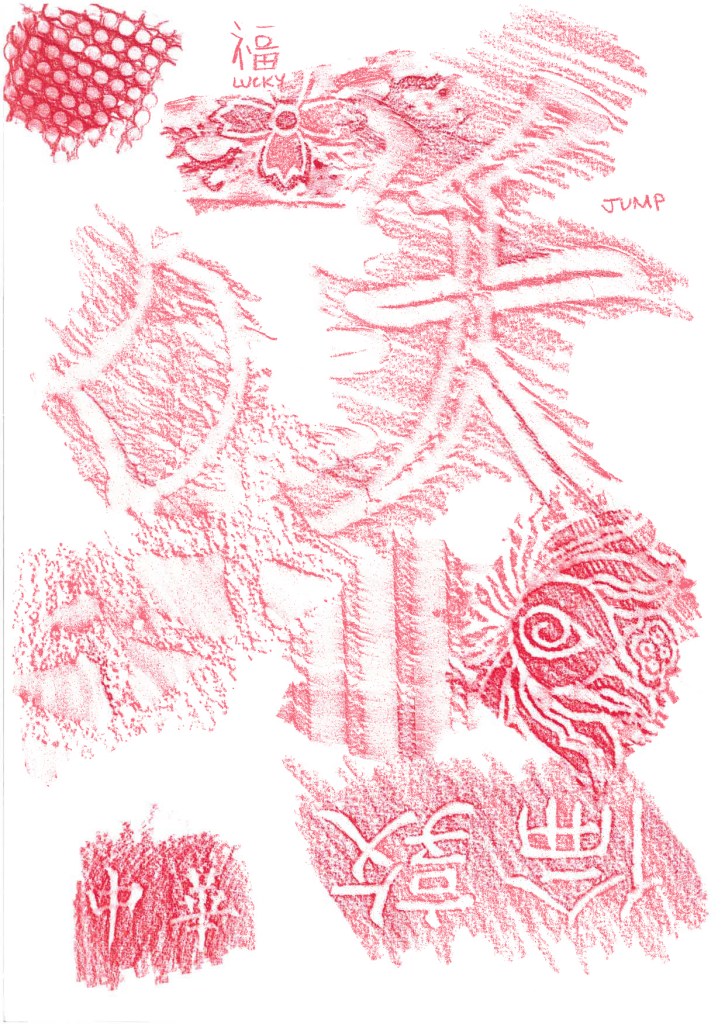
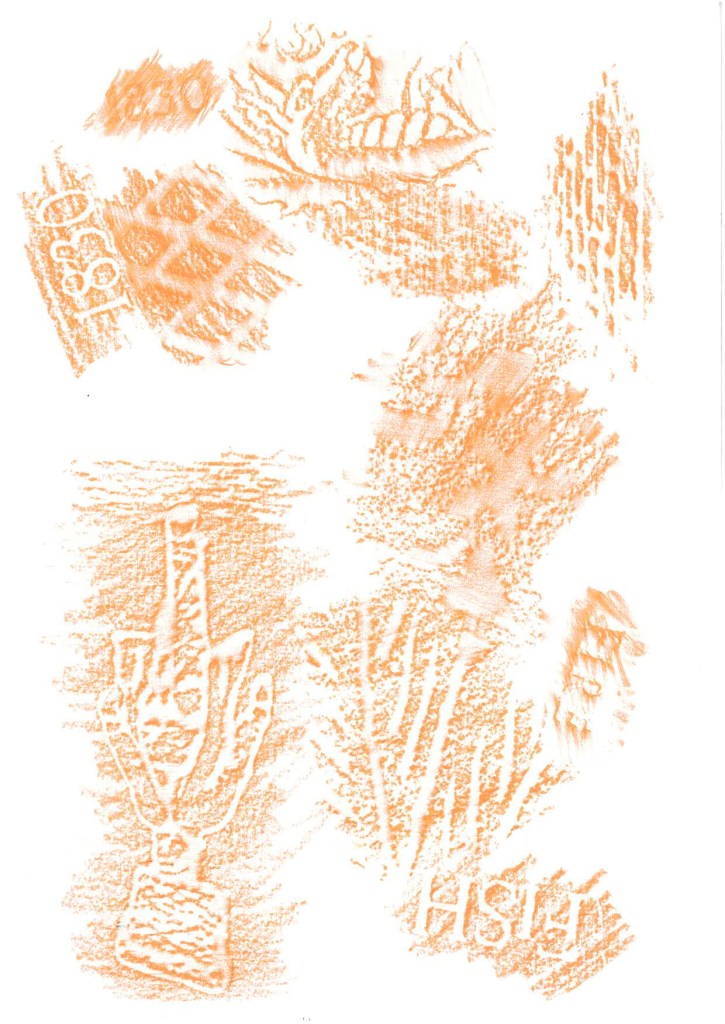
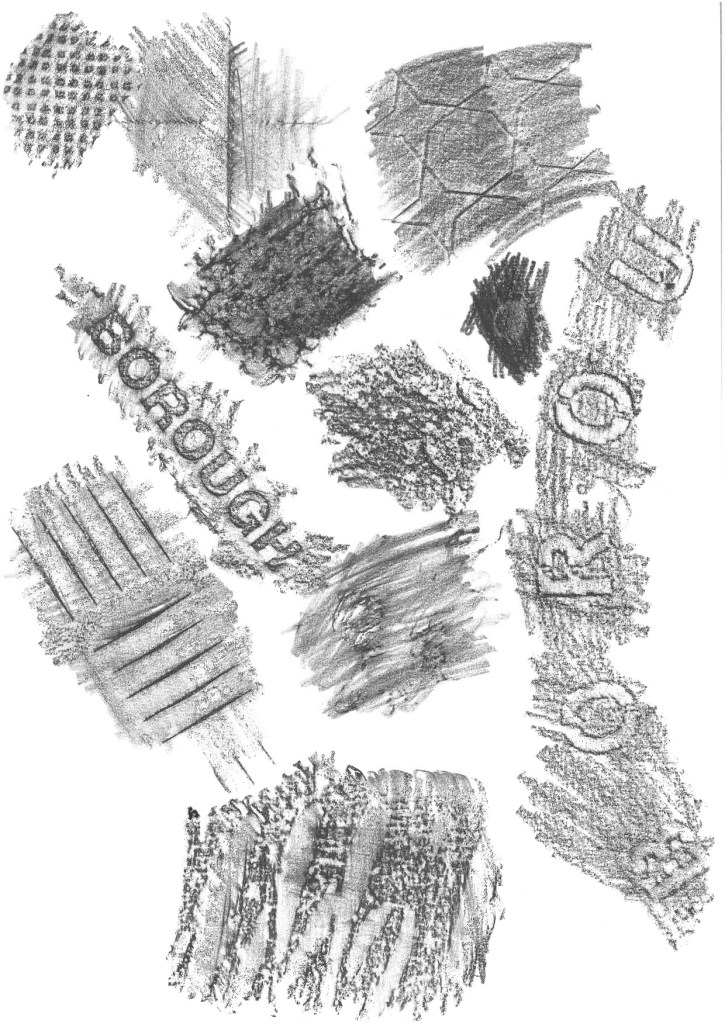
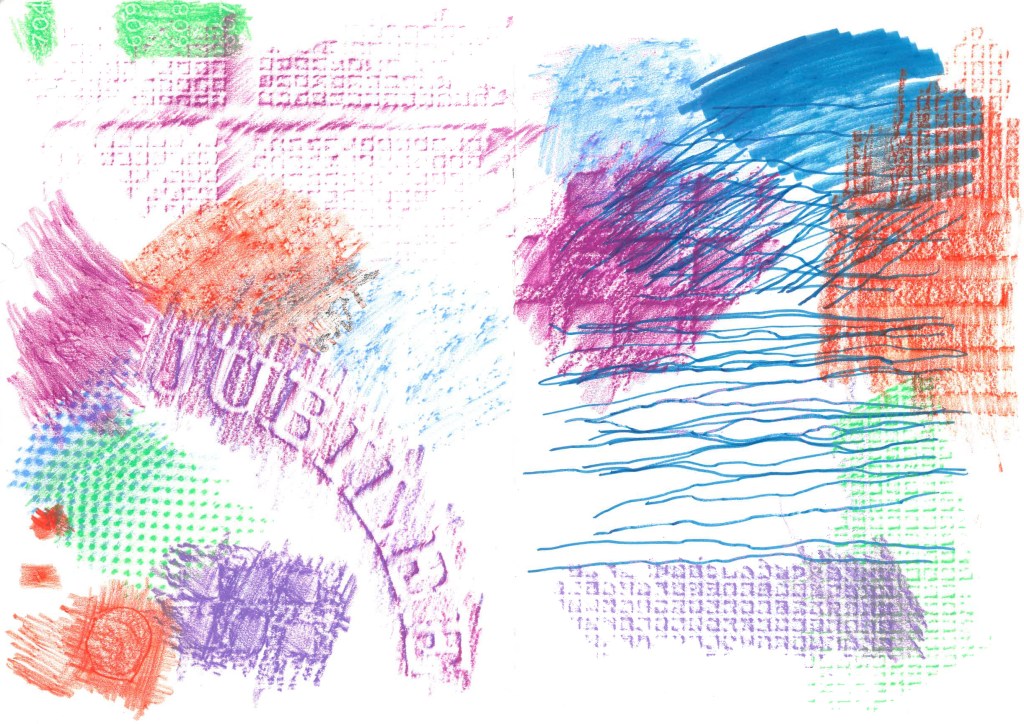
After my research at the Barbican, I felt like rubbings gave me a new perspective and way to look at things. It almost makes you focus more on the micro level to see the little details immediately around you, rather than the big picture. I did a rubbing for every distinct place me and Shuya stopped on the tube, shown in sequential order below.

We thought about the rubbings and what practical applications they may have to fashion and textiles.

  • We thought of creating molds or stamps out of the textures
  • We also thought of group participation; having the community make textiles with us
  • We also thought of making digital prints out of the rubbings
  • We talked about collaging and seeing how past, present and future of certain places may interact
  • We talked about gathering materials from around London to use in the creation of our final garment
  • We also talked about different sounds of londoon
    • horses
    • yelling
    • tube screeching
    • bells (rich history to look into)
    • busses
    • sounds of the crafts in the markets

Our Main Themes/Ideas/Discussions:

  • Contrast between human and manmade elements
    • Example: Barbican
  • Contrast between human and Animal
    • “Urban Slaughter House”
    • not just animals can die in the city but dreams/ideas
    • city being a hard place sometimes (example: homelessness)
    • Cultural conformity (losing aspects of your own culture)
      • Contrast of cultural exchange (learning about new cultures)
  • Decorative v. functional and Absurdity v. practicality
    • Example: fish ropes and borough market
    • Decorative buttons on 18th century coat at the Museum of London
    • Pannier at Museum of London
  • Homelessness v. Rich
  • Culture, Community, and Immigration (subcultures as well)
    • Camden punk and LGBTQ
    • Posh Hampstead
    • Chinatown (example of cultural backgrounds)
    • Rich and Poor

Barbican

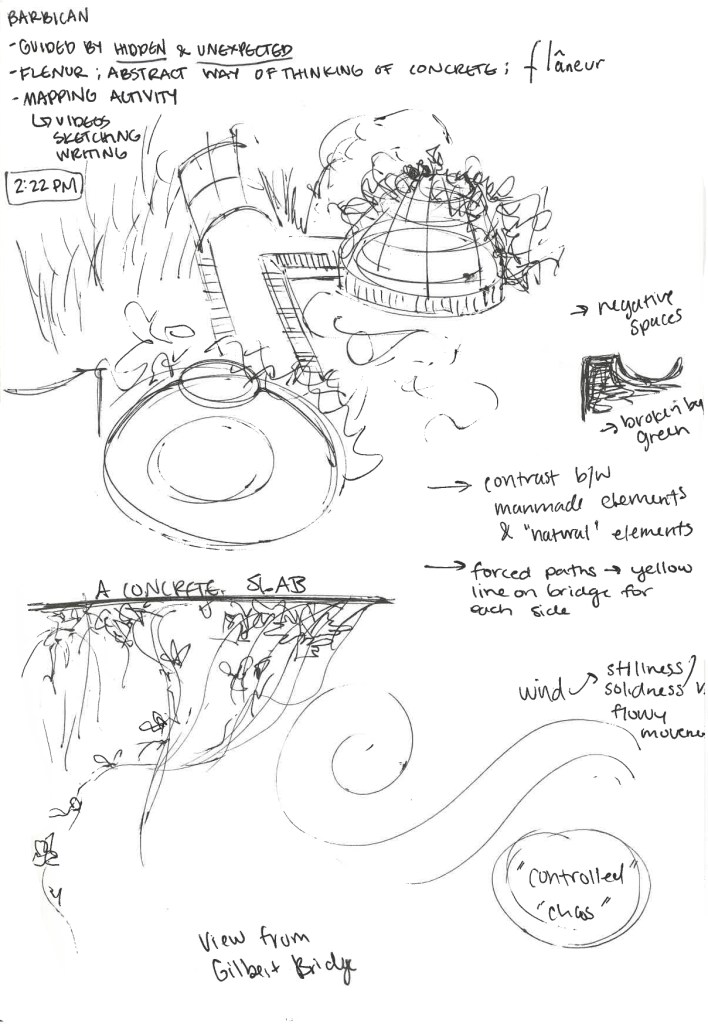
At the Barbican, I began with doing rubbings of all the different textures, as I enjoyed the brutalist architecture, and the excessive use of textured concrete. I wanted to capture this on paper.

I also began to think about what was planned and what was “natural”. Even the natural elements at the Barbican seem to be pre-planned. Every pathway is carved out; the barbican is like a maze that corrals people and diverts them in new and interesting ways.

One thing that stood out to me is the yellow lines throughout the barbican. To be honest, they just seemed unnecessary and a bit humorous. The architecture is confusing and I don’t know why the architects decided that the direction in which we walk needed clarity.

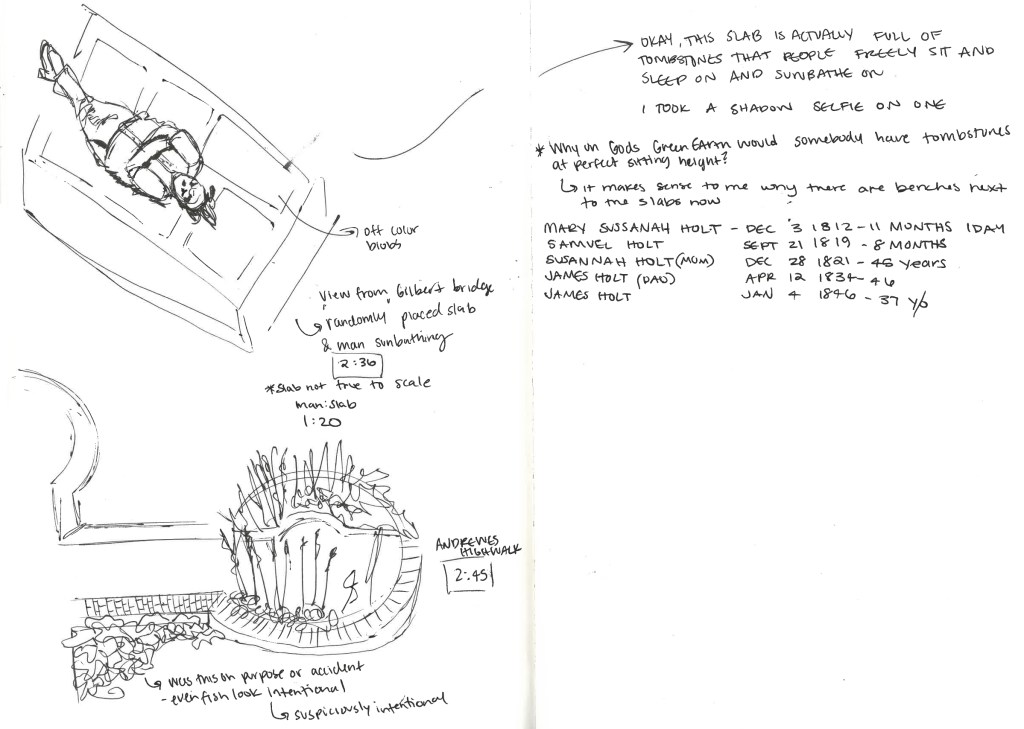
The final thing I noticed were the tombstones outside the church. I was sketching a man sunbathing on them, and I did not realize what they were. It seemed odd to me to have these large slabs of concrete as a sitting space, when there were benches nearby, so I investigated further. It was at that time when I realized that they were tombstones. It was a fun activity to recap and put together a family history. It felt like solving a mystery or getting a window into somebody else’s life.

I liked the idea that a man was unknowingly sunbathing on a tombstone. It seemed to fit into the contrasting elements of the barbican.

  • Nature/Structure
  • Old/New
  • Restricted Paths/Wandering

Good Words: flâneur

flâneur |flaˈnəː| |French flanœʀ| noun (plural flâneurs pronounced same) 

a man who saunters around observing society.

Definition from the Tate Modern:

Baudelaire identified the flâneur in his essay The Painter of Modern Life (1863) as the dilettante observer. The flâneur carried a set of rich associations: the man of leisure, the idler, the urban explorer, the connoisseur of the street. Such a figure can be seen featured in many impressionist paintings.

The flâneur has become an important figure for scholars, artists and writers and was taken up in the twentieth century by the Situationists.

Citation:

Art Term: FLÂNEUR, Tate. < https://www.tate.org.uk/art/art-terms/f/flaneur > [22 August 2019 ].

Museum of London

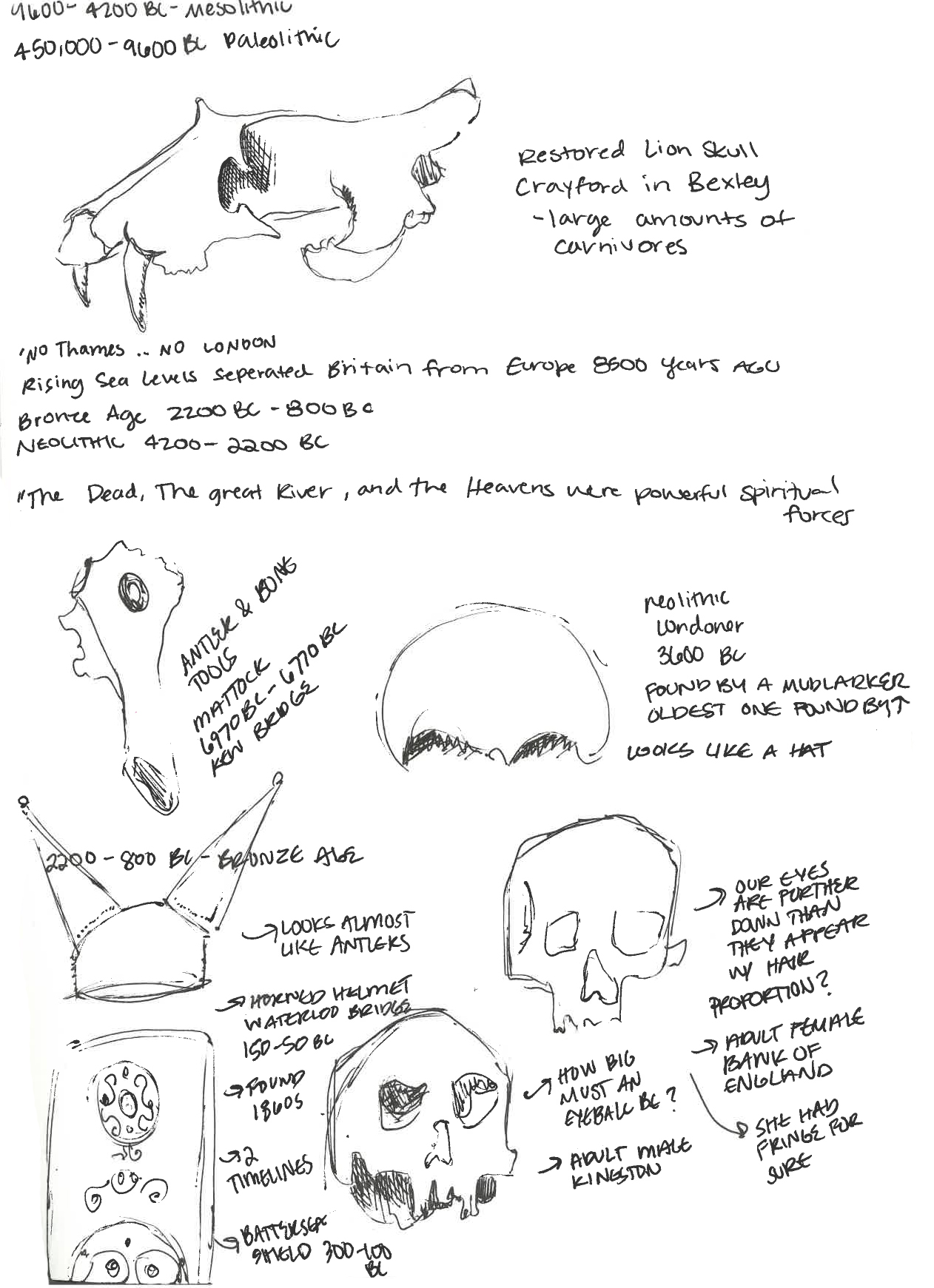
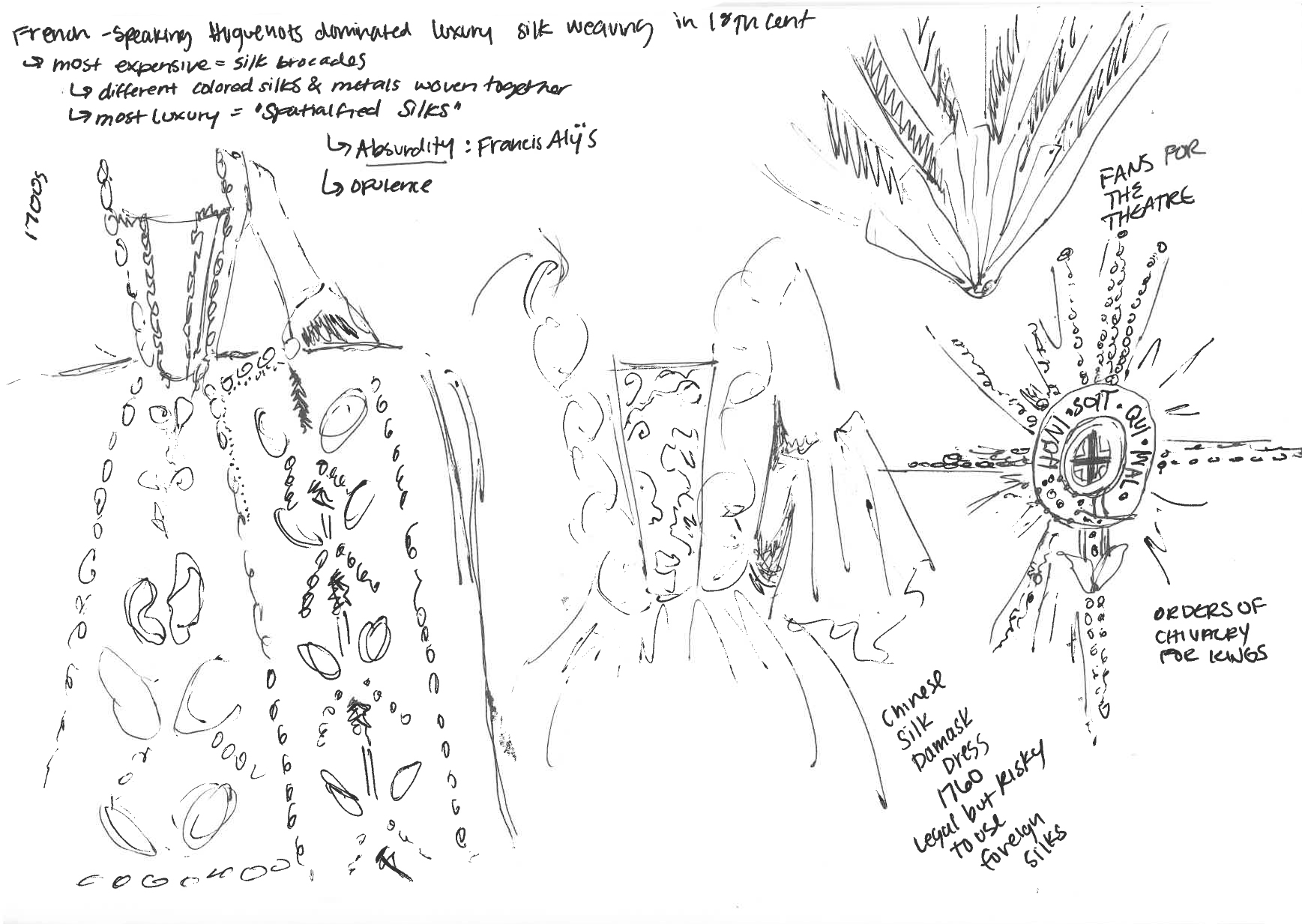
The beginning of the exhibition at the Museum of London is a display which includes landscapes and skeletal remains. I was very attracted to the bones; I kept thinking about what the human or animal may have looked like with all of the muscles and flesh intact. I also was very attracted to the things which adorned the body (mainly armor on that point).

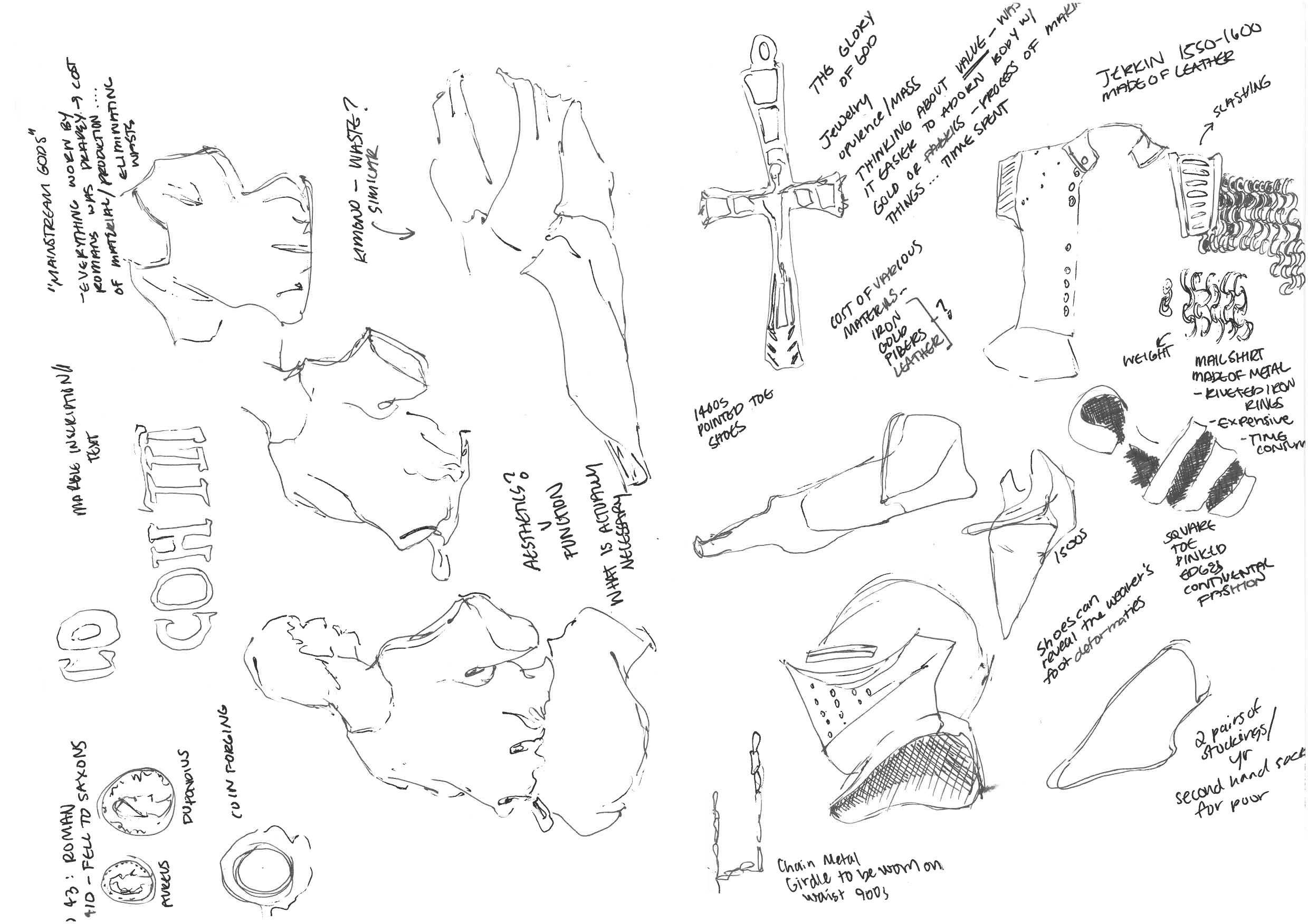
Moving into the Roman/middle age part of the exhibition, I was attracted to the cloth and the raw materials used. The roman garments were all so drapey, and it seemed appropriate for the aspect of functionality. There weren’t many aesthetic considerations at this point when it came to textiles. However, the jewels and metals seemed much more artistic.

In the middle age exhibit, I began thinking more about materiality, necessity, and function.

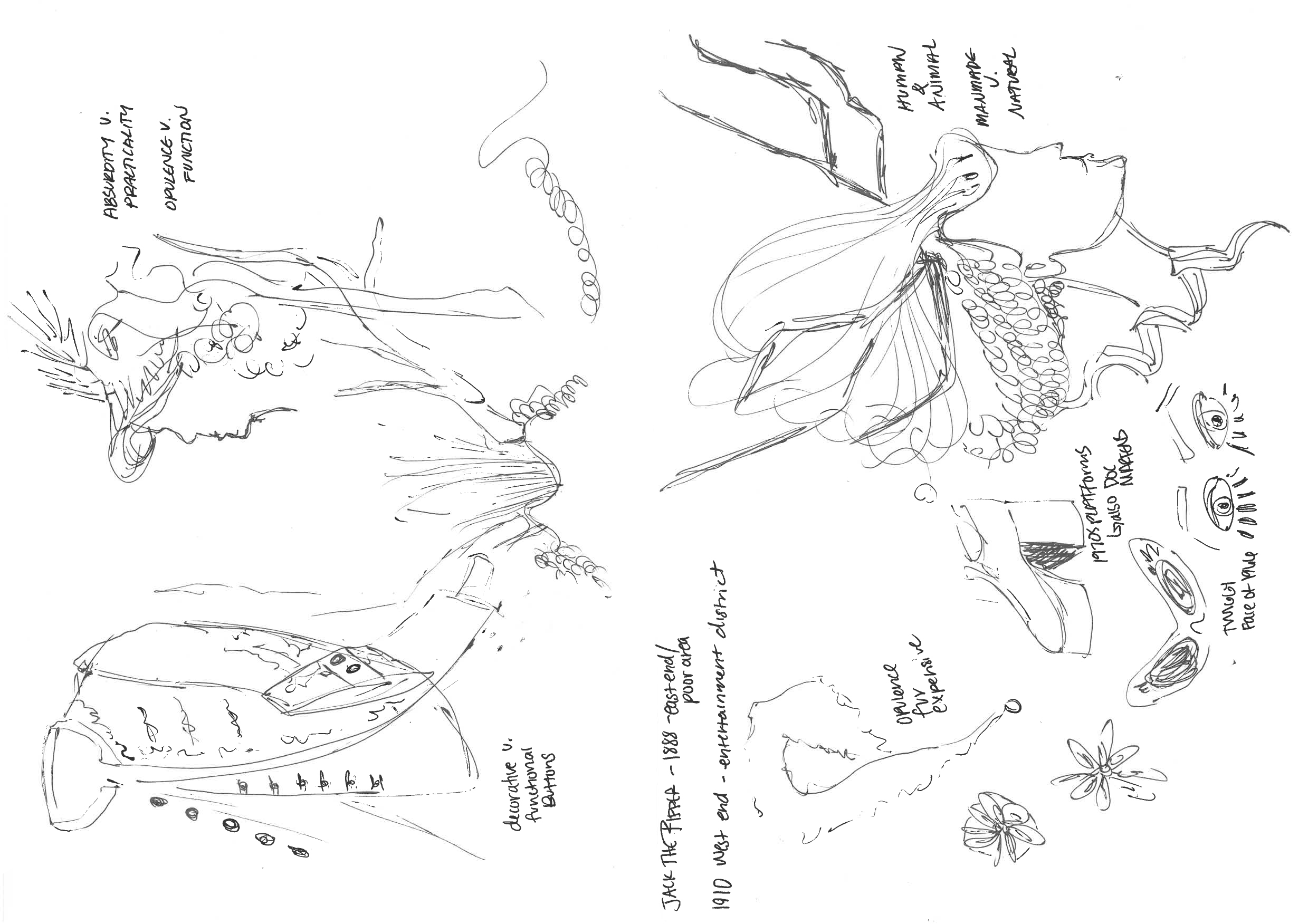
After the plague and great fire exhibition, London seemed to become a place of total opulence (and I loved the whole 18th century exhibition). It was almost the total opposite of the middle age and roman exhibition (where things were created for necessity over functionality). Everything was exquisite- I was very attracted to the 18th century dress with a pannier. I also loved the fans, jewels, and gloves. Themes crossing my mind were:

  • Aesthetics v. Function (panniers and decorative buttons)
    • Absurdity v. practicality (remember artist Francis Alÿs)
  • Human and Animal
  • Manmade and Natural
  • Creation and Destruction
Design a site like this with WordPress.com
Get started