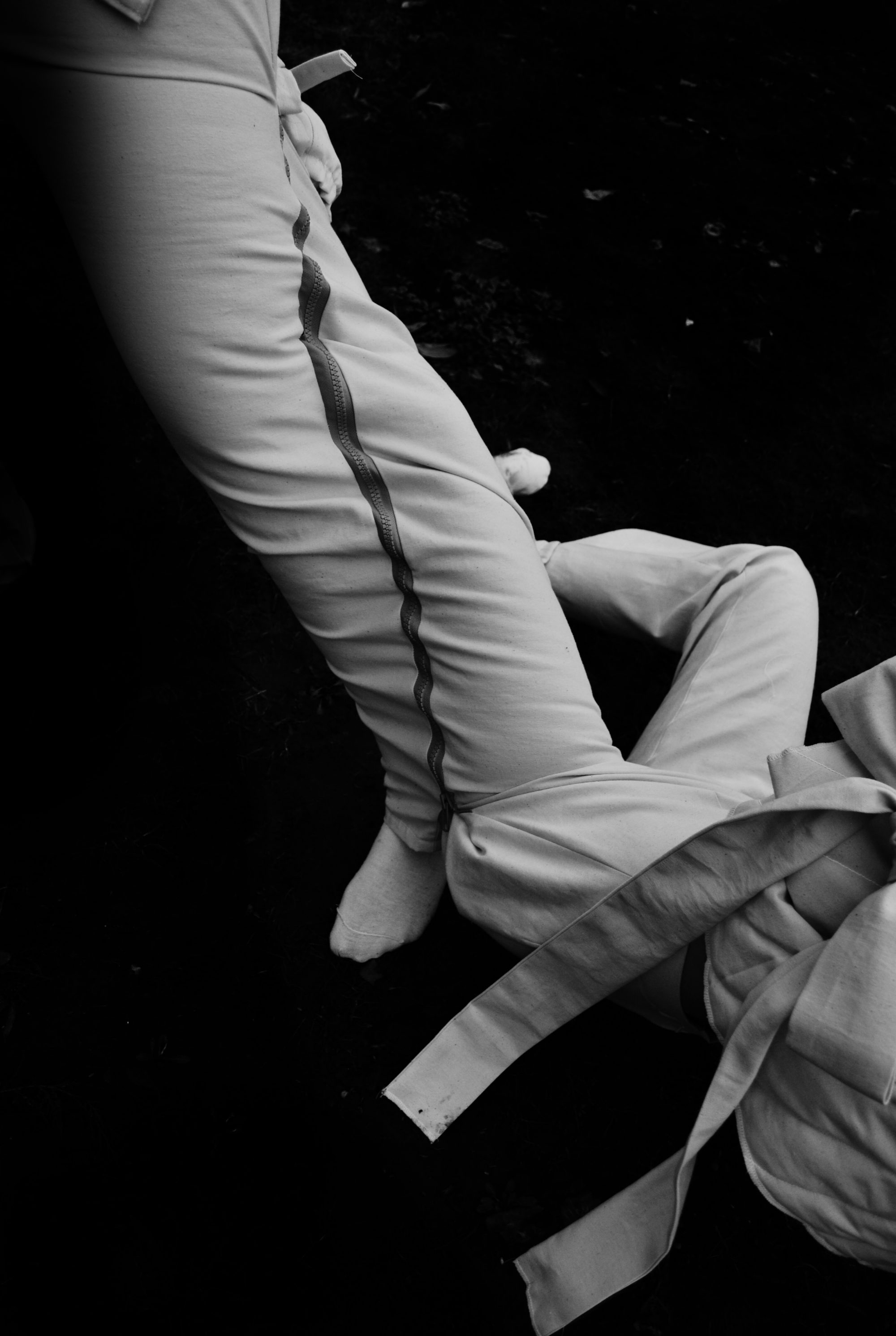
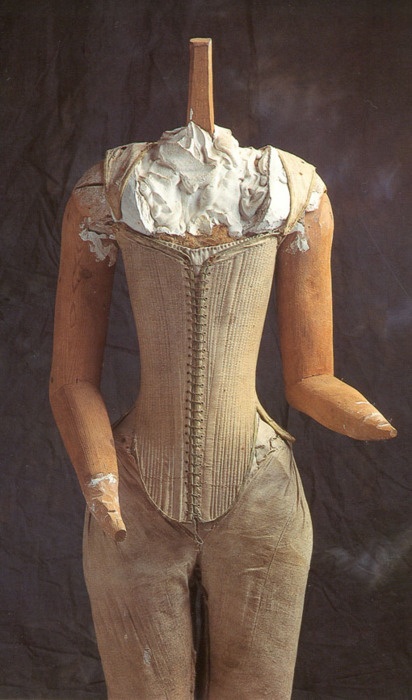
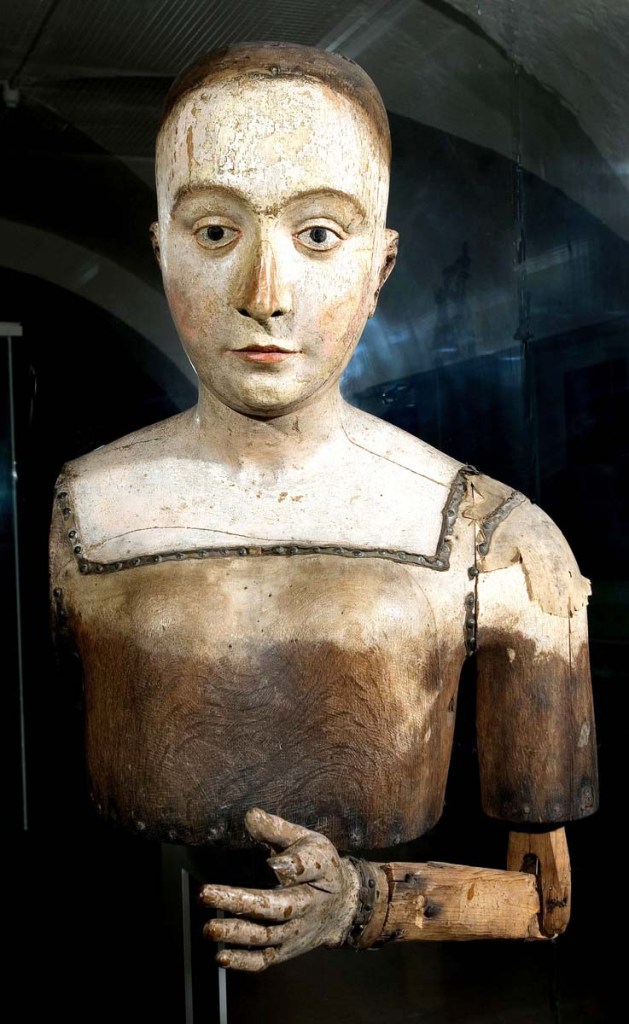
Funeral effigy of Elizabeth of York
Connecting Reading and Research
Currently I’m reading Fashioning the Body: An intimate History of the Silhouette, and here are some relevant/memorable quotes from the introduction. The last one really relates to what I’m interested in!!!!!!!!!
“Of course, “shape wear” and other”smart garments” fall well short of the distorting effect of the corset, whose tyrannical reign lasted through most of the nineteenth century, in response to the demand for a slim waist. Nowadays, cosmetic surgery with its prodigious silicone breasts and liposuctioned tummies, as well as sports clubs, fitness programs, and diets, seems to yield more effective results on the body than a corset”
“When applied to different parts of the body, often rendering it immobile or restricting its movements, these mechanisms modeled the body, making it possible for anyone to attain the ideal of beauty of a given historical period”
“Indeed, the earliest structures of body dissimulation date from the fourteenth century, and the practice continues up to our time.”
“it was important for us to approach the history of fashion from a different angle, far from the conventional narrative of the evolution of forms, of folds in the backs of dresses, of skirts whose breath increases over time then begins to recede, and nt a history of fashion as it relates to the body”
“These hidden fashion garments are an integral part of the clothing and the figure they help to shape. Moreover, when these articles are removed from the person wearing them, they look, like carcasses, like bodies foreign to the body they dressed. Without a body, the agarment has no reason to exist; it is merely a lifeless mass of fabric, a soulless hide. In short, fashion makes the body; the garment is a tool of bodily modification. The conclusion is unavoidable; there is no natural body, but only a cultural body. The body is a reflection of the society that presided over its creation”
- I’m really interested in the idea of fashion “making” a body
CITATIONS:
Denis Bruna (ed.), Fashioning the Body: An Intimate History of the Silhouette (New York: Yale University Press, New Haven and London, 2015).
V&A Trip 1
Although I wasn’t able to see any of her work in person, I still absolutely love Jo Spence’s work and I am hoping to book an appointment to see it in person.
During yesterday’s research trip I obviously was attracted to the corsets, but I am actively trying to stay away from them because I want to push myself to try something new. I really really want to avoid being inspired by fashion.
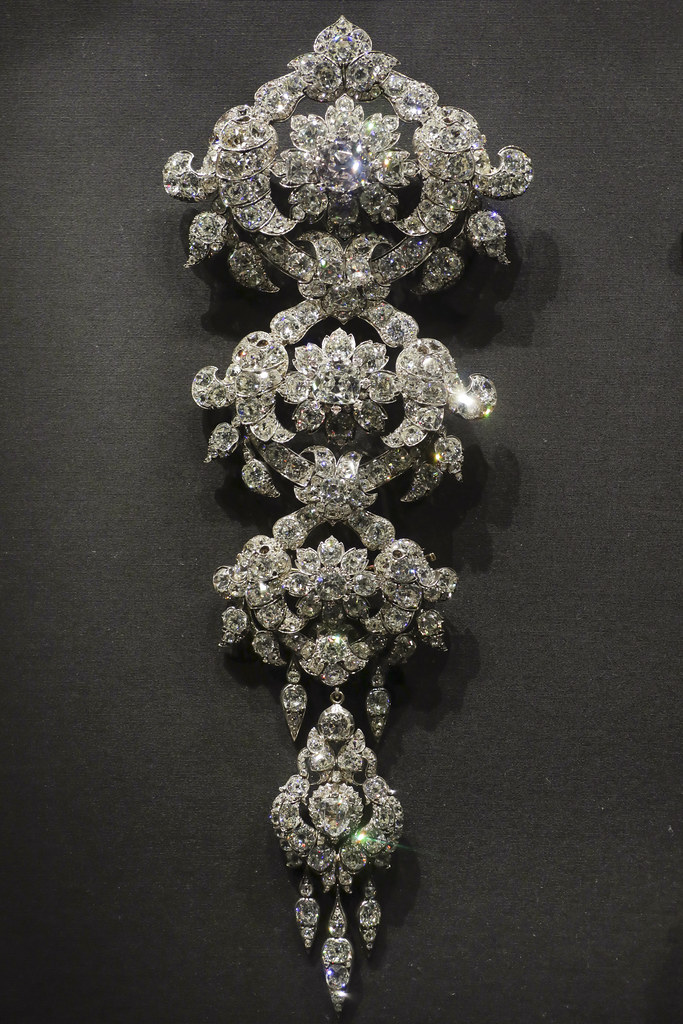
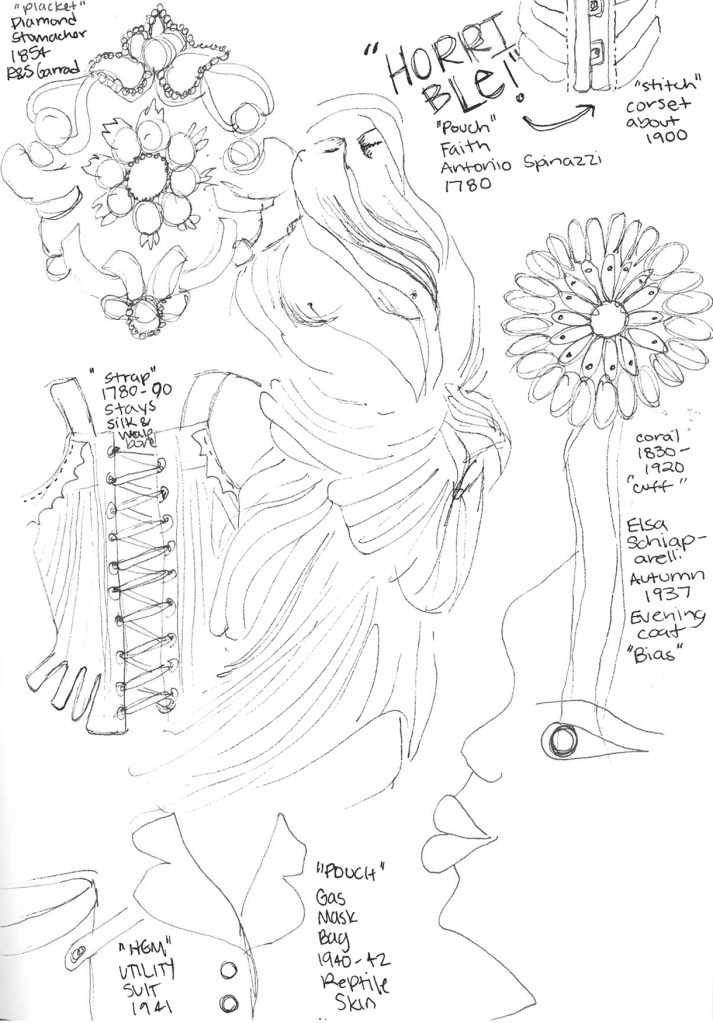
I, however, was very attracted to a diamond stomacher in the jewelry room. It technically still relates to corsets and corsetry but its a new medium and spin on things (it is still worn, but there is an essence of permanence to it) I’m going to reinvestigate it (and the whole jewelry room) soon.
I realized that my two favorite artists that I researched (Jo Spence and Yin Lam) both delt with issues of mortality and self image, and this is something I am very very interested in. I’m wondering if there is another artifact I can connect these to, which would offer more breadth to my project.
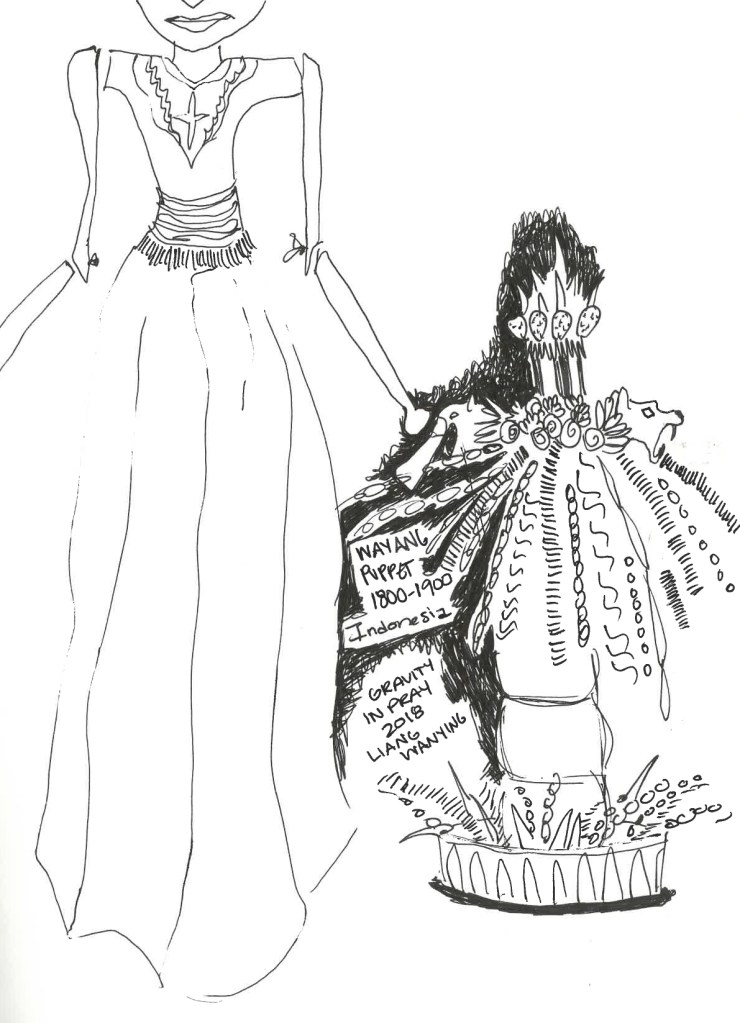
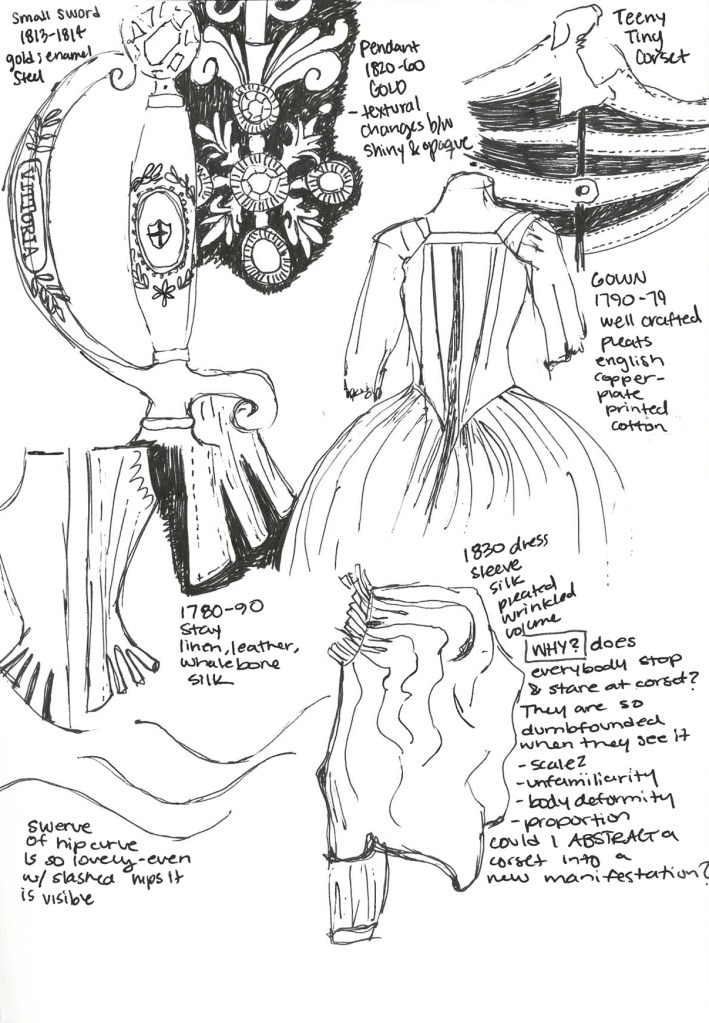
I’m considering connecting Spence and Lam’s work with a concrete jewelry piece (with the idea that mortality and being eternal through an item are related). Maybe I won’t use the stomacher that I sketched (Drawing 2 below, next to the sword). Perhaps a family heirloom would be more appropriate.
I think there are some really interesting ideas of permanence, mortality, bodily representation, bodily adornment, and the representation of the female figure that I could explore.
There is a really interesting contrast between the permanence of all of the mediums as well. Lam’s work is on surgical gowns which get thrown away in bulk, whereas jewelry would be handed down from generation to generation.
I’m still open to using other concrete, “artifacts” (maybe something dealing with death/representation of the female body).
Note to self: talk to Aleah about more book references.
Note to self: also, make a mind map
V&A Pre-Research Part 5: Rachel Kneebone
I love this piece because of the intricacy and scale. I also think it is so interesting that Rachel Kneebone is almost returning to renaissance art, but her work feels new in a sense. I appreciate the skill and talent it must take to make a sculpture this detailed on this scale.
This piece is in Room 50a
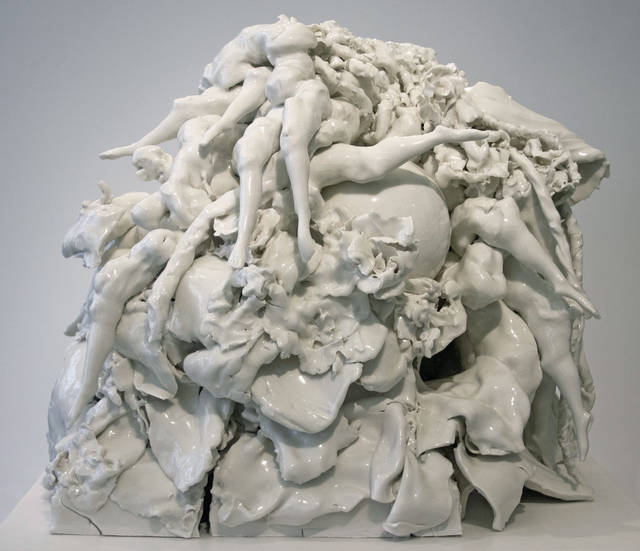
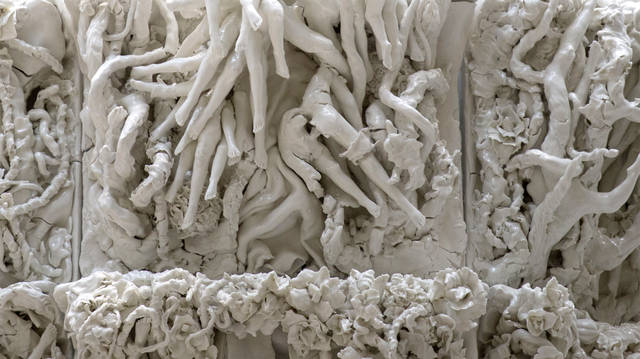
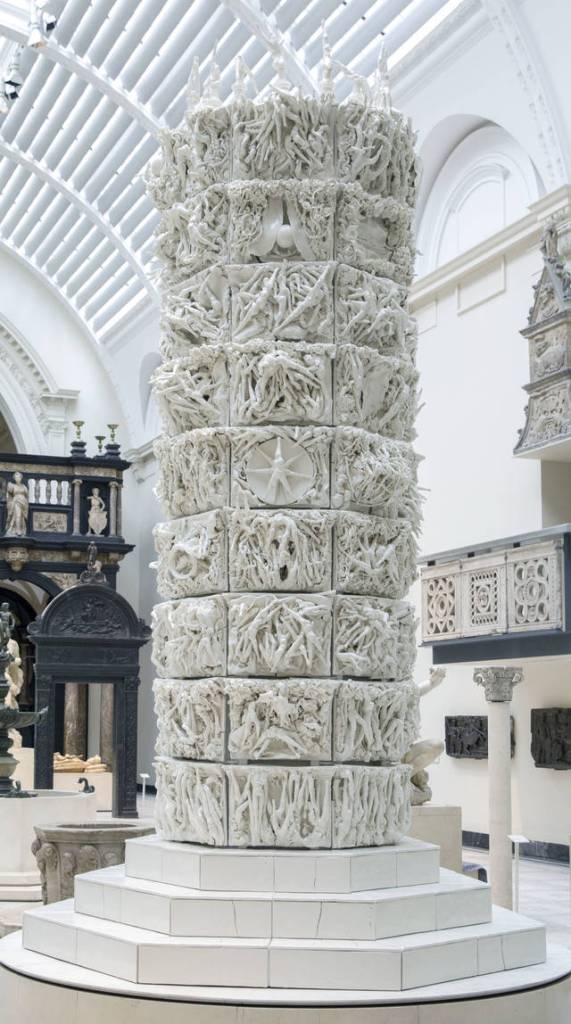
Rachel Kneebone creates porcelain sculptures that strive to represent the human body in all its complexity. She is concerned with what it means to inhabit a body, its physical limitations and cognitive possibilities. Inspired by themes of transformation and renewal, Kneebone’s complex sculptures are born of intense emotions. She expresses movement and fluidity in a medium usually associated with stillness and calm.
Visibly exploiting the material properties of porcelain, Kneebone deliberately allows her work to rupture and crack, prompting the viewer to contemplate the relationship between strength and vulnerability.
V&A Pre-Research Part 4: Edward Reginald
Prints & Drawings Study Room, level C, case Y, shelf 70, box D
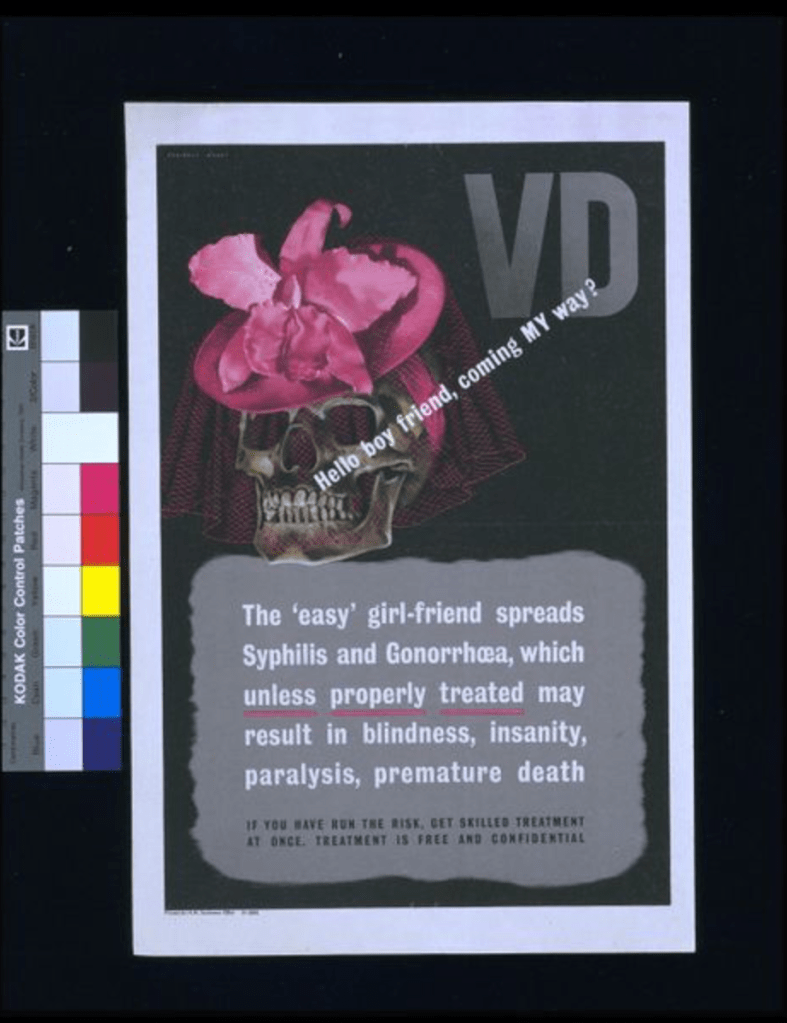
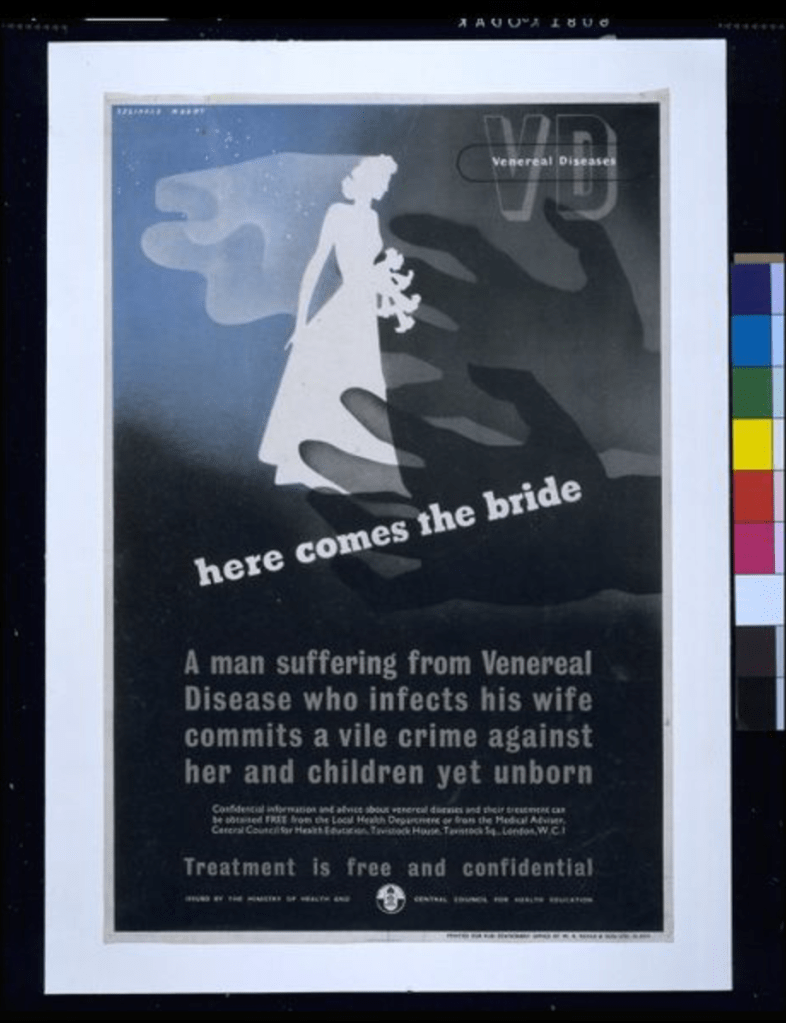
I have a lot of problems with this poster.
First of all, why are women always casted as the evil temptresses (a female is literally being represented by a scull)?
Second, the blame is completely shifted onto women?
There is obviously a bias that it is okay for men to be promiscuous but not for women. Even in the second poster it assumes that brides are all supposed to be, “perfect virgins” and a man can still sleep around.
Both of these posters assume that all sexual relationships are heterosexual
The second poster assumes that the point of every marriage is to procreate
V&A Pre-Research Part 3: Yin Lam
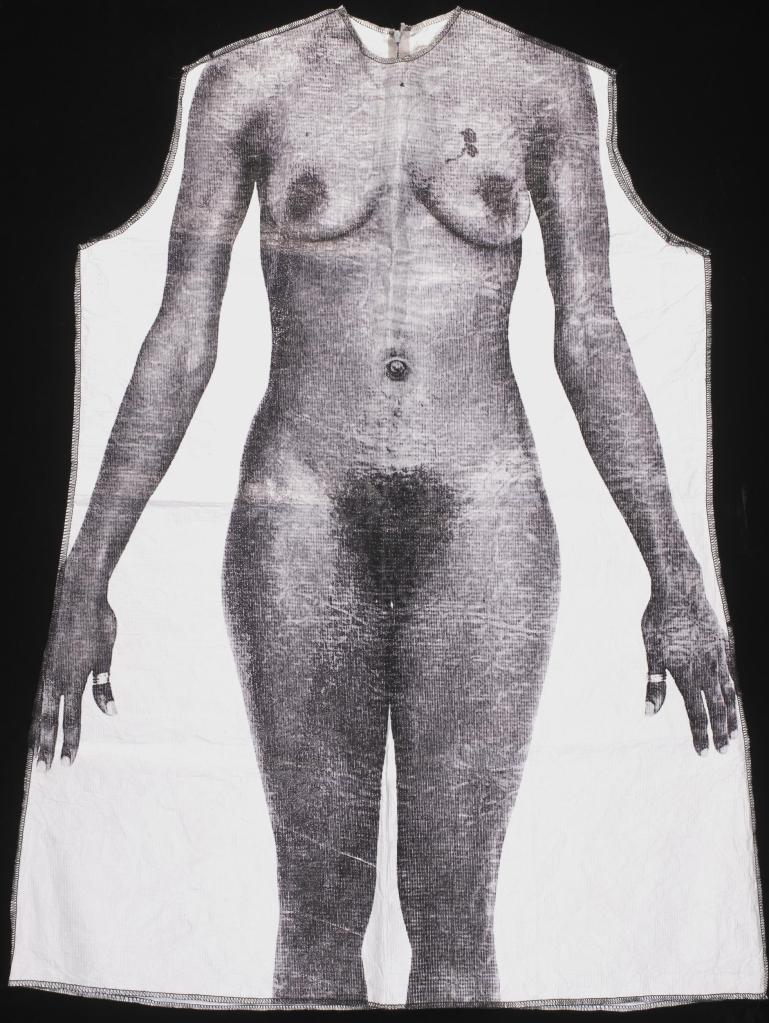
“This is one of several printed gowns made by Yin Lam as part of her contribution to Masquerade (1998), a project commissioned and staged by the London Printworks Trust (LPT), based in Brixton, south London. LPT is a community-based workshop which provides facilities to artists to work with print and fabric; it also has a dedicated outreach programme. Masquerade was an interactive exhibition which involved the setting up of a boutique in Brixton market. A number of artists, including Yin Lam, were commissioned to produce garments for the boutique. Passers-by were invited in to try on the clothes and have themselves photographed against specially-designed backdrops. The garments were often outrageous or provocative, designed not only to transform a sense of self, but also to break taboos and to question stereotypes.
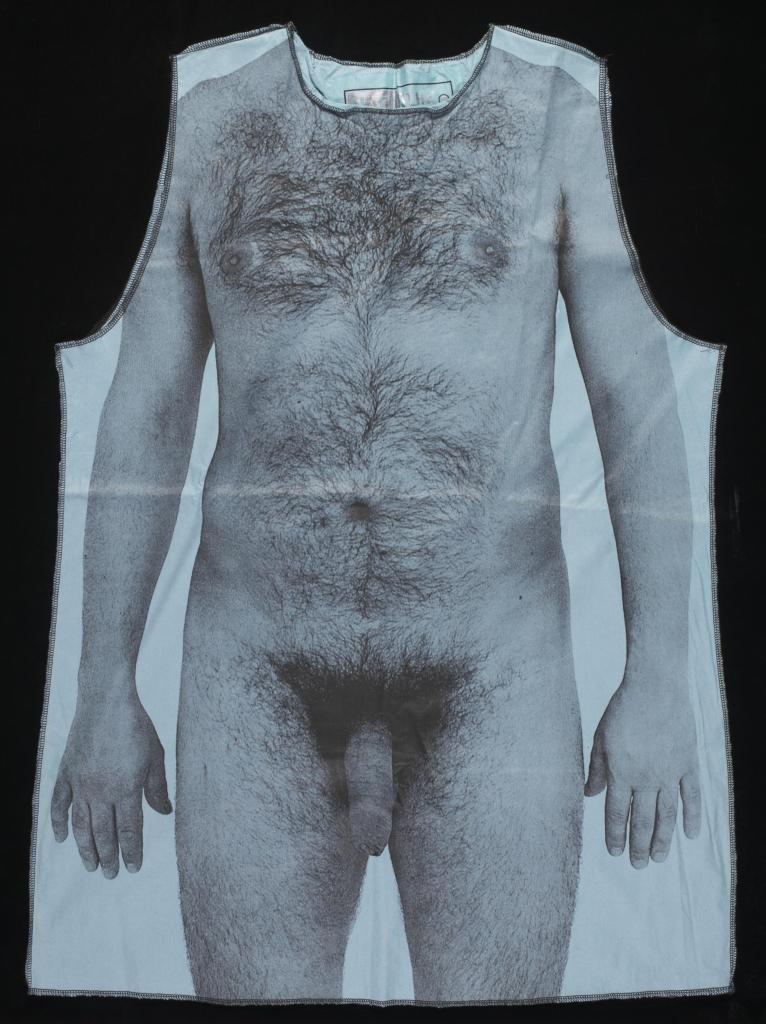
Yin Lam chose to modify a number of surgical gowns (some green cloth, others white paper) by screenprinting them with images of naked bodies, male and female, black, white and Asian. These were produced as T-shirt sizes, knee-length gowns and full-length gowns. At the time she made these, she was already suffering from lupus, the disease which caused her early death, and had spent much time in hospital. Using the gowns was a way of addressing the changes she was experiencing in her own body, as well as offering others the opportunity to try living in someone else’s ‘skin’. They also suggest a frankness and openness about physical realities, and a deliberate rejection of conventional ideals of ‘the nude’ and the air-brushed perfection of the bodies which feature in advertising. Each of the bodies she chose to photograph and reproduce were those of professional models, but as well as those she described in the catalogue as ‘slim’ or ‘curvaceous’ or ‘athletic’, she also chose others who were overweight or had scars.”
Yin Lam’s work reminds me a lot of Jo Spence’s. Both deal with disease and body image in quite clever ways. Both works also deal with societal expectations and what is considered to be “beautiful” and, “normal”.
Yin Lam and Jo Spence seem to be deeply emotionally disturbed or discontent. Both were sick and had to deal with their realities and the fact that their bodies would be forever changed. Though the mediums are different, I see similarities in the use of medical visuals as well. Lam uses medical gowns and Spence uses her surgery scars.
Both of these garments are unfortunately in storage.
V&A Pre-Research Part 2: Karl Lagerfeld
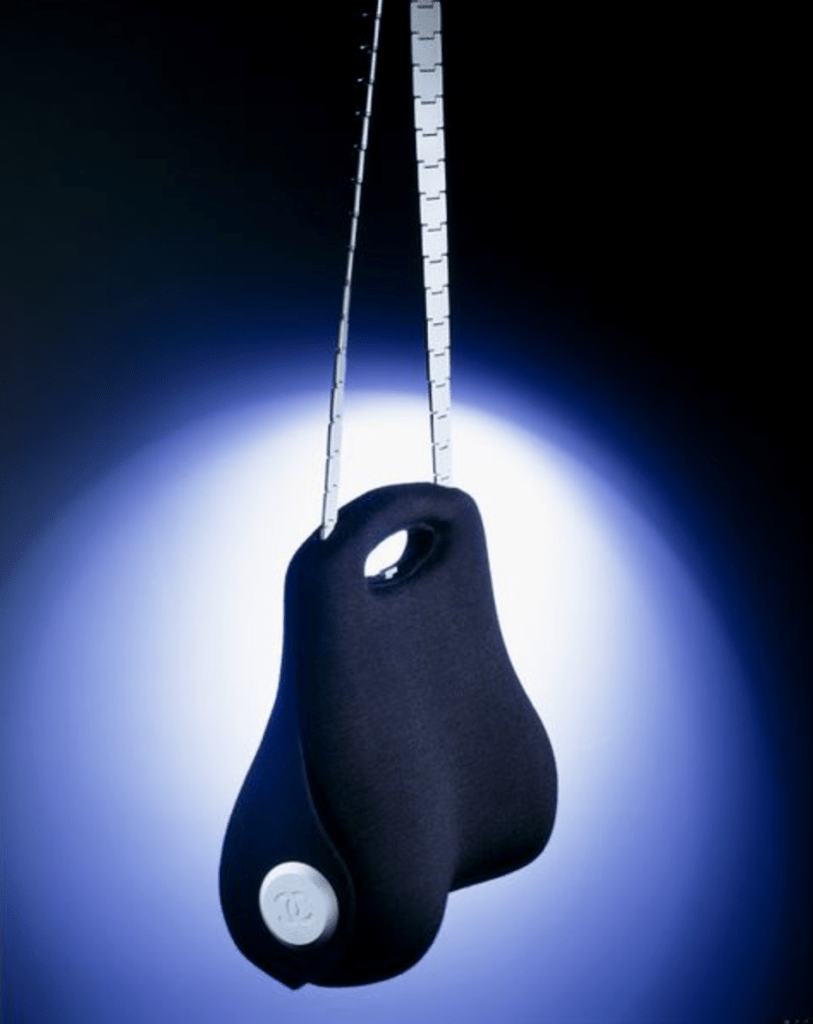
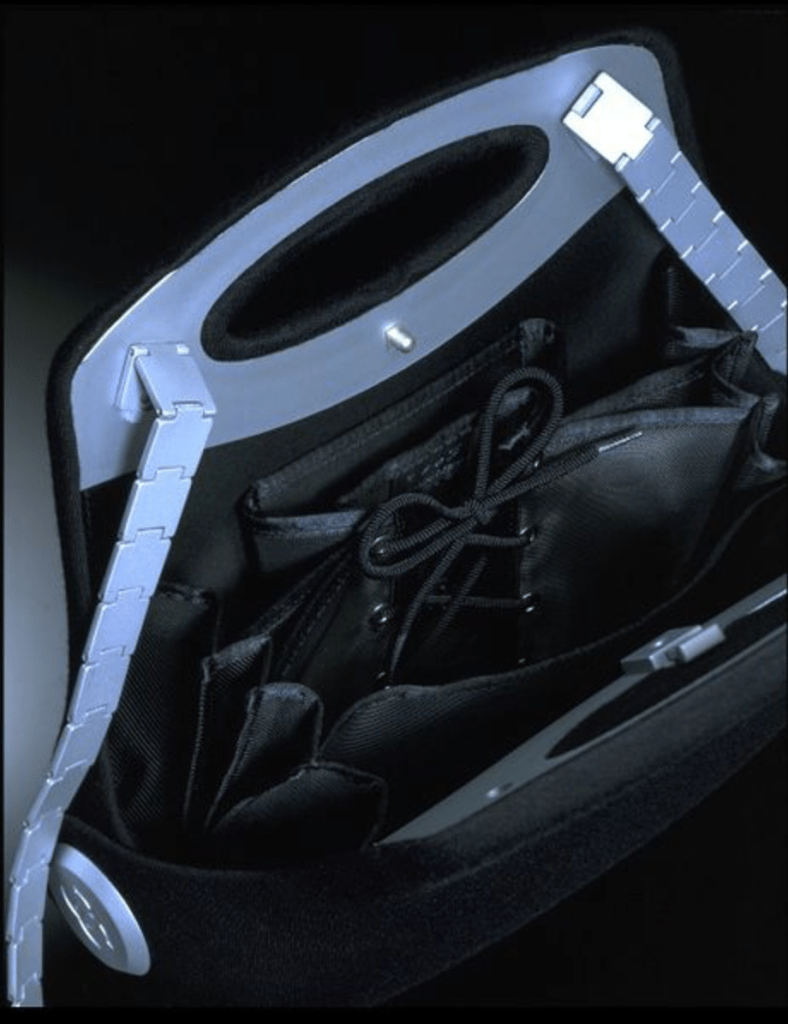
1998 Handbag designed by Karl Lagerfeld for Chanel.
On display in room 40 at the V&A.
“In 1998, Chanel released Karl Lagerfield’s ‘2005’ handbag, the descendant of the 2.55 created by Gabrielle Chanel in 1955 and still influential half a century on. Using the latest technology, its rigid lightweight polyethylene shell is clothed by hand over an aluminium frame in tight black jersey, tweed or leather. Formed to sit comfortably against the hips, its shape also recalls the female body, while its interior is a fetishistic dream, with corset-style laced mobile phone holder, zips and pockets.”
What peaked my interest in this piece is the corset-inspired lining (because I make a lot of corsets, and they interest me) and the odd shape.
I’m not sure how I feel about it being described as a, “fetishistic dream” though. I also think that saying the shape, “recalls the female body” is somewhat problematic because it assumes that all females have curvy figures. Also, the connection between the female body and fetishism is prevalent in this piece, which is troublesome to me, as female bodies are constantly being objectified. I need to see this piece in person and marinate in my thoughts a bit more, but it is an interesting conversation piece.
V&A Pre-Research Part 1: Jo Spence
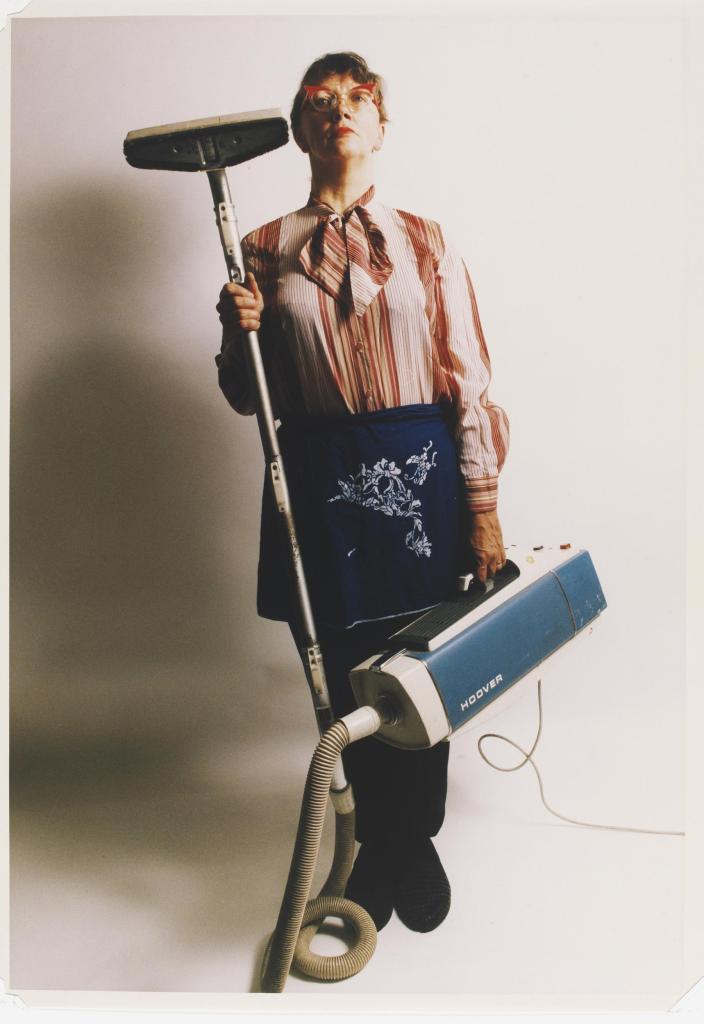
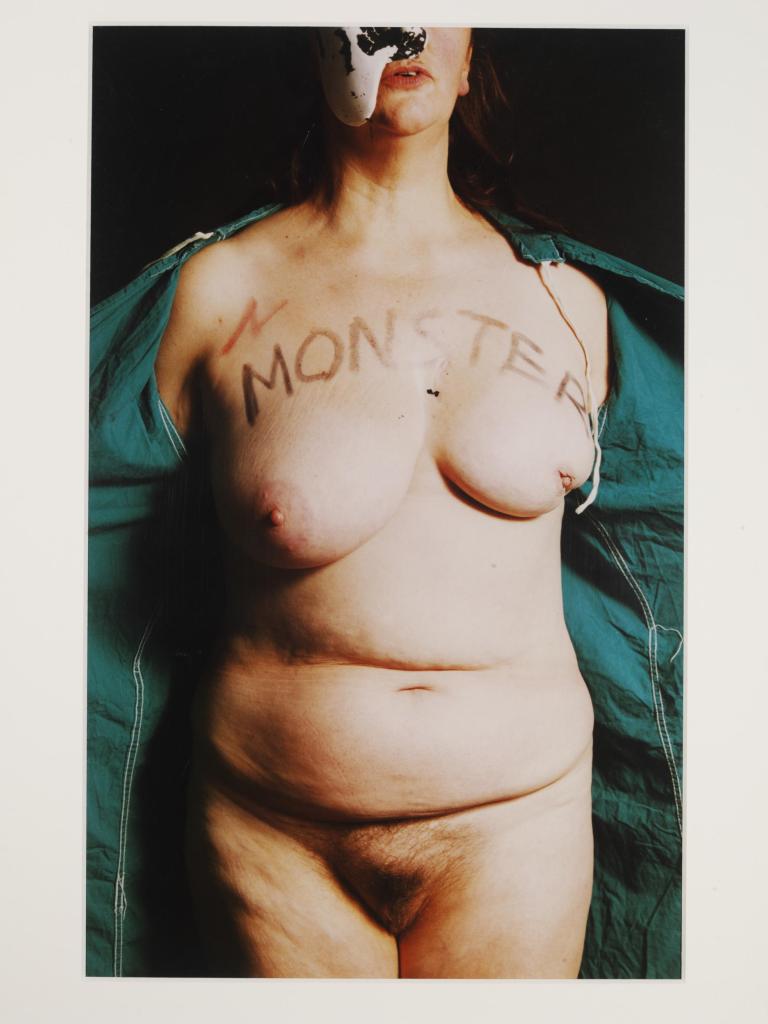
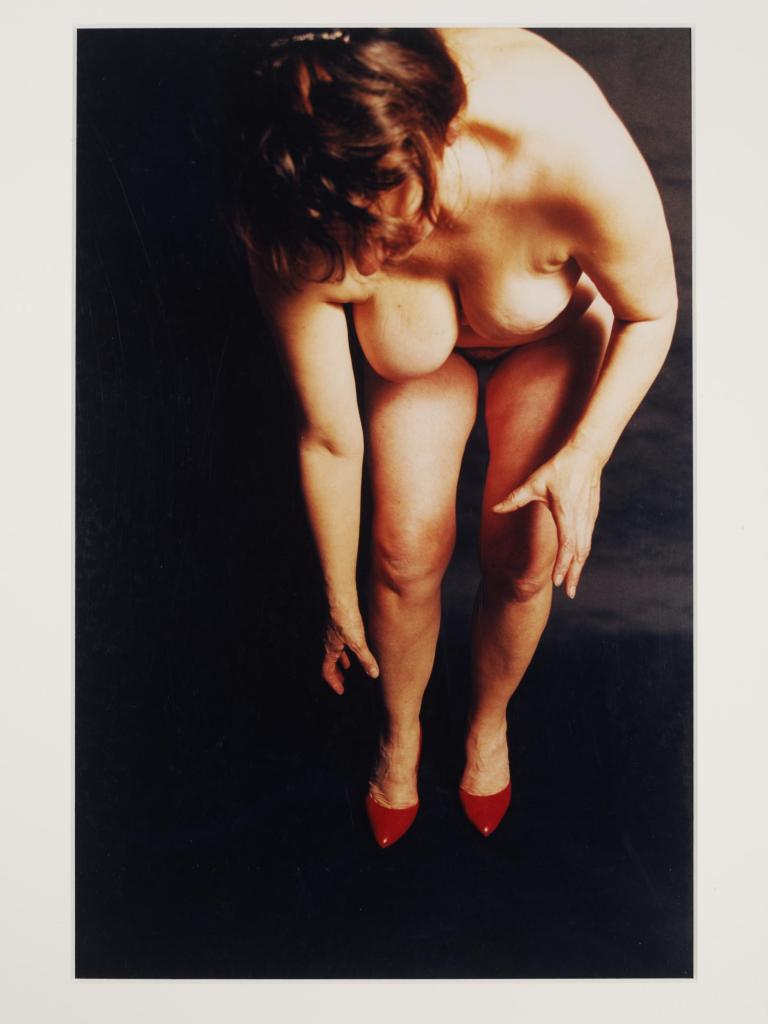
Jo Spence is a female, feminist artist who was diagnosed with breast cancer in 1982.
She made a series of self-portraits documenting her battle with the disease until she passed from leukemia a decade later. The photographs expressed her physical and emotional state. Her doctor and collaborator Tim Sheard explained, ‘Spence is representing the honest emotions felt living in an unruly body that cannot conform to the pressures of female perfection expected and idealised in Western society.’
Working with artist and psychoanalyst Rosy Martin, Spence developed a co-counselling practice they called ‘Phototherapy’, which aimed to resolve emotional issues, anxieties or past traumatic experiences through role play and photographic portraiture.
The Following Photos are from her collections, “Narratives of Dis-Ease” and “Libido Uprising“
I want to explore her work this week because I am interested in the human form and how it is or can be changed or altered. In the past I’ve also been quite interested in body altering techniques as well (corsetry/surgery).
Moreover, my mother suffered from breast cancer, and I saw first hand the psychological effects that it can have on a woman’s relationship with her body. I’m interested in exploring these kind of mind/body relationships
Locations: Prints & Drawings Study Room

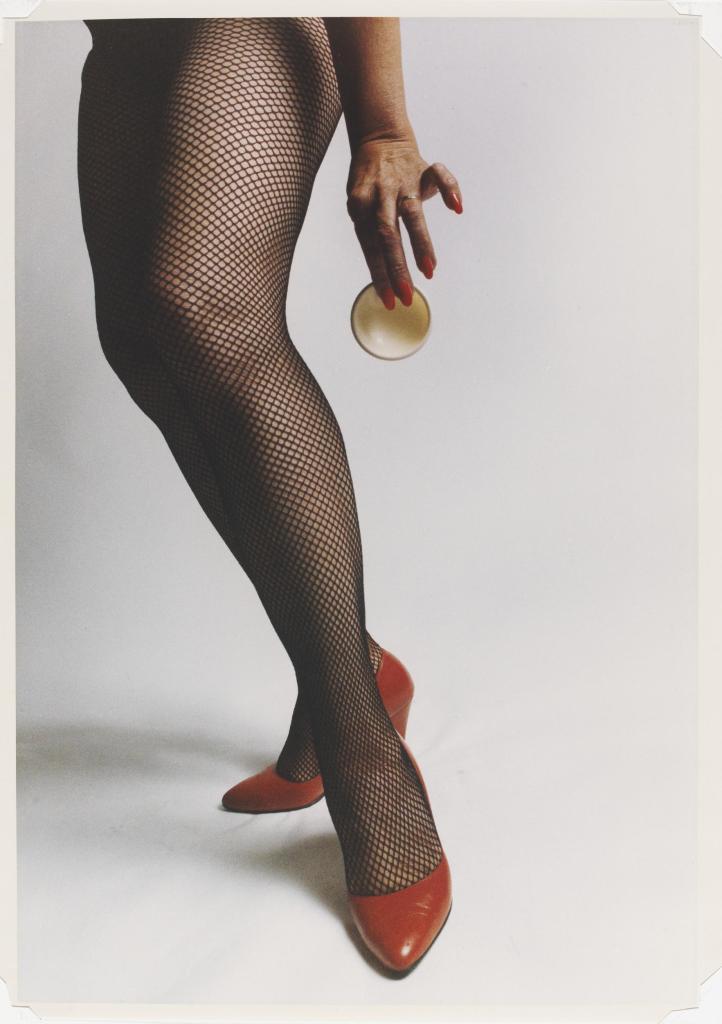
Final Presentation Slides//Video
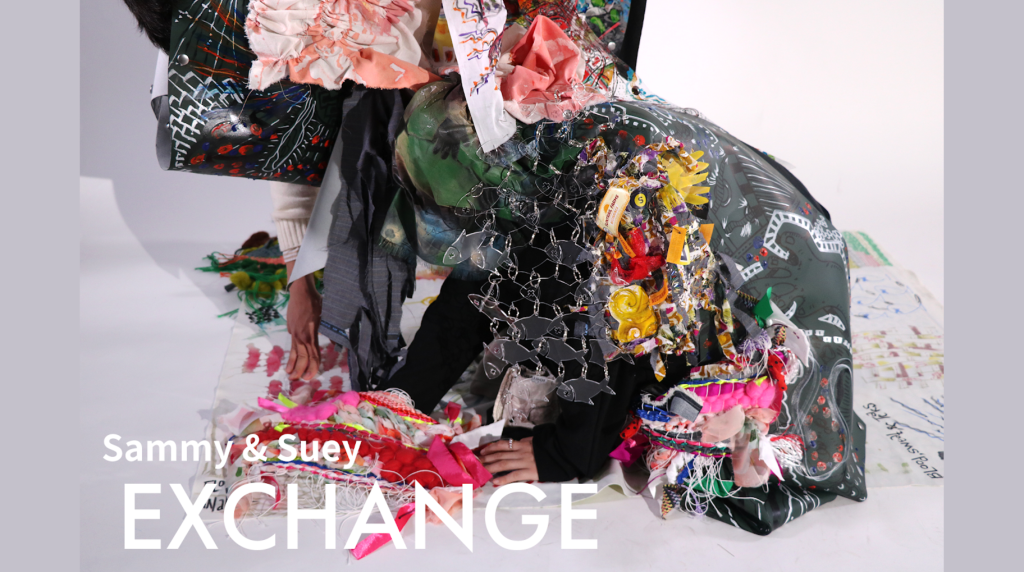
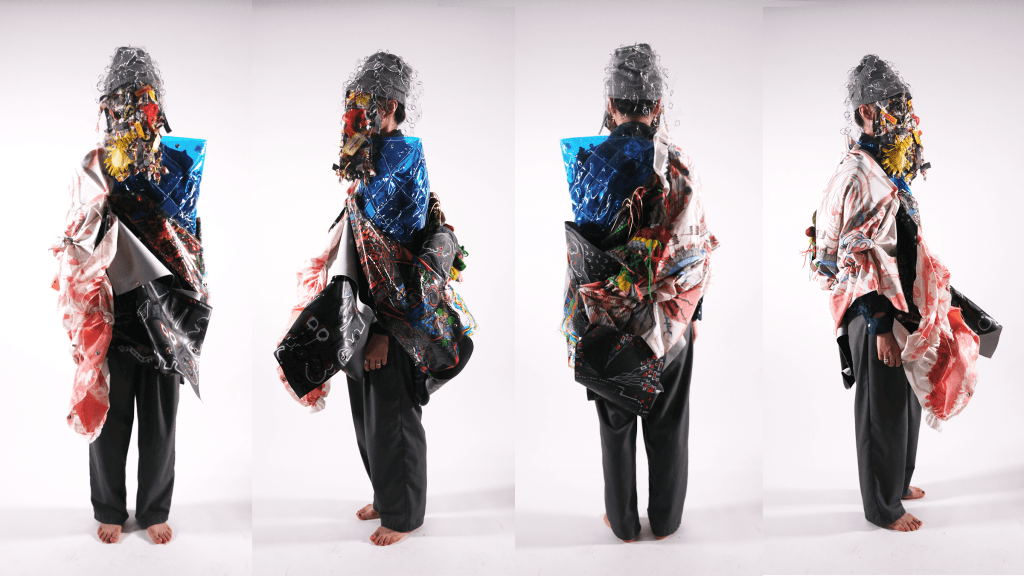
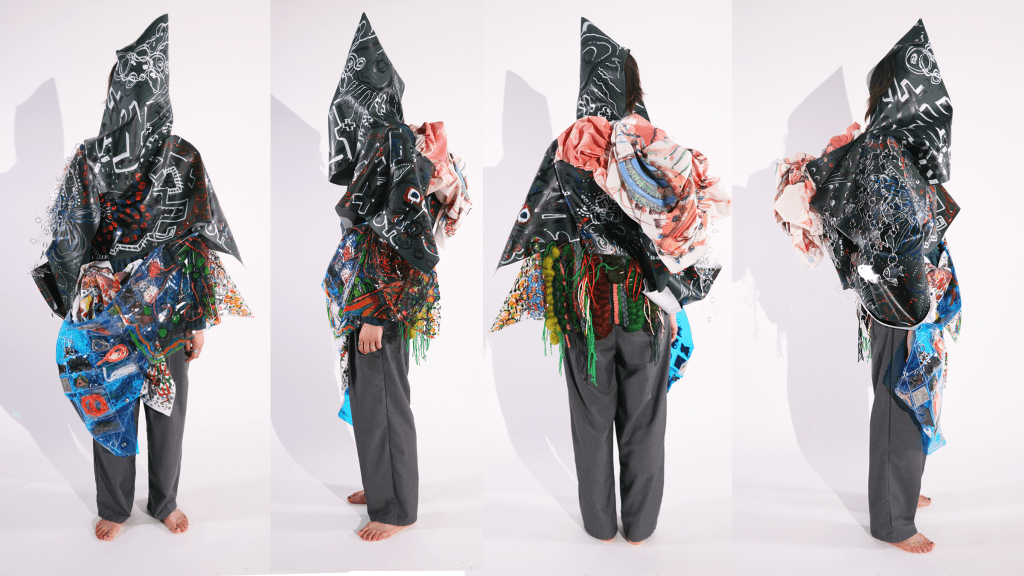

Hussein Chalayan: Transformable Garments
“One thought can lead to three forms of expression”
Hussein Chalayan
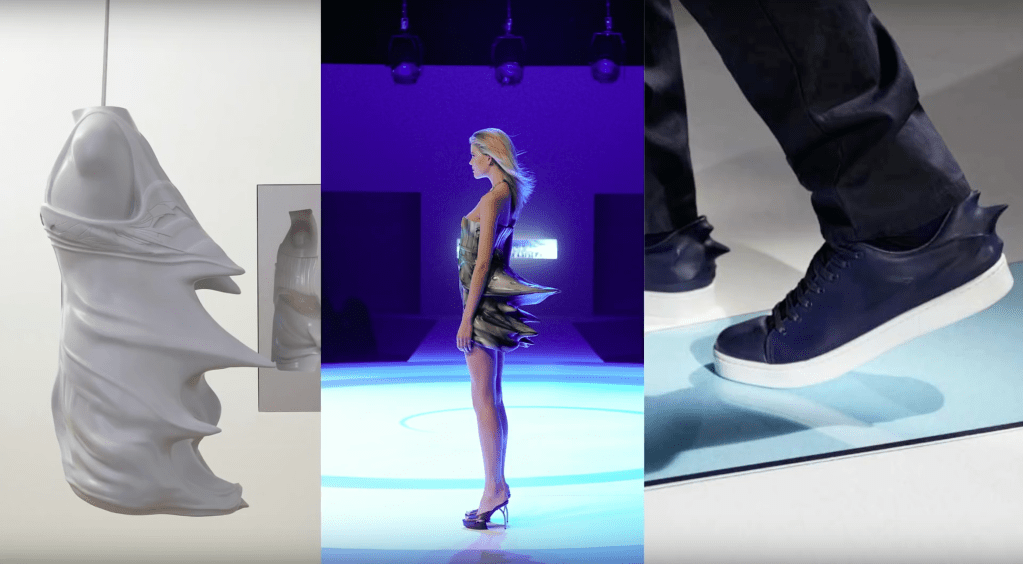
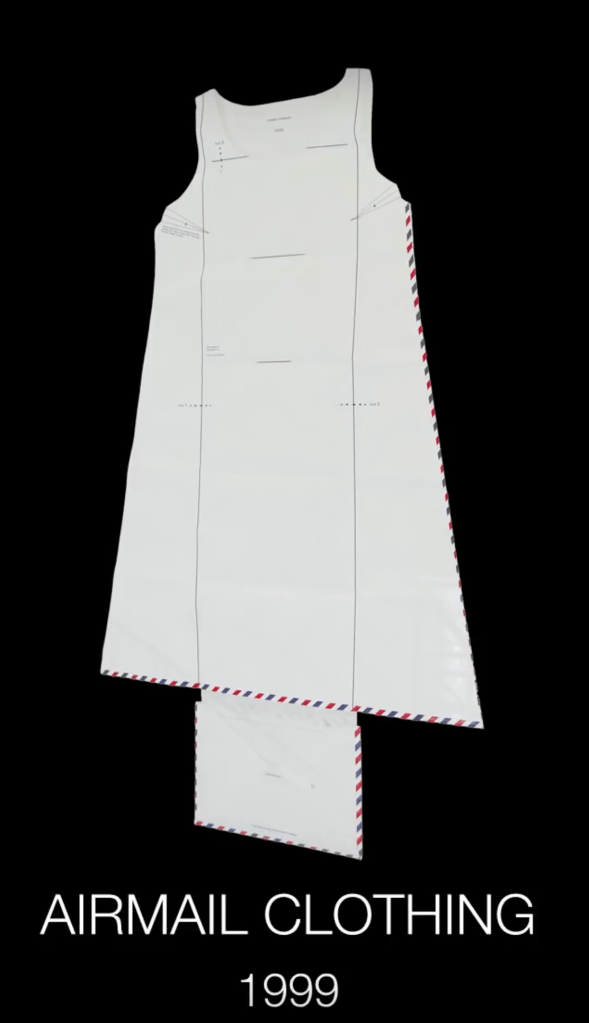
I’m interested in other ways to explore transformable garments, and Chalayan is definitely a designer familiar with this concept. He has furniture that turns into garments, garments that melt in water, paper garments, and even transformable garments.
I’m so inspired by his work and how he abstracts everyday ideas into something so beautiful. His main concepts are:
- seperation
- value
- displacement
- isolation
- speed
- disembodiment
- hybrids
- transformation
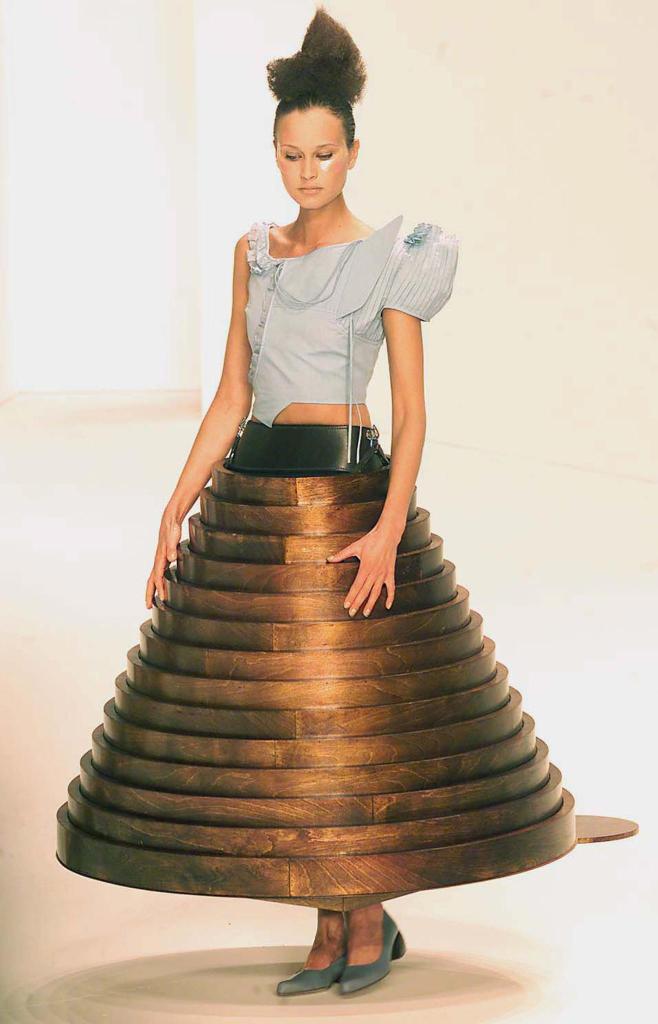
2000 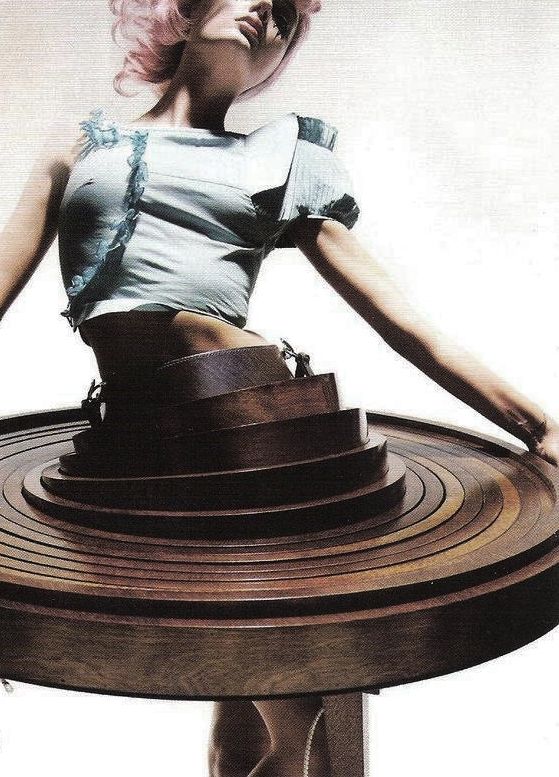
How to efficiently take your belongings with you
 Samantha's RCA Process