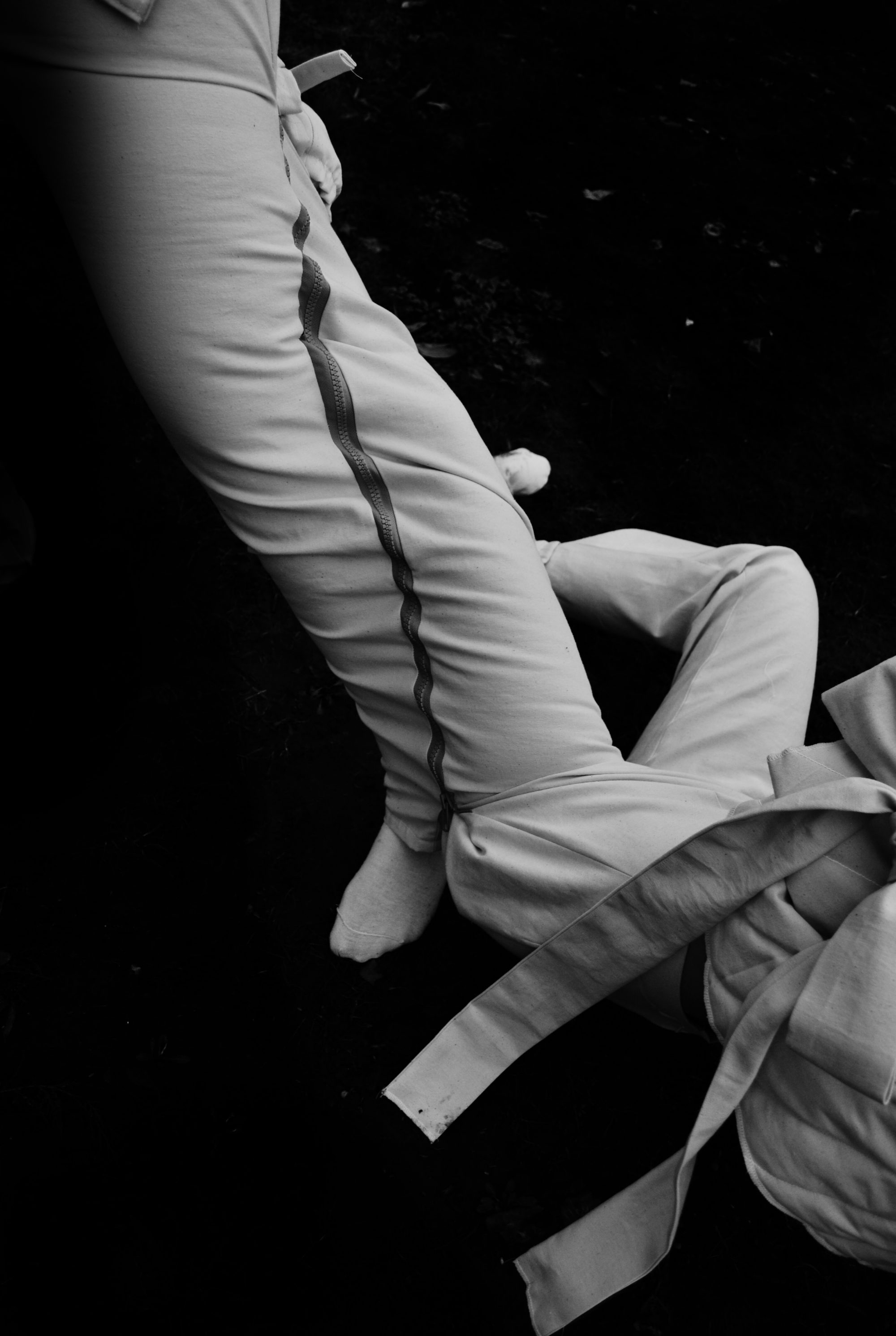
Quotations from FETISH: FASHION, SEX, AND POWER by Valerie Steele (Chapter on Corsetry)

“I am neither for nor against any particular item of clothing- and I am cognizant of the fact that sartorial enthusiasm can have a variety of meanings. (58)

sadomasochism- psychological tendency or sexual practice characterized by both sadism and masochism.

sadism- the tendency to derive pleasure, especially sexual gratification, from inflicting pain, suffering, or humiliation on others

masachism- the tendency to derive pleasure, especially sexual gratification, from one’s own pain or humiliation.

…”Pearl’s idol, Fakir Mustafar, a key figure in the world of body modification, has identified “three basic types of people” who wear corsets today. First there are what he calls the “corset nonconformists,” who want to “change the shape of the body… and realize some kind of aesthetic ideal.” (This is, presumably, the category in which he would place himself.) Second, there are the “corset identificationists,” who associate corsets with felinity and feminine undergarments.” They are not necessarily particularly interested in “sculpting the body” (i.e. tight lacing), “but by wearing the corset they seemed to have a kind of gender transformation.” (He does not say so specifically, but many transvestites fall into this category.) Third are the “corset masochists,” who tight-lace “to create erotic discomfort.” Considerable overlap exists among these categories, and some people do not fit neatly into any one category. There are also, of course, the followers of fashion— fewer today than in the nineteenth century, but not to be discounted.” (63)

Book Presents some interesting ideas about corsetry and its social aspects. I didn’t realize that there were so many niche aspects of corsetry (which is, itself, already a niche). Overall, this was a good read. Steele even does some myth busting when it comes to health, tight lacing, and feminism, which I think, was necessary.
Test # 2 on Suey

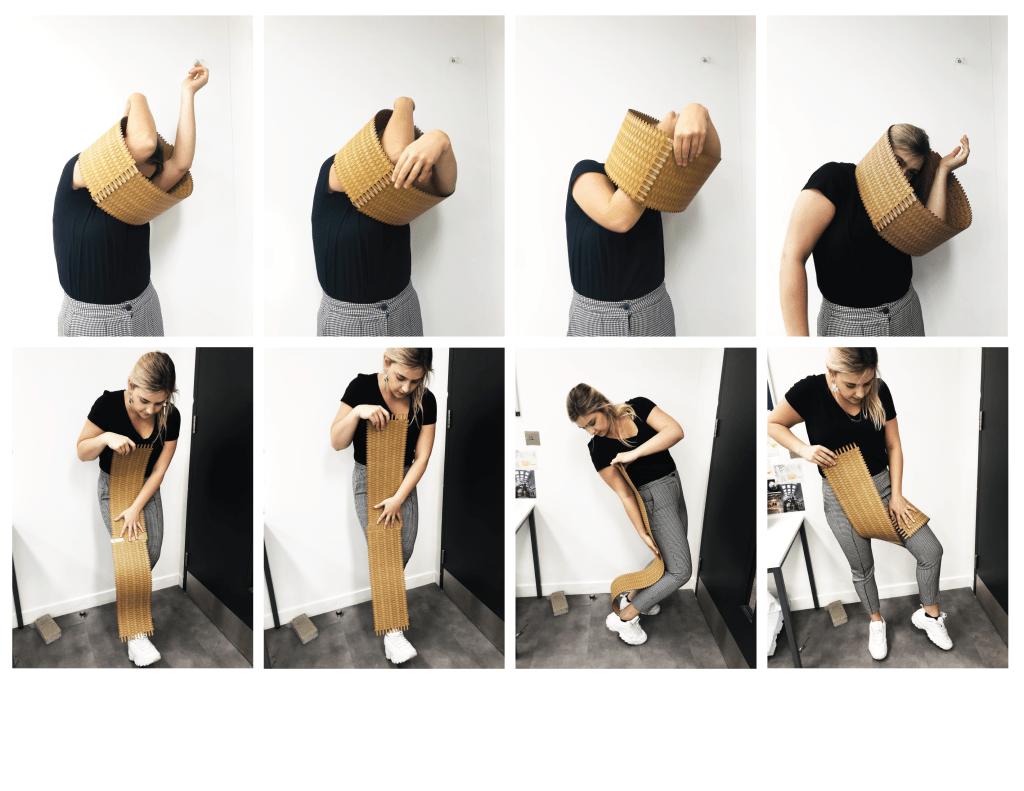
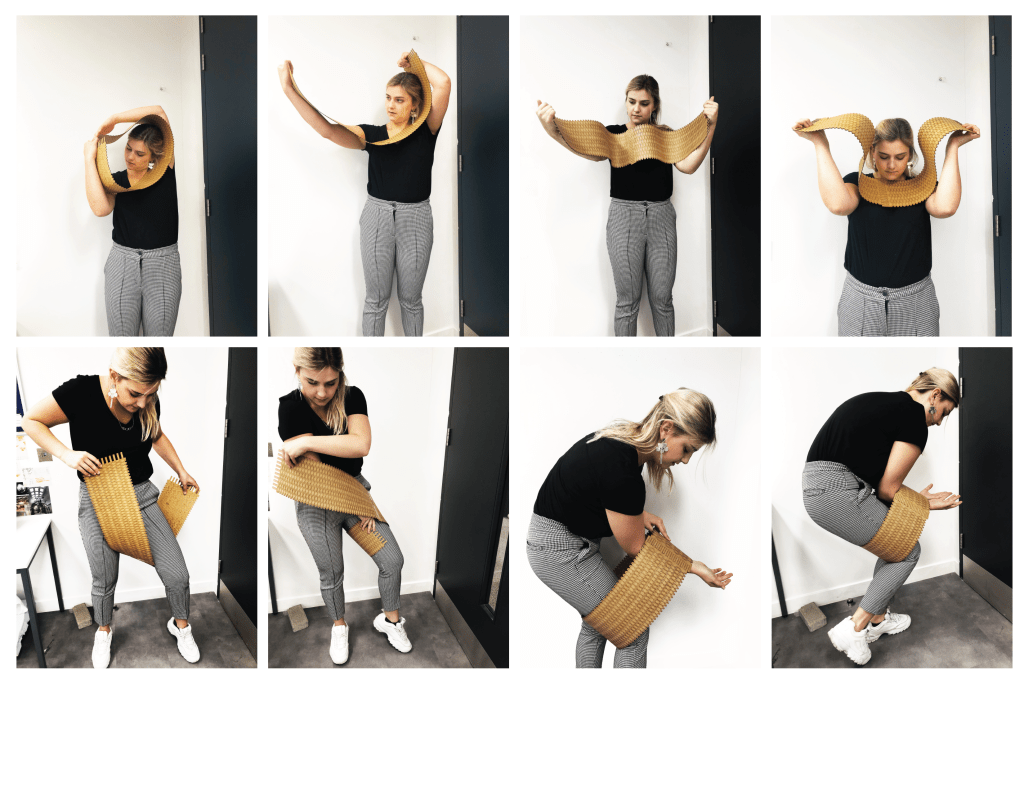
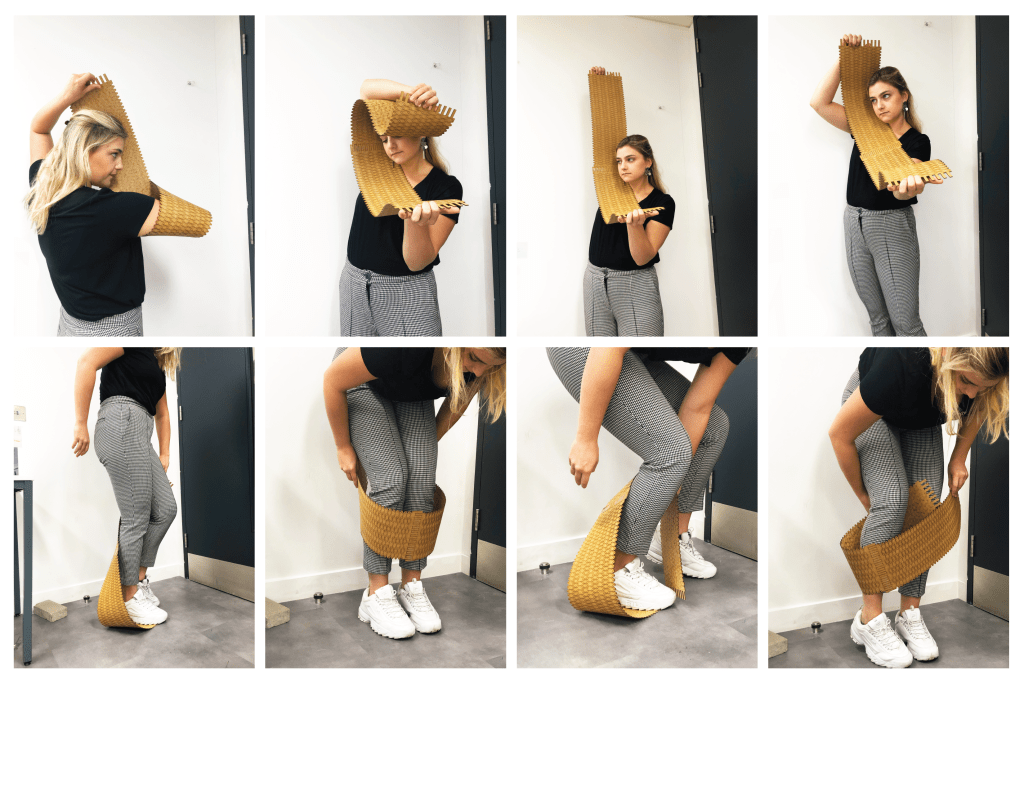
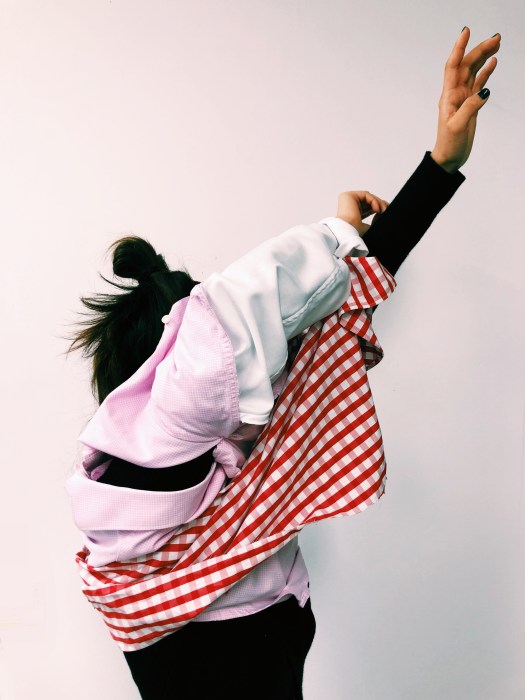
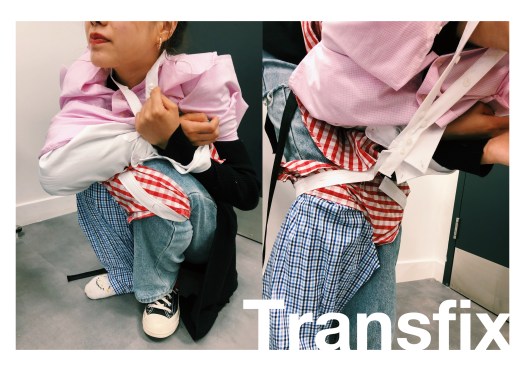
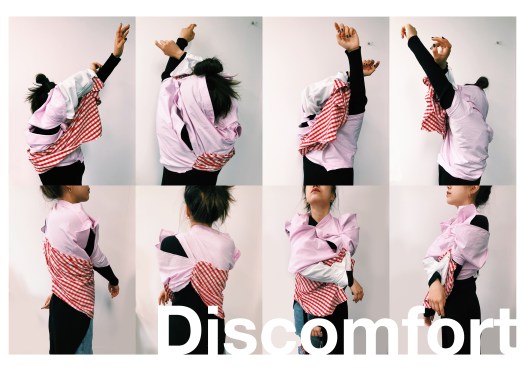
For this second test, using up-cycled mens shirts, I tried to create as much discomfort as I could. I also wanted to play with the idea of changing the positioning or stance of the body.
Again, this experiment plays with rearranging the limbs in non-conventional ways. I’m really interested in this idea but I’m a bit stumped on how to push it further and connect it with elements of time and/or permanence.

This afternoon I will be laser cutting the acrylic mirror. I then plain to stain the mirror and use strategic lighting to make beautiful patterns on the human body. I’m a bit nervous to execute this because the project would juxtapose itself. The body would be “glorified” but it would also highlight how the body can be reshaped or formed by fashion. I need to think about how I will capture the elements of time or permanence. This may be a moving image kind of thing//or an arrangement of many images together showing the passage of time. Perhaps I could photograph the final piece in natural/changing lighting as well (although London is not particularly sunny).

Progress Update + Thoughts

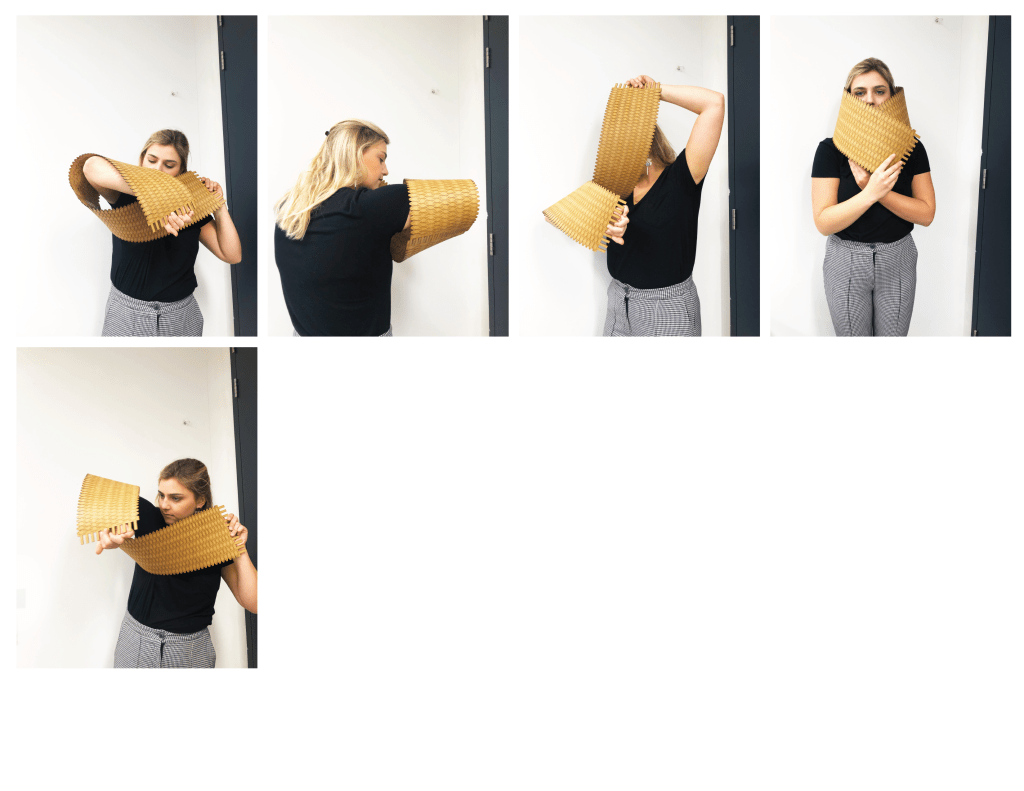
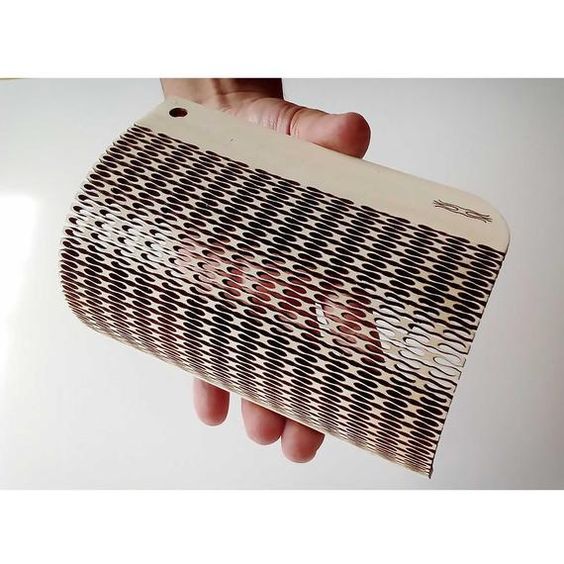
Today’s Experiment: I laser cut two living hinge DMC Boards and attached them together. I then experimented with placing it at various points on my body. The first one pictured below really captured by obsession with the illusion because it almost looks like my hand is cut off. I noted that if I do something like this in the future, I would need to consider both sides of the material used. Also, I need to consider scale and shape. IT may have been cool if the end of the board in my hand had increased in size and wrapped around my head or something.

In this following photo I feel like I captured the discomfort; shaping body effect- which I really liked. I definitely need to consider if I even want hinges though. I may just laser cut holes and attach with some kind of twine or something. it might be easier and offer more variety of the way I can attach my pieces.

Tim Walker + Thoughts

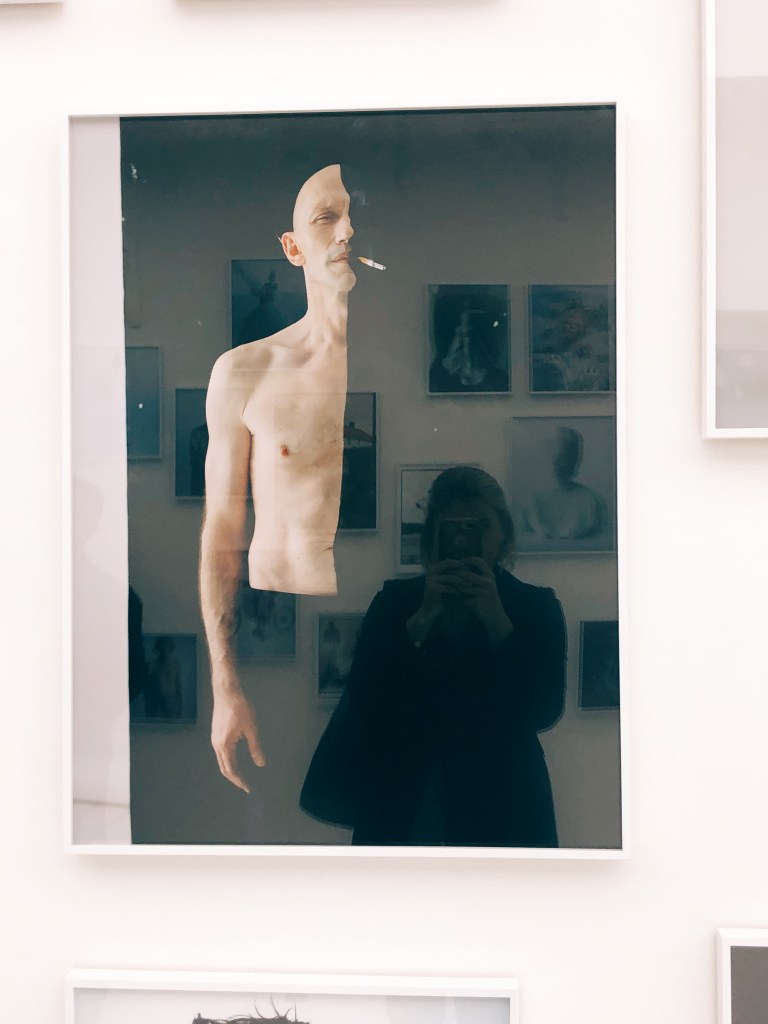
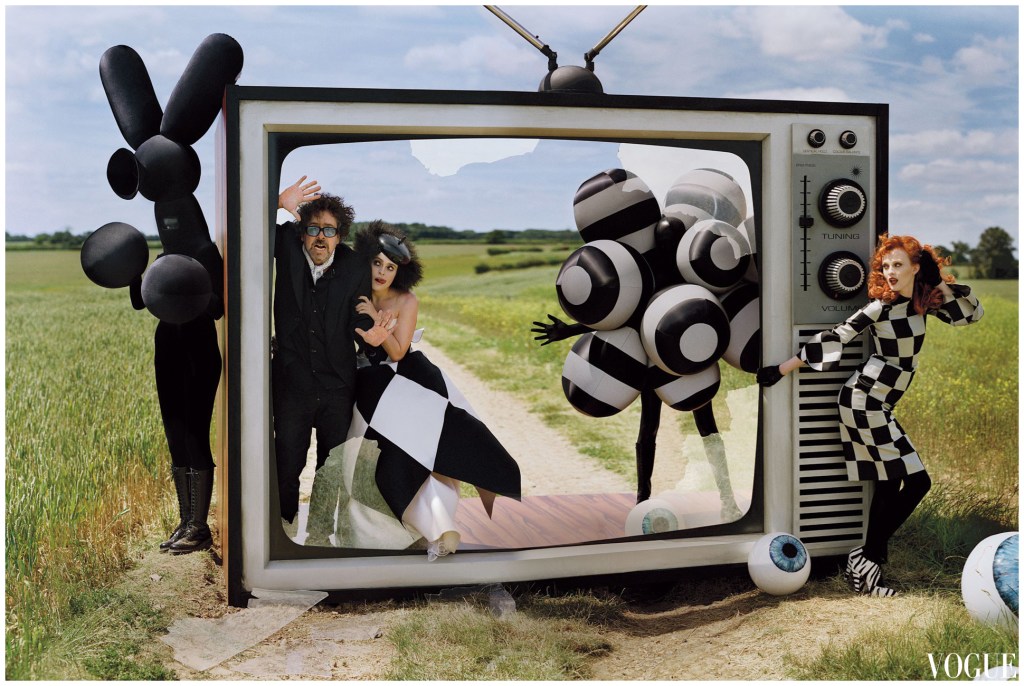
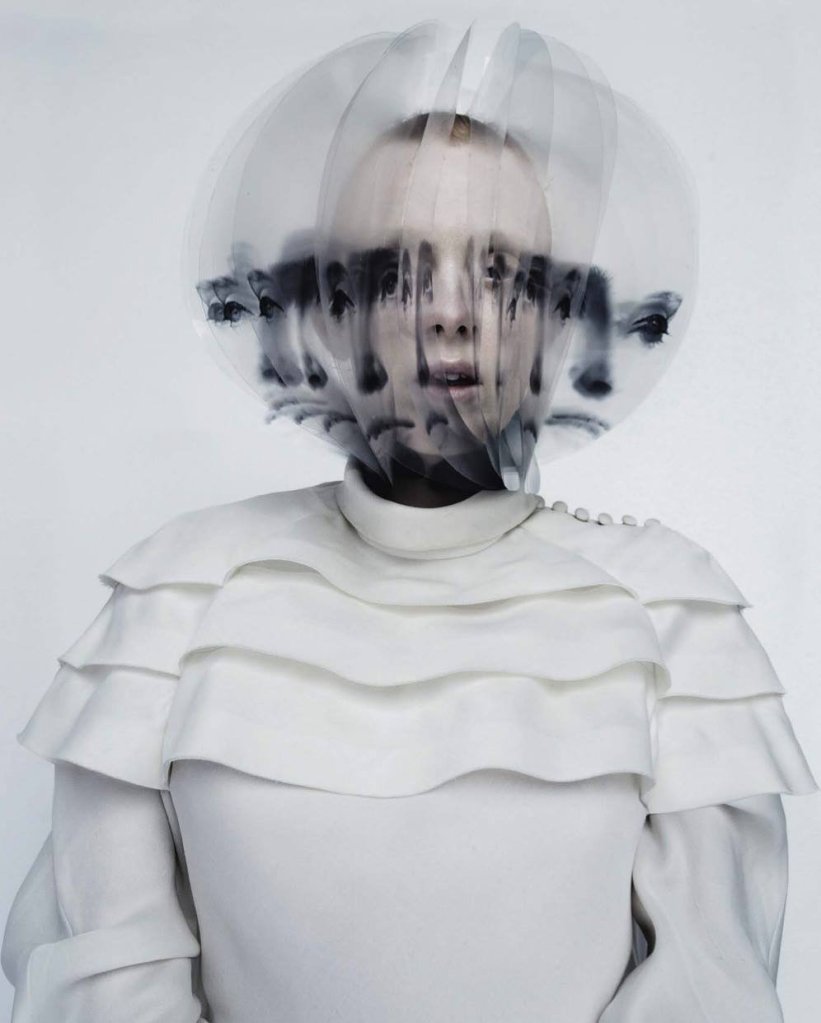
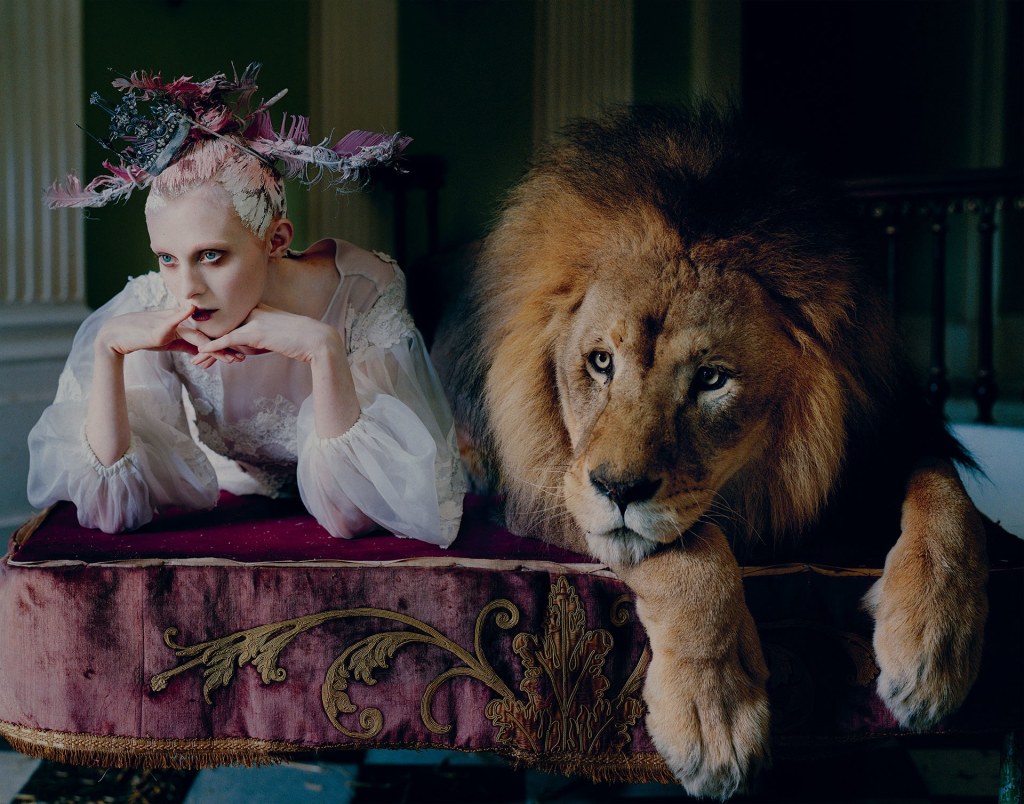
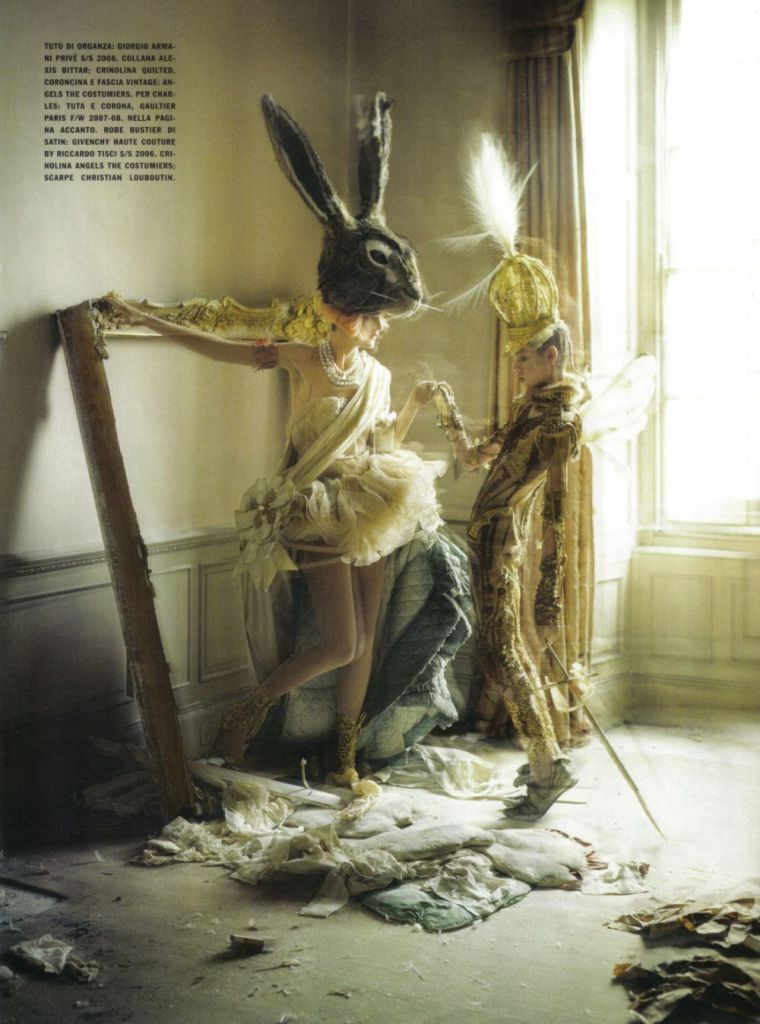
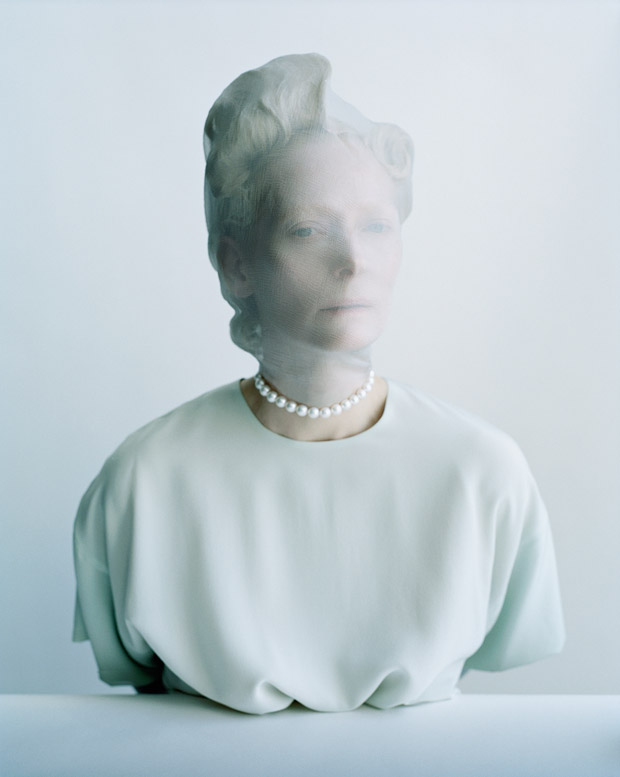
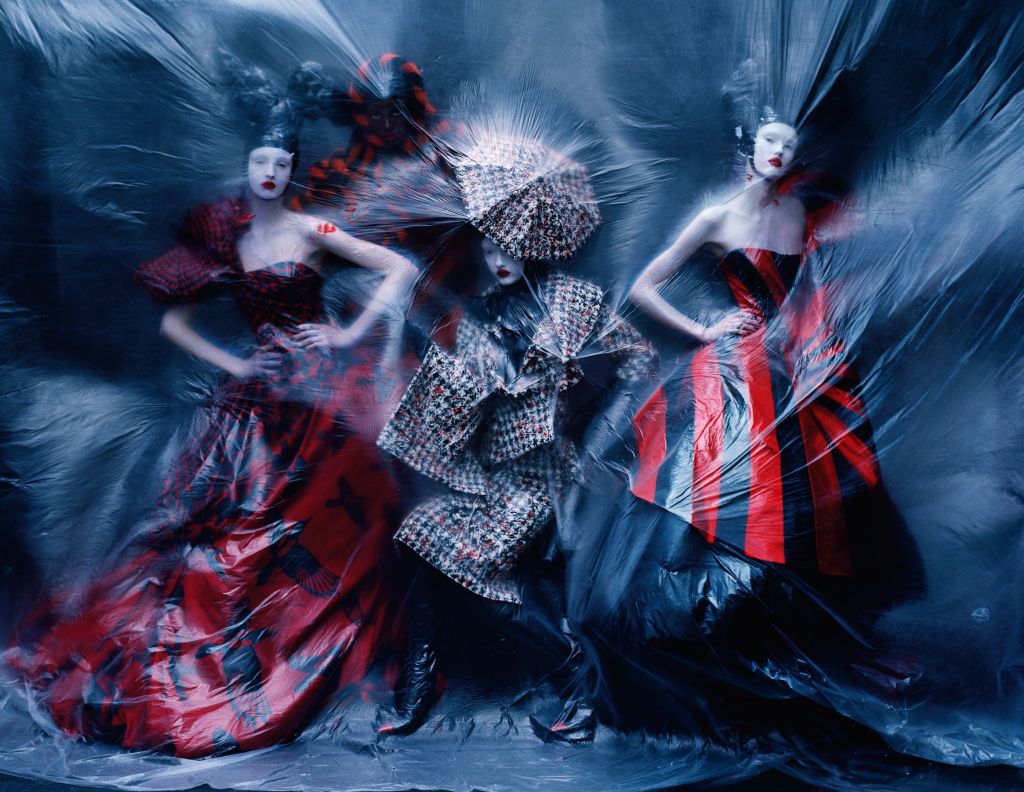
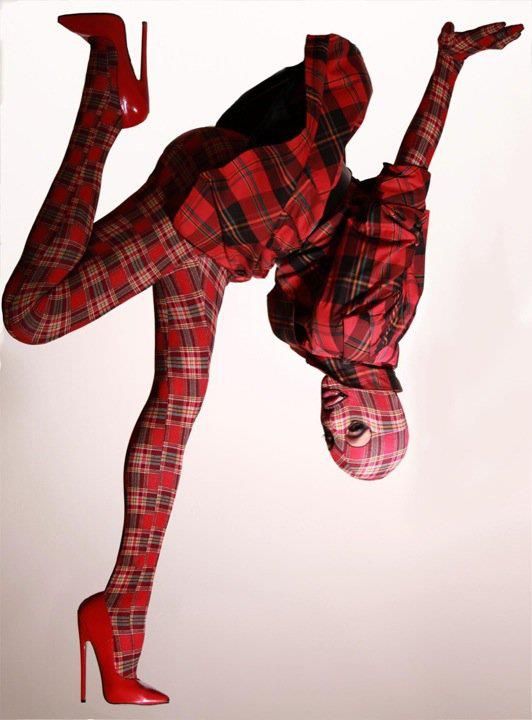
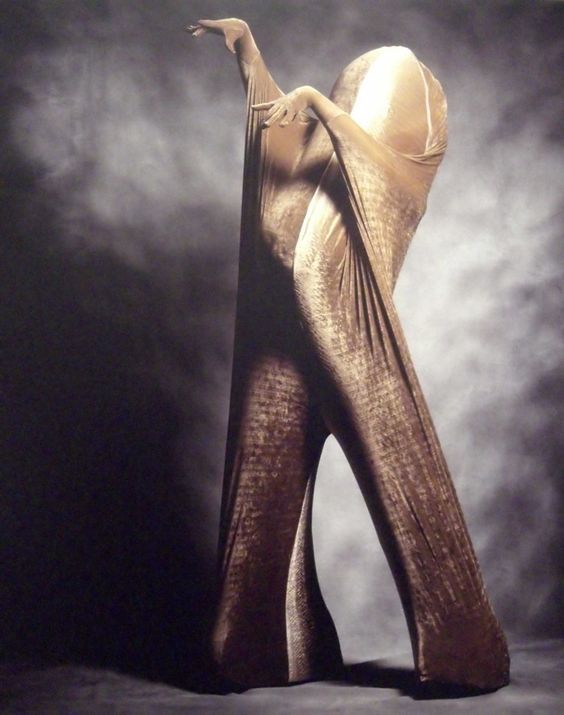
I absolutely loved the Tim Walker exhibit at the V&A. The way he abstracts such concrete items or ideas and takes them to a surrealist level is so lovely (and what I am striving to do in my work). I also loved his images that played with/distorted the human form. (see below)

Citation:

Tim Walker: Wonderful Things, V&A. 2019.

Tim Walker 2014- Photo of Alexander McQueen 2009 “The Horn of Plenty”

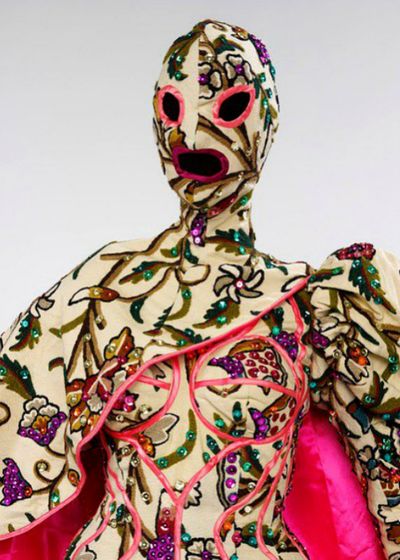
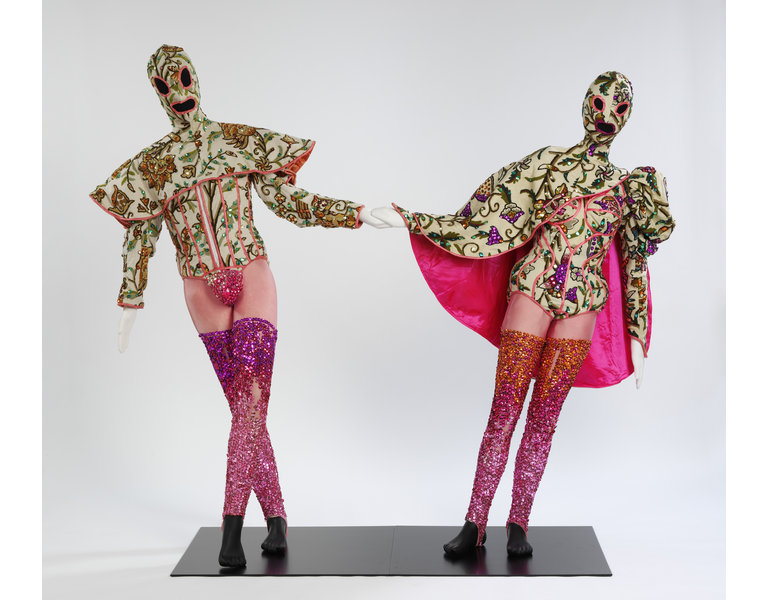
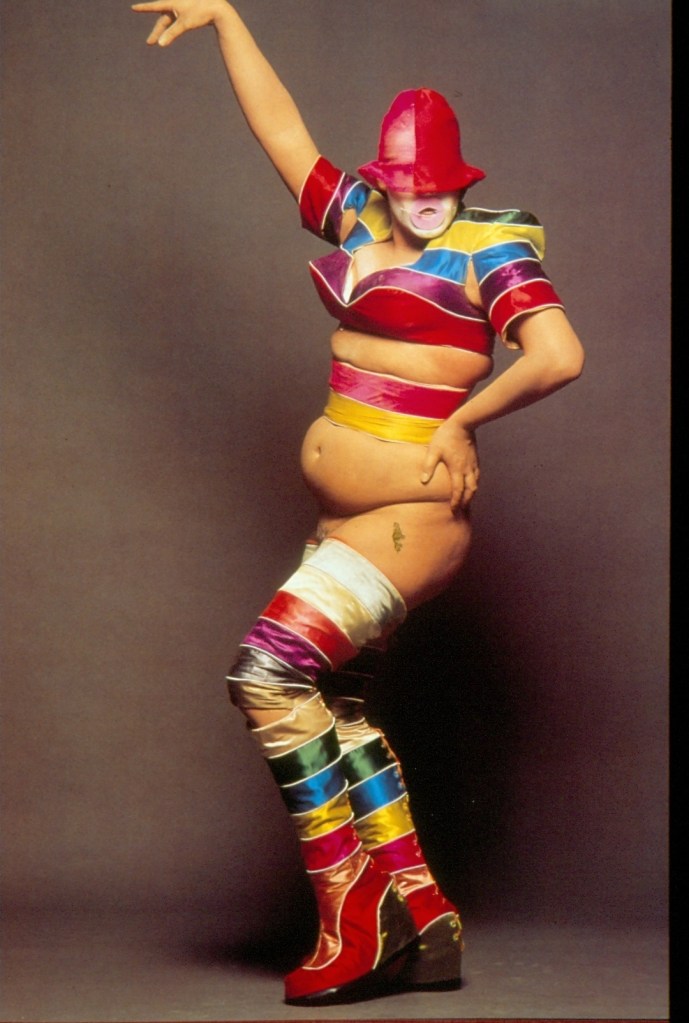
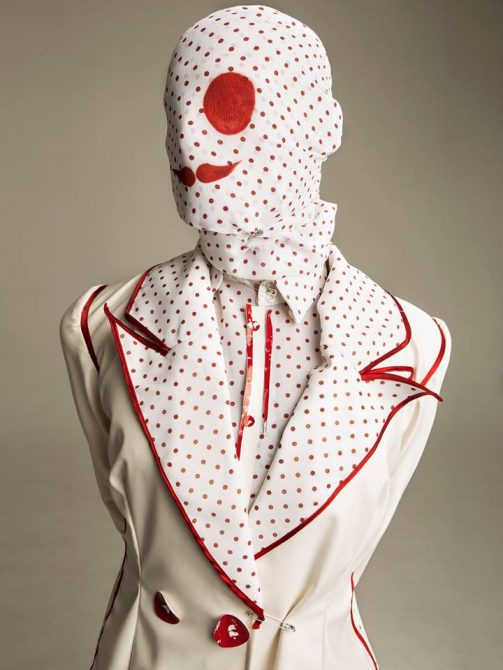
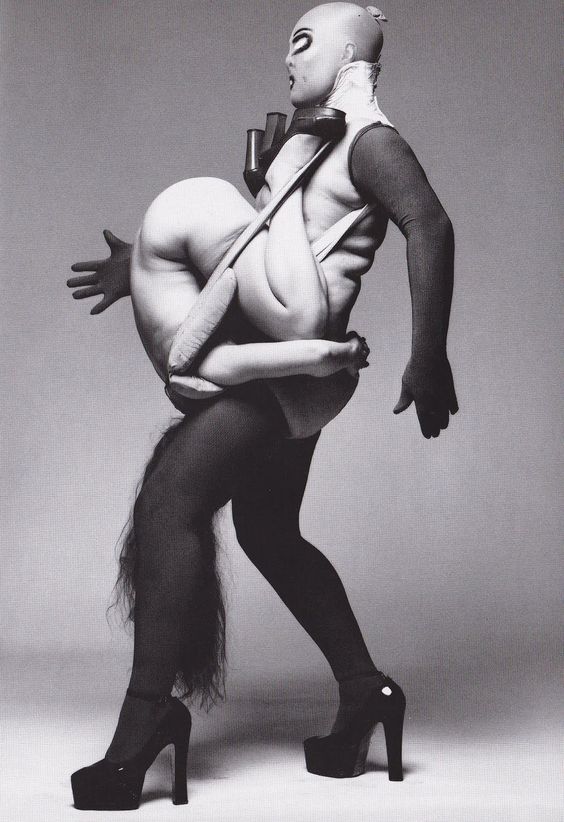
Leigh Bowery

Ian pointed me towards the work of Leigh Bowery I like how he takes the body and manipulates it in ways that are almost contradictory to what one might expect.

Bowery really engages the body in his pieces. I like his work and will keep it in mind.

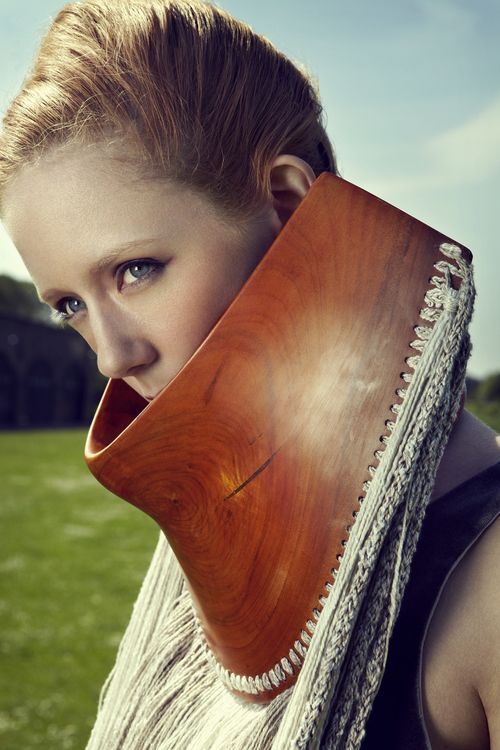
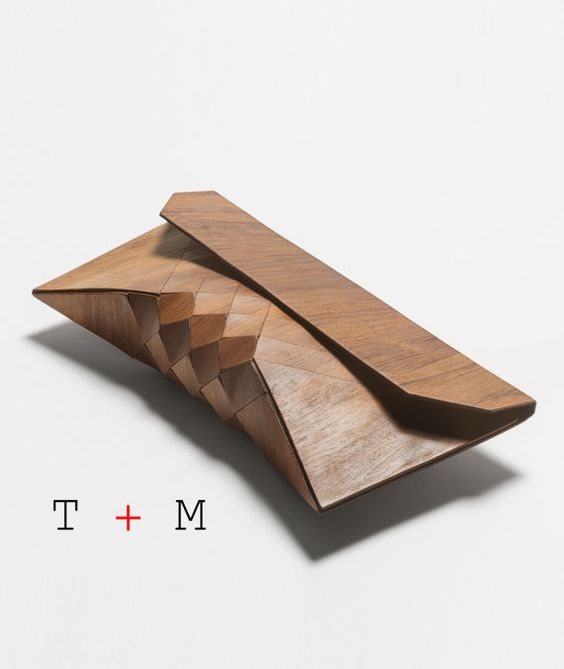
Inspiration: Wood/Living Hinges

Anna and Annie’s tutorial on materials was inspiring. I am especially interested in Living hinges. I would love for this whole project to be more focused on sustainability, as this is something I am interested in.

Some important emerging themes in my research of my artifacts are the elements of permanence, time, and mortality. I was thinking it may be interesting to contrast the more sturdy wood with paper, or something equally as delicate?

However, I am struggling with how to illustrate the idea that fashion forms the body.

I think this will be a more relevant question when I have more materials to work with. This week I am going to dedicate to testing the living hinges and hopefully I’ll have enough to work with. Then Maybe I’ll experiment with paper as well.

Artifact Sketchbook

In an effort to elevate my process and thinking, I have decided to use a whole new sketchbook for this project. I’m hoping to fill a large portion of the book with process work, and I want to create entries as often as I blog.

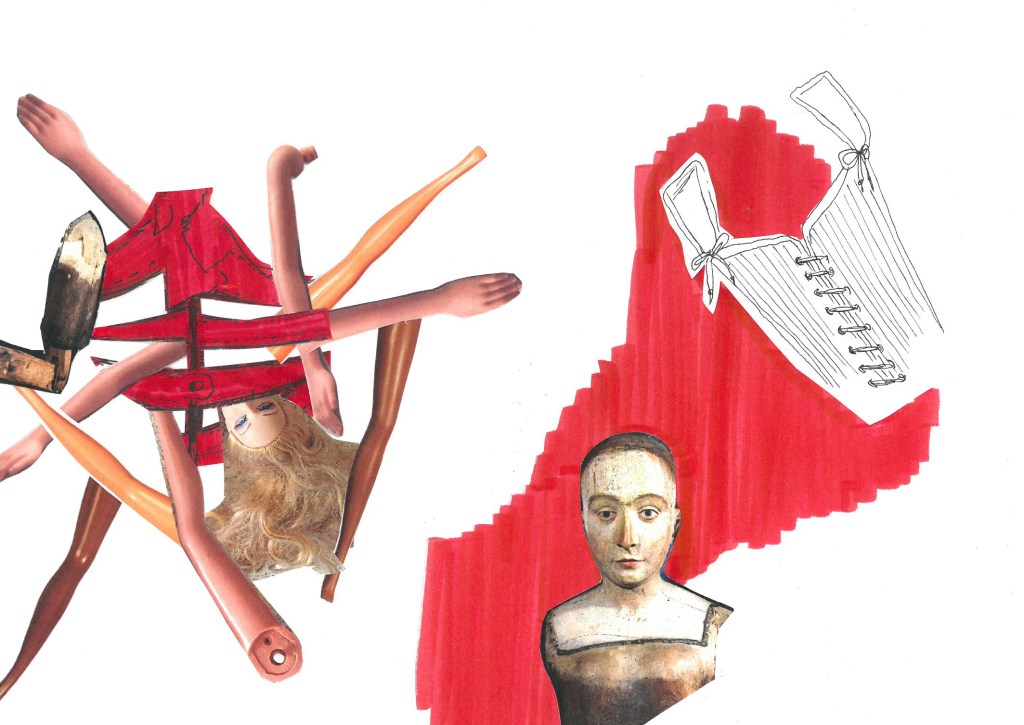
Here are my first two pages with collages.

Visit to Westminster: The Queen’s Diamond Jubilee Galleries

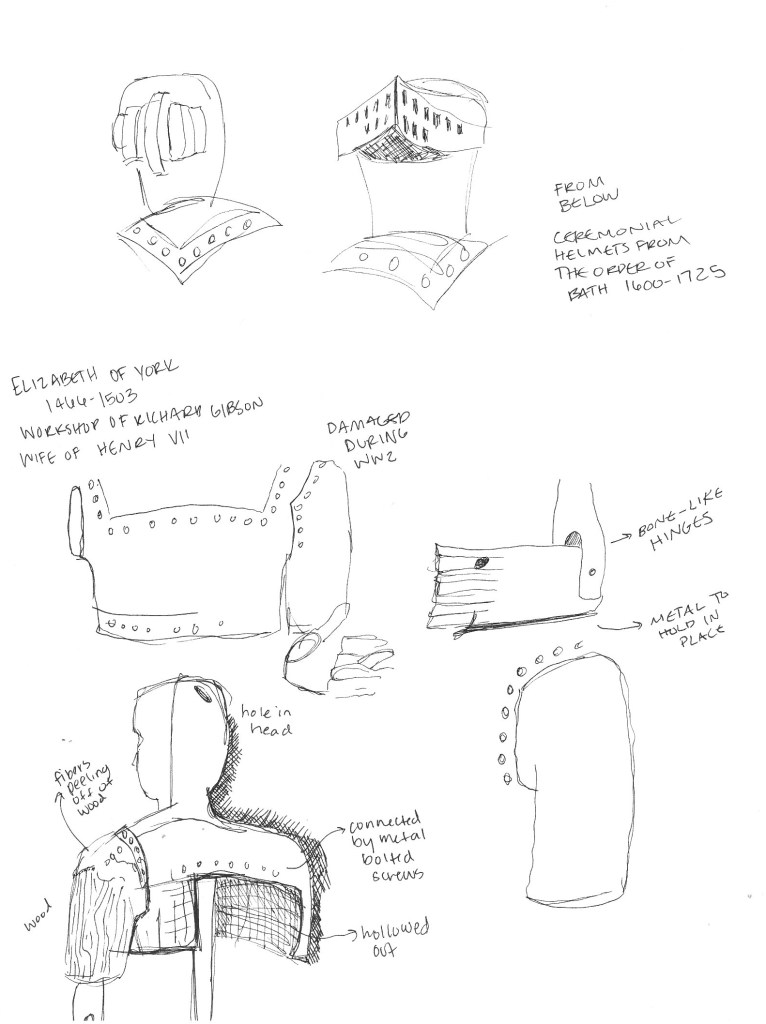
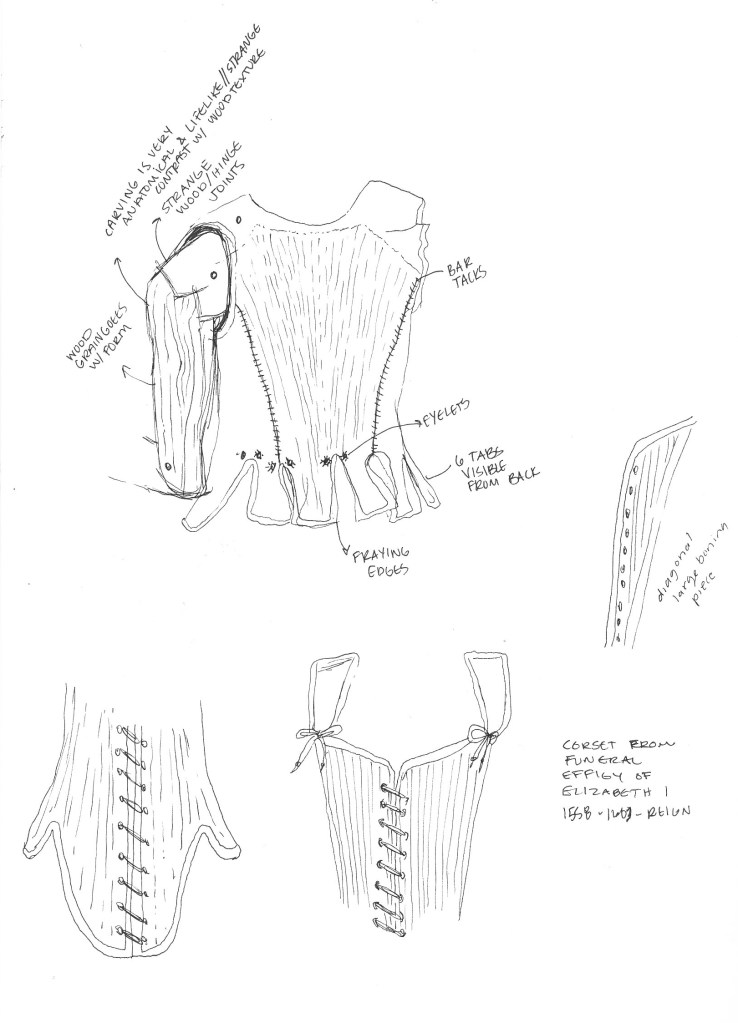
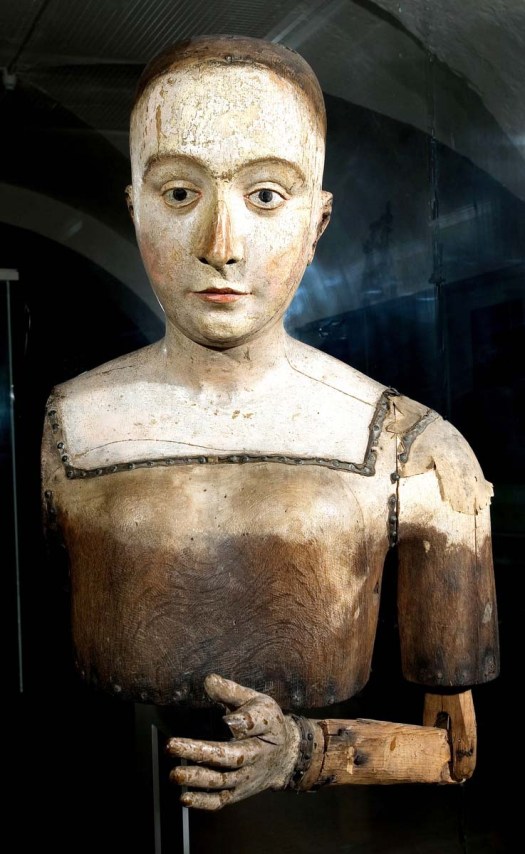
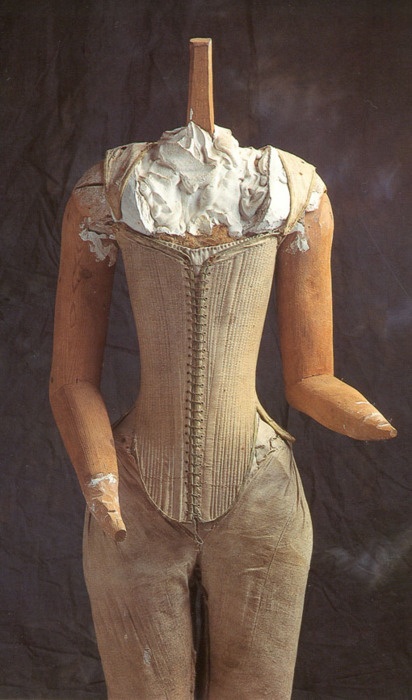
This weekend I went to the Jubilee Gallery at Westminster Abbey. I went there with the intention of seeing the royal effigies. I also really wanted to see Queen Elizabeth’s effigy corset.

I was intrigued by the hinges on the joints of the wooden effigies. I also was impressed how the woodgrain was used so eloquently to match the contours of the body.

I’m planning to make some collages tomorrow to assess my artifacts.

Good Words: Surrogate

noun:

a person appointed to act for another; deputy.

verb:

to put into the place of another as a successor, substitute, or deputy; substitute for another; to subrogate.

synonyms: substitute, proxy, replacement; deputy, representative, stand-in, standby, stopgap, relief, pinch-hitter, understudy.

Debriefing

I plan to make collages which explore these themes (and any new themes I discover along the way:

  1. Moreover, when these articles are removed from the person wearing them, they look, like carcasses, like bodies foreign to the body they dressed. Without a body, the agarment has no reason to exist; it is merely a lifeless mass of fabric, a soulless hide. In short, fashion makes the body; the garment is a tool of bodily modification. (turn this on its head; body makes fashion)
  2. surrogates; permanence; living on through objects; the death of the body; memorialization
  3. Opposite of a corset???
Design a site like this with WordPress.com
Get started