Research Images for Publication

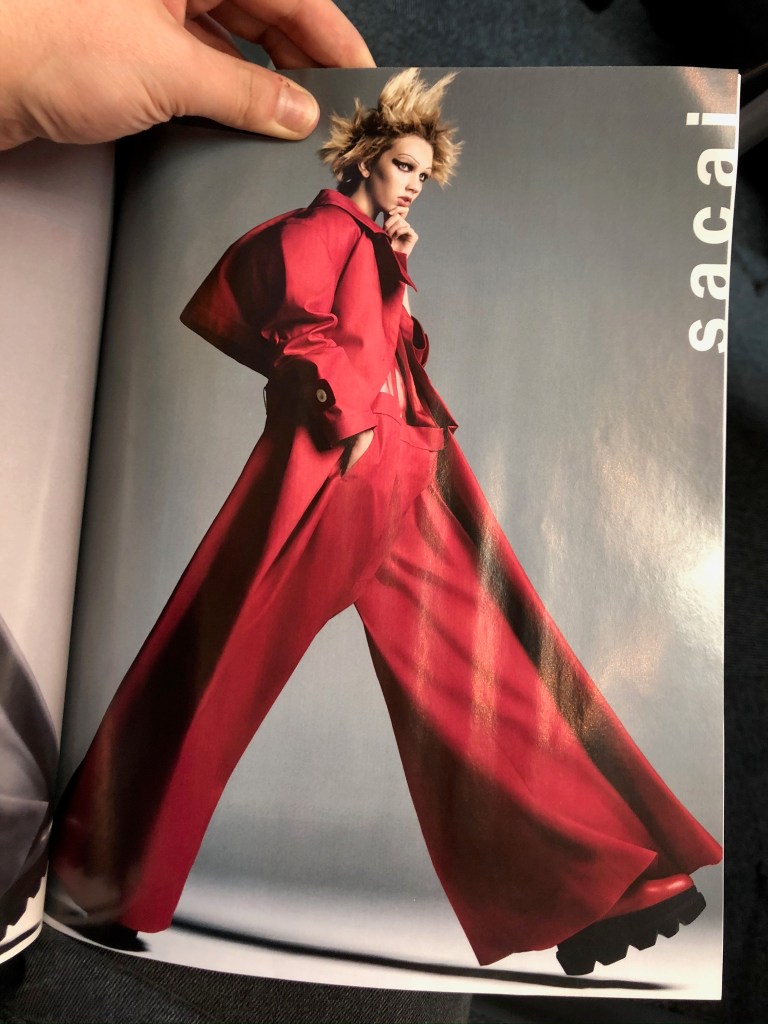
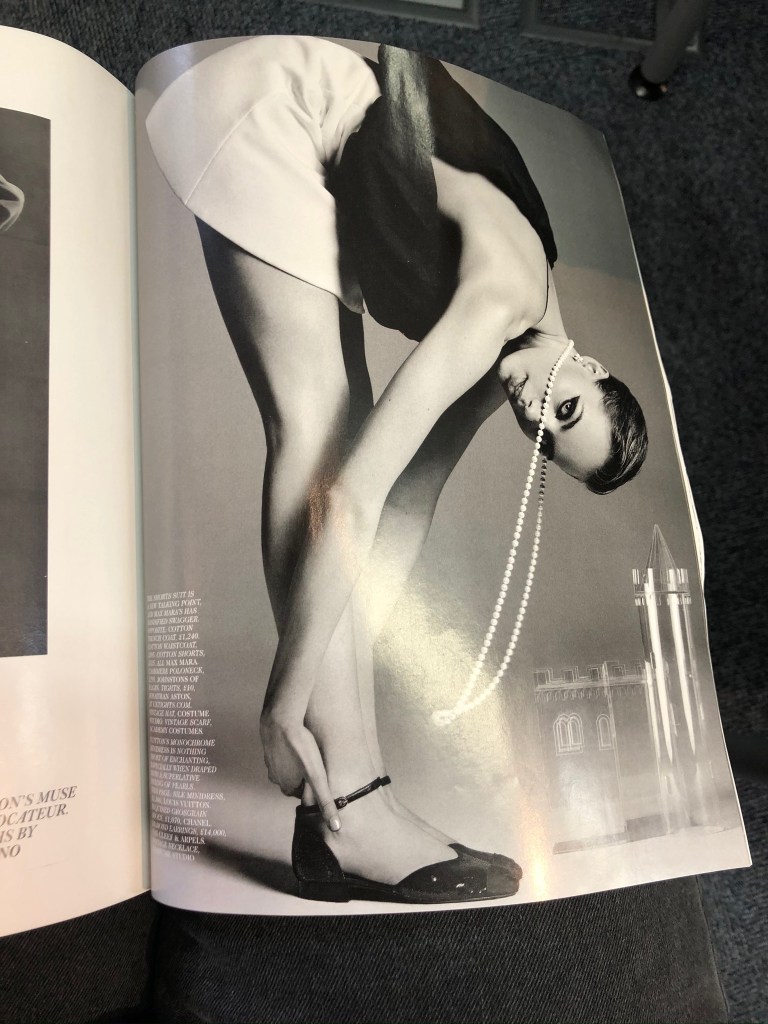
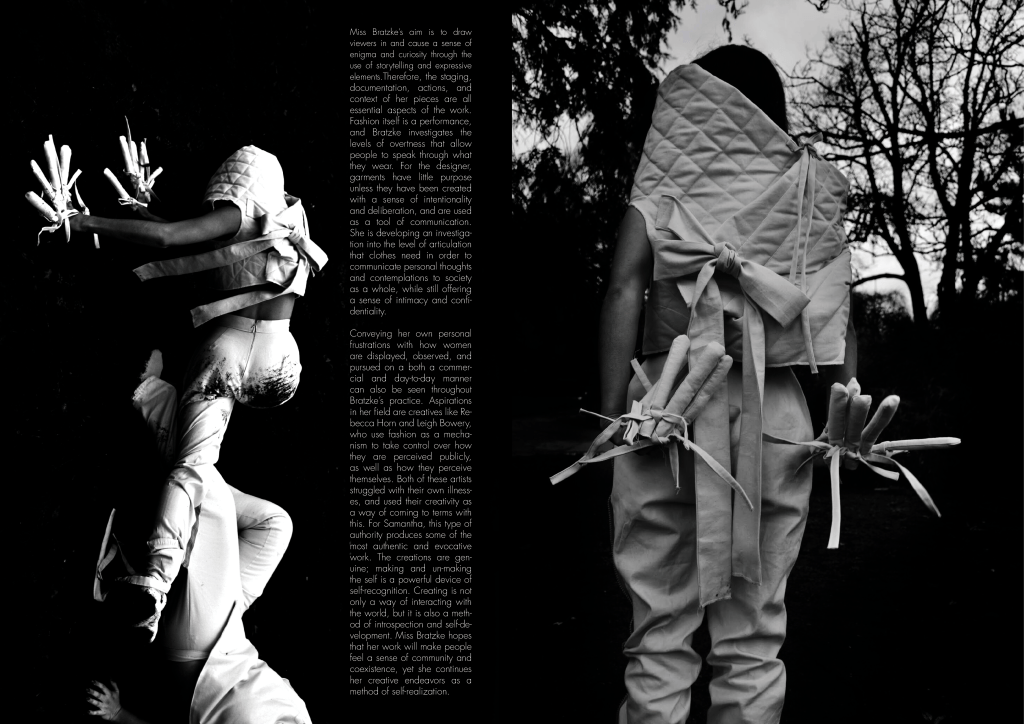
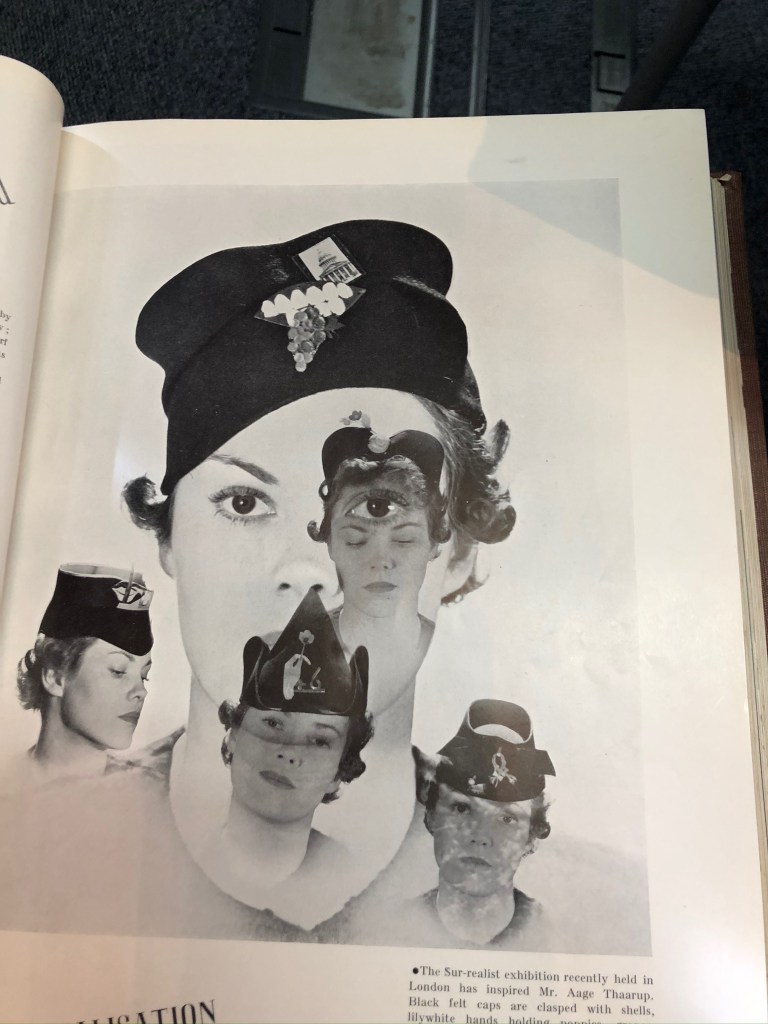
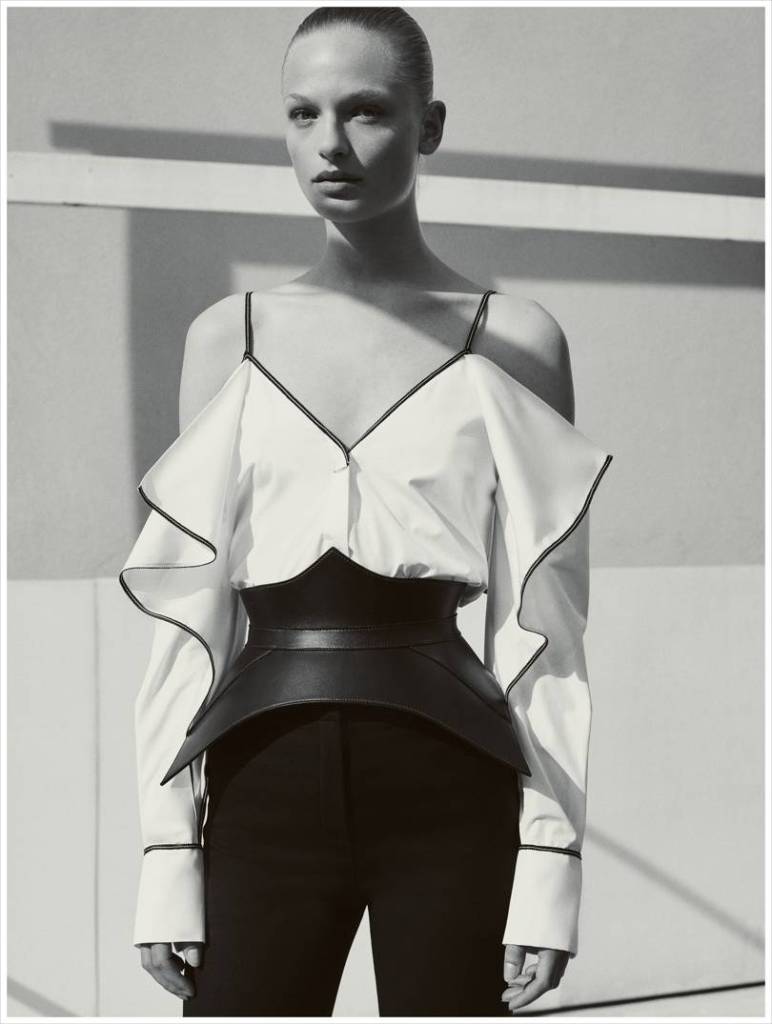
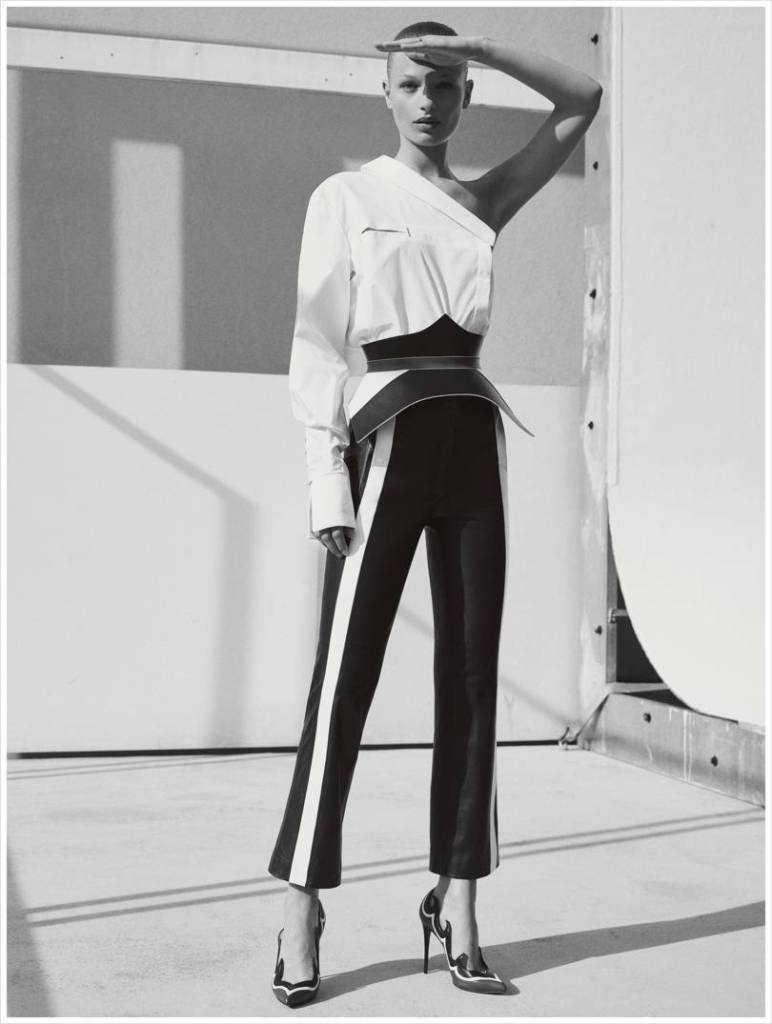
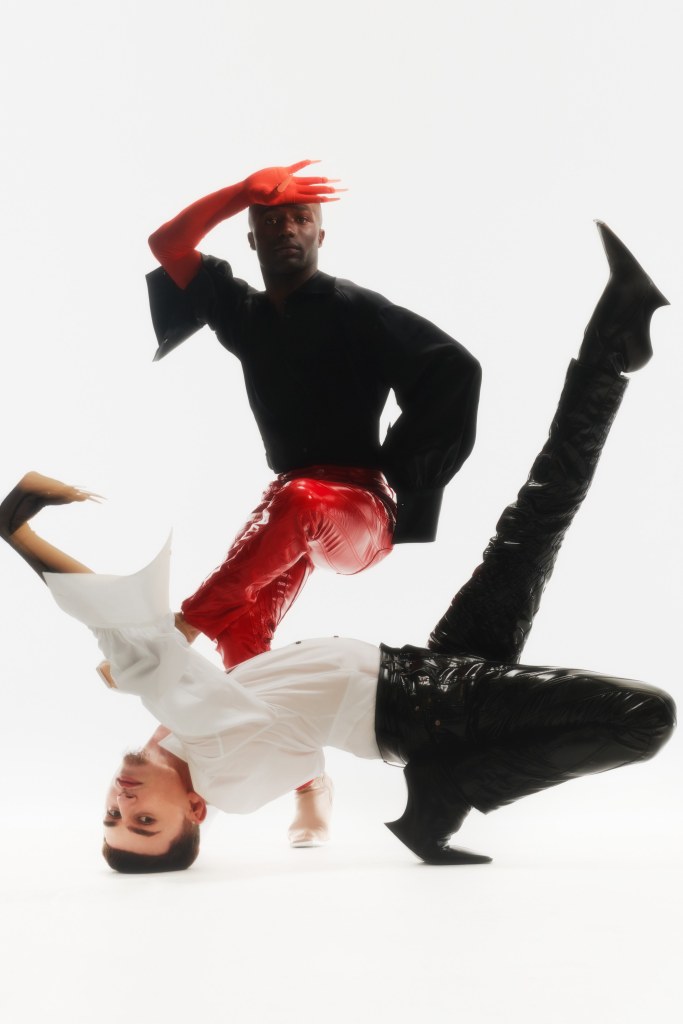
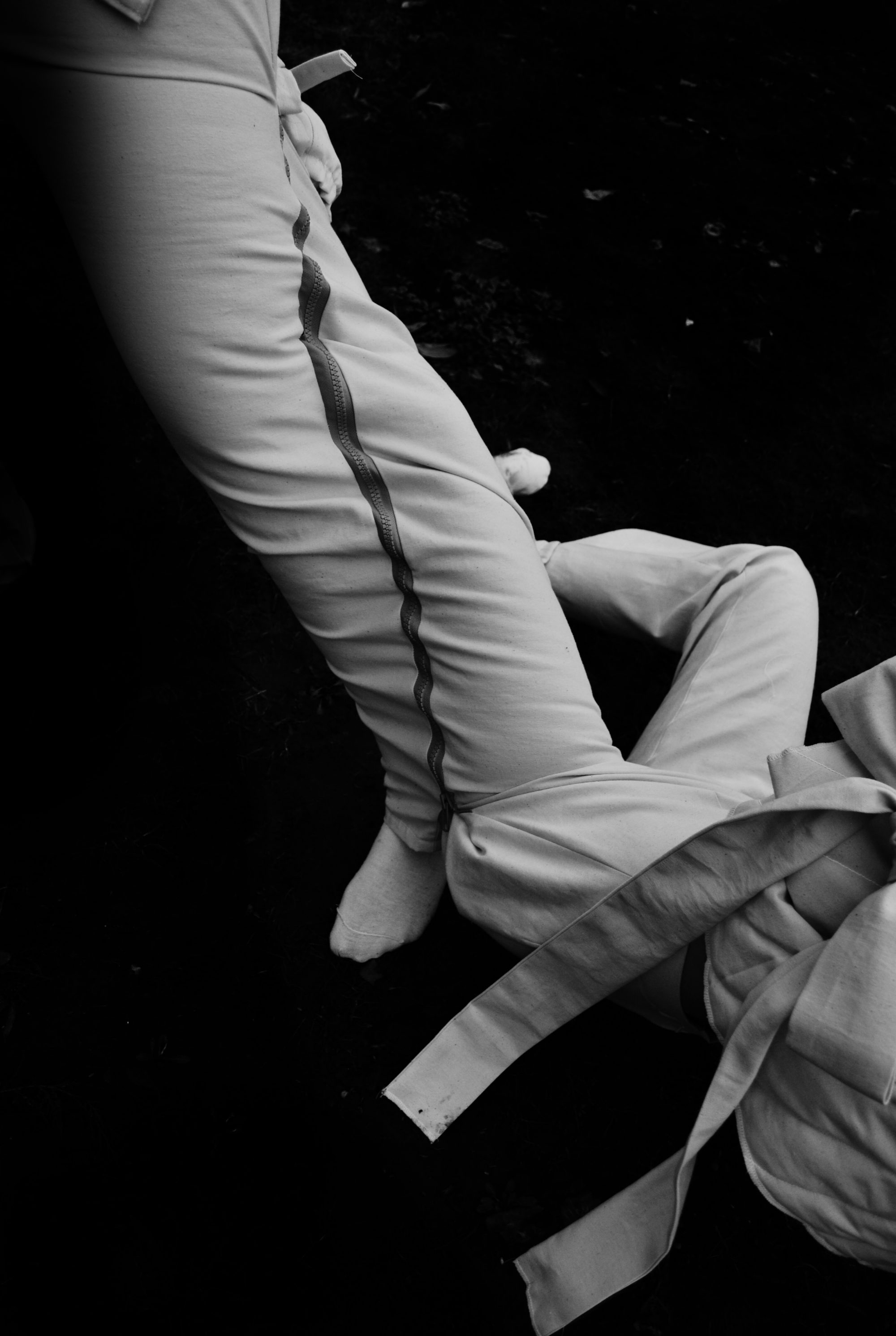
I realized that I never posted about some of my independent research for the publication because we shared in person with Julian. On our trip to the library, I gravitated towards full bleed images that used very minimal text. For me, the angles and lines in the images can be used to direct the viewer’s eye throughout the composition, which is so nice.

In the first round I proposed more of this kind of aesthetic. I think the group liked it, so that is what we went with.
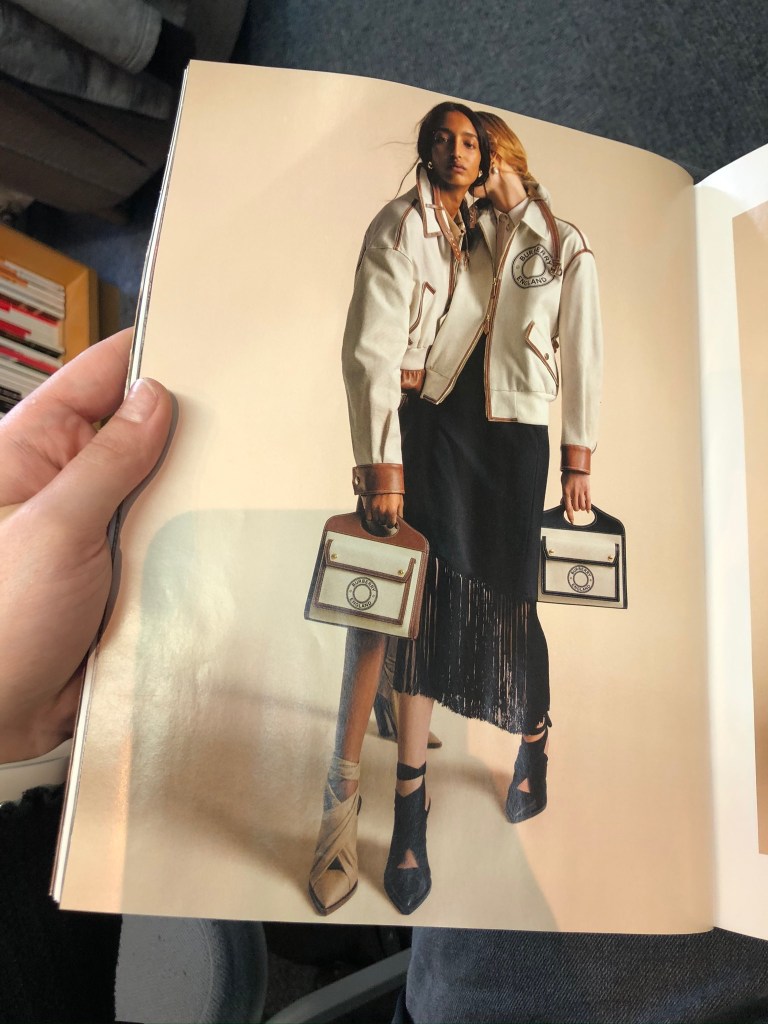
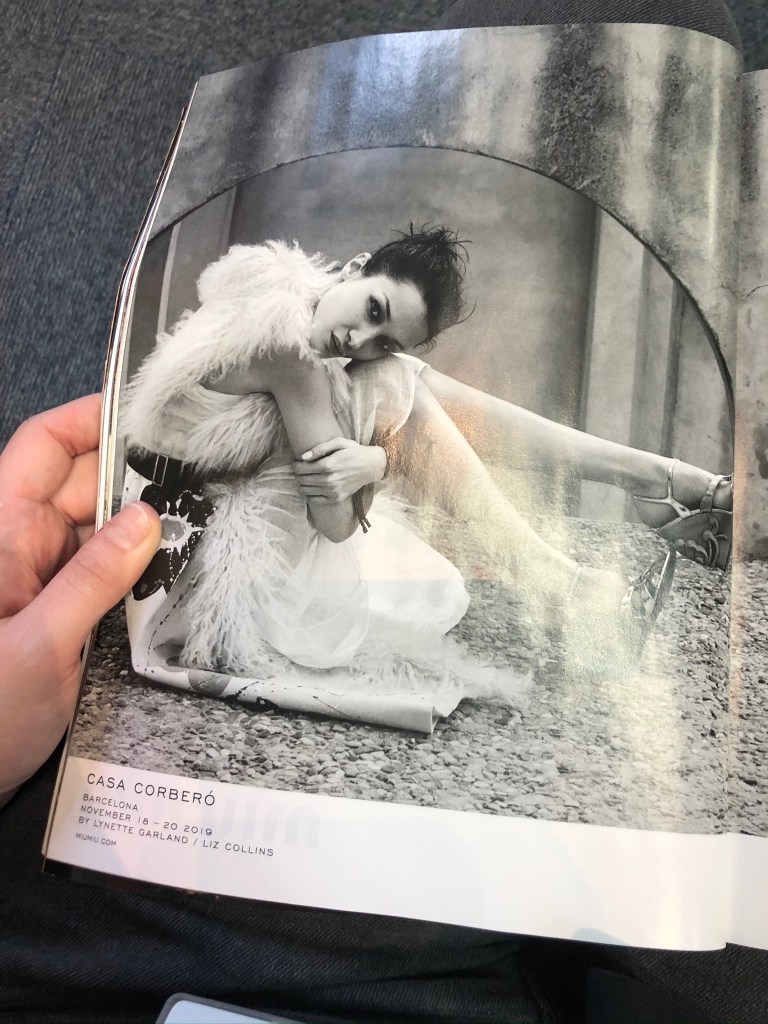
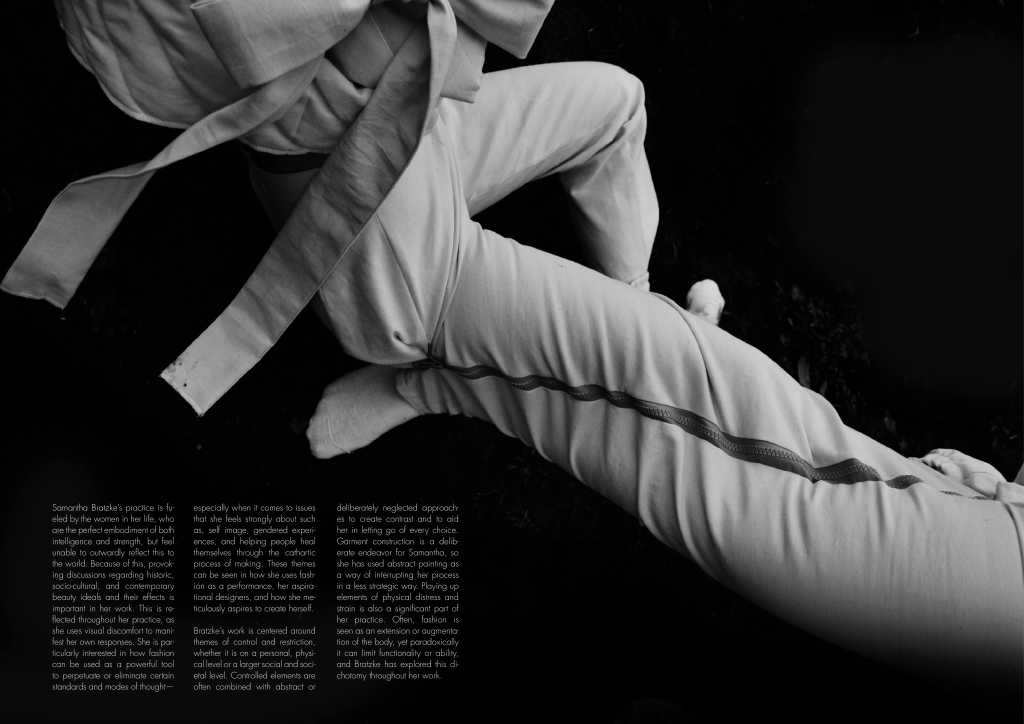
My layouts…

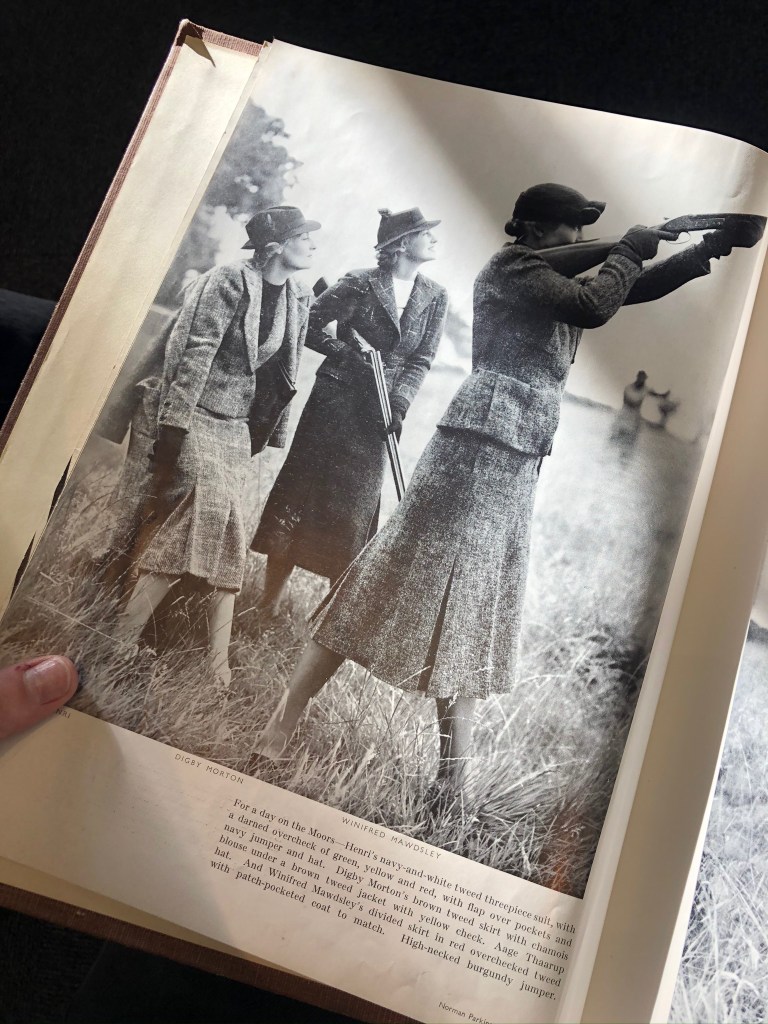
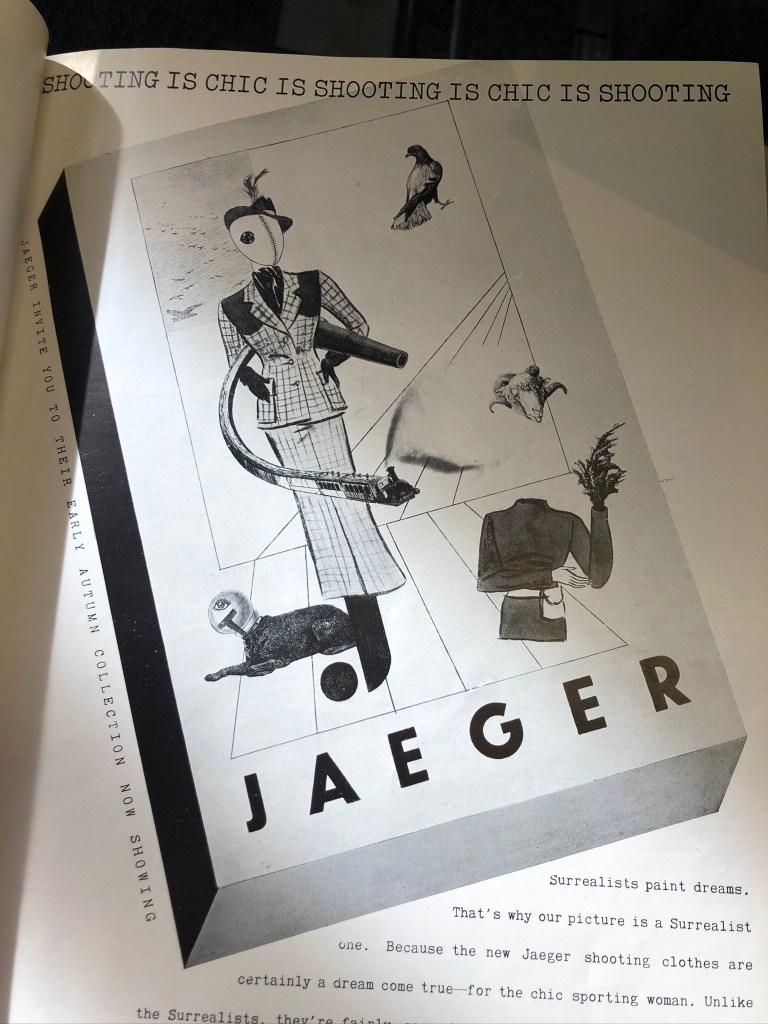
On a side note, on our trip to the library I was able to look at some really cool, older versions of magazines, which was fun. The layouts were unique and they were dealing with similar social issues over 100 years ago. It would be interesting to revisit these as a source material in the future.
Survey Results

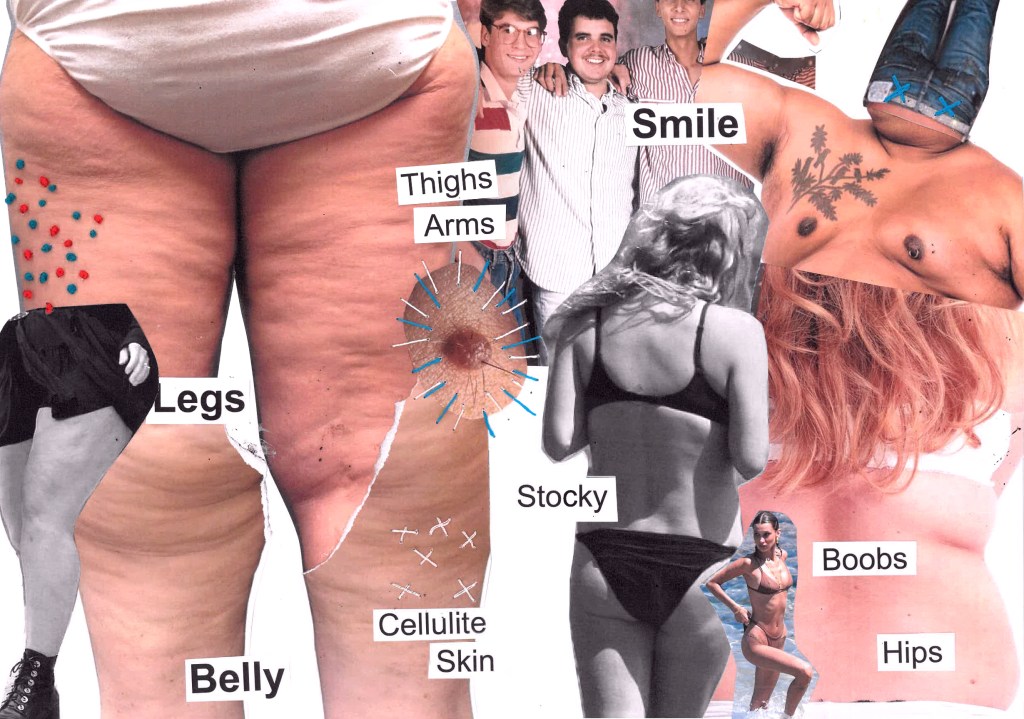
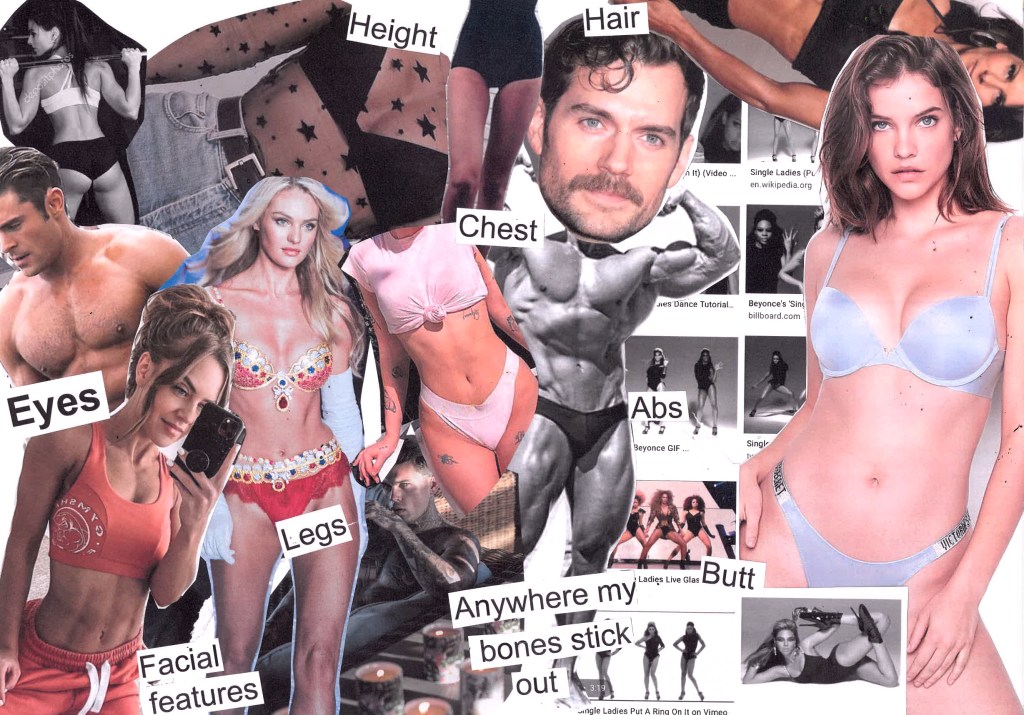
Below are the survey results of desirable and undesirable body aesthetics (the words used are from the survey as well). To be honest, there weren’t too many surprising results. I did notice that the desirable photos were a lot more “aesthetic”. Also, one thing that I found interesting was that multiple people said that they were self conscious of their smile.

It would be nice to use this research and reconcile it with what I want to do with two person garments.

Sculptural/Illusionary Fashion Inspiration: Mugler

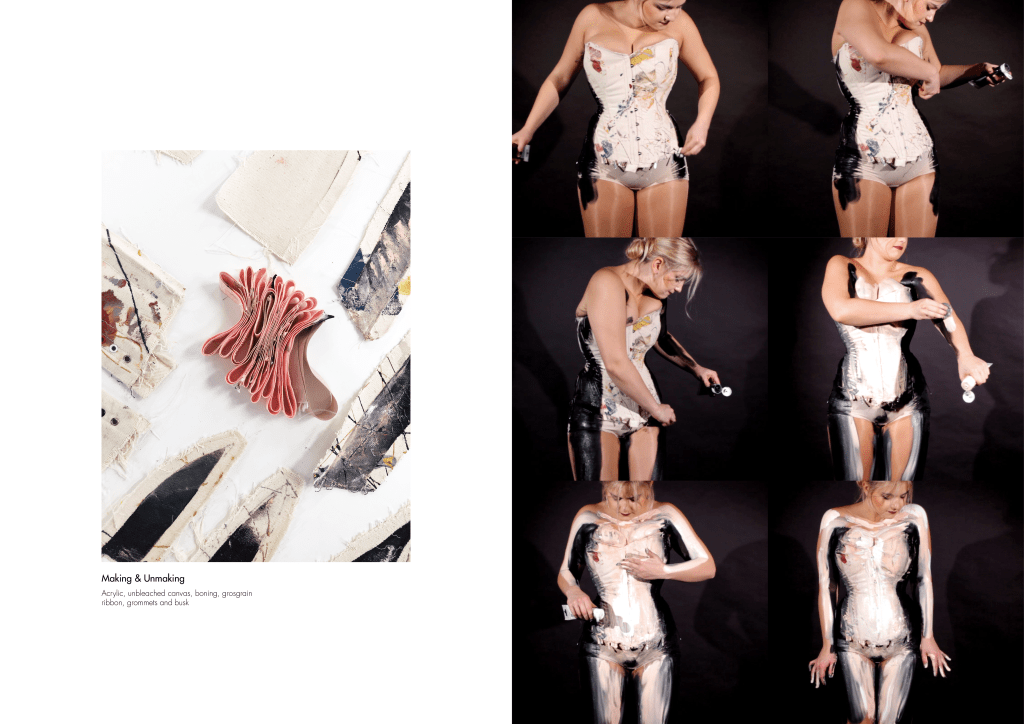
In my personal practice, I realized that I love to experiment with reshaping the body in ways that almost look like an illusion. Historically, I’ve achieved this type of look using my corsetry skills, but I am trying to push myself to experiment with different methods and ways of achieving this aesthetic/feel.

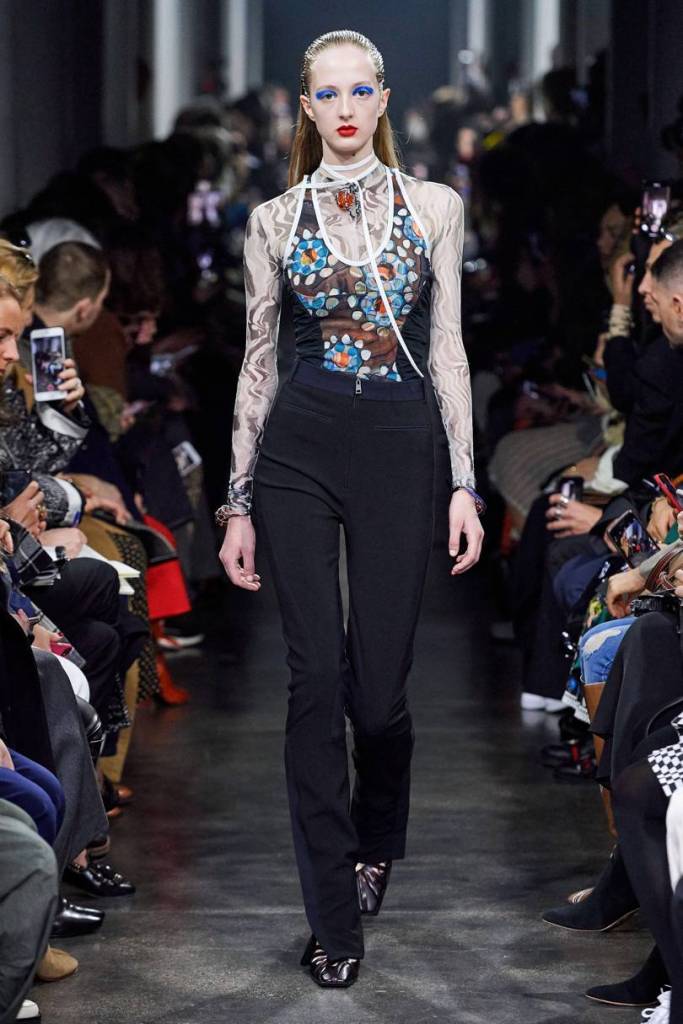
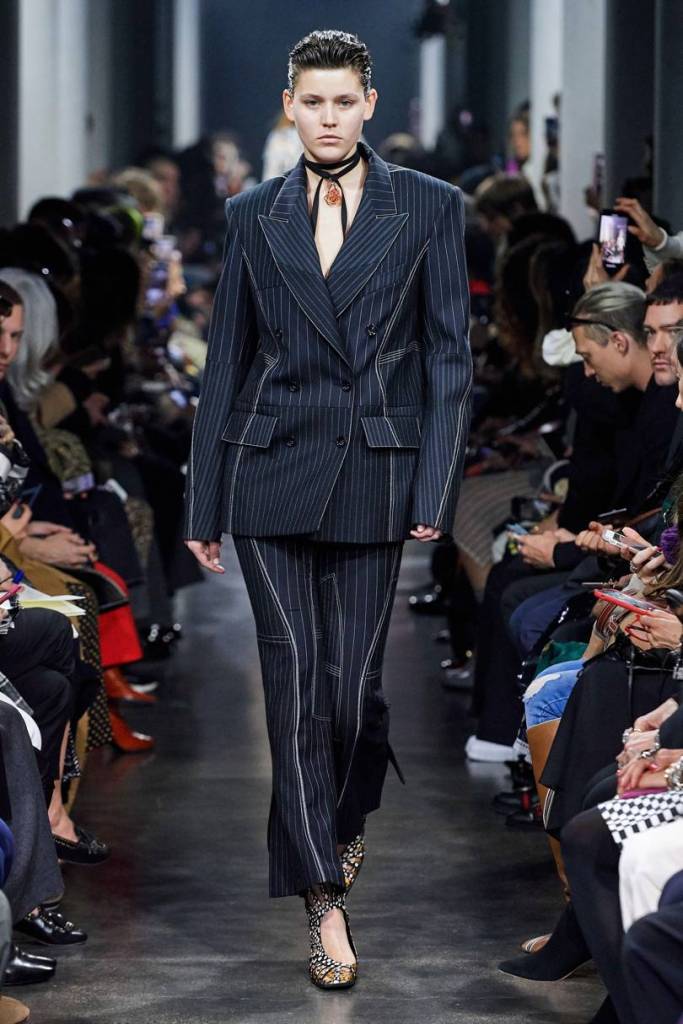
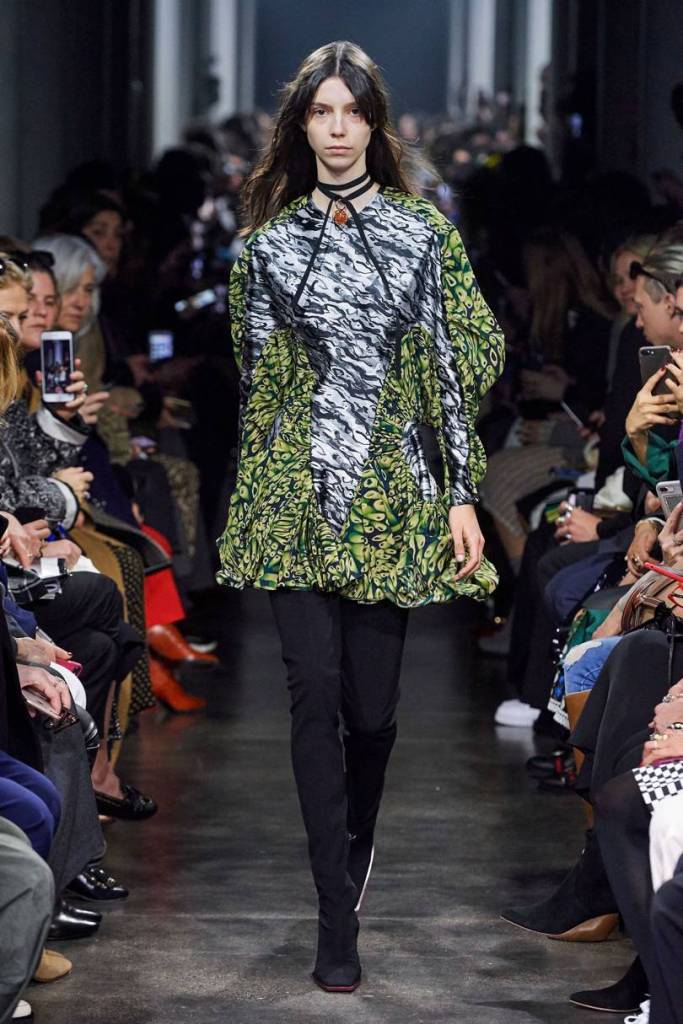
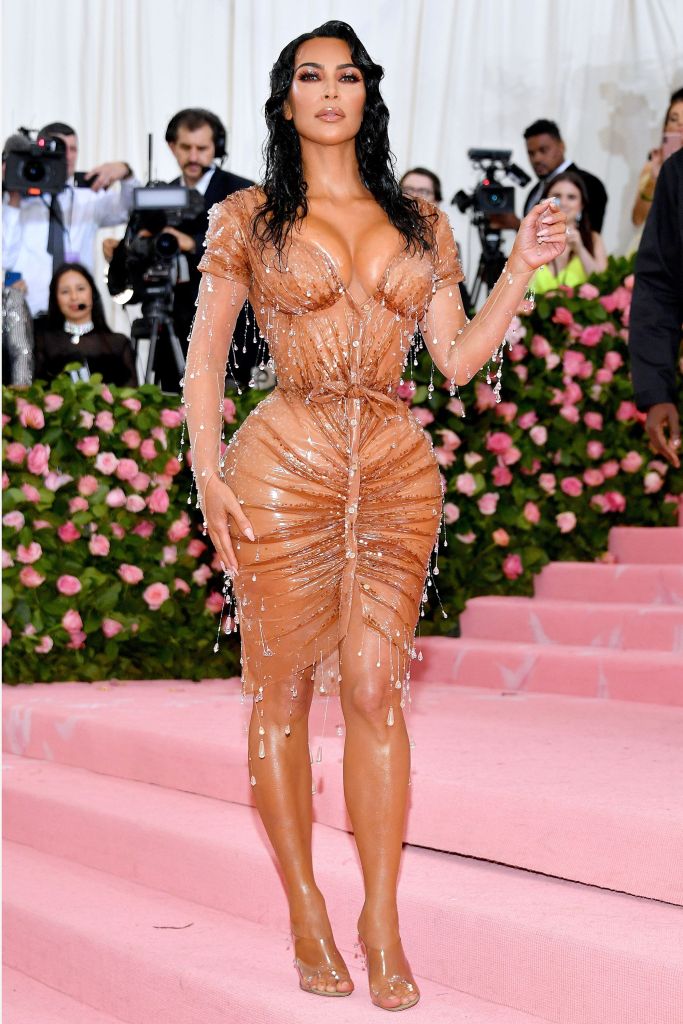
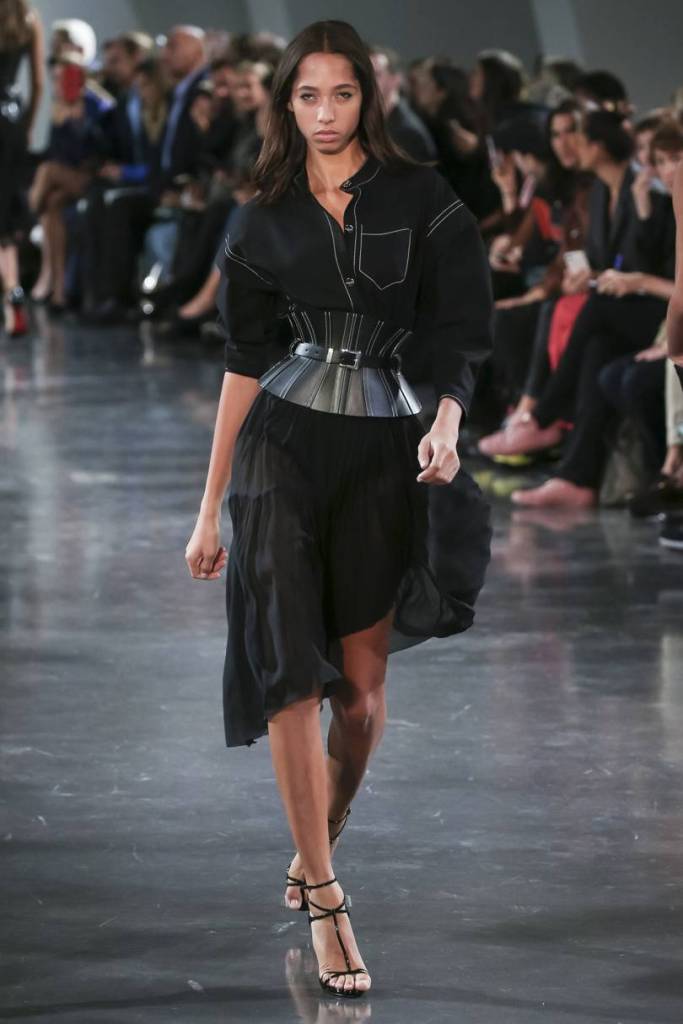
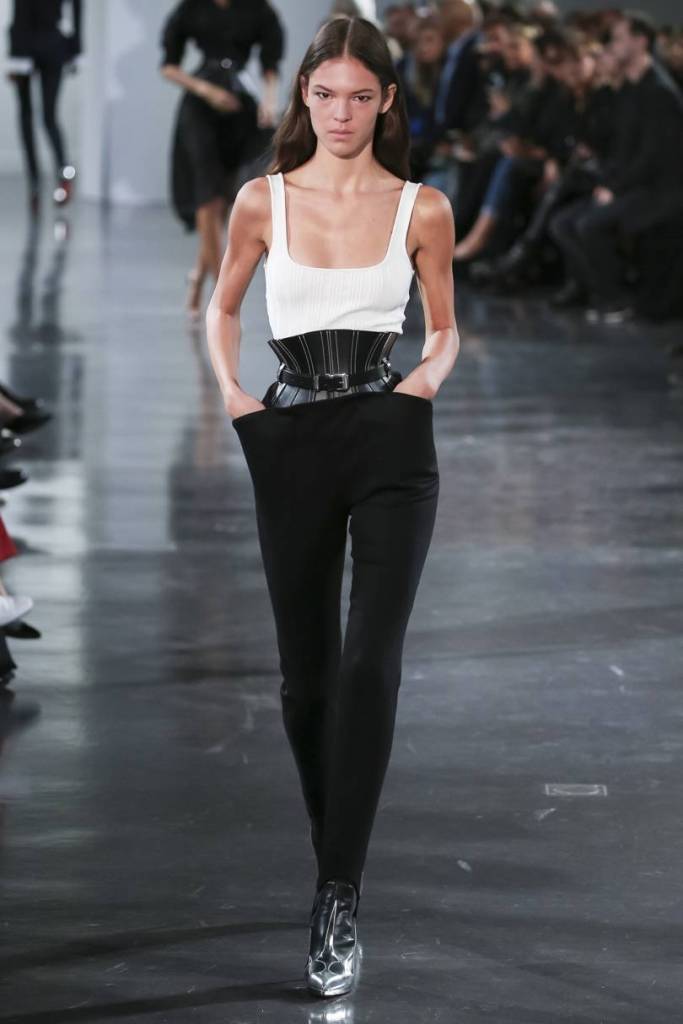
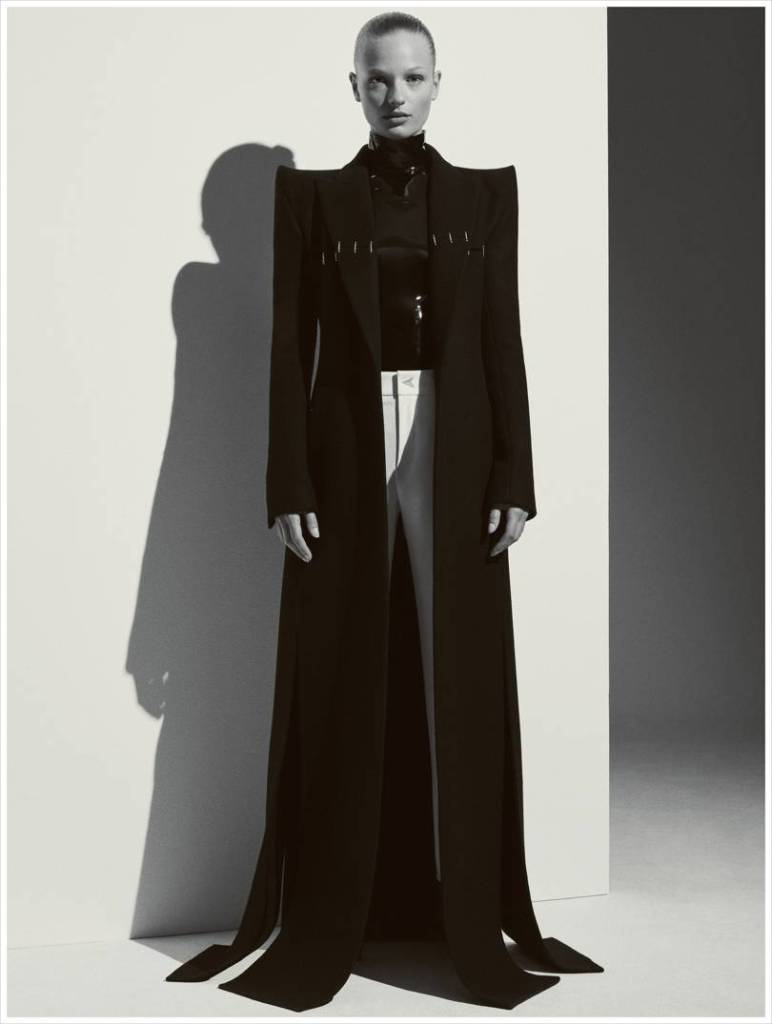
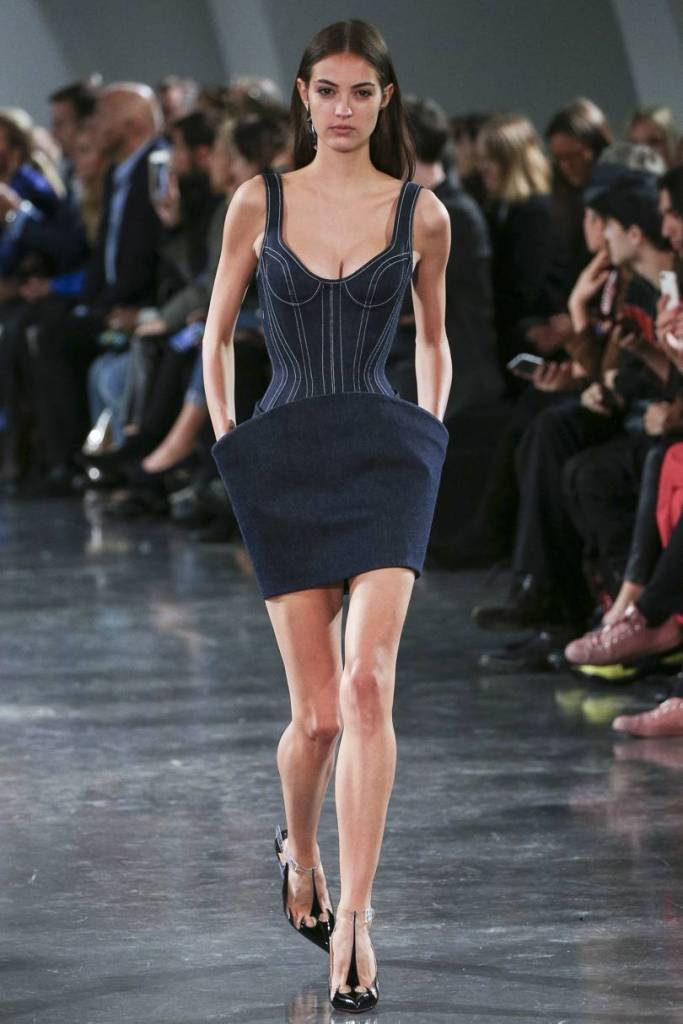
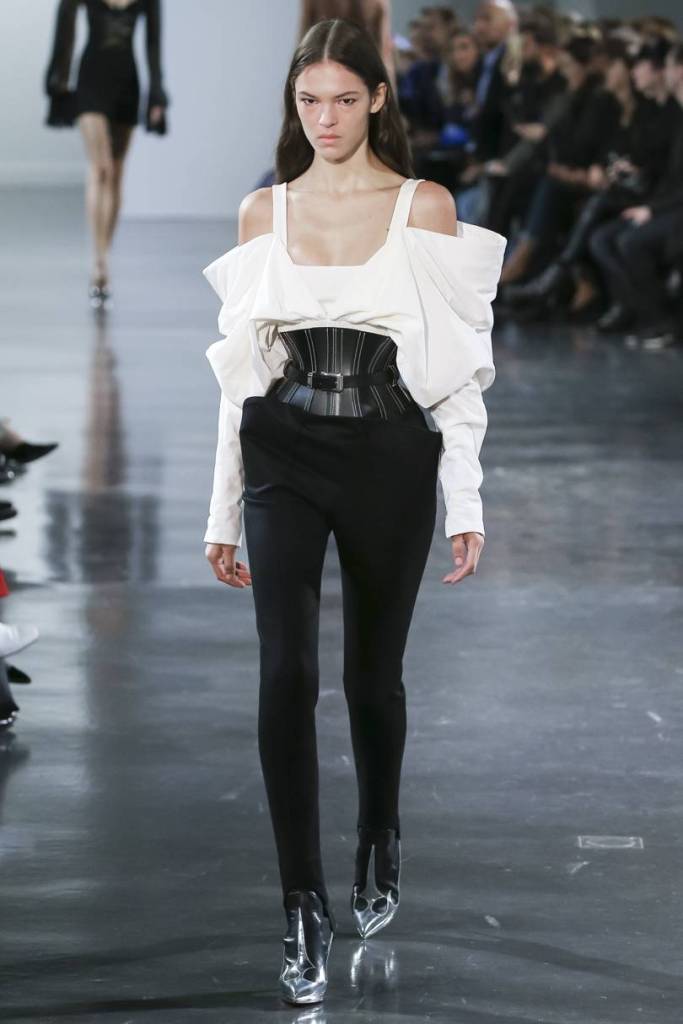
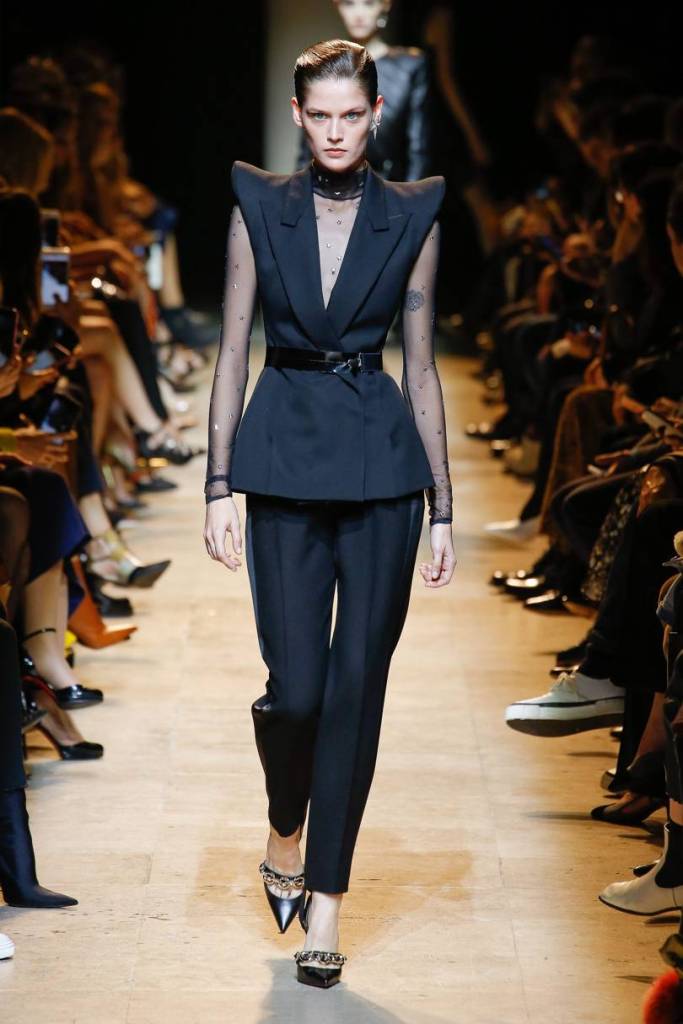
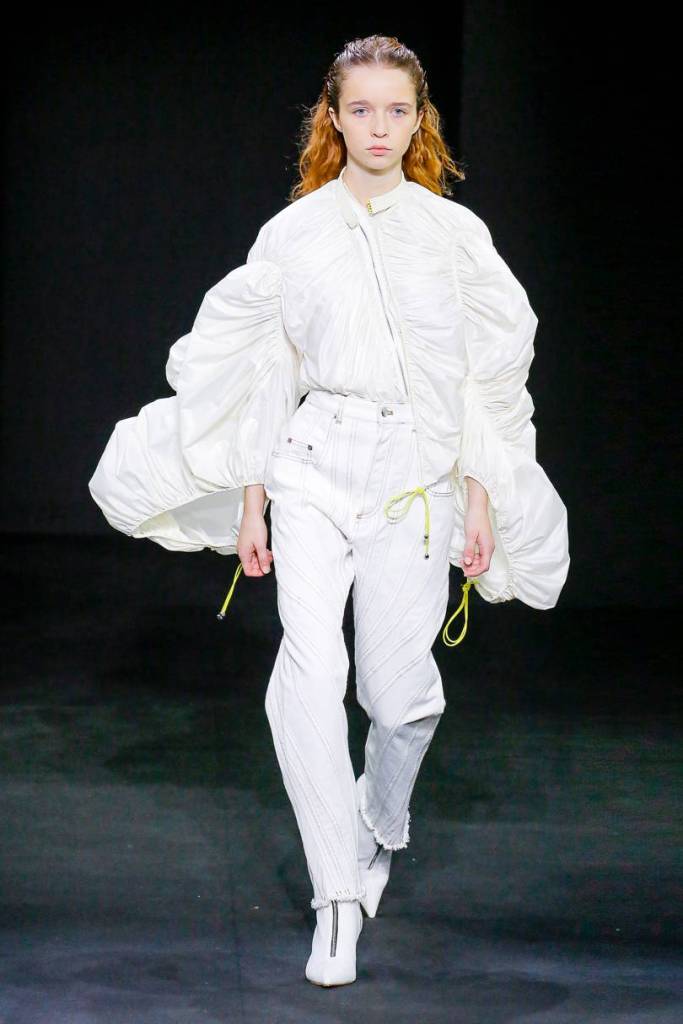
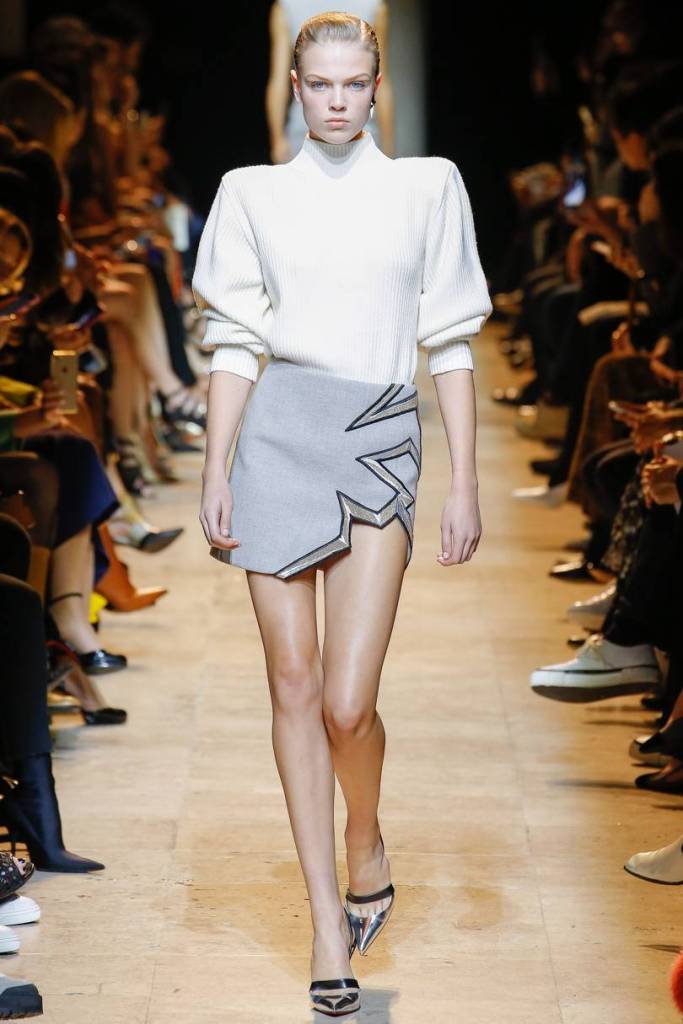
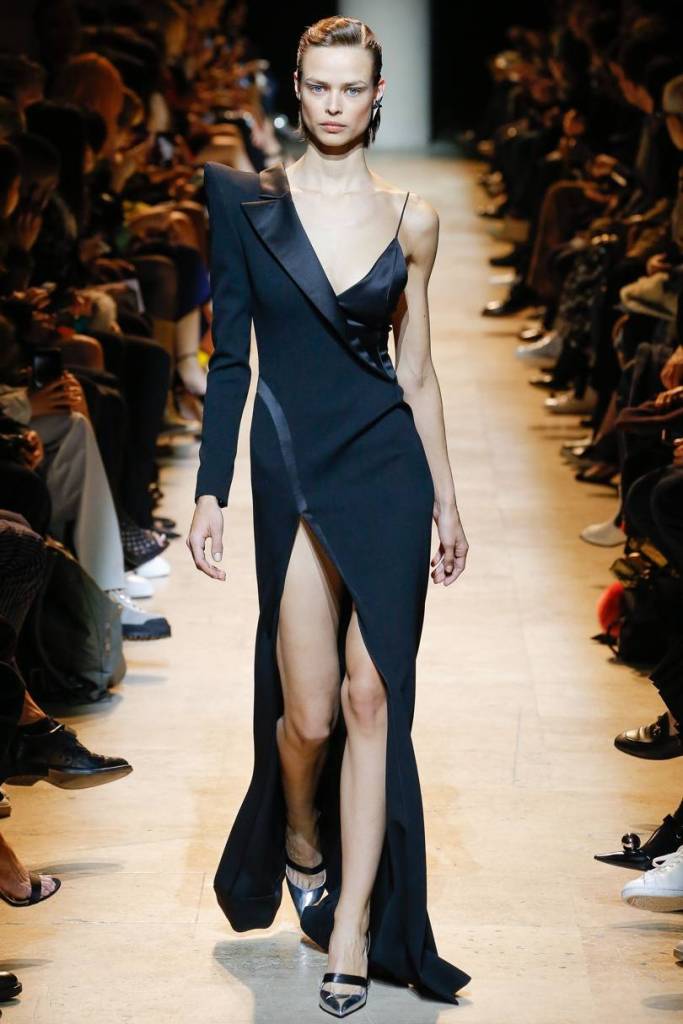
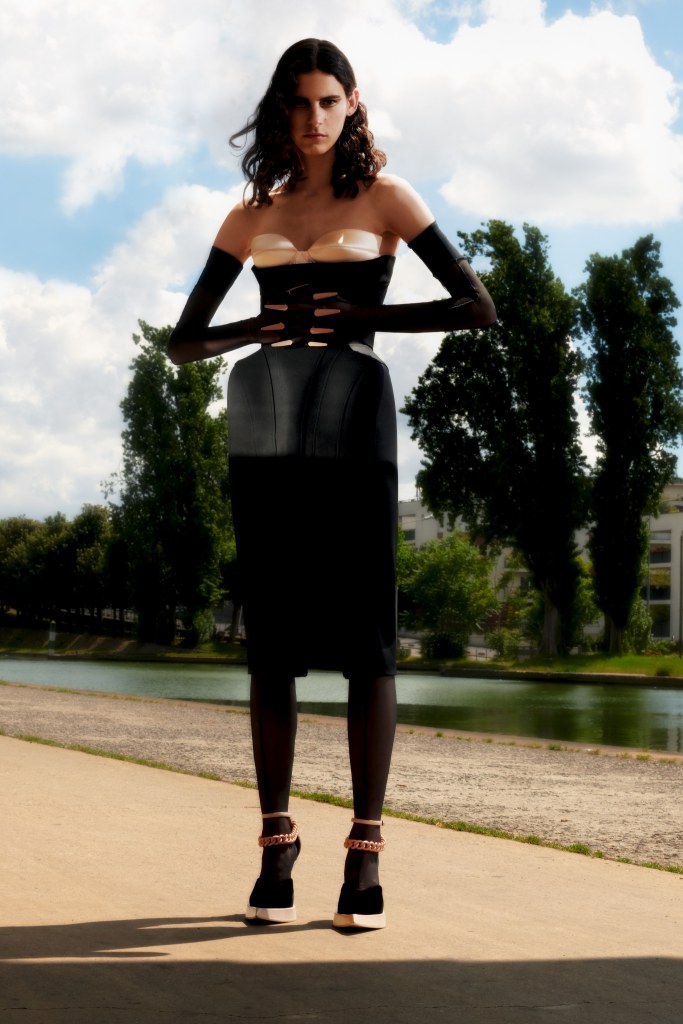
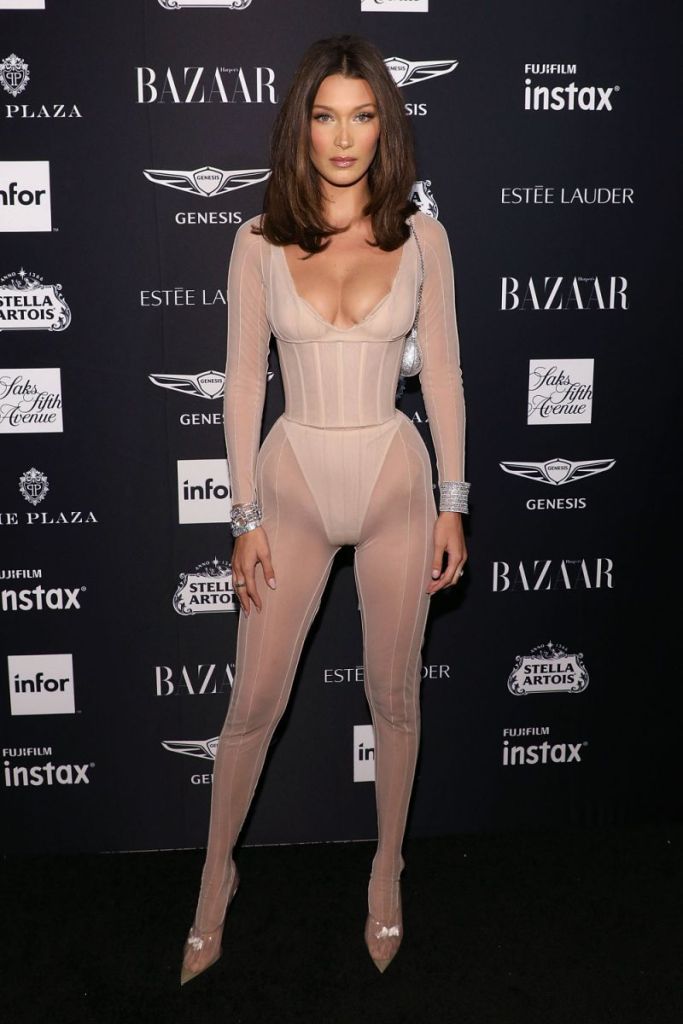
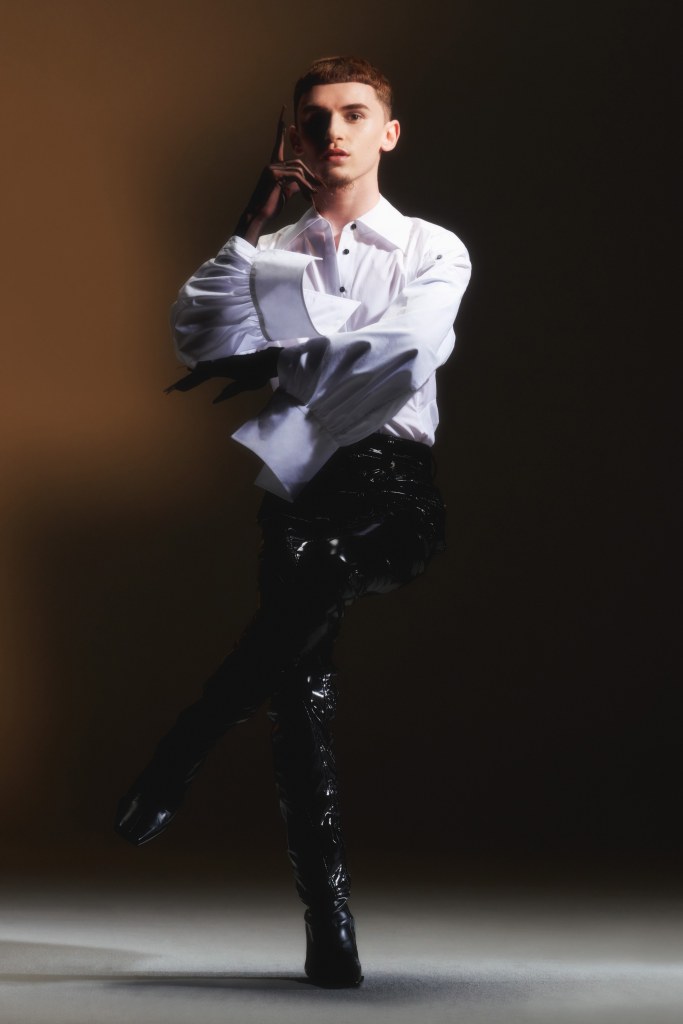
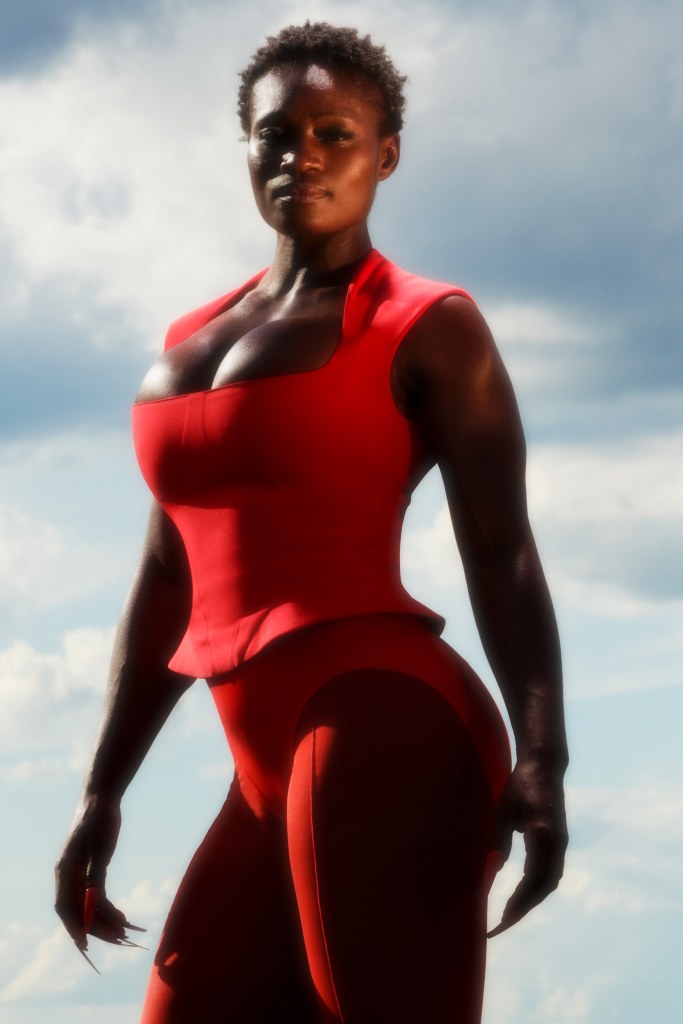
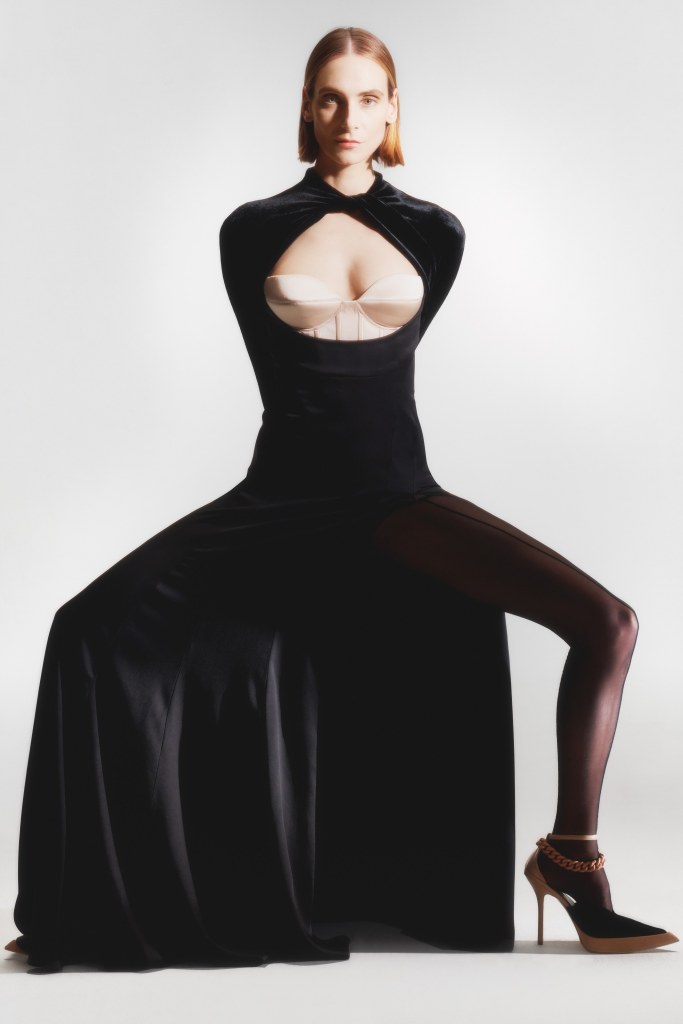
I have found Mugler to be very inspirational. A lot of the brand’s collections explore this illusionary effect. Here are some of the ways I’ve isolated as examples of how this look is achieved:

  1. Print Placement/Seamlines:
  2. Corsetry
  3. Structural Construction
  4. Using the Skin for Contrast/Shape
  1. Print Placement/Seamlines

2. Corsetry

3. Struture

4. Skin Showing

And here are some of my favorite posts from their instagram .

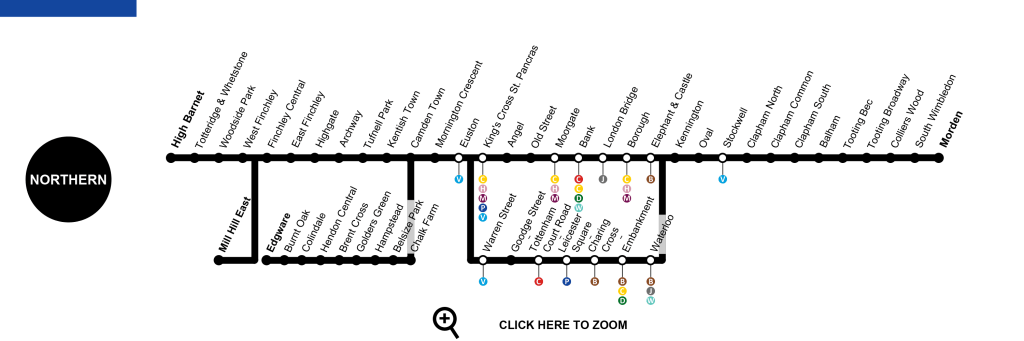
Coolest stops on the Northern Line

On Wednesday at 11:00 AM, Shuya and I are meeting to explore some stops on the northern line. Based on my initial research, I propose we stop at (based on random facts I have accumulated):

  • Camden Town
    • Named after the first Earl Camden, Charles Pratt, who started the development of Camden Town in 1791.
    • Camden Market
    • Chalk Farm was originally a farmhouse and later a tavern set in fields. Soon after 1840 housing and shops were developed in Regent’s Park Road but the building still survives as a restaurant.
  • Old Street
    • William Shakespeare
      • He performed at Britain’s first permanent playhouse in 1576 on Curtain Road and over the years several of his plays had their debut in the area. 
      • The leading cleric John Wesley set up London’s first Methodist church in 1739 on Dereham Street.
      • Old Street underground station was opened in 1901. The station and it’s surroundings were modified in the late 1960’s to include the current sub surface structure.
      • Linked with influential artists like Banksy, whose work Balloon girl is among many first seen in the area
  • Borough
    • Borough Market has existed for 1000 years (open since 1014)
    • It is likely that London’s first post-Roman bridge was constructed here in the mid-990s to bolster the city’s defences against Viking raiders
    • 1676 destroyed by fire
  • Clapham
    • Medieval Clapham would seem a tiny place with a population of less than 100 people
    • Began to grow with refugees from the plague in 1665 and the fire in 1666
    • In the 19th century Charles Barry (1795-1860) the architect who designed the Houses of Parliament lived in Clapham. So did John Francis Bentley (1839-1902) who designed Westminster Cathedral.
    • Clapham Clock Tower was erected in 1906.
  • Hampstead
    • The earliest known settlement was on the high lands of Hampstead Heath and dates back to the Mesolithic age around 7000BC.
    • In the 18th and 19th centuries it was considered to be a country retreat away from the bustle and smoke of London, with fresh air and water and, as the highest point in London, a variety of attractive views.

Citations:

Camden. The London Borough of Camden. (2018) < https://www.camden.gov.uk/camdens-history > [19 August 2019]

Old Street District.  History. (2019) < https://www.oldstreetdistrict.london/the-old-street-area/history/ >  [19 August 2019]

Borough Market.  < http://boroughmarket.org.uk/history > [19 August 2019]

The Best Podcast You Will Ever Hear

My group has worked so well together! If we disagree, we always have an interesting discussion evidencing our points. Everybody worked hard and brought new ideas to the table (pun definitely intended). Also, I think we collaborated very well with each other, and our diverse personalities and backgrounds made our work so interesting.

I think you can see how well we work together in our podcast.

I couldn’t be more grateful for my team members!

Design a site like this with WordPress.com
Get started