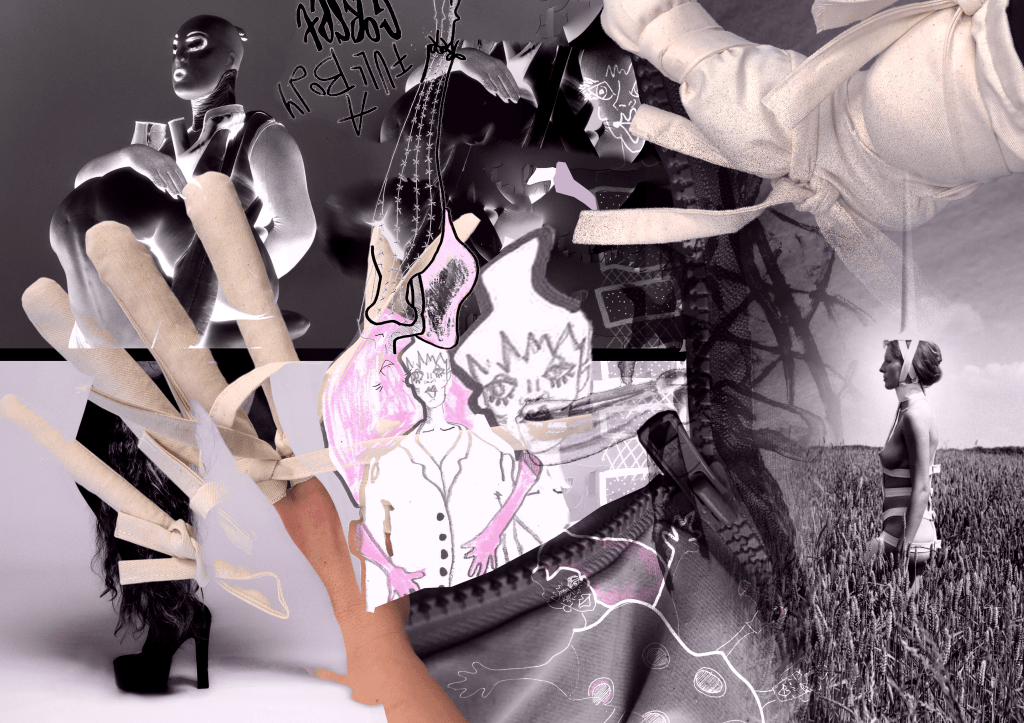
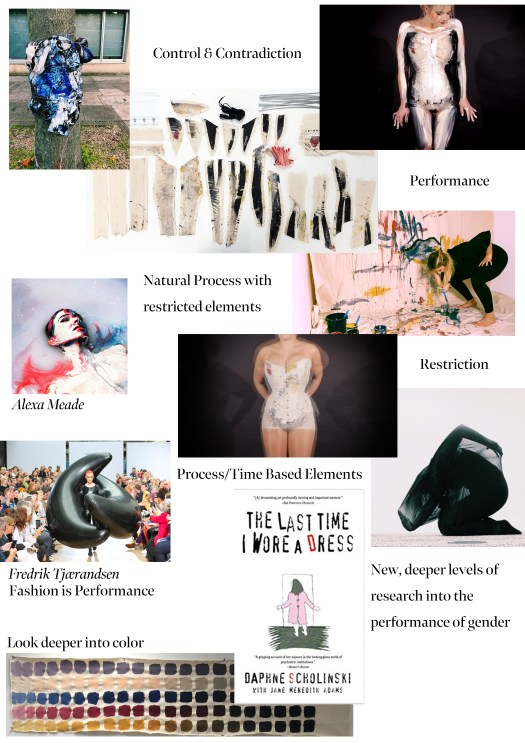
In preparation for my MA Portfolio Application (for the second time (yay)) I made a mood board with my sketches and process in the early stages of this project. I cited Rebecca Horn because her work was a huge inspiration on the onset of this journey. I also cited Leigh Bowery because his work is so performative, and the piece above in particular reminded me of the book I read about stalking. I was thinking about the onus of having to dictate your movements to another person’s.
It also has some of my props because they made the whole thing gel and look cool 🙂
After my tutorial with Julian we talked about how I would capture the finished pieces. I’m pretty set on images (because I need them for my portfolio). My statement of Intent says that I want to capture the performance of a garment, and I think I can do this through still image as well.
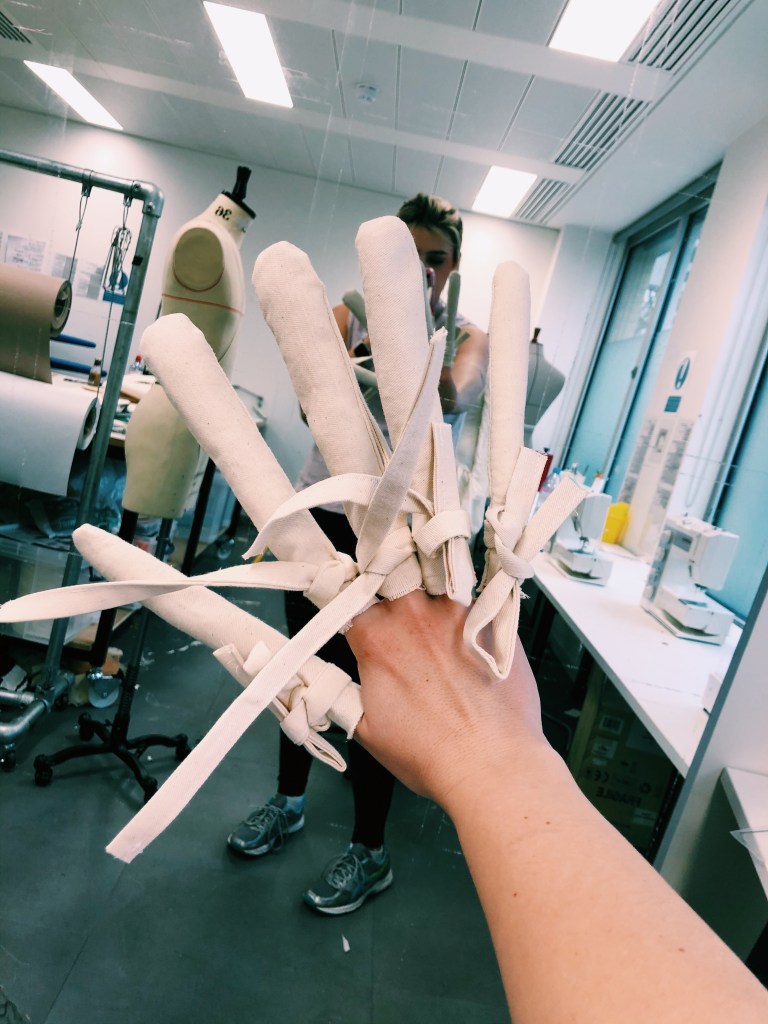
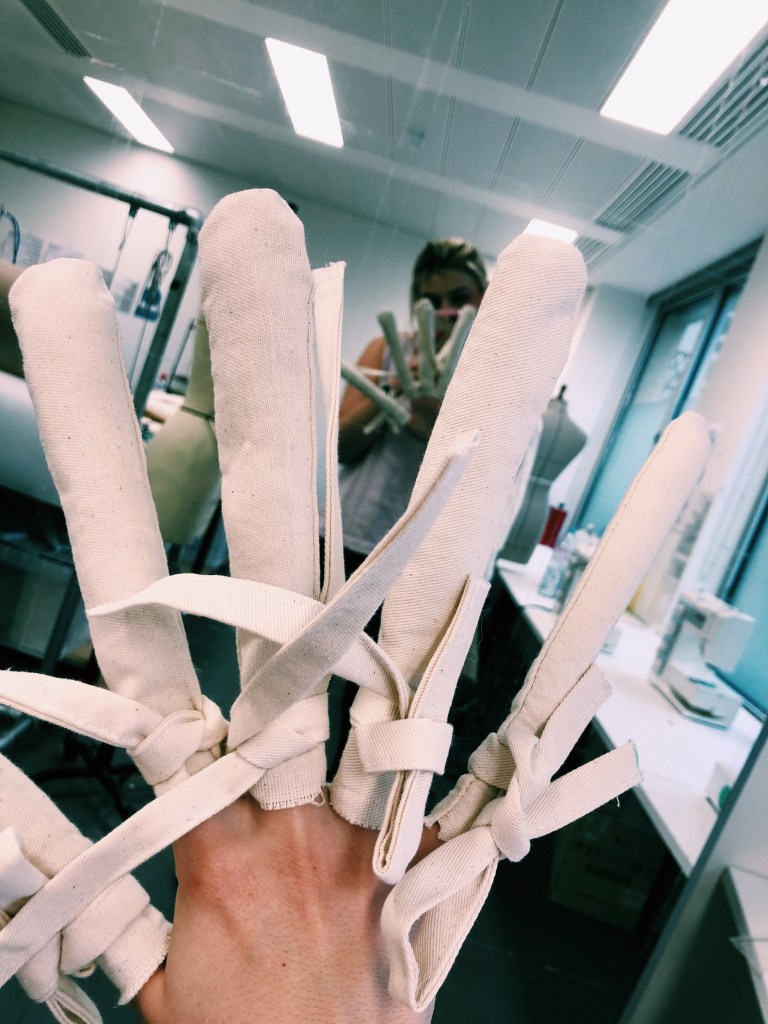
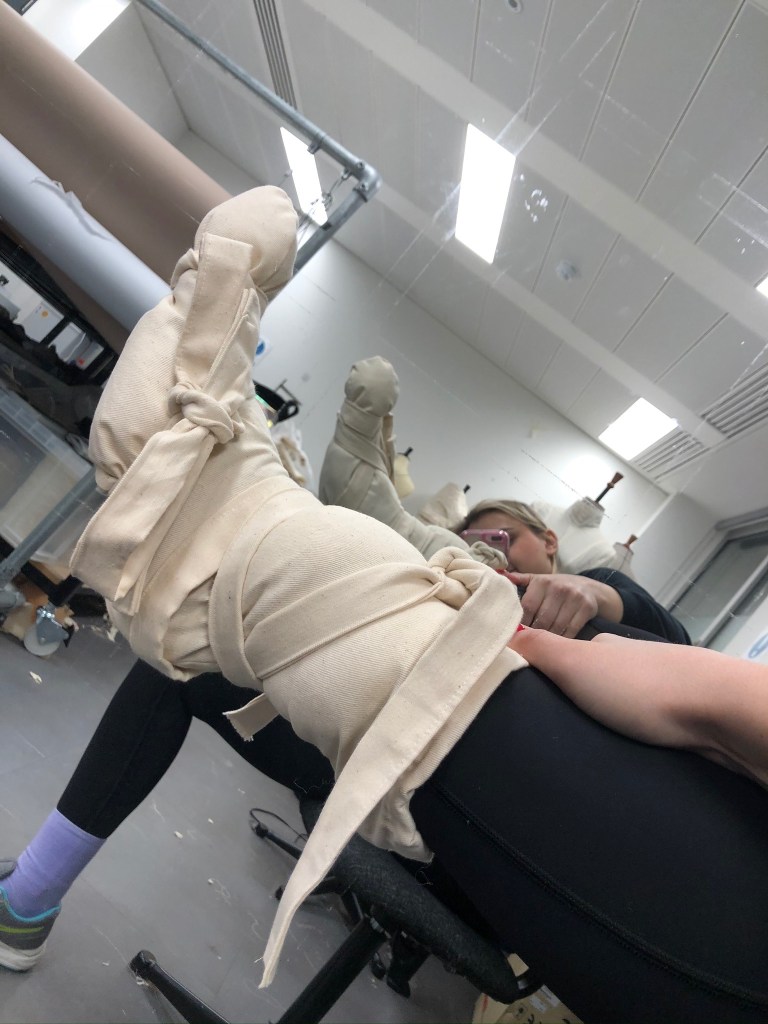
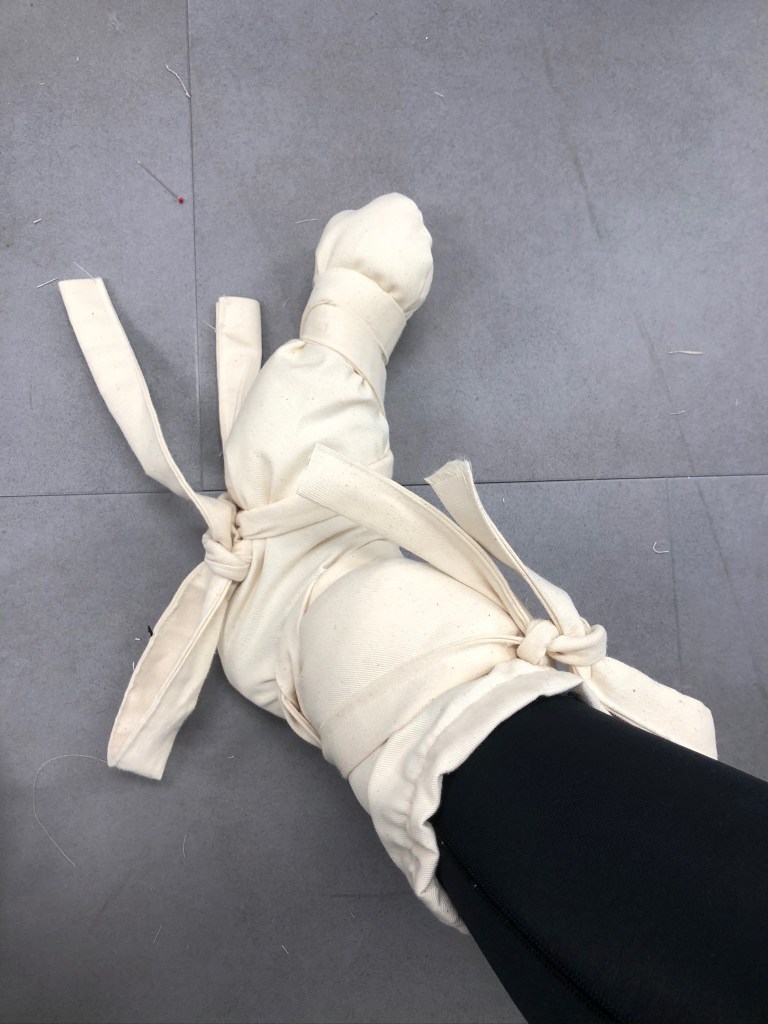
We also talked about “props” that would add to the storytelling element so I made these things:
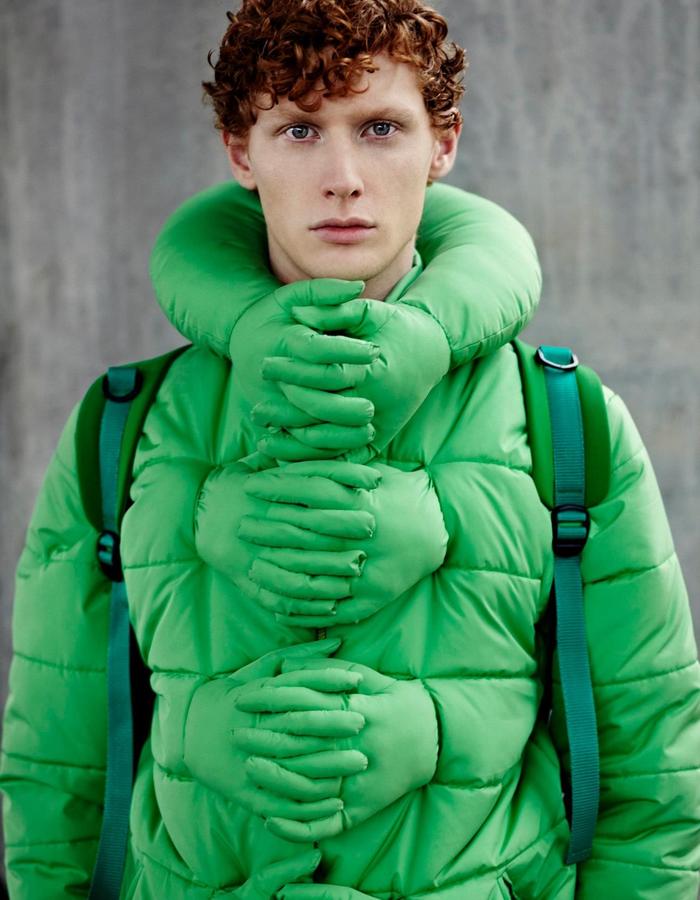
When I made the fingers I was thinking about how it would be difficult to get out of the other top I made (not pictured yet) because its closures are bows. and the feet were supposed to make it hard to move. I’m really interested in exploring how uneven power dynamics can be shown, and I hope these will add to the narrative.
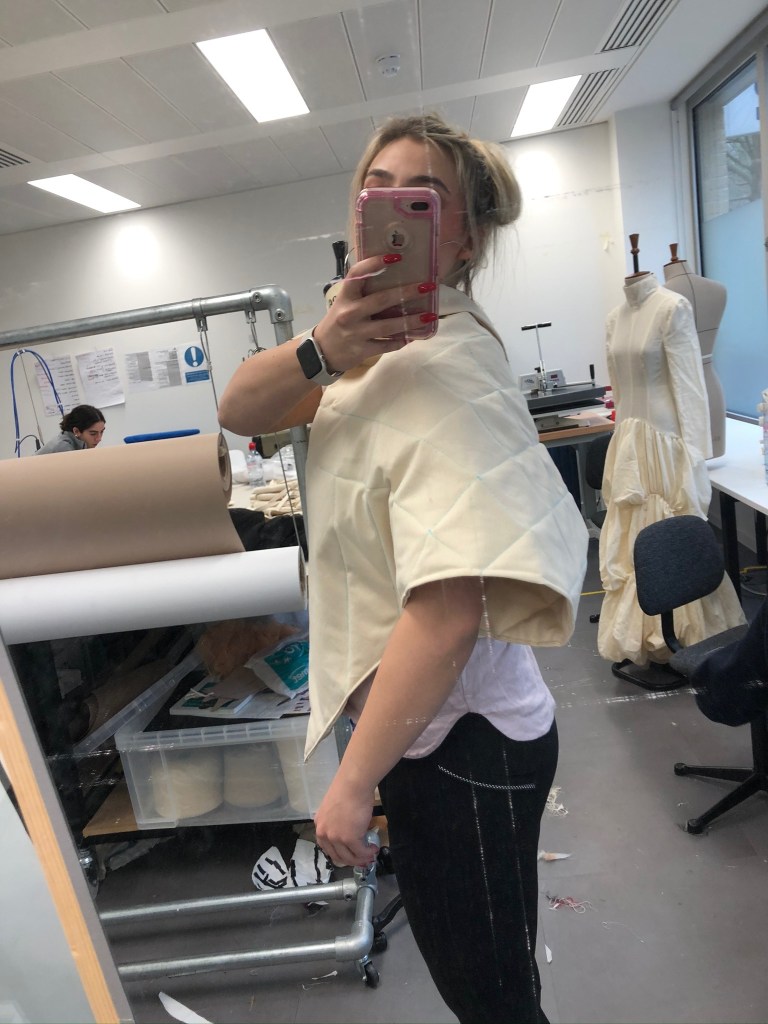
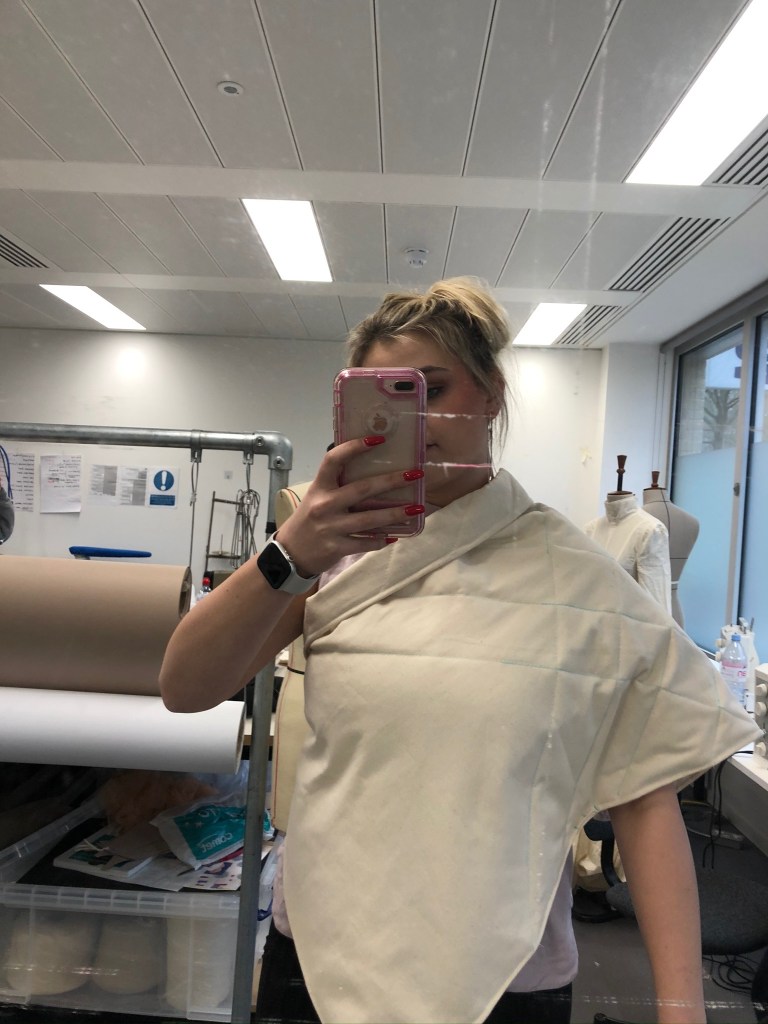
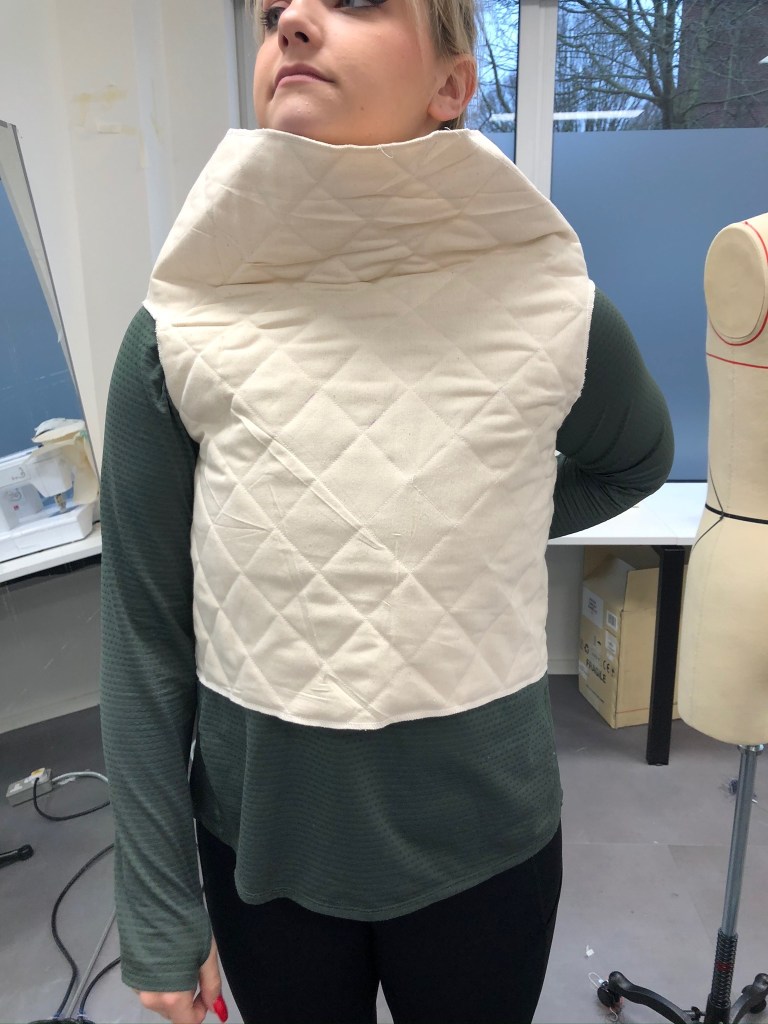
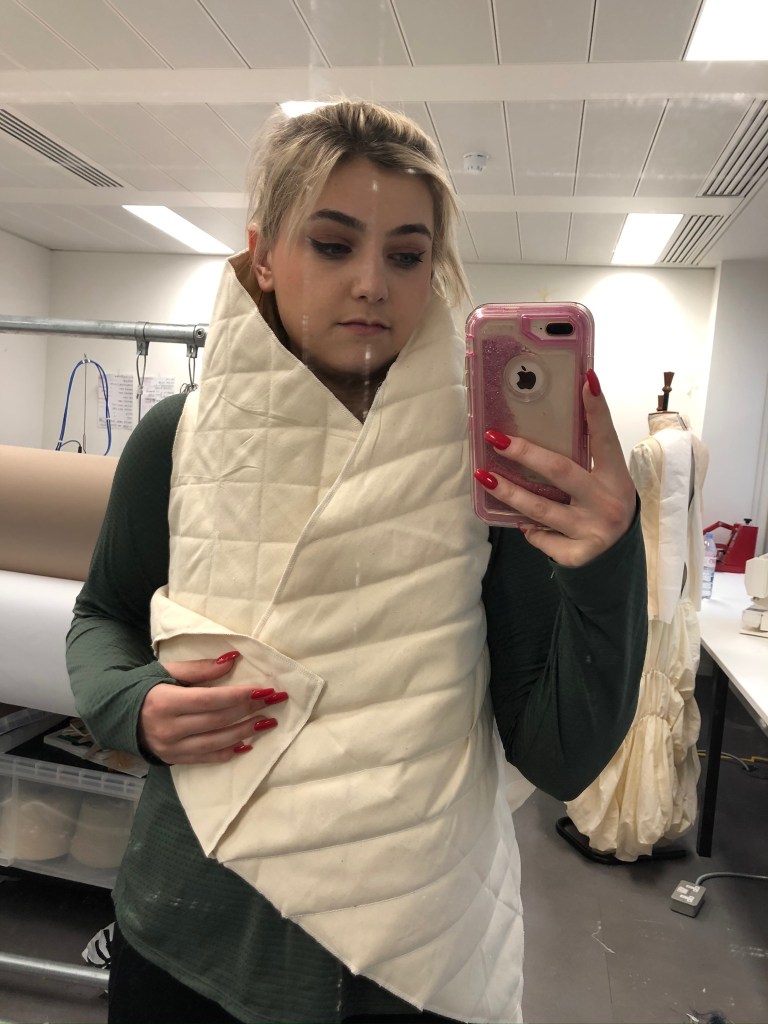
The top I made for myself because this is a two person thing, and honestly I just needed a garment for the photos. I did all of the quilting on both of the garments by myself, and I liked the clean look to the front of this piece where I left the quilting open.
I’m planning to do the shoot soon, and I think I’m going to do a shoot WITHOUT the painting first because the garments look so clean and nice. Then I’ll experiment a little bit more with color.
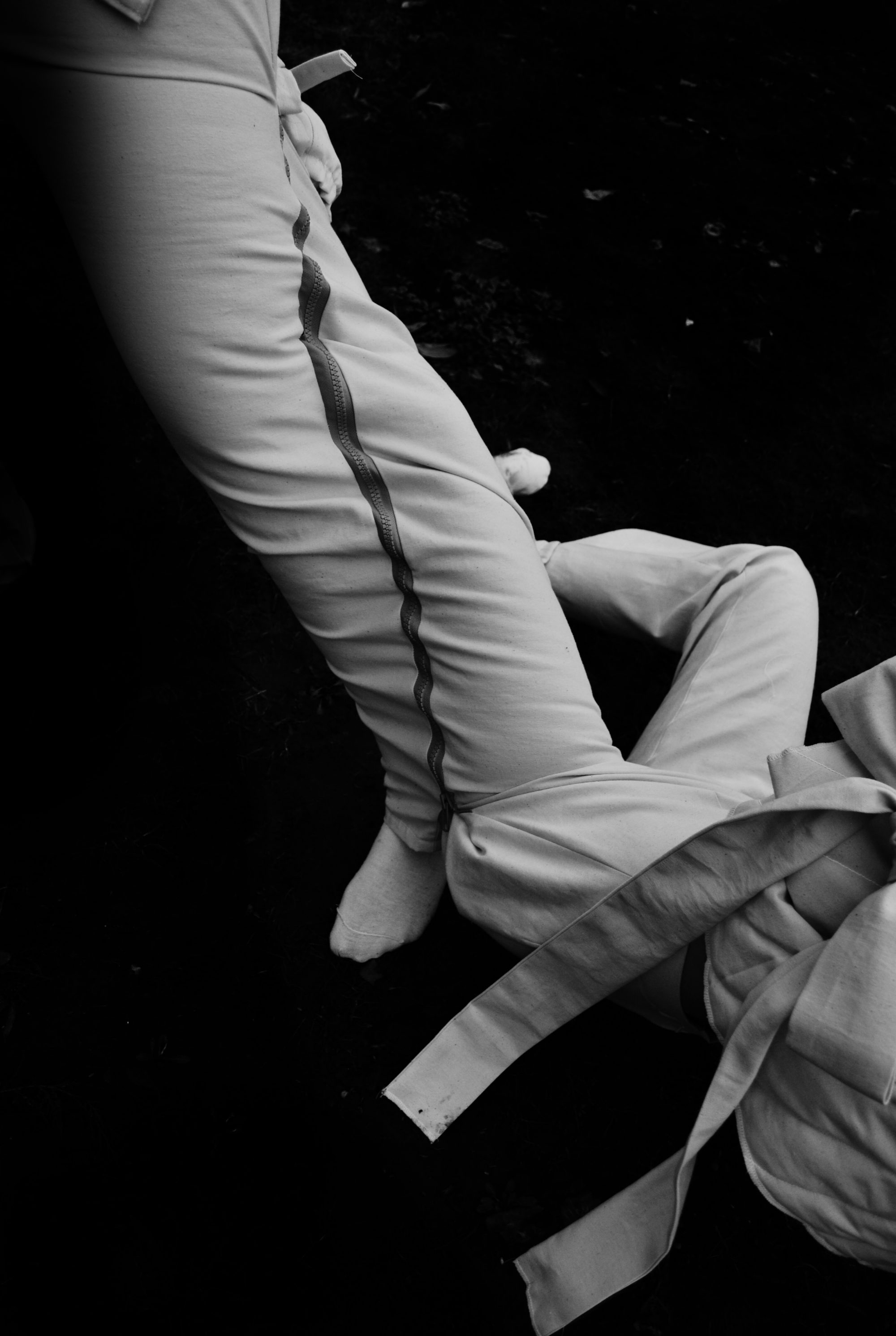
I made a double pair of pants that have a separating zipper attaching them. It worked perfectly and I was able to drag Kaelan across the floor. This fits into my SOI by being a performative garment and it shows an uneven power dynamic, which I’ve been interested in.
I also started making a padded top that will drag her along. Here are a few variations below– I plan to attach snaps tomorrow and pick a final look.
I also want to make myself a top. but i can’t figure out how I want it to look. I’m thinking of quilting a bunch of shapes and then just draping and seeing what looks best.
I’m also making straps that will attach both garments by the top pieces. I need to think about how they will buckle and be oriented to show the control/power look I’m going for.
Shooting to have this all done to show to Julian on Tuesday 🙂 And hopefully i’ll have it all photographed by the end of next week.
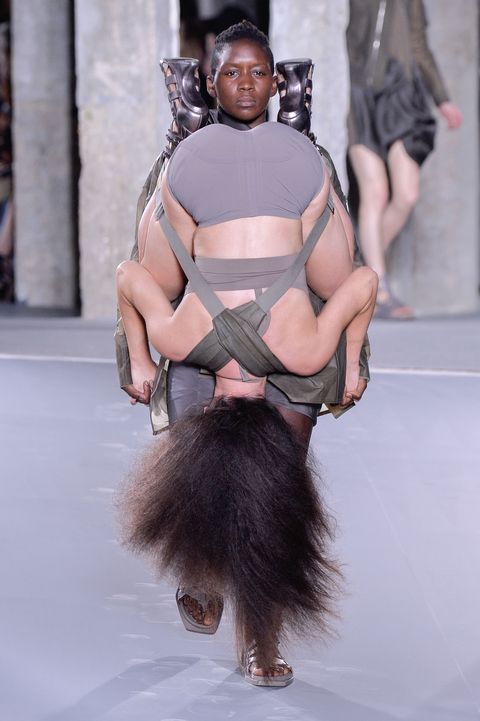
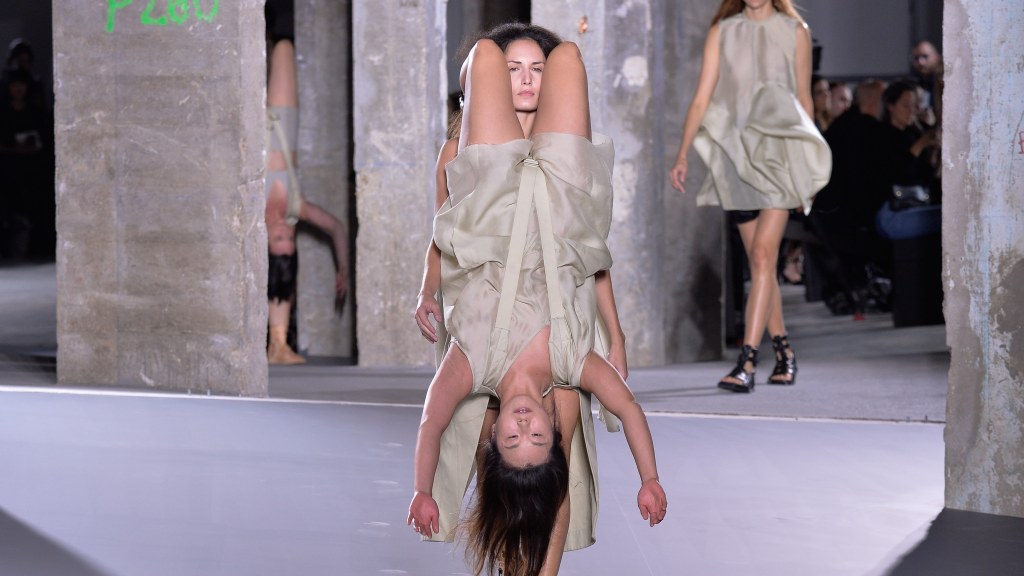
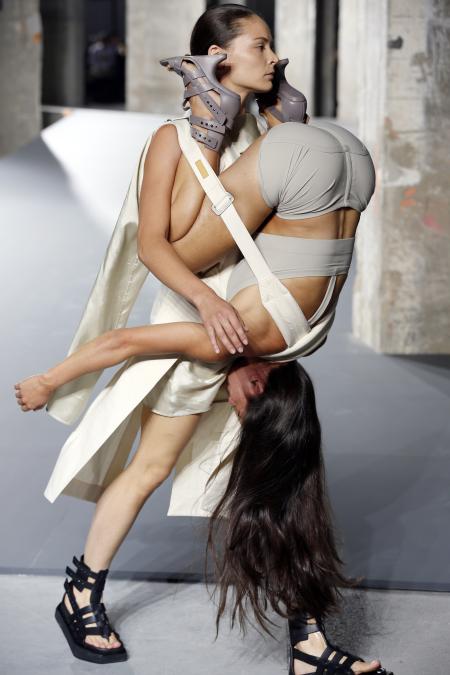
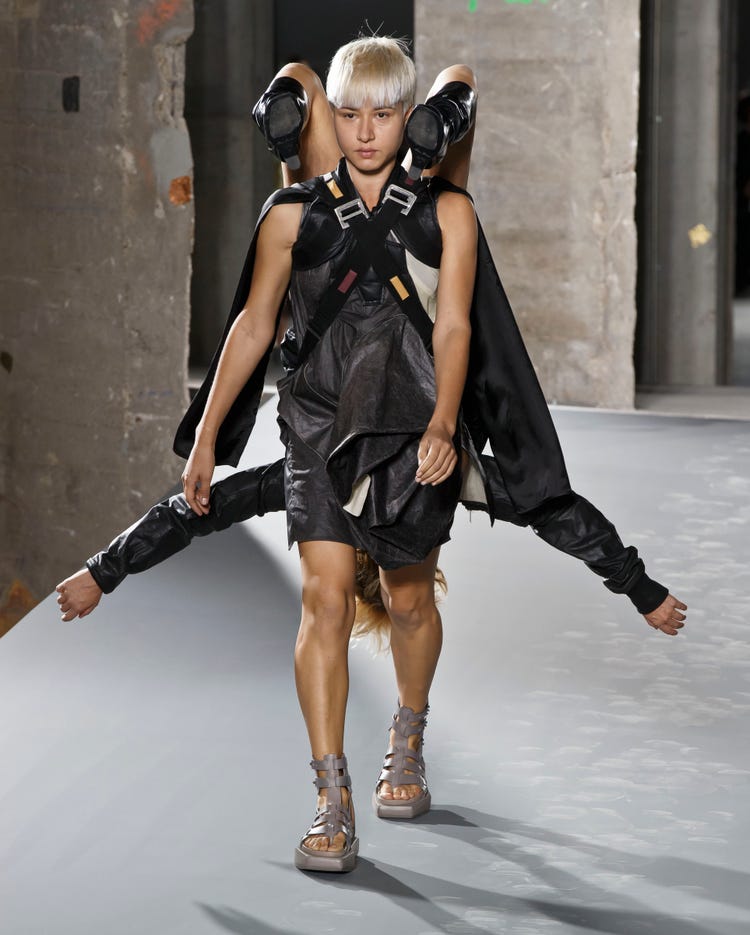
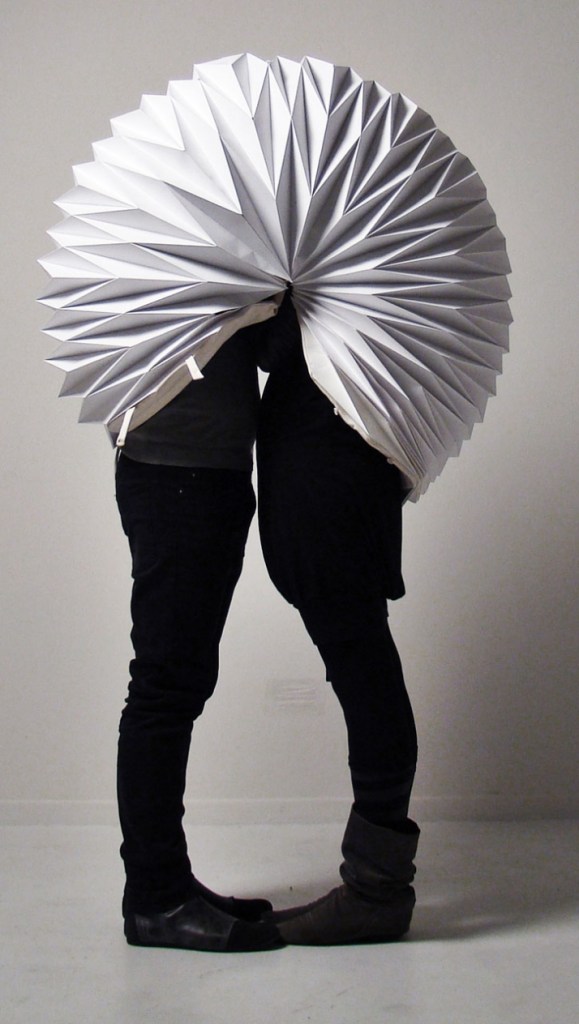
This was another example of garments warranting action by two people that I found. Rick Owens stated that it is about feminism and the bonds between women. I think this breaks up the body and forces it to be viewed in different ways, which is cool and surprising. I’m getting ready to do some sketching and this is something I will consider.
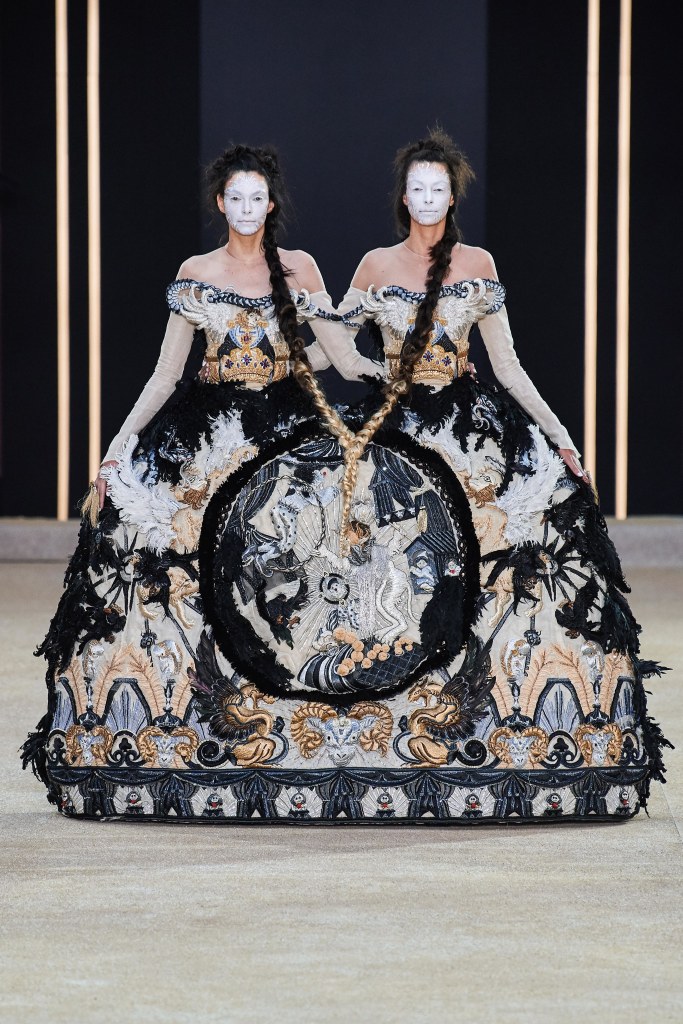
I think I am set on making a two person garment, or a garment that warrants interaction between two people. There aren’t too many precedents that I could find, but I’ve attached some below.
I think these garments in most cases are equalizers, and that is something i’d rather work against. For example the hair tied together in the guo pei garment below (and the hands and dress) forces the models to stay in sync and work together. I think a way to bust that is asymmetry and a difference in ways of movement (maybe one person has greater range of motion than another?)
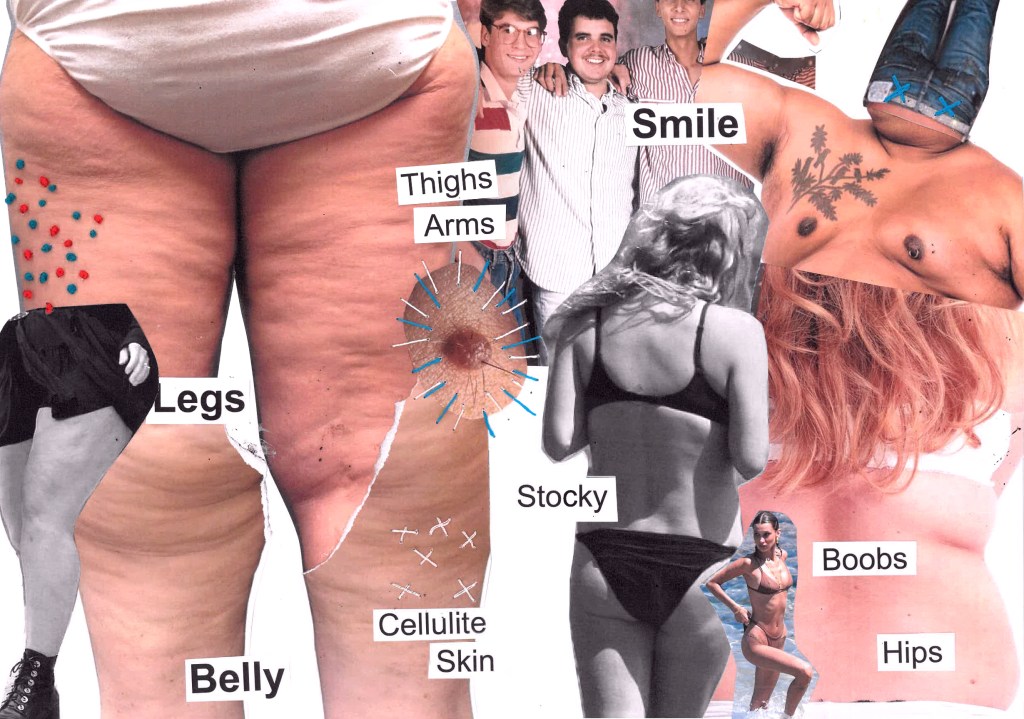
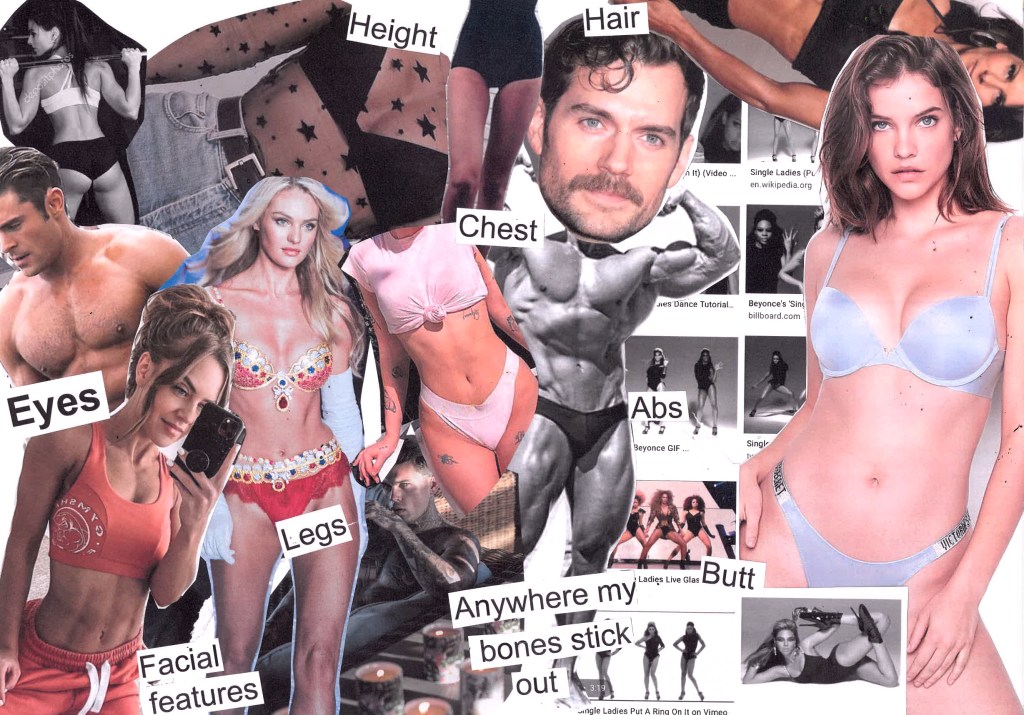
Below are the survey results of desirable and undesirable body aesthetics (the words used are from the survey as well). To be honest, there weren’t too many surprising results. I did notice that the desirable photos were a lot more “aesthetic”. Also, one thing that I found interesting was that multiple people said that they were self conscious of their smile.
It would be nice to use this research and reconcile it with what I want to do with two person garments.
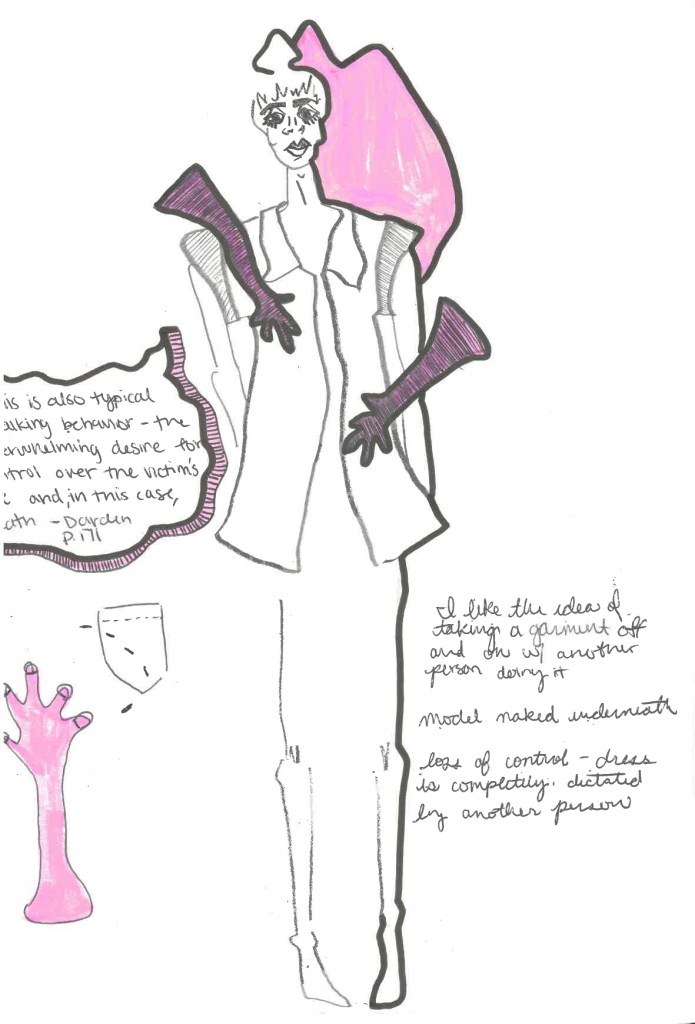
Over break, I read this book by Chris Mohandie, who is an FBI profiler. And I read the book as a completely unrelated thing, but I was interested when he started talking about the dynamic of power and control in relationships between serial killers/stalkers and their victims. In my last project I started to think about how I was more interested in control so that caught my attention.
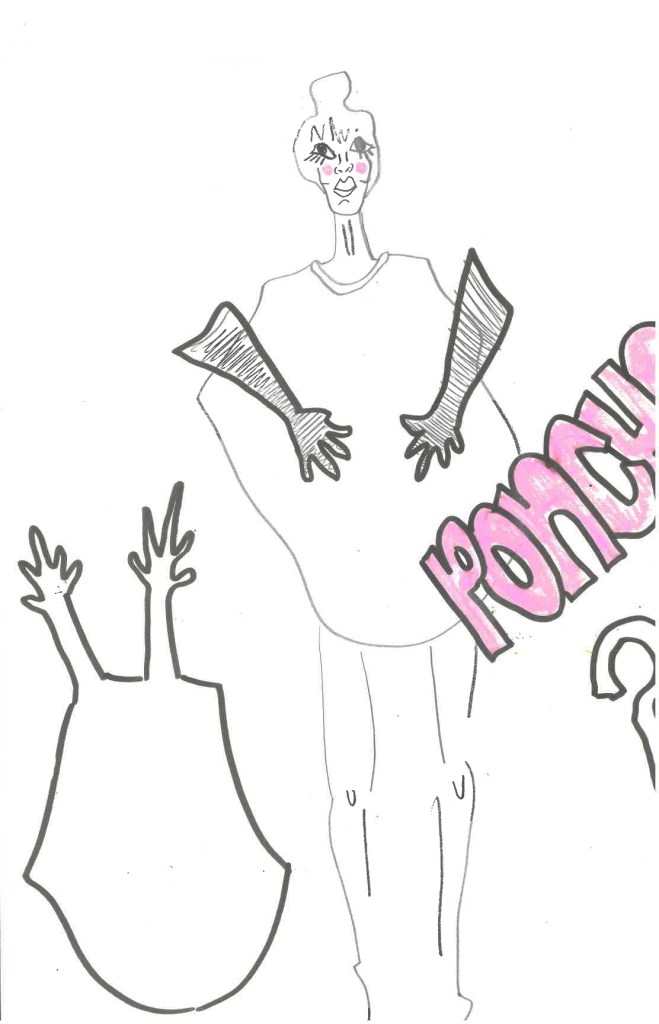
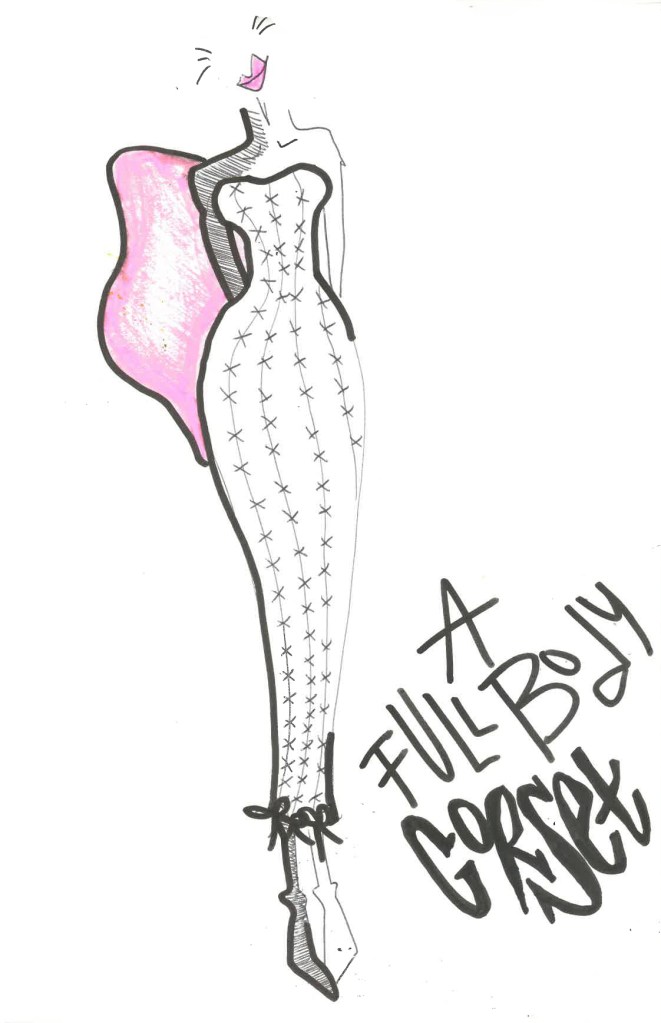
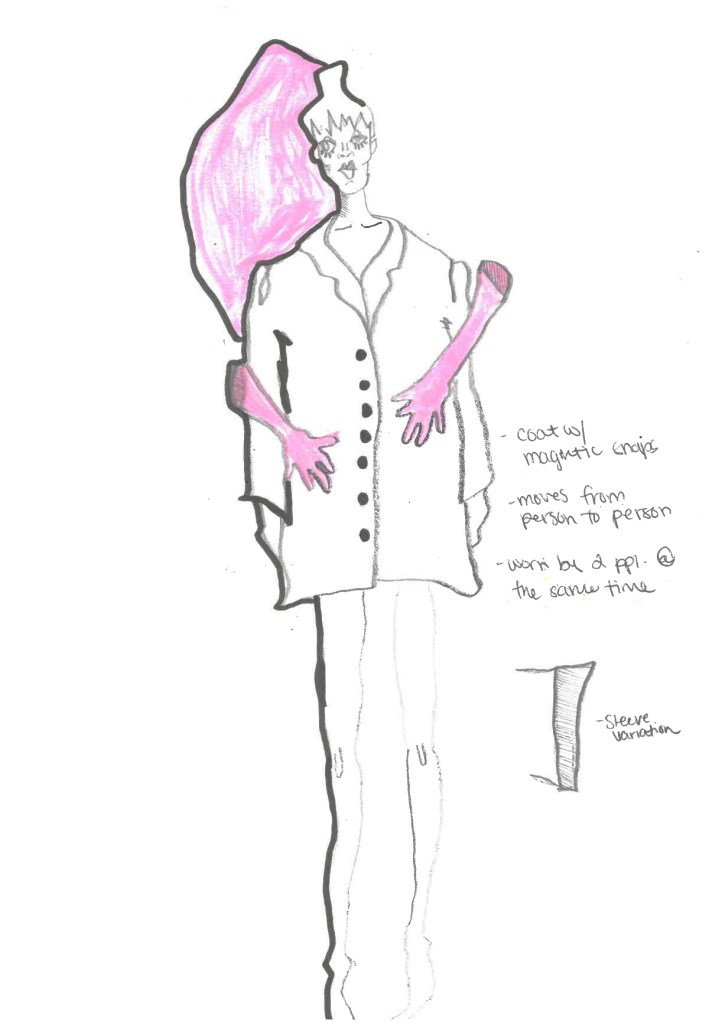
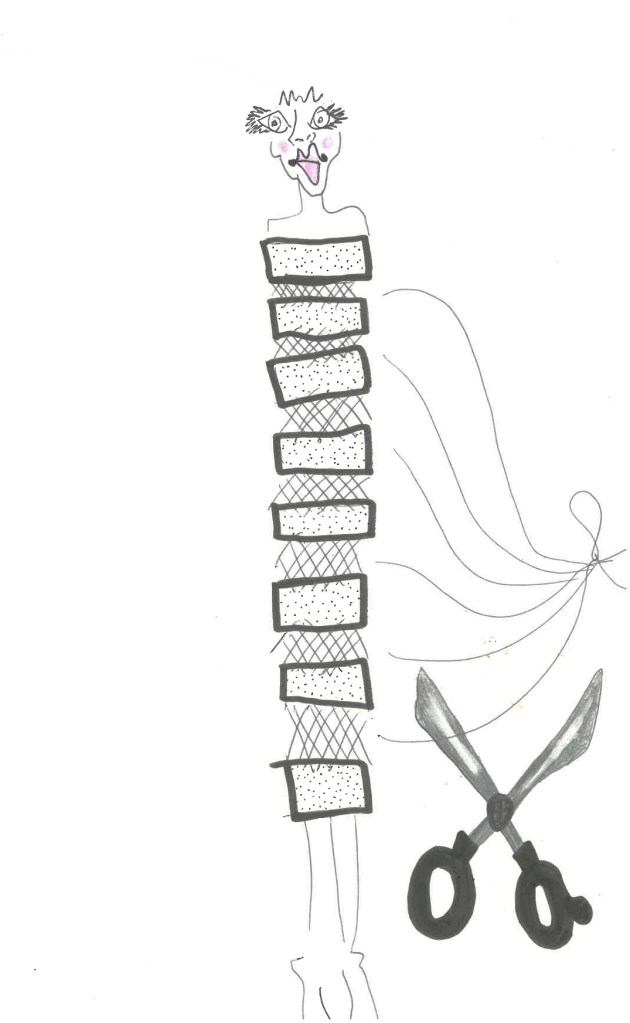
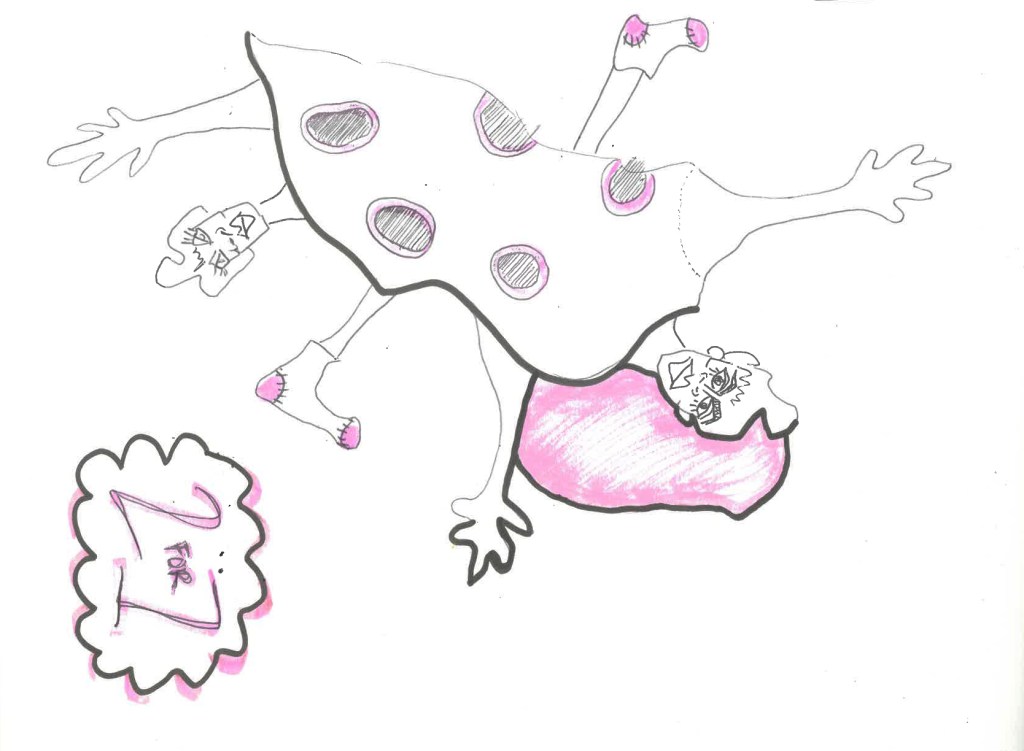
So because of that I was interested in making a garment that warrants action by two people or a garment that is supposed to be worn by two people, where one person has more control over the orientation or how it is worn. I did some initial sketches (a lot with gloves) so that the garment could be easily transferred between two people.
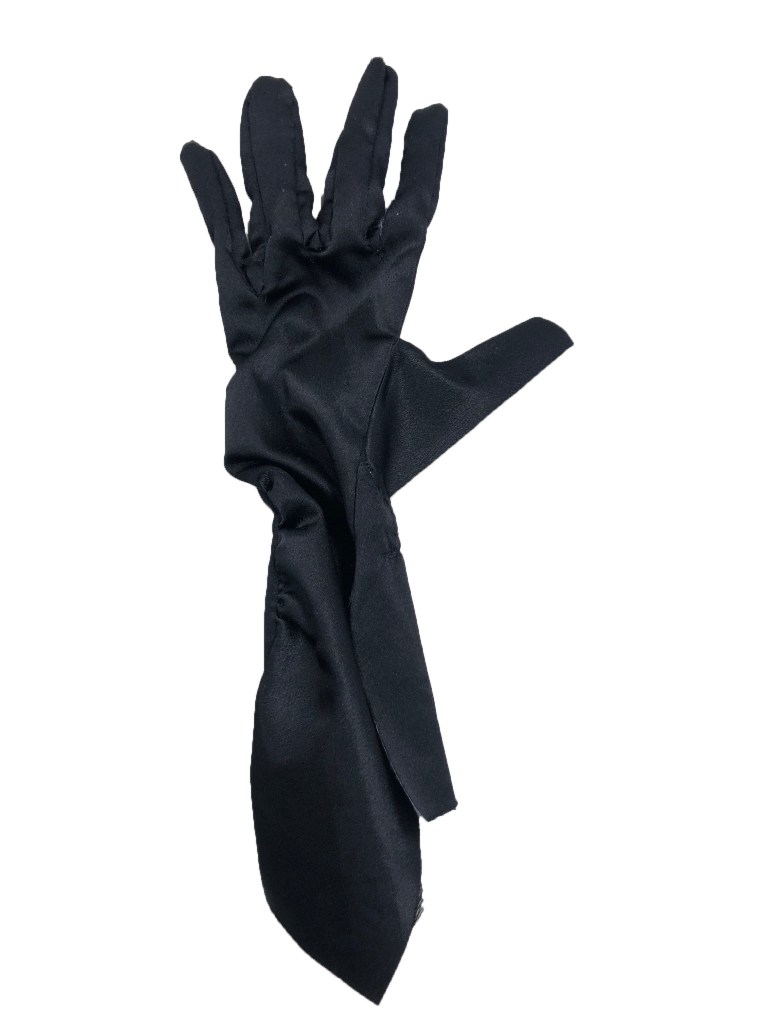
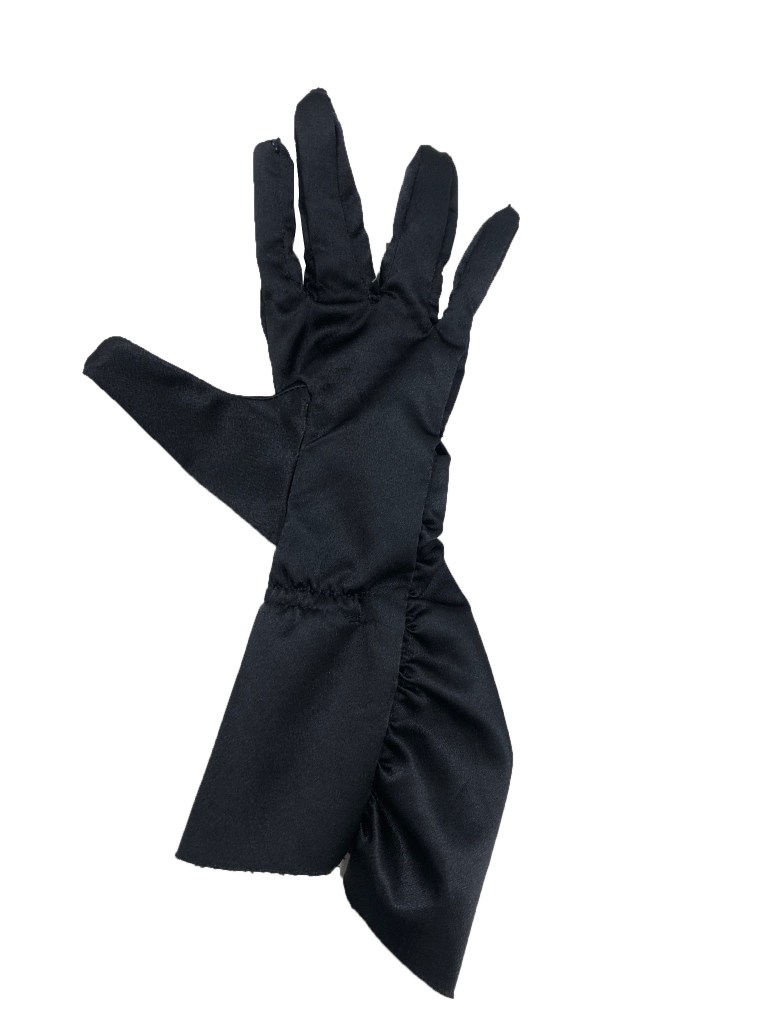
I tried to sew a glove and it was SO HARD so I’m not sure that that is the avenue in the garment’s manifestation, but I like the concept of a two person garment.
See sketches and glove sample below. I want to develop and research 2 person garments more before I do another round of sketches.
This is also typical stalking behavior- the overwhelming desire for control over the victim’s life and, in this case, death
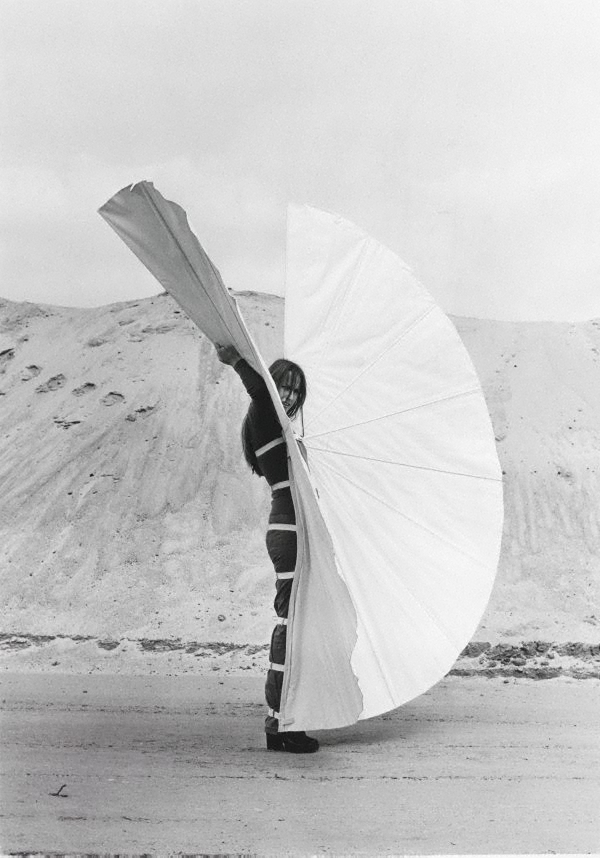
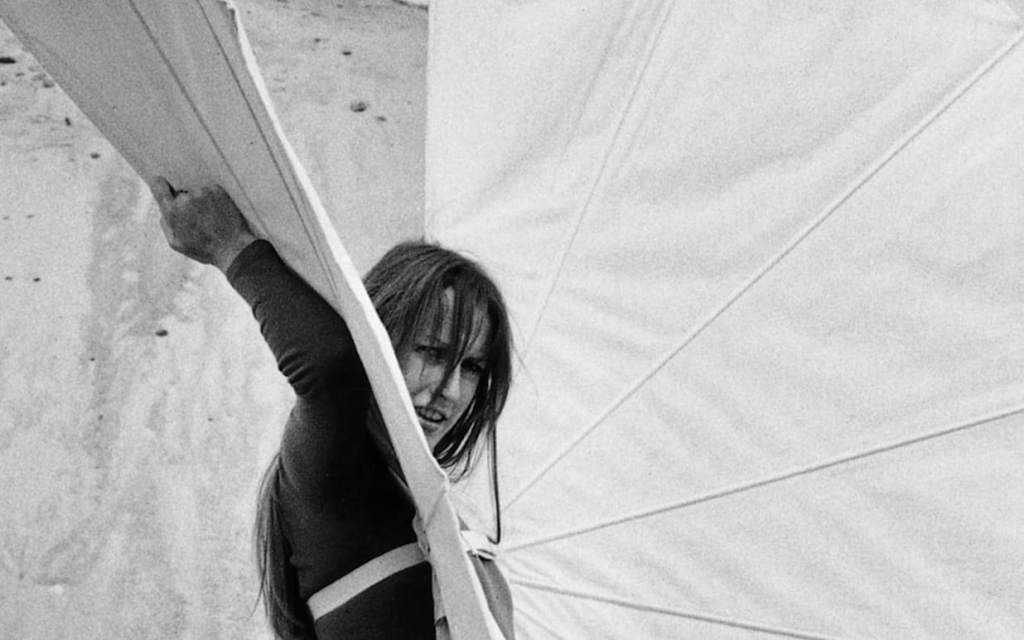
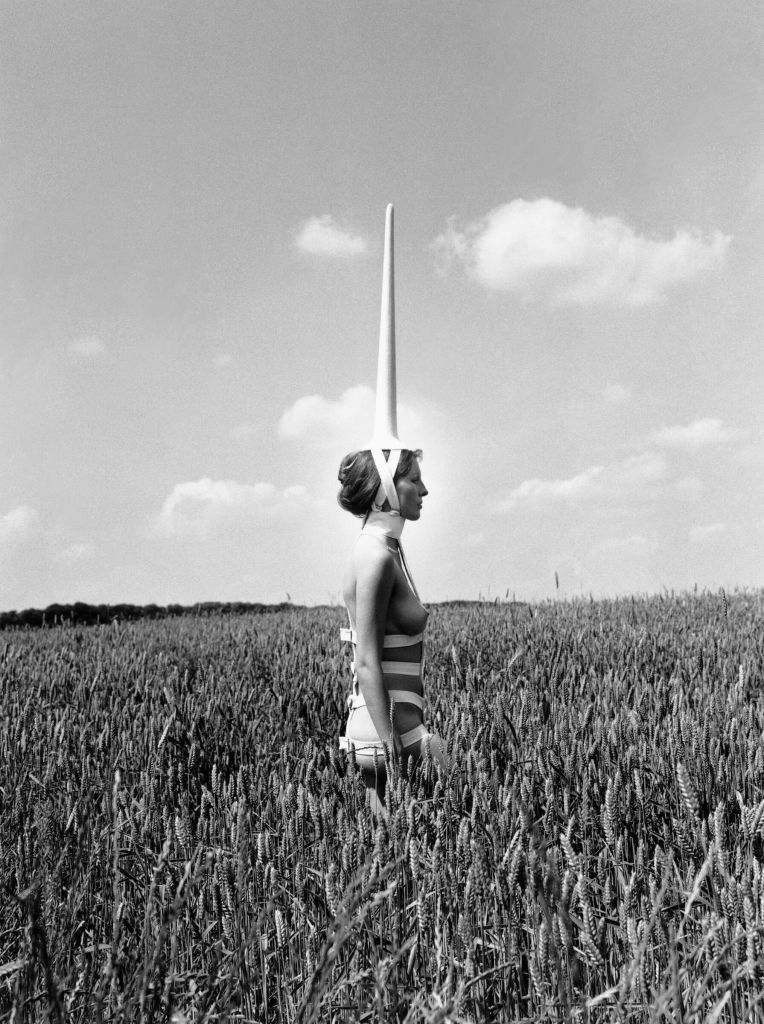
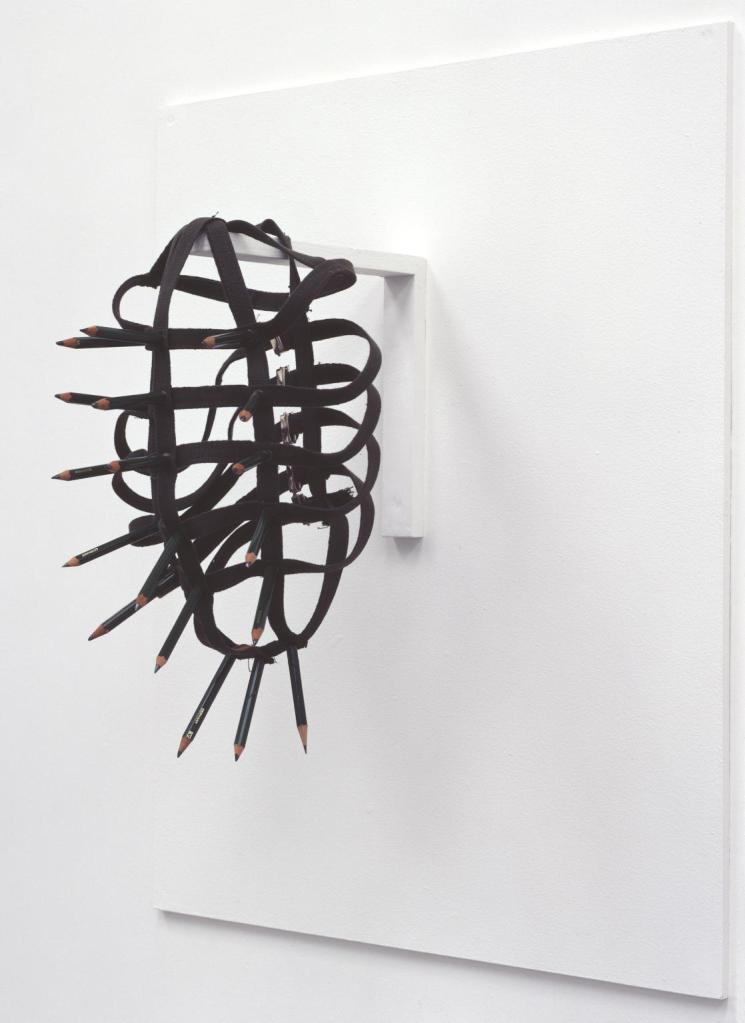
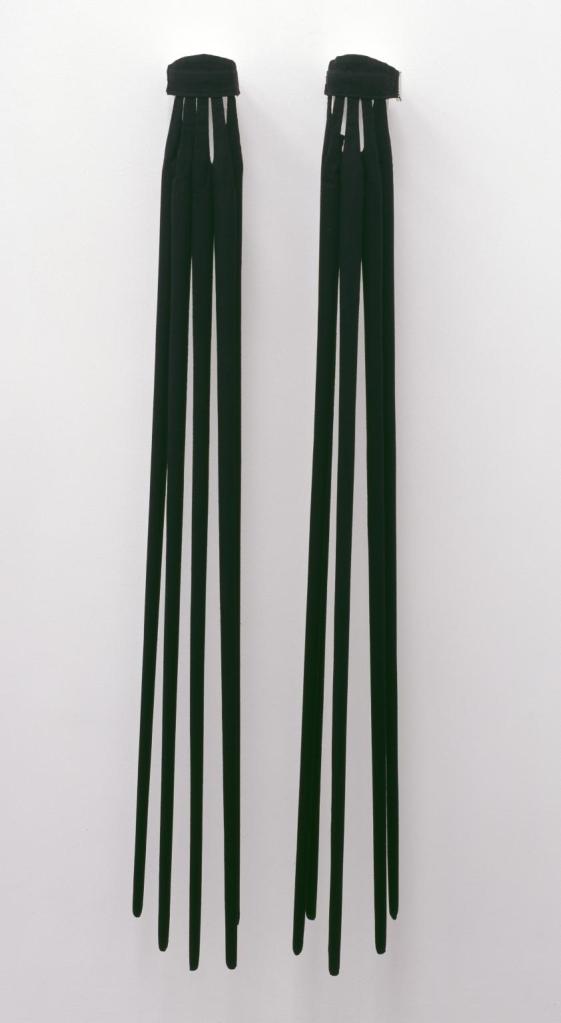
Niko Suggested that I look at Rebecca Horn’s work for her performative elements. Rebecca is a German visual artist, who is best known for her installation art, film directing, and her body modifications such as Einhorn (Unicorn), a body-suit with a very large horn projecting vertically from the headpiece.
While these works seem like tools for improving human capability, the resulting effects are often debilitating or grotesque, serving only to draw attention to the limitations of the wearer’s body.
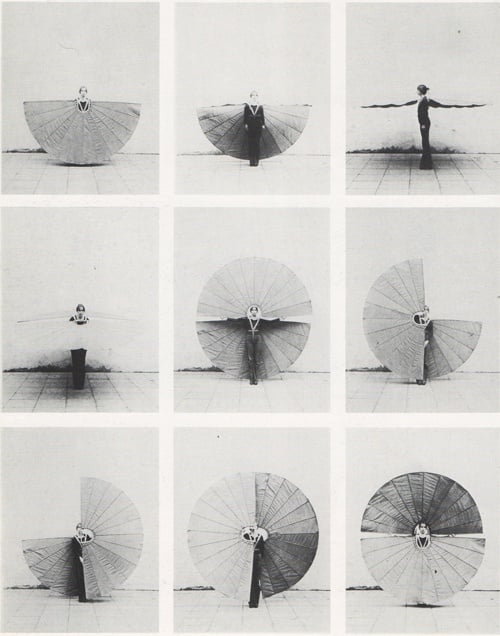
I obviously love how involved and performative her garments are. I also loved how she has documented them in a series (shown below). For me, what is most important is the kinetic elements to the work. Every single piece forces the viewers to look at the human body with a new focus, an this to me is exciting.
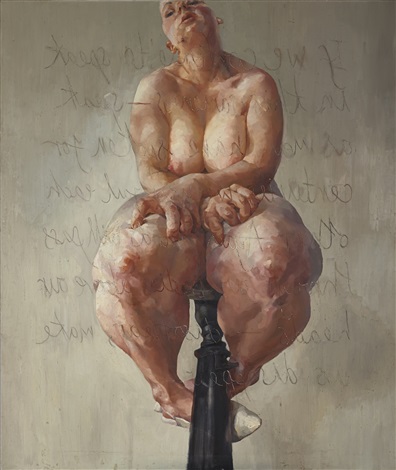
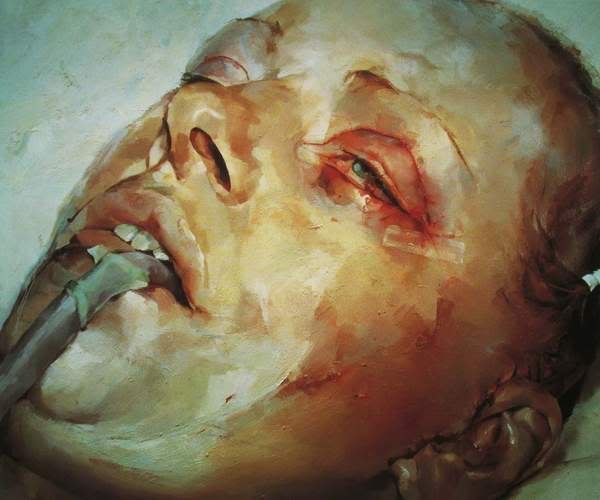
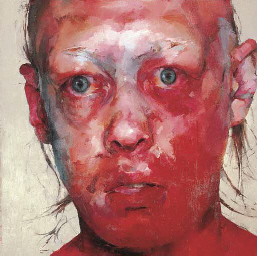
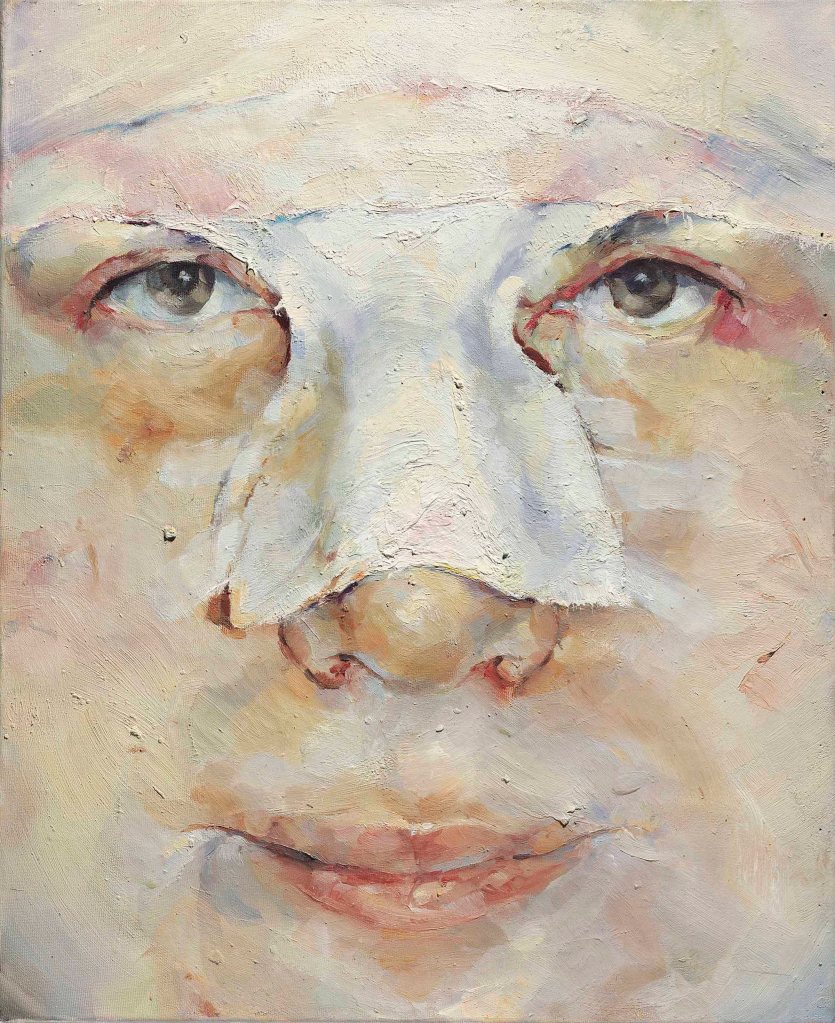
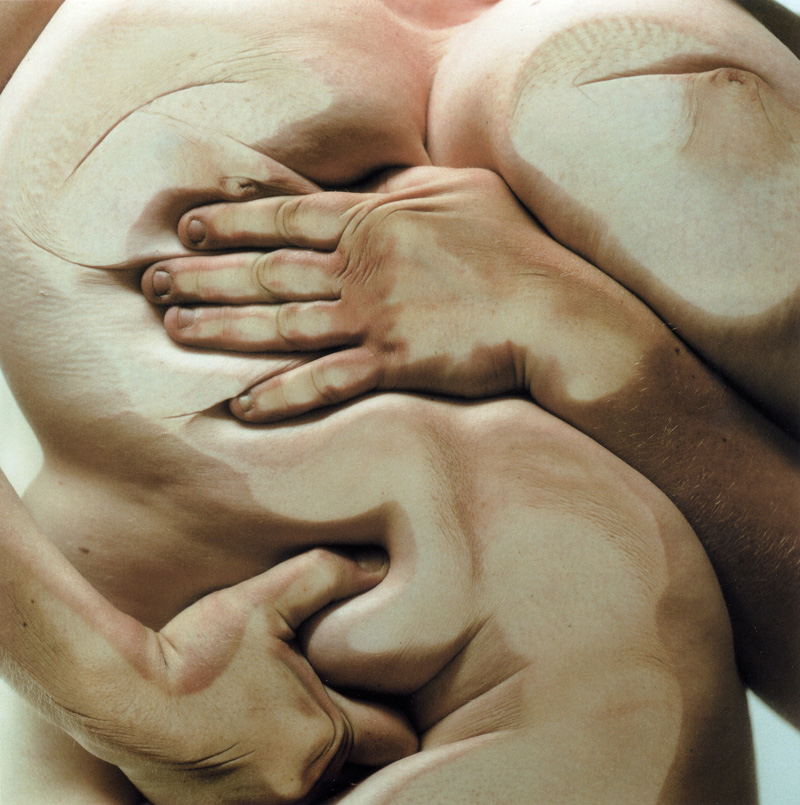
Teresa Santos suggested that I look at Saville’s work (in the comments of my last post) and I’m honestly in love with her work! The exaggerated proportions are so real in a way… very provocative to me.
Saville has an interesting background and study method where she actually goes to visit plastic surgeons as they work. She dissects animals and goes to the morgue, and deeply studies the figure, which is so important. In my opinion. To effectively, “break” the rules you have to know them first.
In her depictions of the human form, Jenny Saville transcends the boundaries of both classical figuration and modern abstraction. Oil paint, applied in heavy layers, becomes as visceral as flesh itself, each painted mark maintaining a supple, mobile life of its own. As Saville pushes, smears, and scrapes the pigment over her large-scale canvases, the distinctions between living, breathing bodies and their painted representations begin to collapse.
In the previous project, Investigate, I explored new methods of making, while reflecting on similar themes from the previous project.
The method of working that I used was to make, paint and unmake. What I liked about this was that you could see the process, time and evolution of the pieces. You can also begin to envision what the object looks like in 3D, due to the drag lines across the ripples of the fabrics. I’M NOT SURE THAT I WANT TO USE THIS SPECIFIC METHOD IN THE NEXT PROJECT… but….
I like the contradiction of the abstract painting method and the restrictive elements together (how will I continue this?)
Unilaterally, the tutors have agreed that video is a strong way to document my work, I really enjoyed the performative elements of the painting videos, and this is something that I would like to take into the next project– possibly creating a garment that would instigate a sort of performance (kinetic elements?)
I am still very interested in themes of control (over what is natural/over our own bodies (related more to women)) and restriction
I also enjoyed experimenting with color and I think that I can communicate the themes I am interested in, in more interesting ways by using a completely different color palette (meaning not red and black, as per usual with me).
I was also interested in craft and education but I have to put those on the back burner because I already have enough to think about.
Something else successful was how I documented and catalogued the torn apart corset on one table. This is something I’ll keep in mind for the future.
Statement of Intent
What is the concept/idea behind your proposed project? What is unique about it?
I think I want to make garments that instigate a performance or action. The actions could be unique and very telling (I’m thinking of perhaps making all of the fastenings reveal “ugly” parts of the body….?). I want to think of a narrative element for the garment.
I’m interested in taking these themes (control and restriction) and making garments that have a lot of “pretty” elements in them for a strong contrast (like the painting and restricted elements).
What are the aims and objectives of your project?
Make a garment which lends itself to performance or actions
Be meticulous with color choices
What research will you undertake? How does this research relate to your developing practice?
Research performative garments/fashion collections/designers
Research on the performance of gender
Research color palettes and fabrics
How will your experimentation from the previous project become a resolved body of work?
I think I’ve done as much as I want to with the painting method, and I want to develop that further.

 Samantha's RCA Process