Material Tests Round 2 & Prep for Round 3

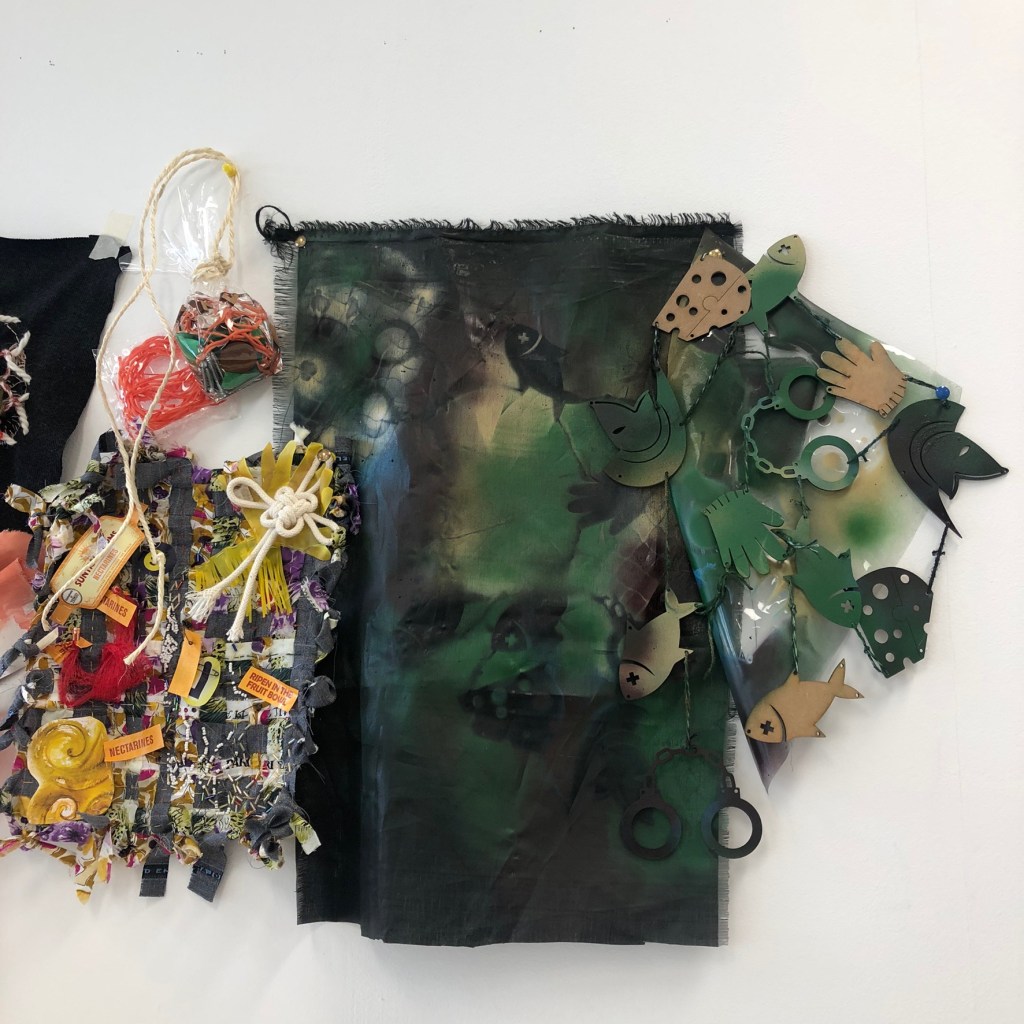
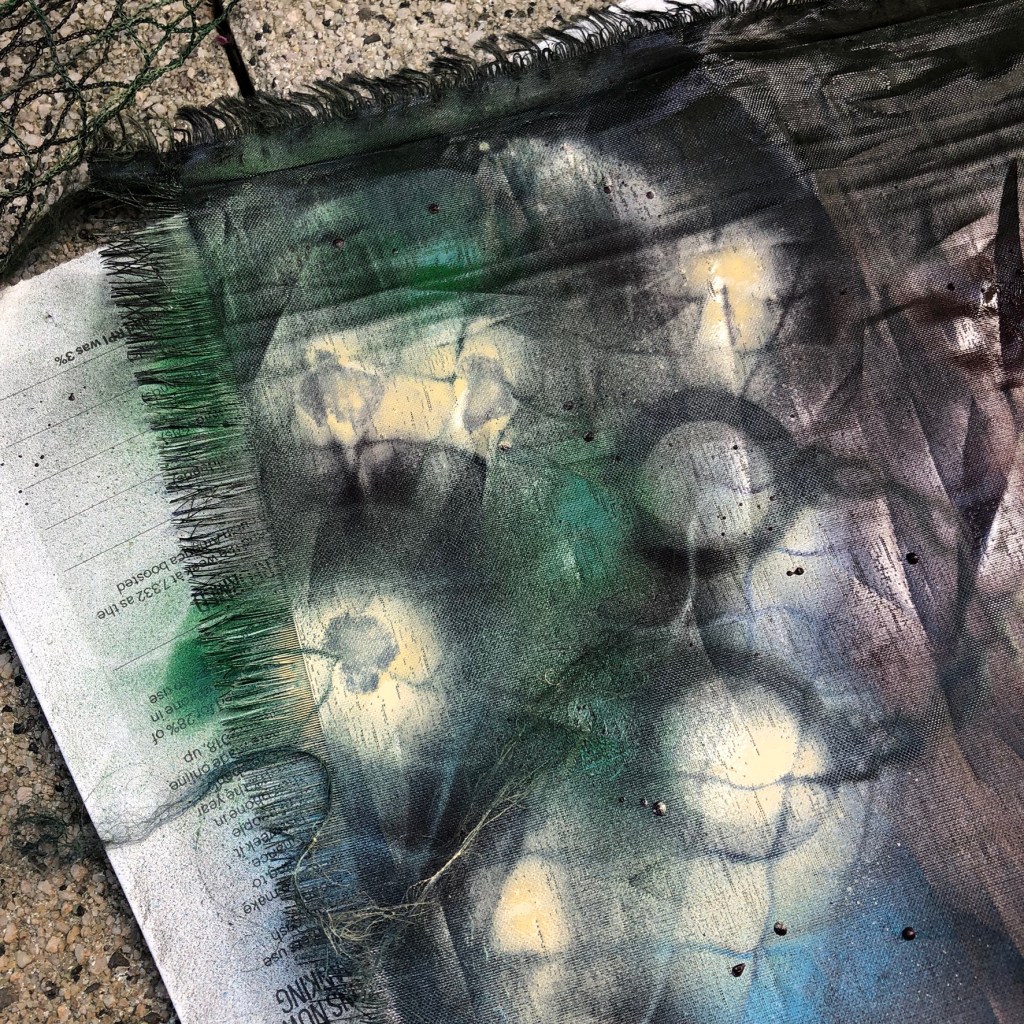
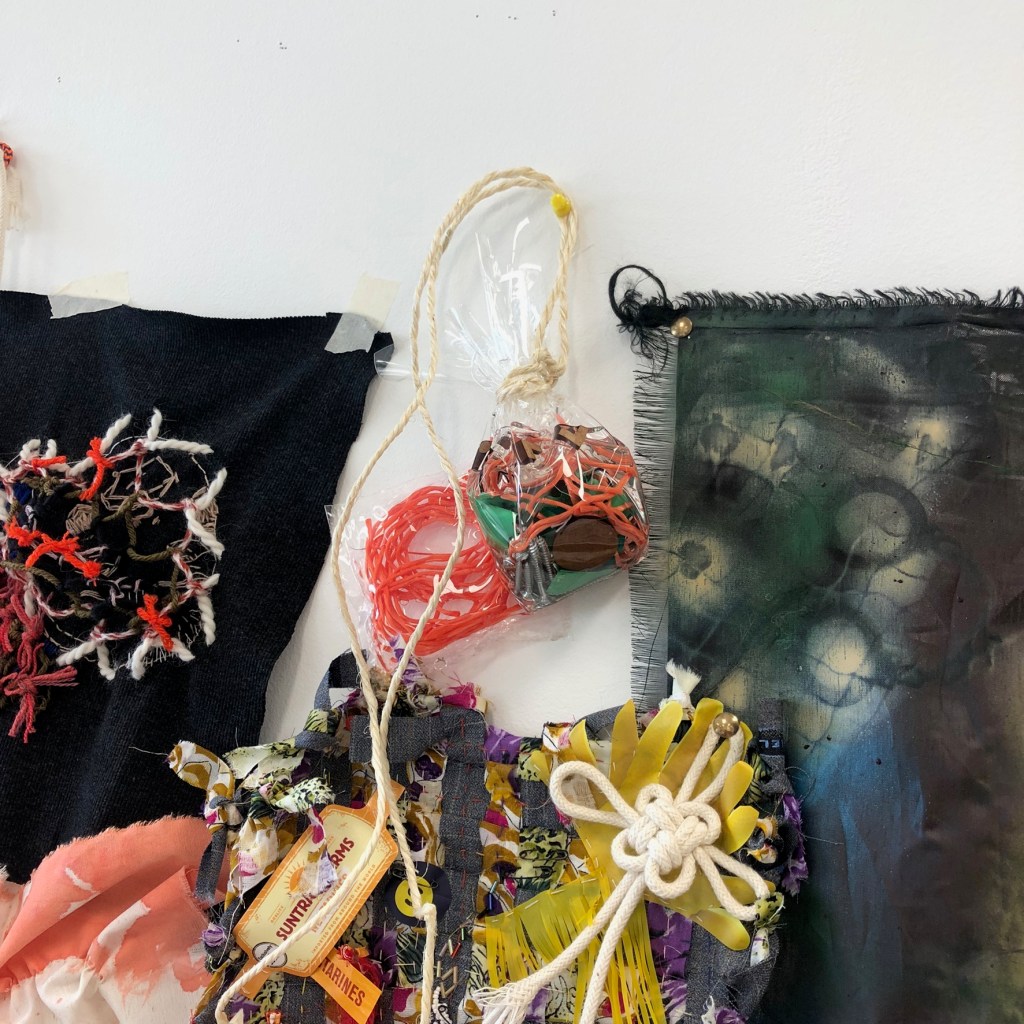
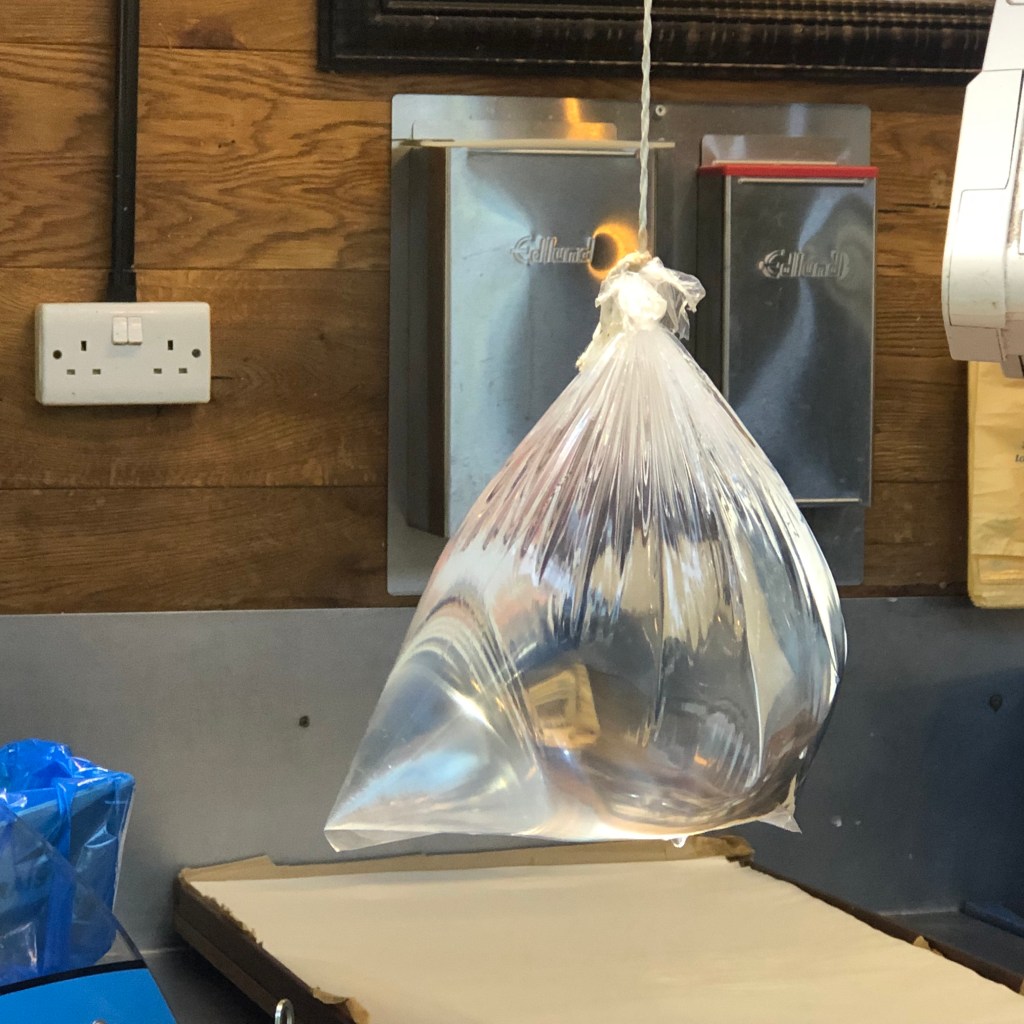
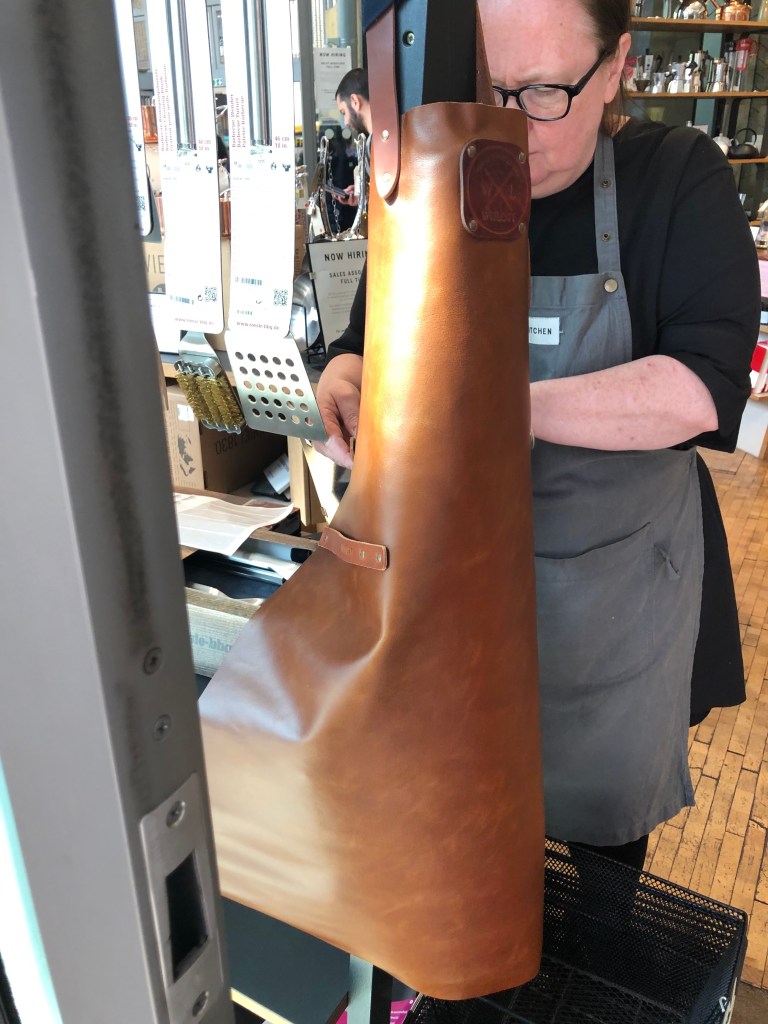
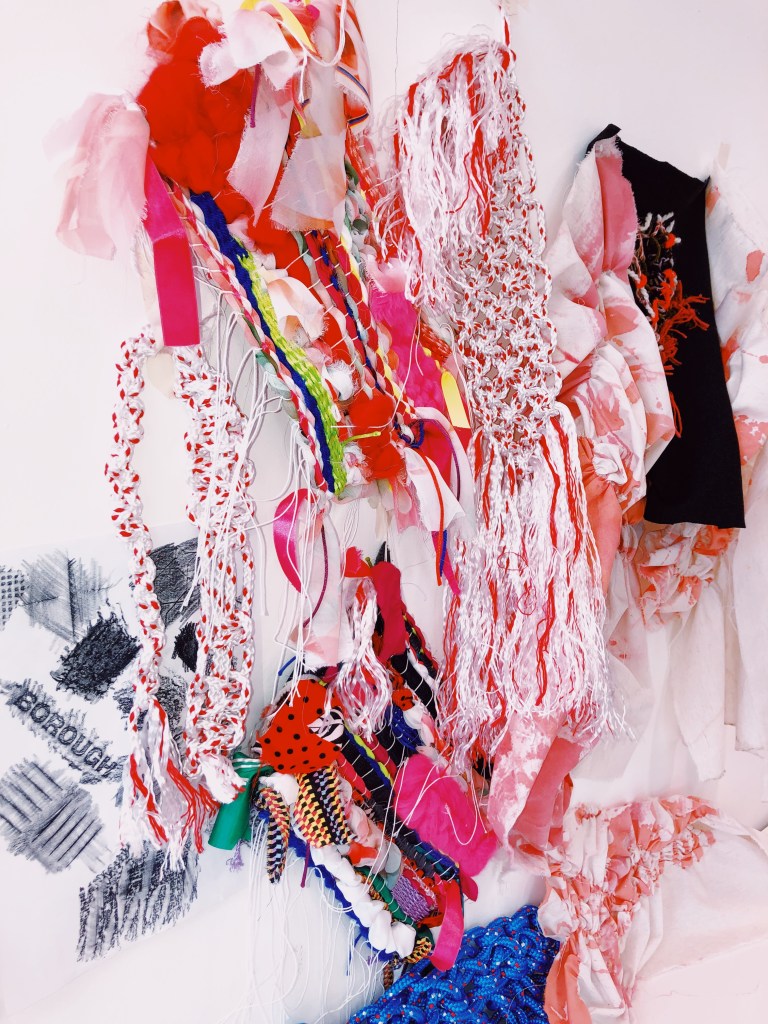
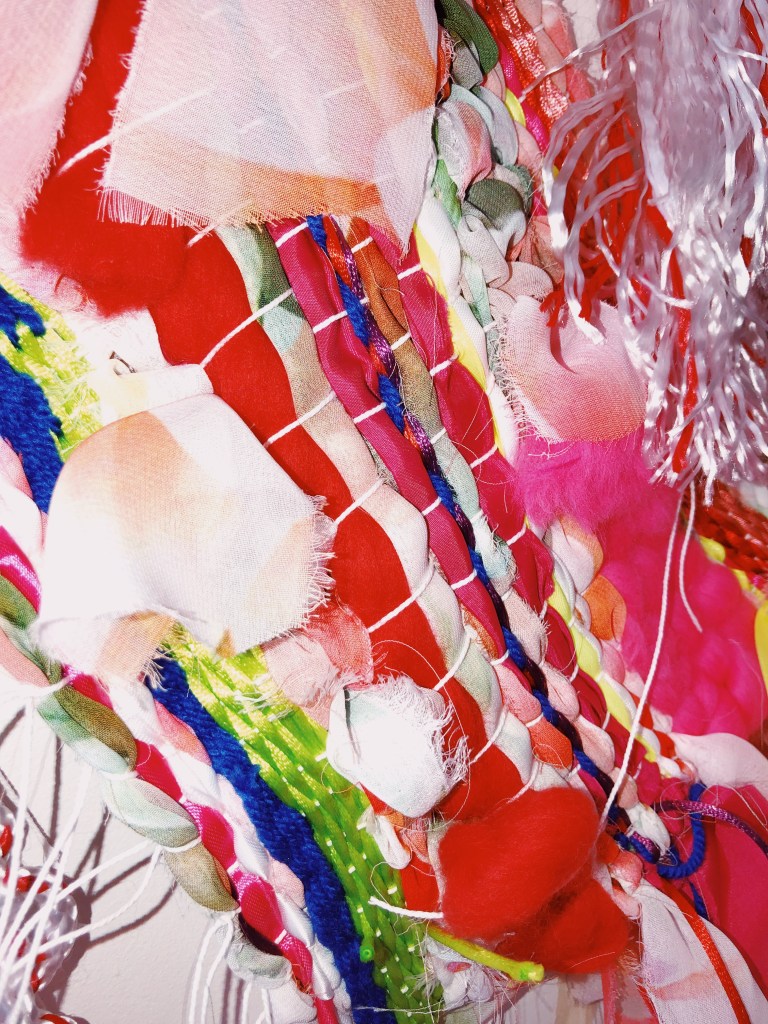
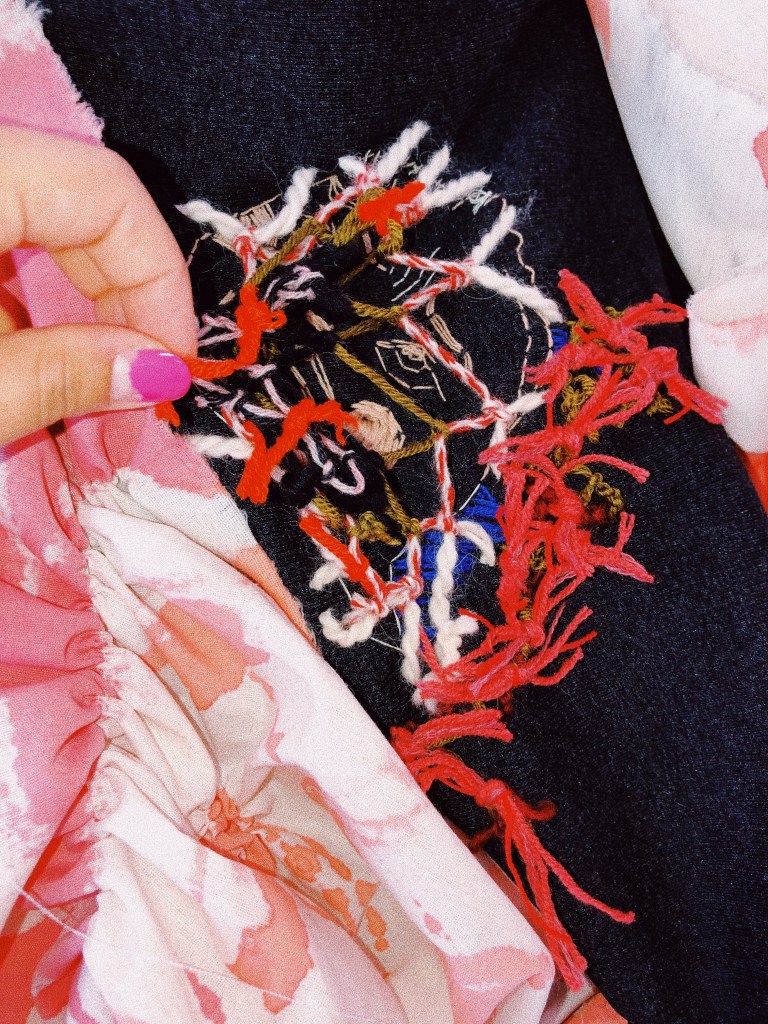
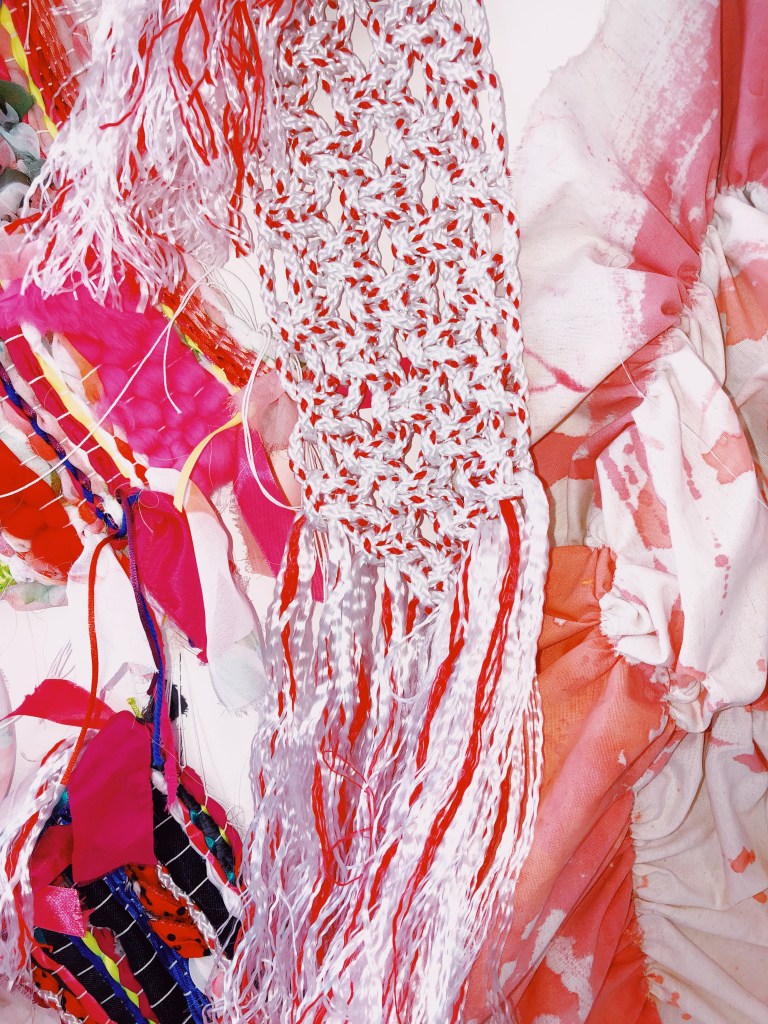
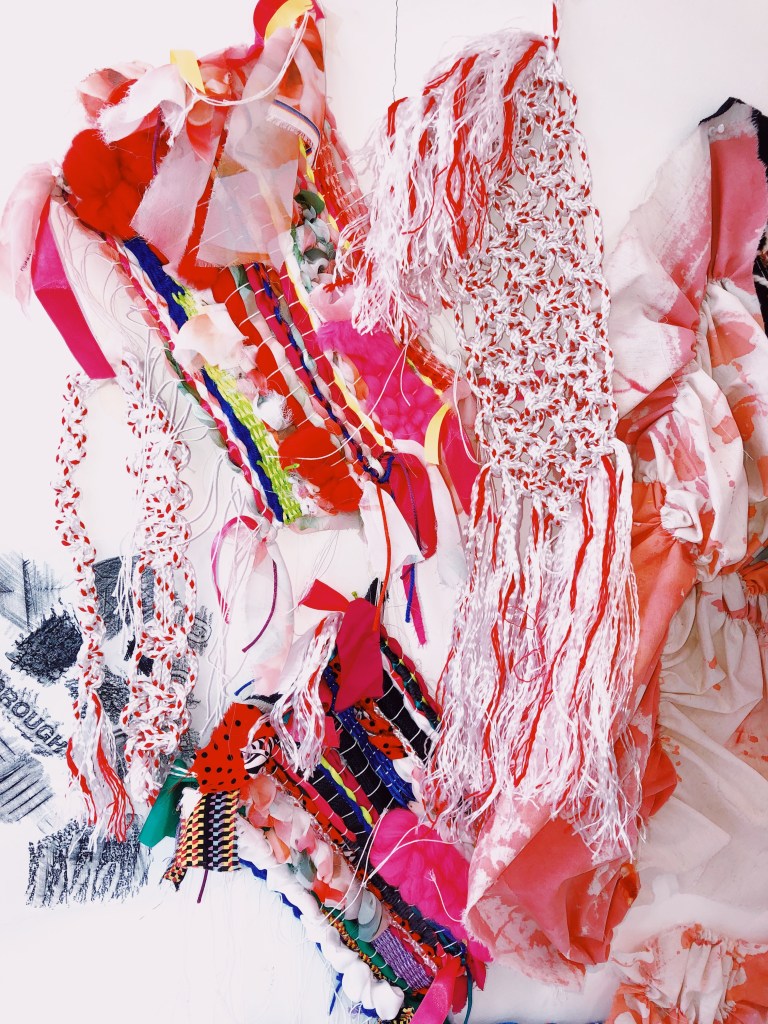
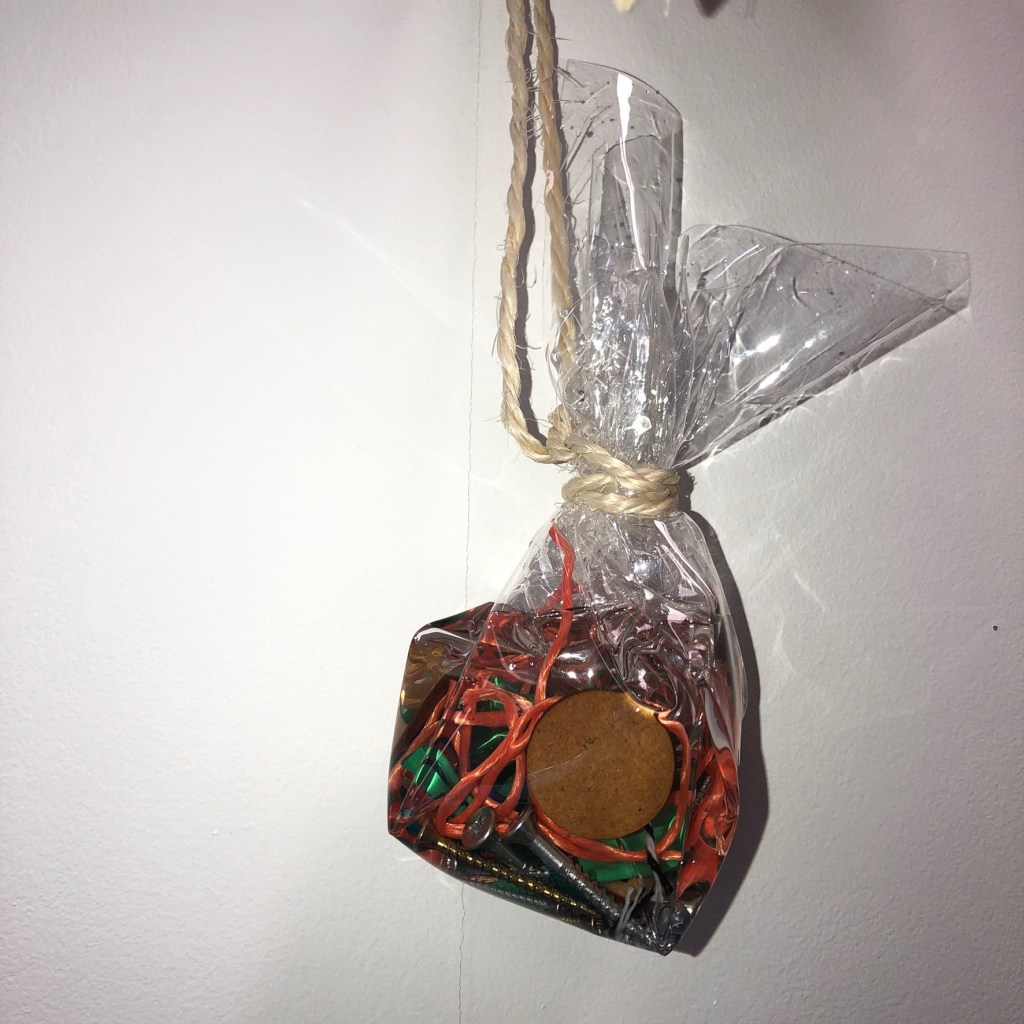
Today Suey and I met to do some material tests together, and prepped to do some more tests tomorrow. We are really excited about using the clear fabric and water for some tests, however its a bit messy and hard to control. Suey recommended we try resin to encase different materials, so I bought some for further testing tomorrow.

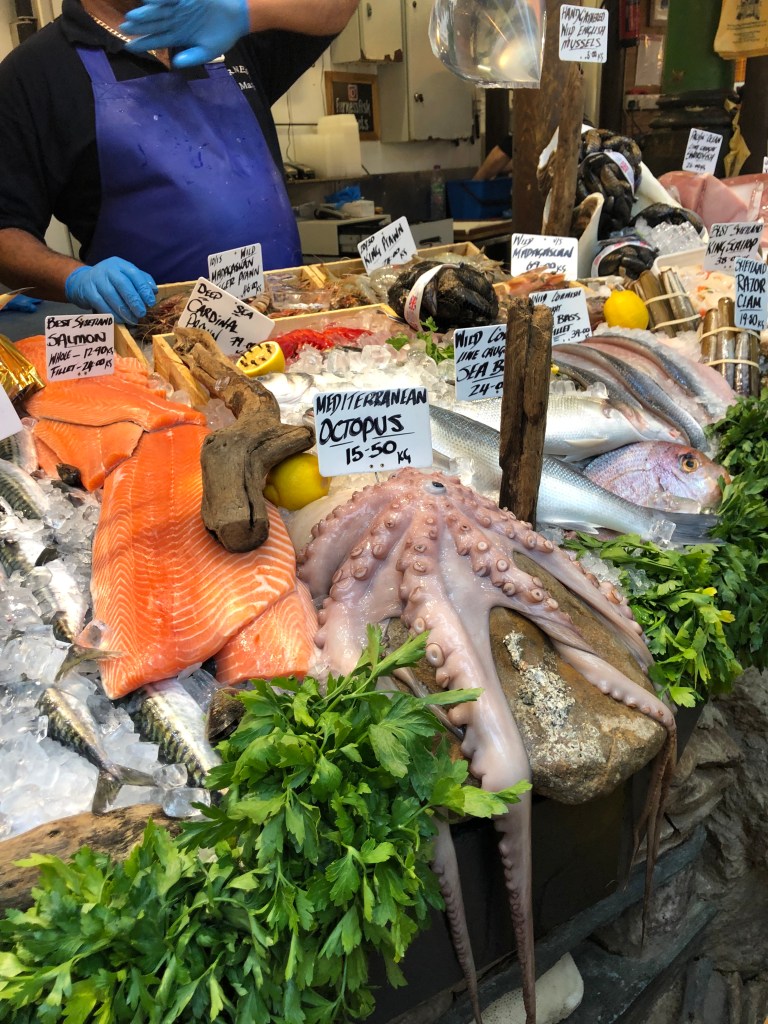
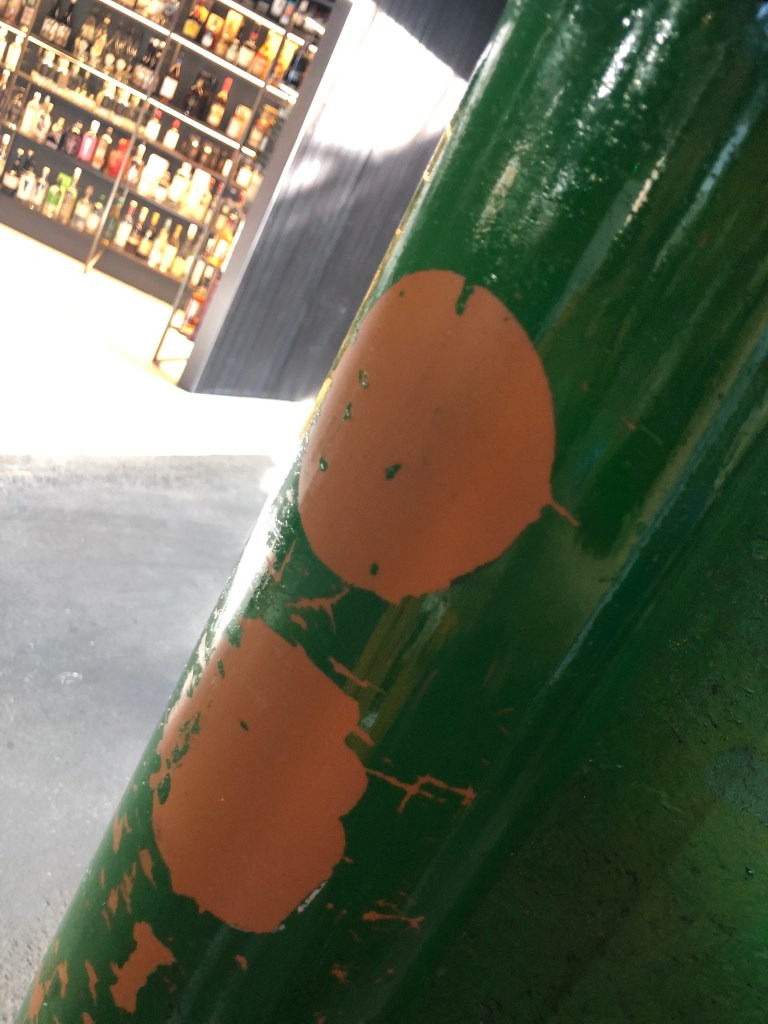
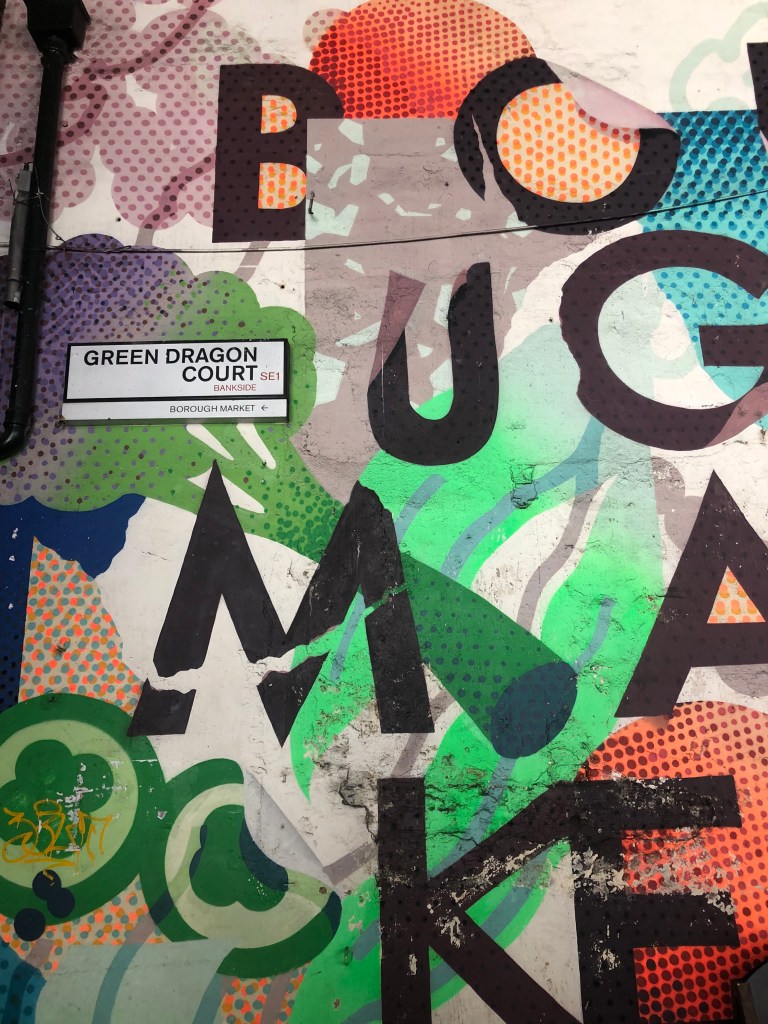
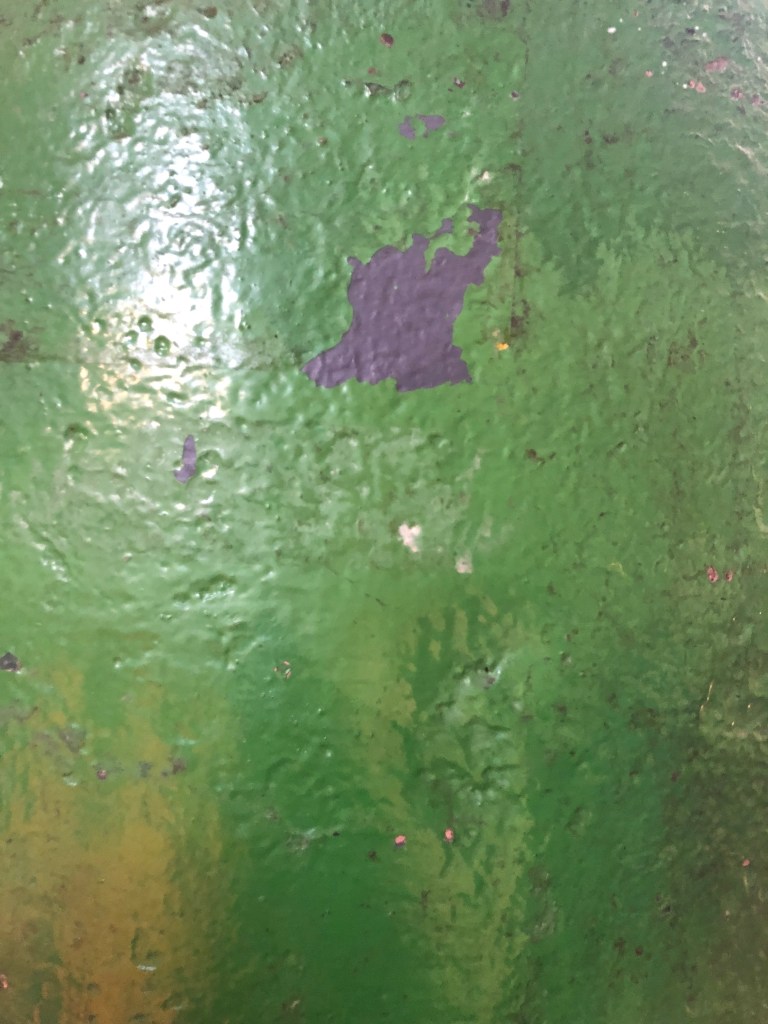
We also did some spray painting with colors inspired by Borough Market, and that turned out really nice.

Tomorrow I plan to:

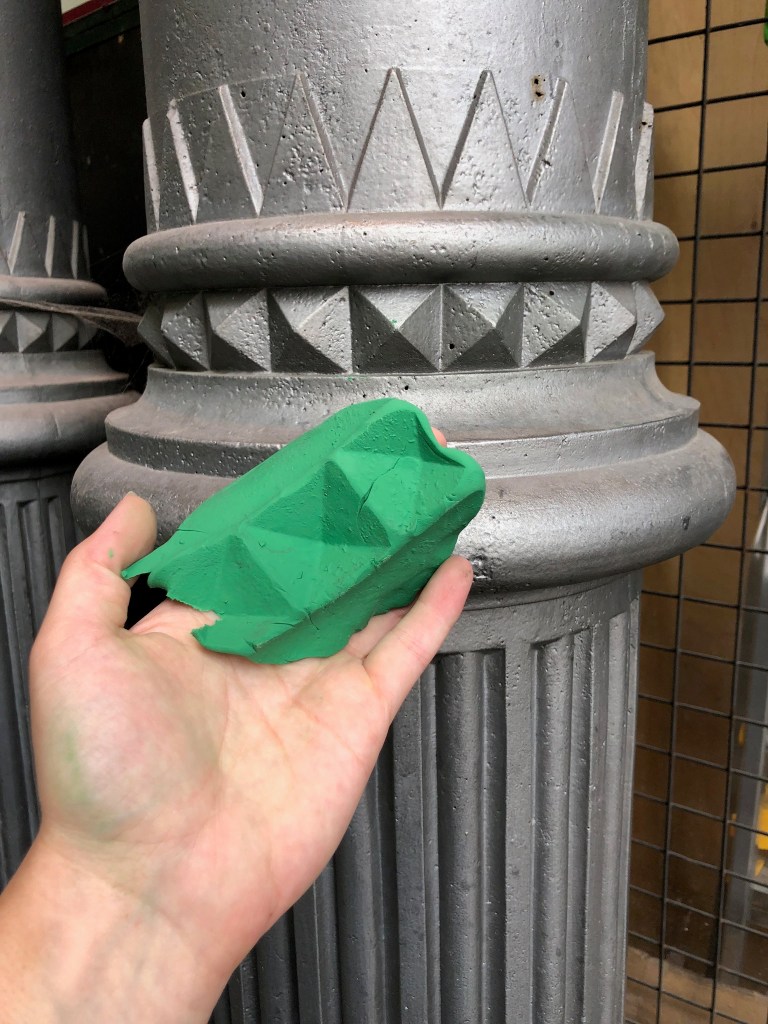
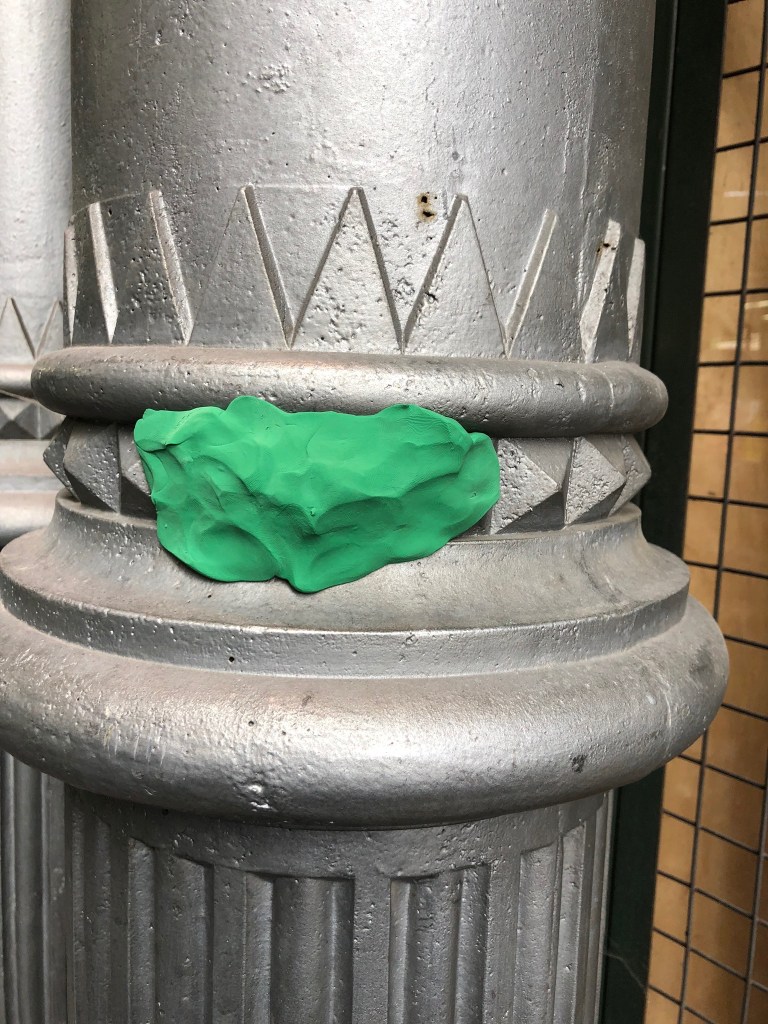
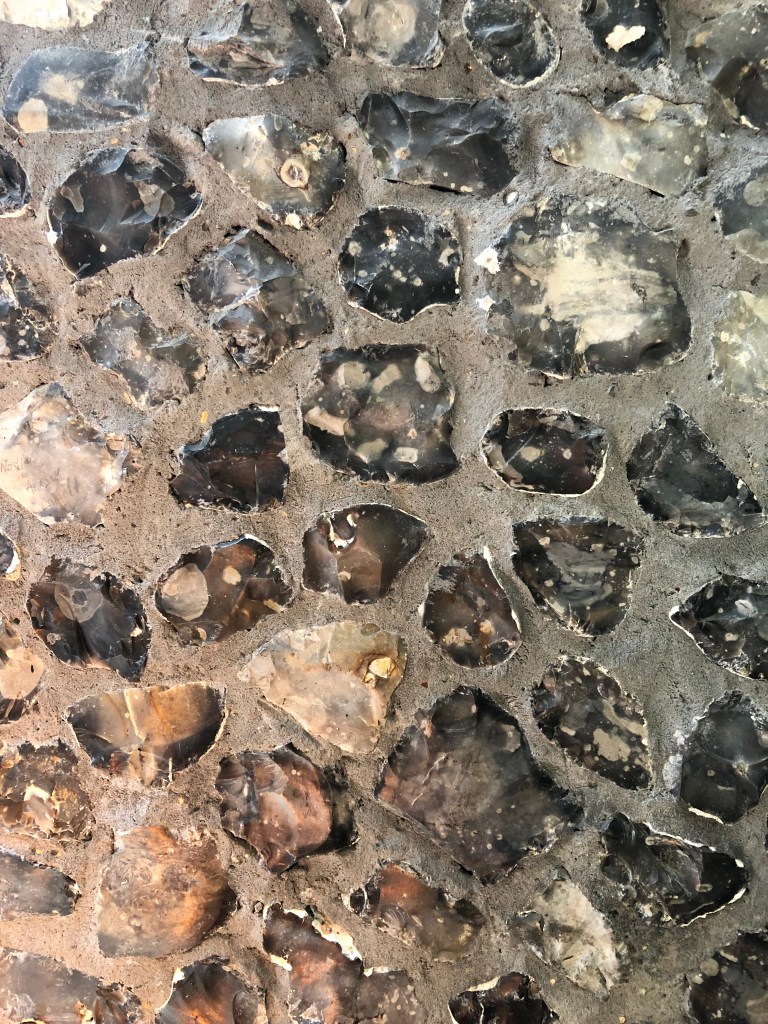
  • do some tests with resin and the casts I took at the market this weekend
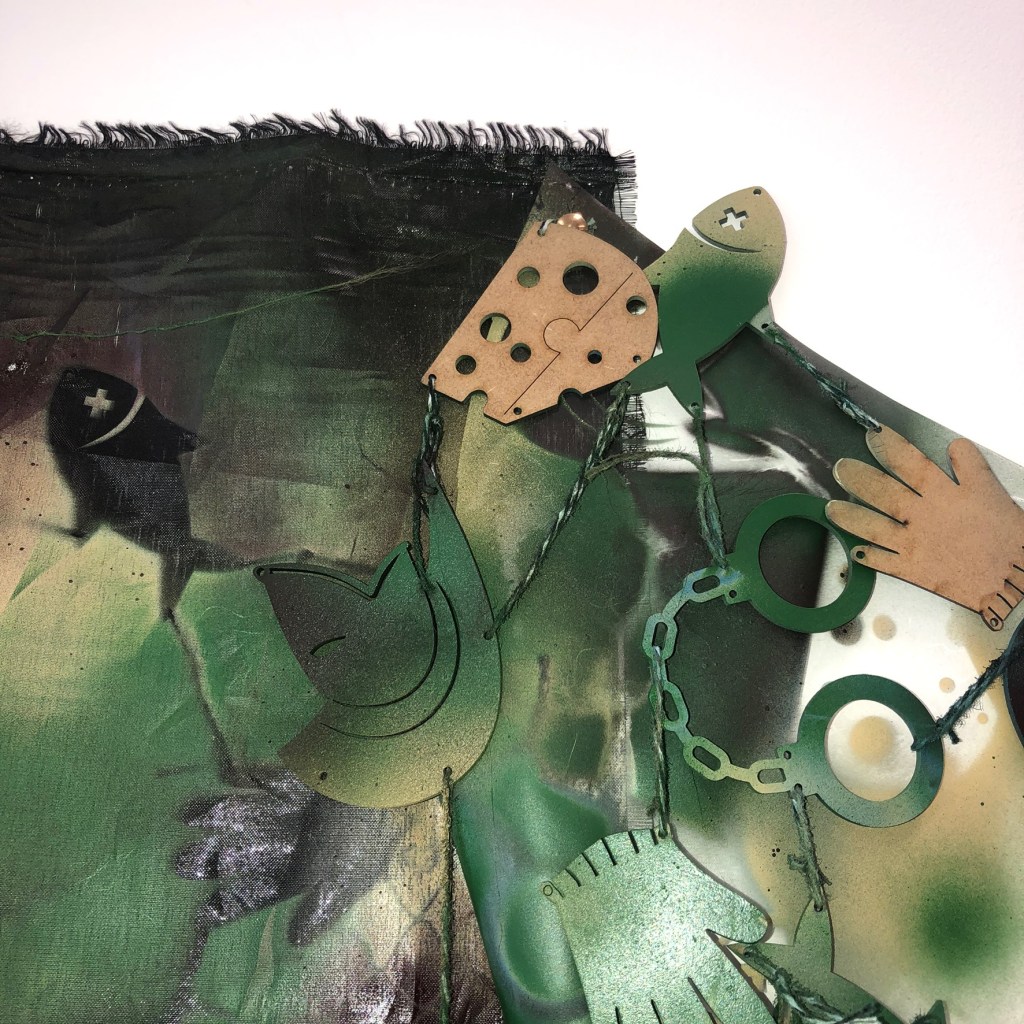
  • laser cut the dead fish motif onto clear acrylic
  • laser cut weaving holes onto felt and leather
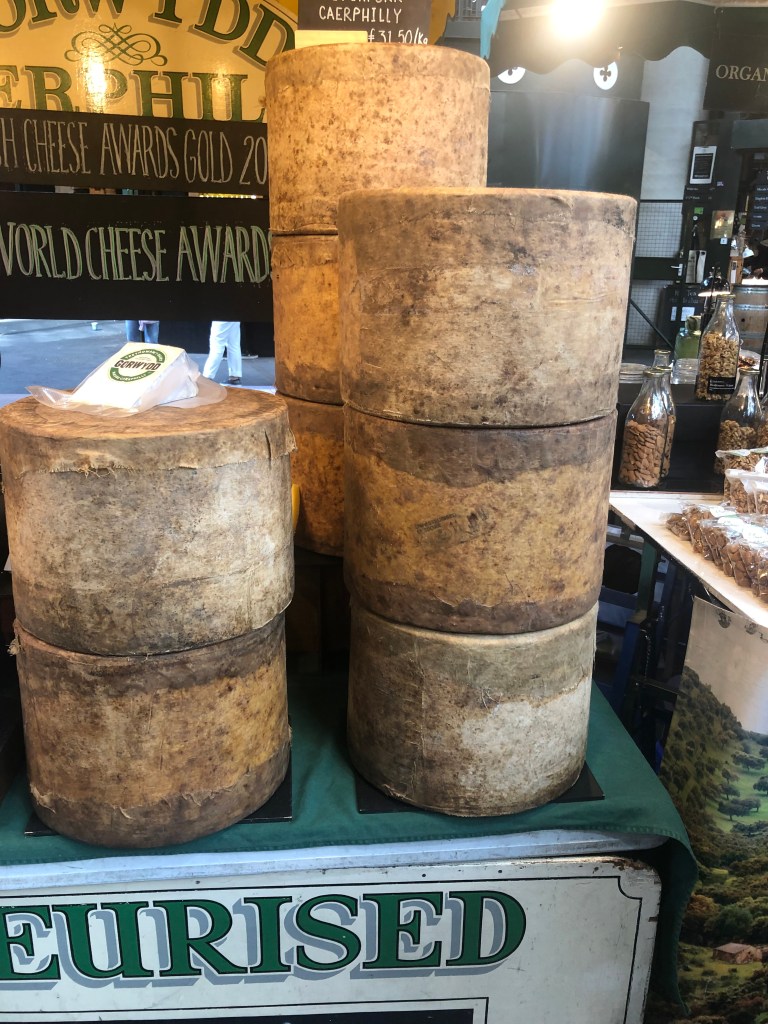
  • laser cut cheese motifs out of board
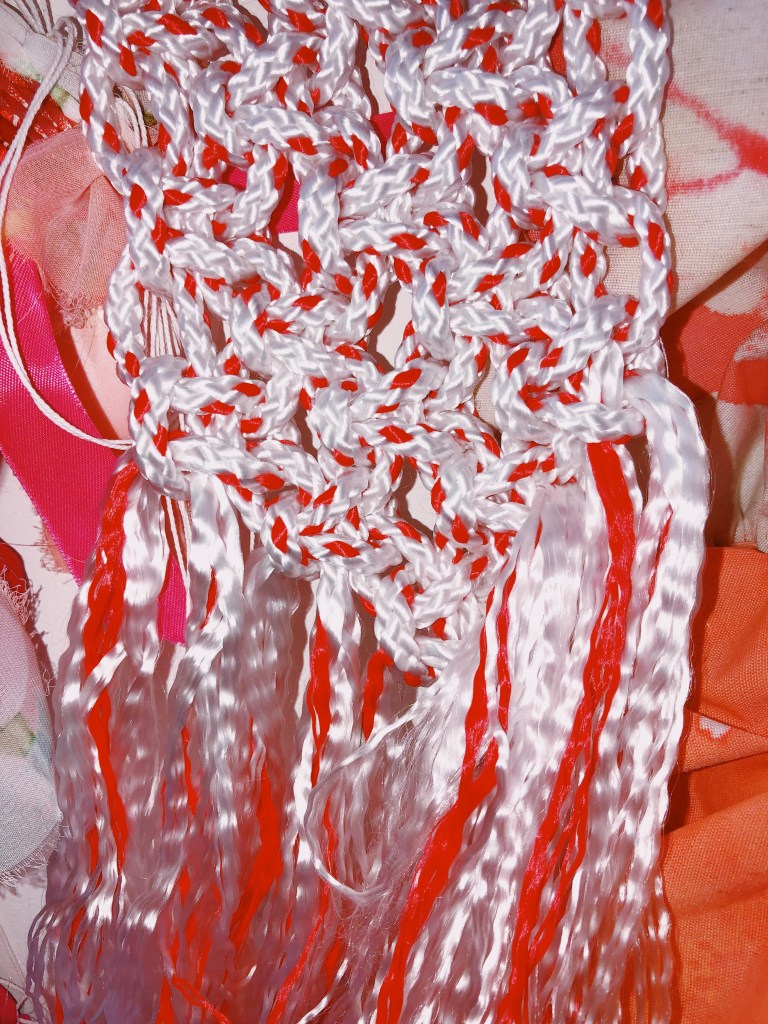
  • work on tying fruits up in both macrame and nets

Suey is going to work on some graphic heat press images while I work on these. and we are going to collaborate on the water samples if we have time.

Permeate

verb (used with object), per·me·at·ed, per·me·at·ing.

to pass into or through every part of: Bright sunshine permeated the room.

to penetrate through the pores, interstices, etc., of.

to be diffused through; pervade; saturate: Cynicism permeated his report.

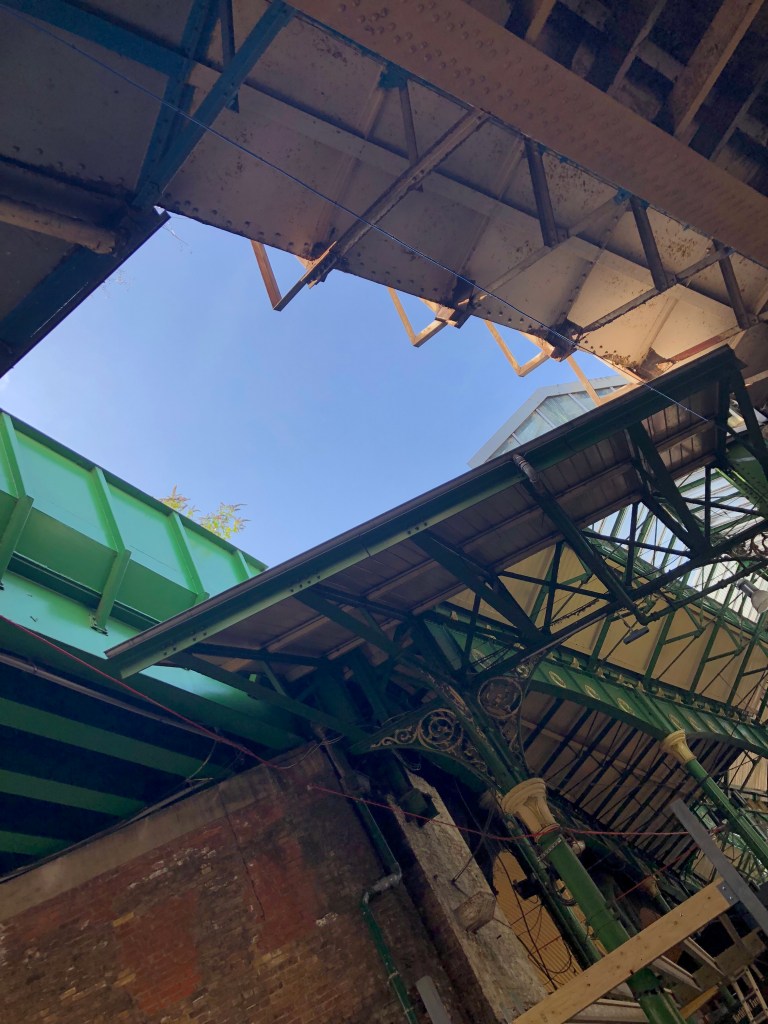
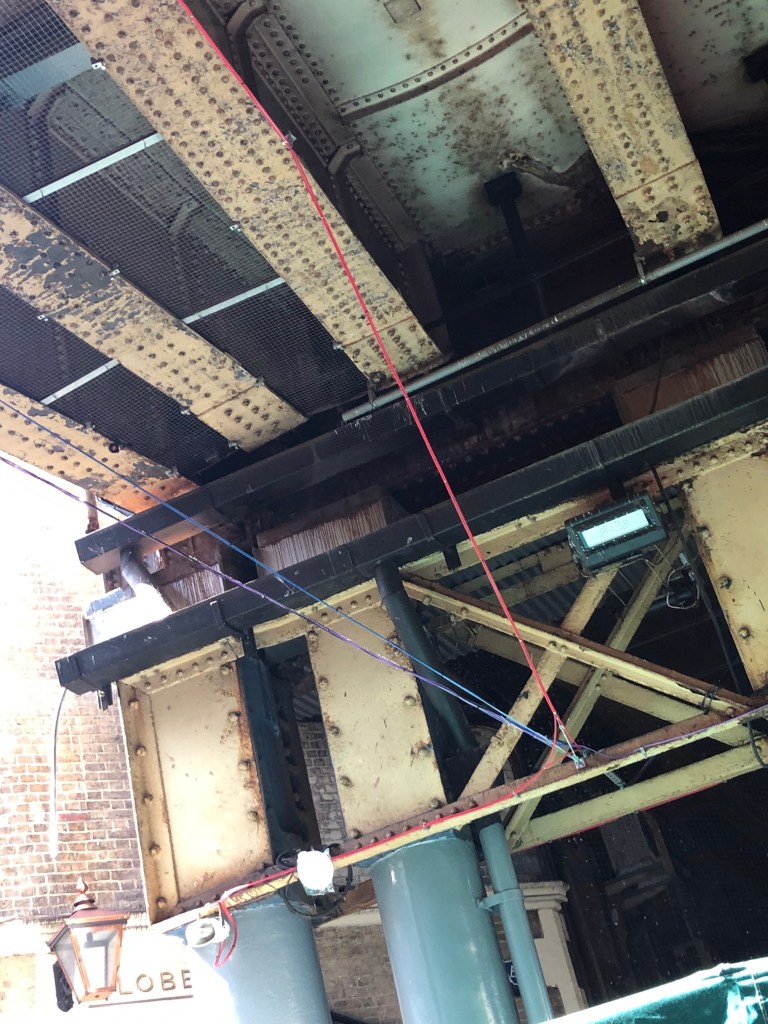
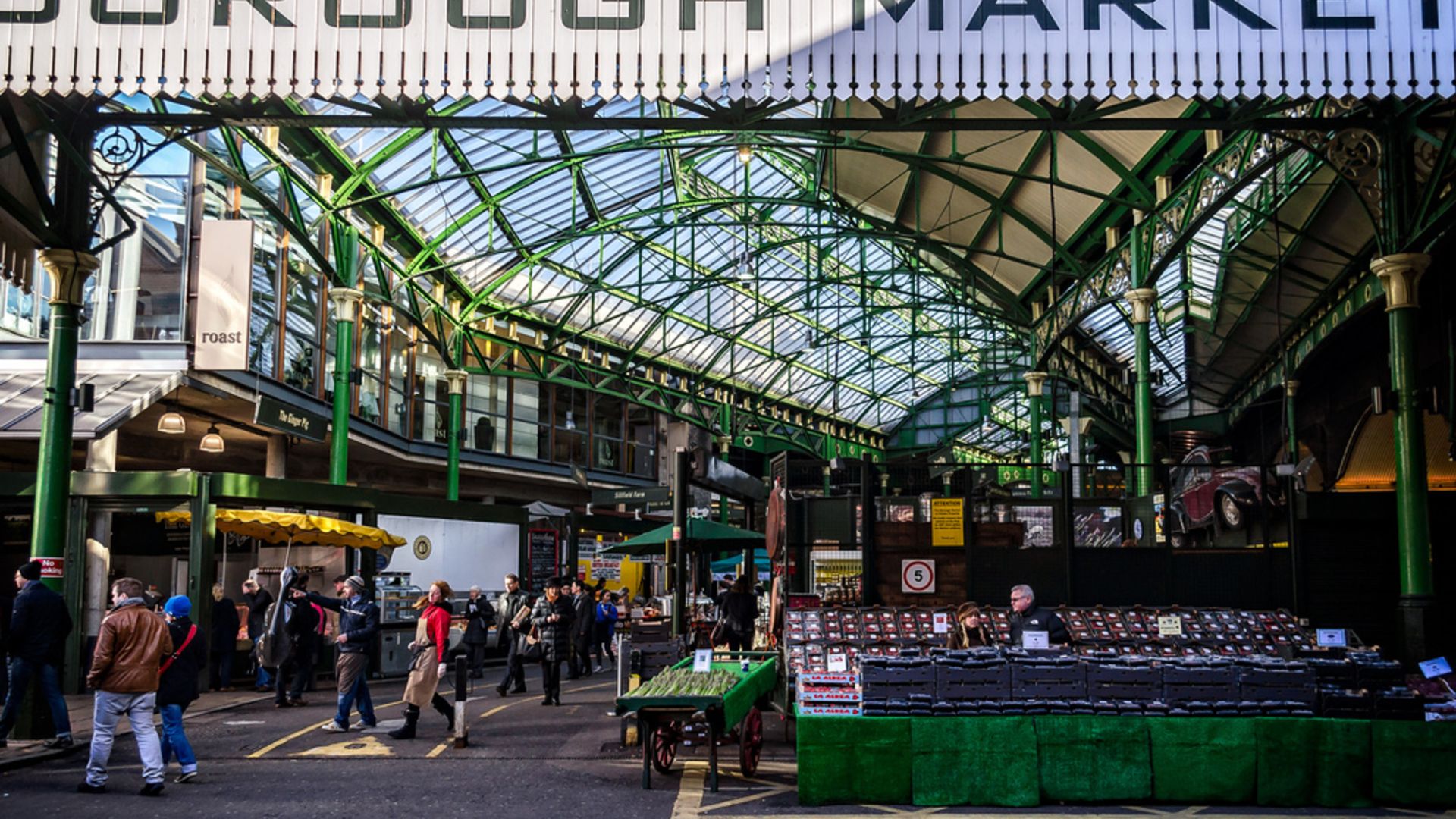
One of the themes I’m looking at with Borough Market

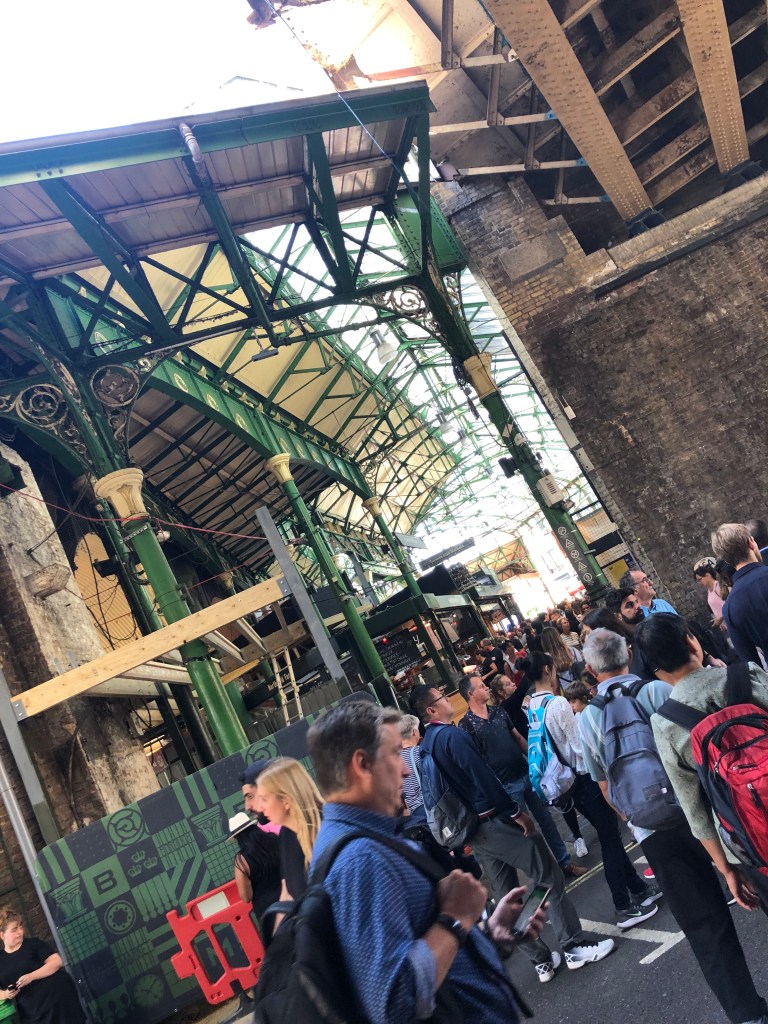
  • people permeate the space every day
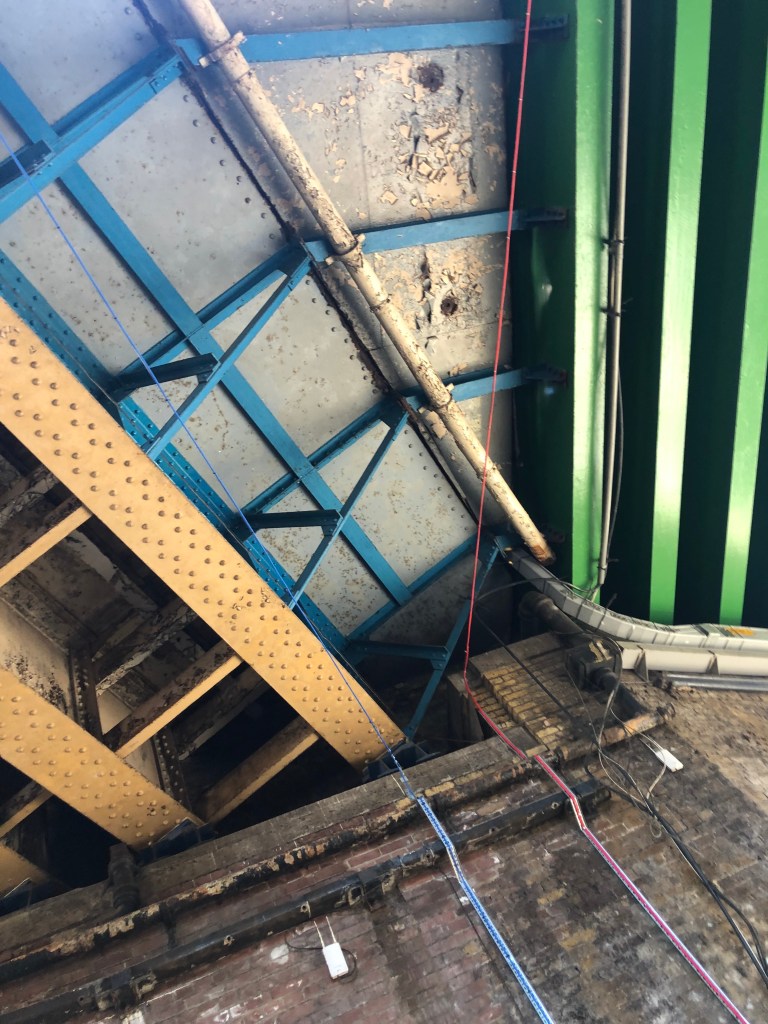
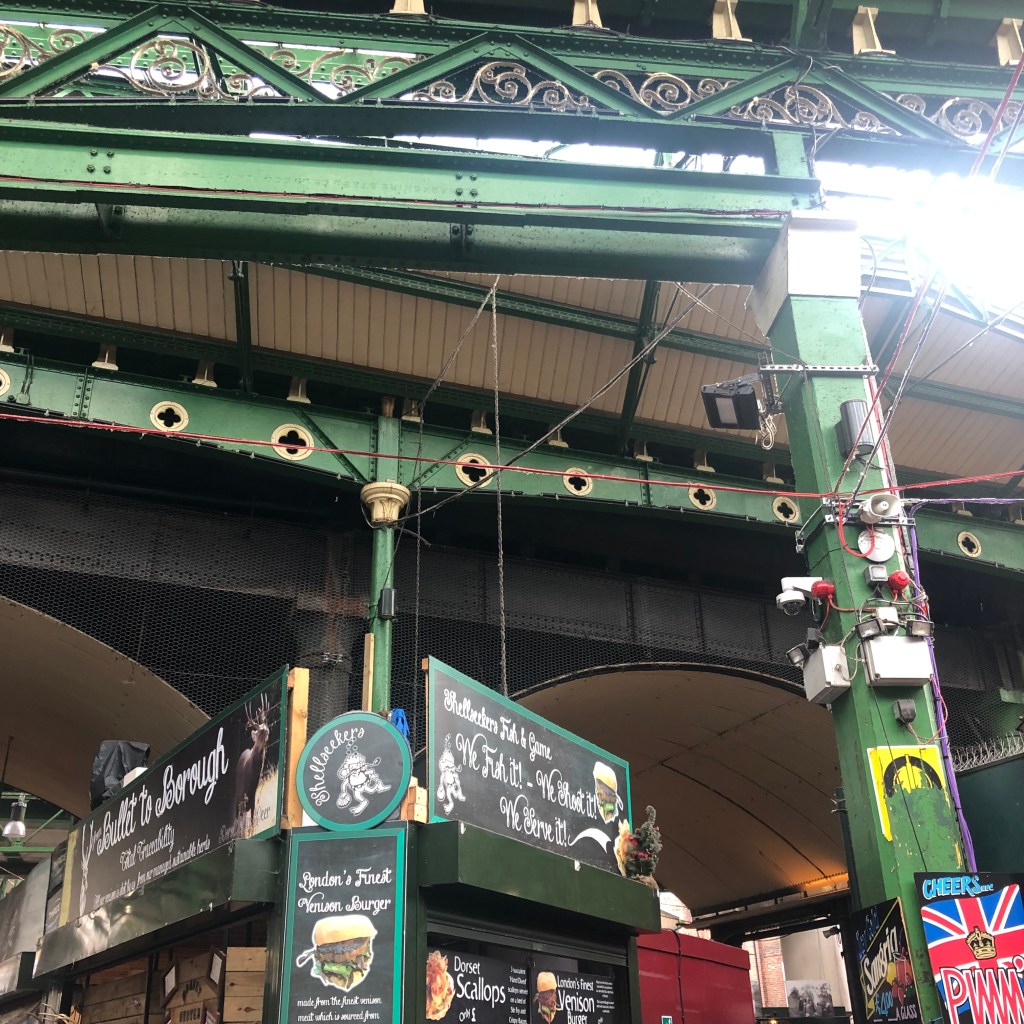
  • certain objects may permit and prohibit permeation (nets; plastic wrappers; doors; water bags; the structure itself)
  • some objects may permit and prohibit visual permeation
  • different cultures may permeate each other (also though time) in both good ways and bad ways
  • physical permeability of a space

Tutorial with Suey and Lee (8/28/19)

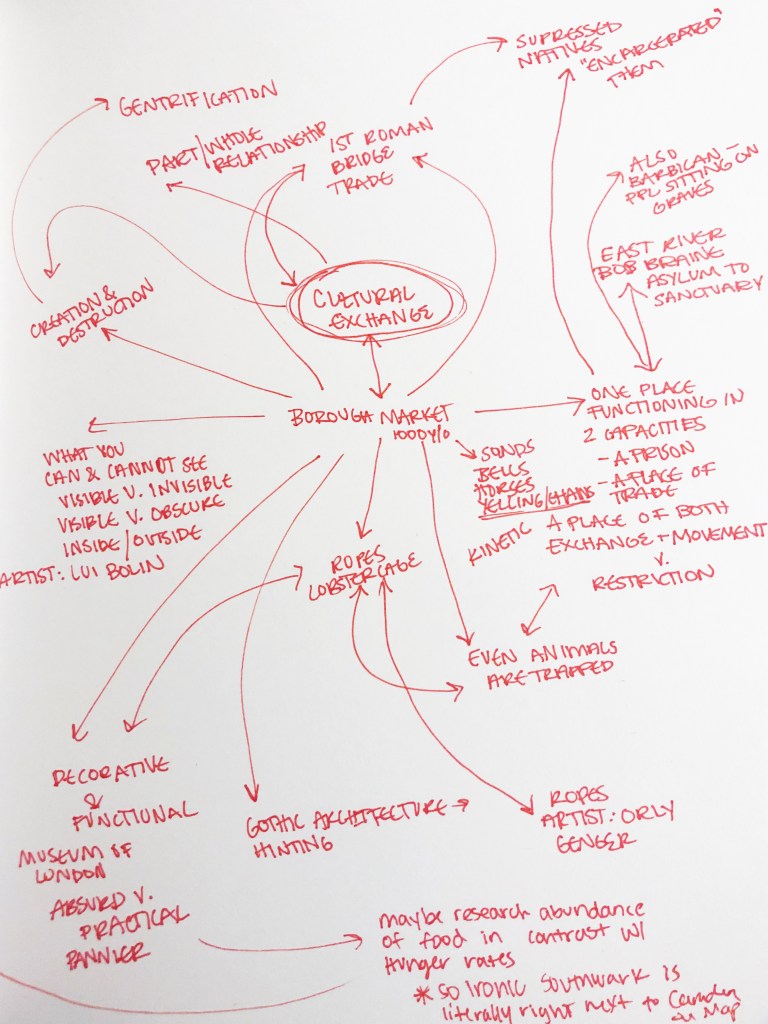
Suey and I needed some direction after the creation of our original material tests. We explained to Lee our initial inspiration of “cultural exchange” as a theme or topic after our research on the Northern Line, and we told him that we wanted to zero in on Borough Market as an example of exchange.

My interest in Borough Market stemmed from the dichotomies that I saw as intrinsic to the place. It is a rather posh market full of food, in a city where people are starving. It is also archeologically placed on top of a prison, which I found strange as it was the location of the first Roman Bridge (around 47 AD and 410 AD) and its right along the Thames, which is a place for exchange between countries.

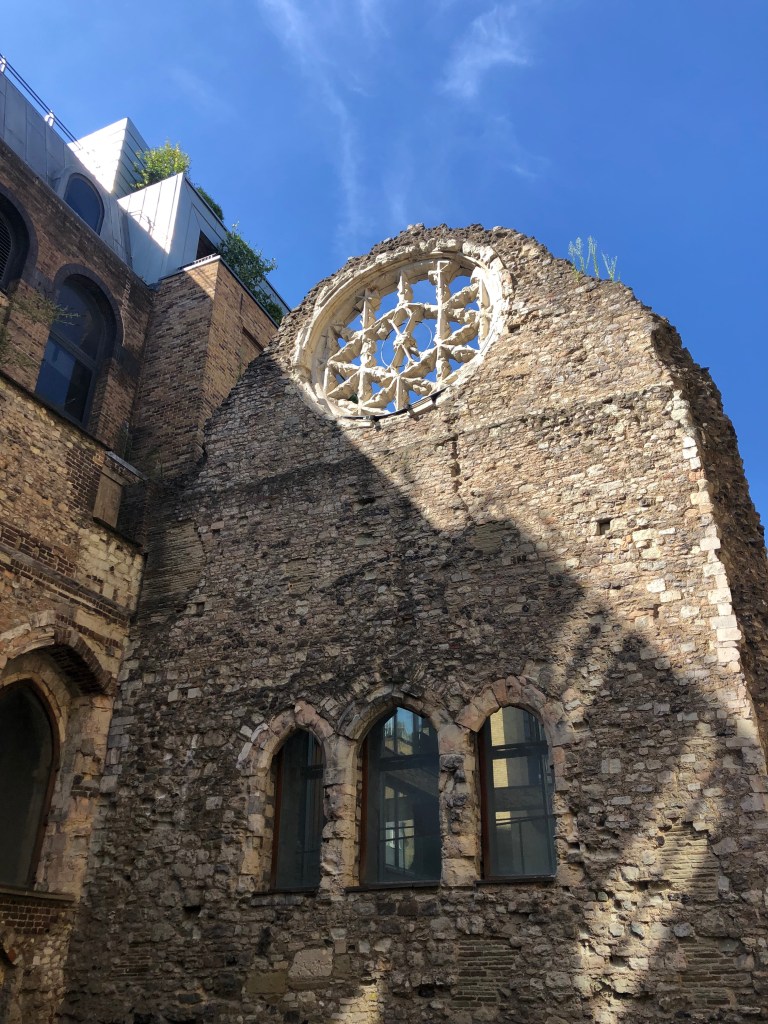
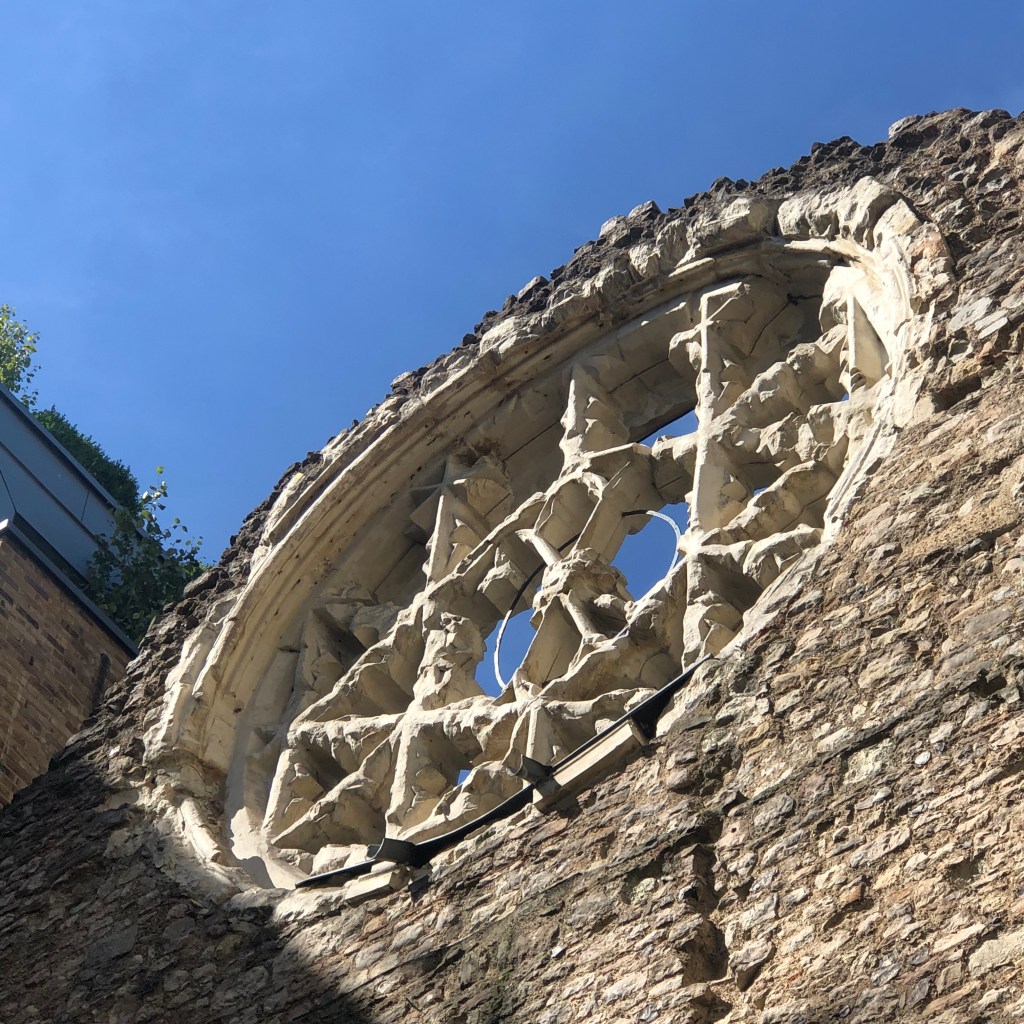
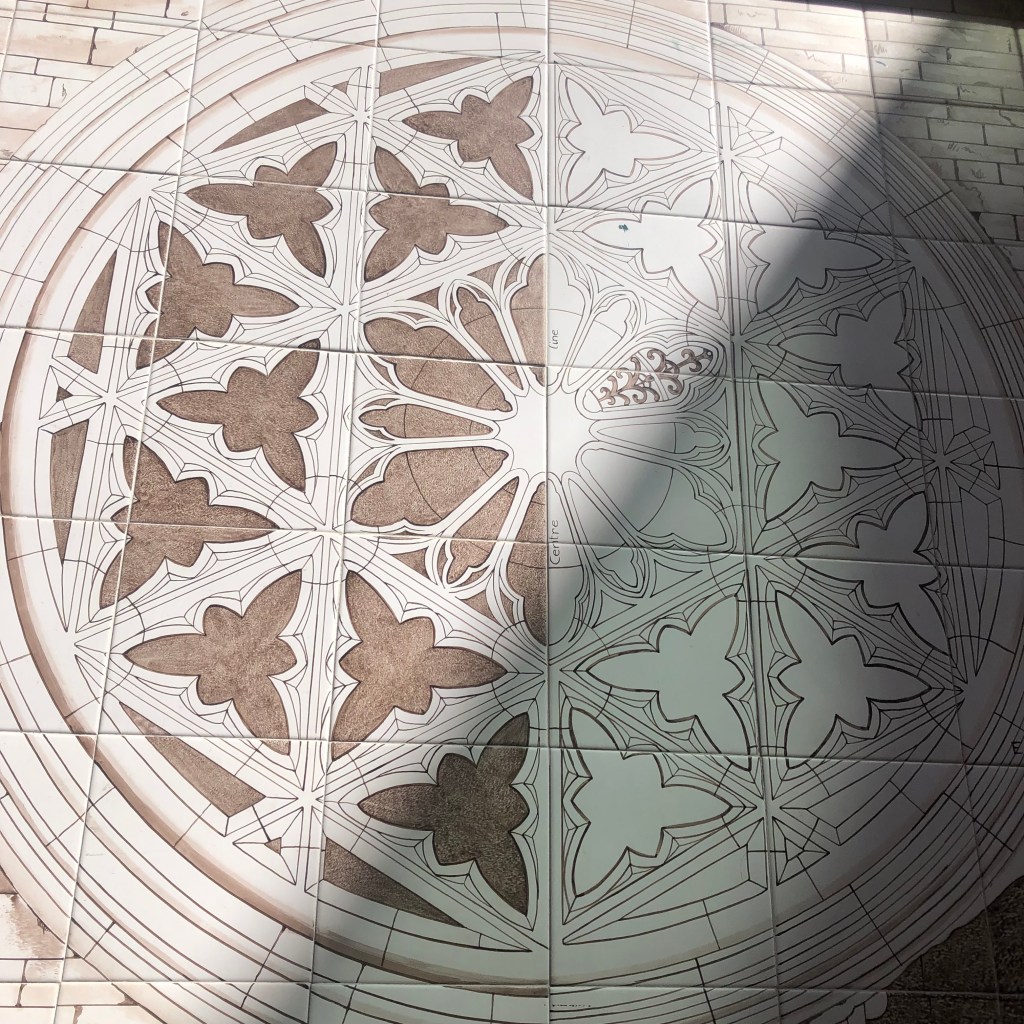
  • Some Facts about the Clink Prison: In 1129, Henry of Blois, brother to King Stephen (and grandson to William the Conqueror) was invested Bishop of Winchester, and became second in power only to the King himself. His Thames-fronted residence, Winchester Palace (of which The Rose Window of the Great Hall is still visible today), was completed in 1144 and contained two prisons within the palace grounds: one for men, and one for women.

Lee recommended we return to the market with our eyes more fixated on our topic of exchange, but also layering, as Borough Market is such a multi-dimensional place.

  • Layering through time– (Winchester Palace & Clink Prison, the sight of the first Roman Bridge, modern exchange in the ports and the market,
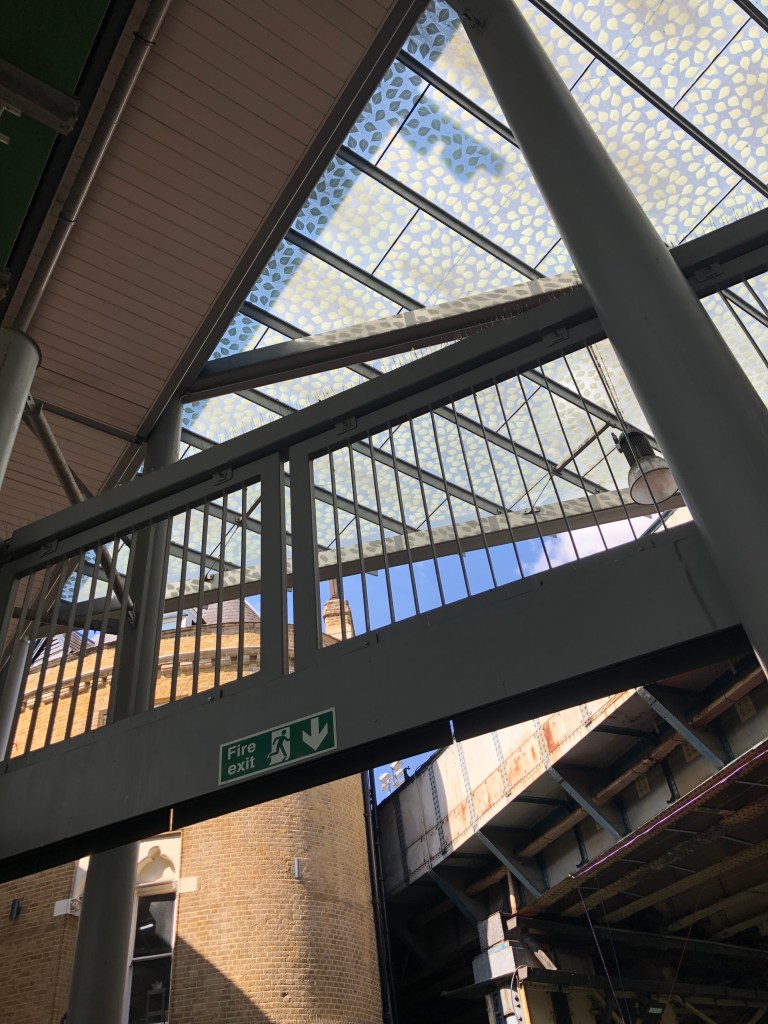
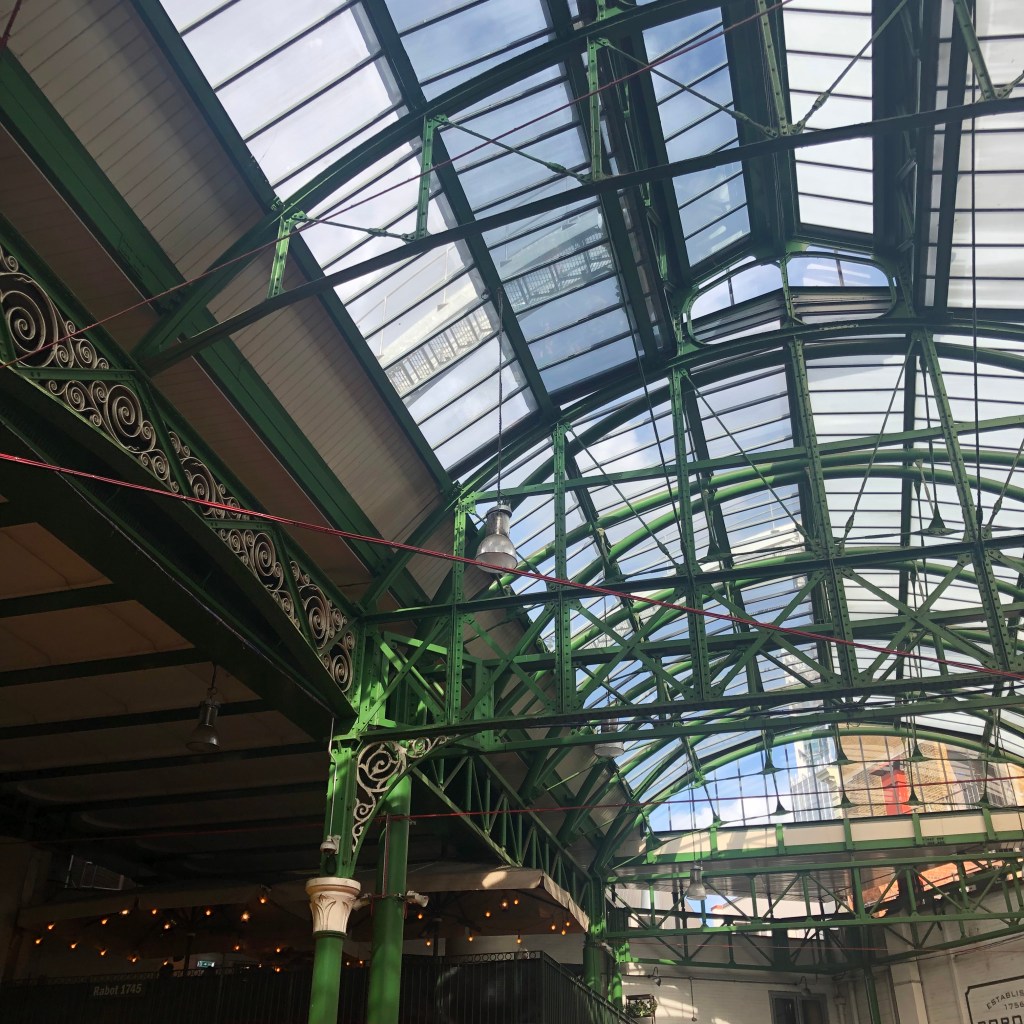
  • Architectural layering- Layering in the physical market; how the stalls are set up; how the materials are layered (transparent/see through)
  • Archeological layering- the different people who have occupied the are over time and what marks they have made on different levels
  • Modern exchange– goods in the market and the ports

Themes to Explore in further Material Tests

  • Permeability/Porosity/Transparency
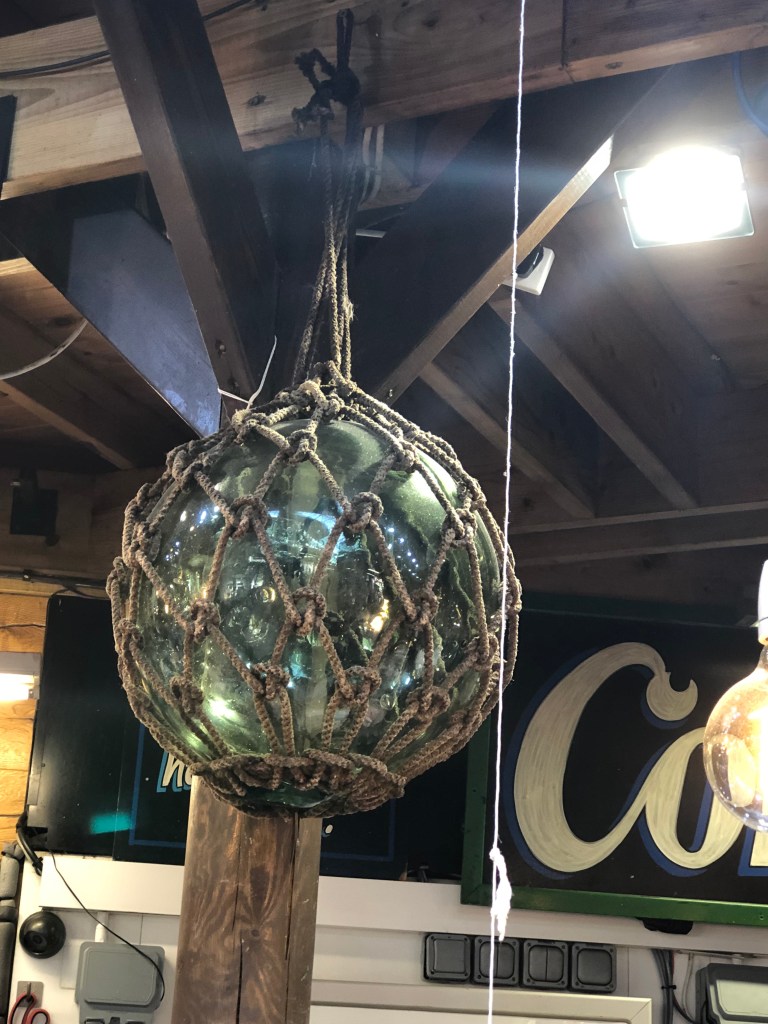
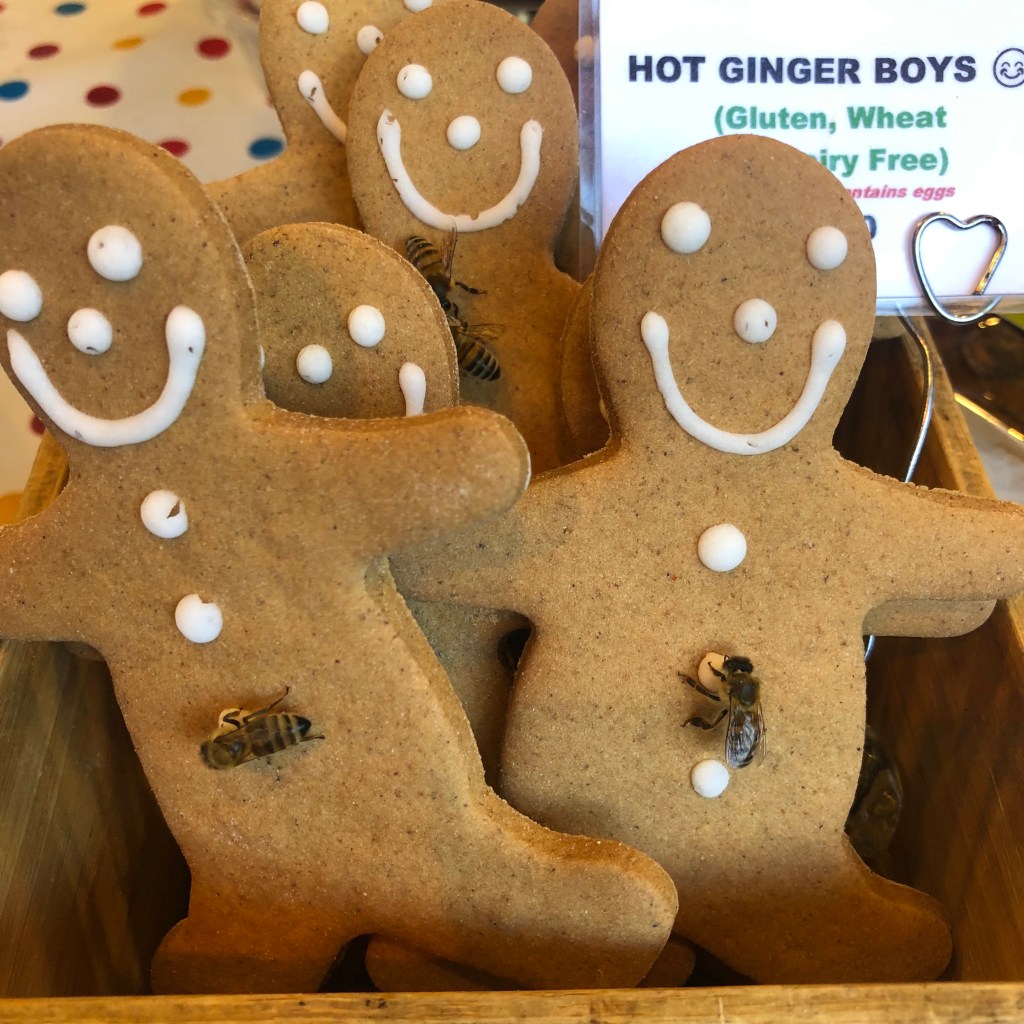
    • some spaces were permeable to birds/bugs while others were not (openings in architecture and iron bars on doors)the spaces that were not permeable, were at times still transparentobjects that demonstrated permeability: water bags, architecture, birds, bees, clear glass ball, rose window (cheesy metaphor of a window into the past)
  • Permeability in relation to light and shadows
  • How far through the layers do you have to look to get the information you need
  • Layering and Transparency: how many layers are present; when do the layers stop; what is the last layer, WHAT ORDER ARE THE LAYERS IN?
  • Micro/macro and part whole relationships (materials and stalls in the market, maybe even knowing that one part of time is only a part of the whole story of an area)

Preliminary Material Tests

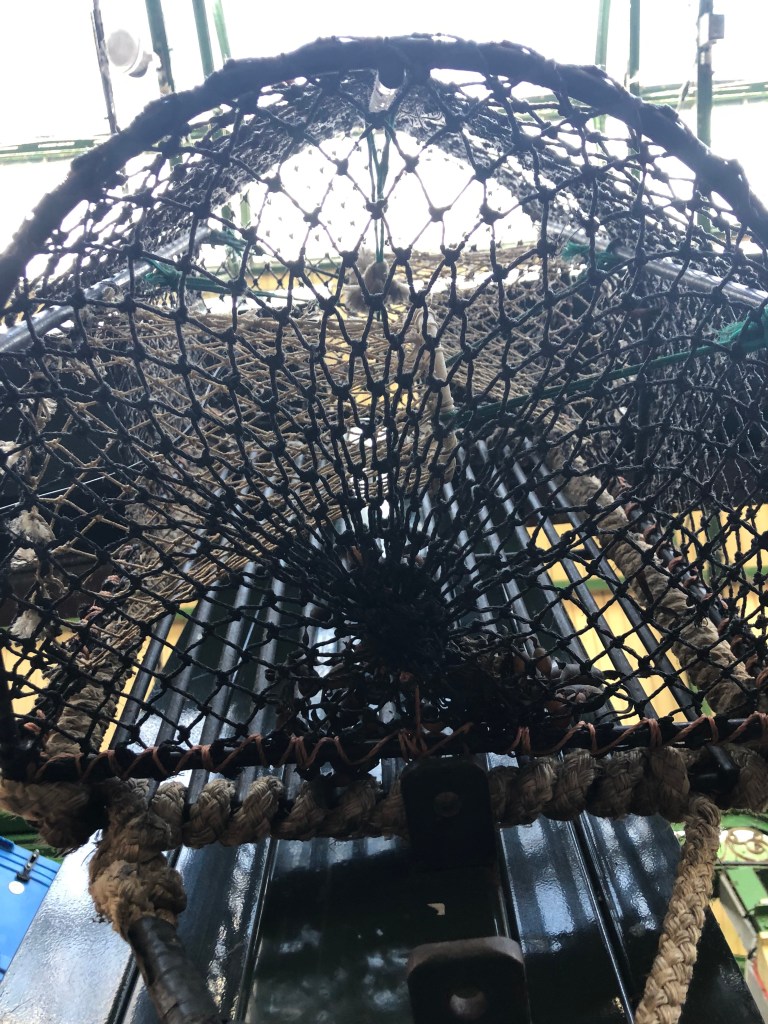
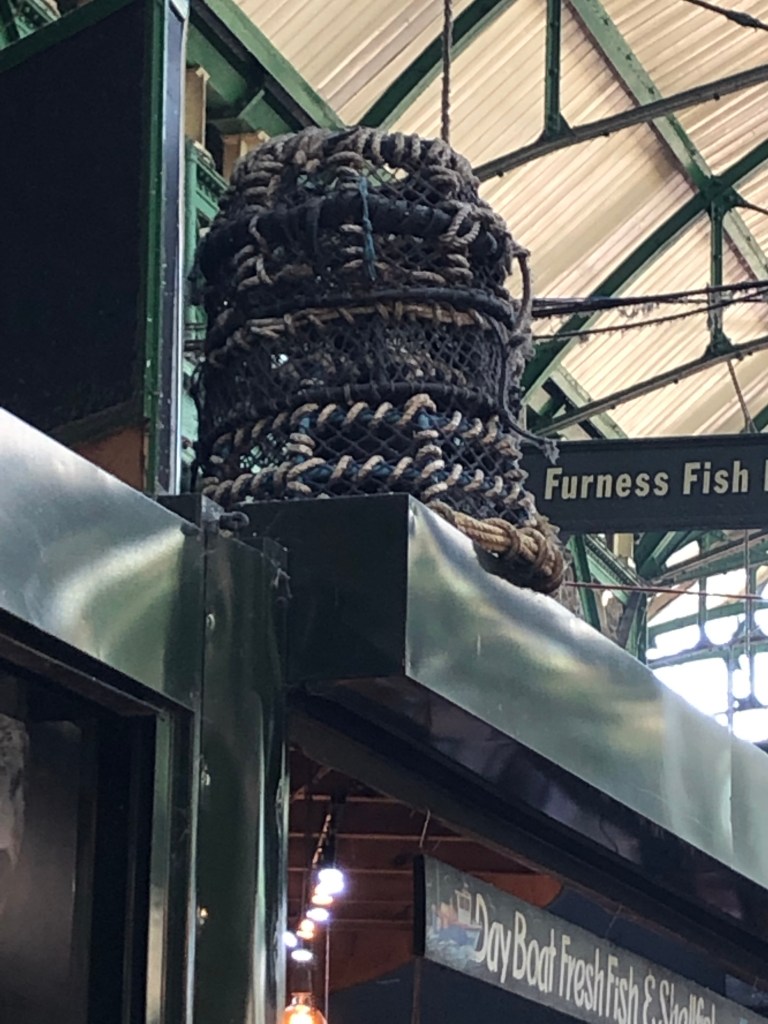
Suey and I are very interested in layering textures. I experimented with rope because I was interested in the lobster traps at the market. I also think it ties back into restriction and prisons (clink prison under borough market) .

I’d like to take my weavings and make them more three dimensional.

Borough Market: History and Inspiration

“Borough Market is a riot of colours, smells and human engagement. “

http://boroughmarket.org.uk/about

Facts:

  • 1000 years old in 2014
  • The present buildings were designed in 1851 by Henry Rose, with further work in 1863-64 by Edward Habershon.
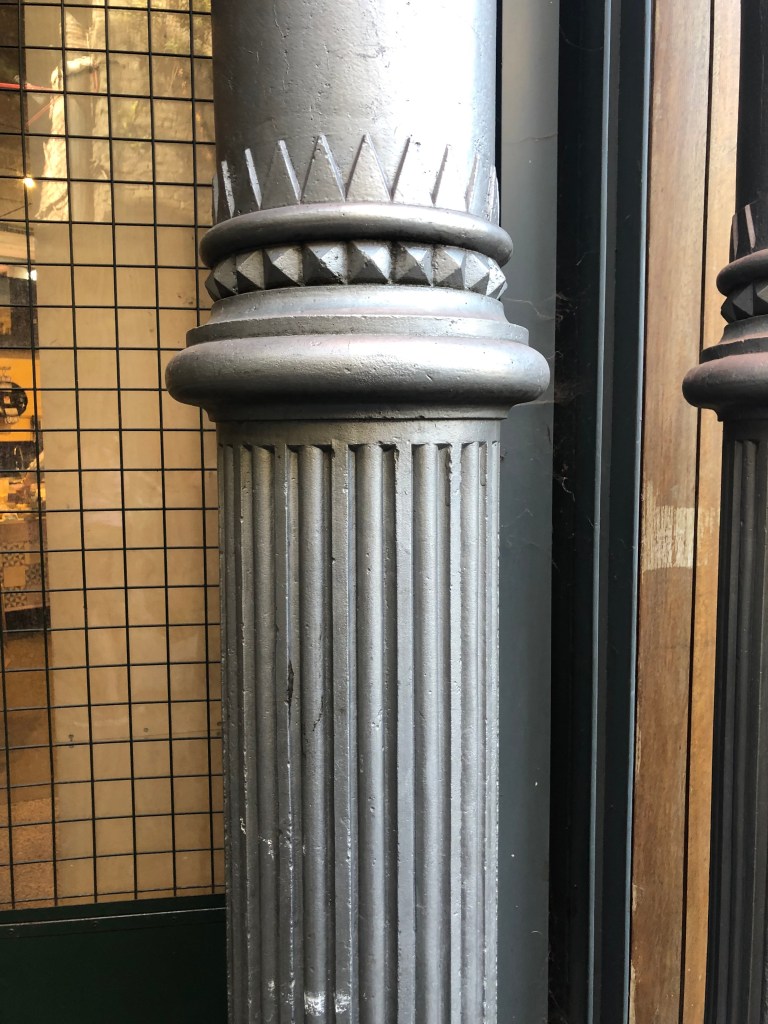
    • Both architects were chiefly associated with ecclesiastical designs, which accounts for the ‘Gothic’ character of some of the market buildings, particularly the elaborate wrought ironwork.
  • There is a bell in Middle Road in the market. Traditionally, a bailiff used to ring a bell to announce the start and the end of the day’s trading — it was one of the rules of the market when the current market was founded in 1857.
  • There is a prison underneath called “clink prison”

Themes:

  • visible v. invisible
  • exchange and movement v. restriction
  • decorative and functional

Citations:

Underneath the Arches: Celebrating Borough Market. History Today. < https://www.historytoday.com/archive/underneath-arches-celebrating-borough-market > [26 August 2019]

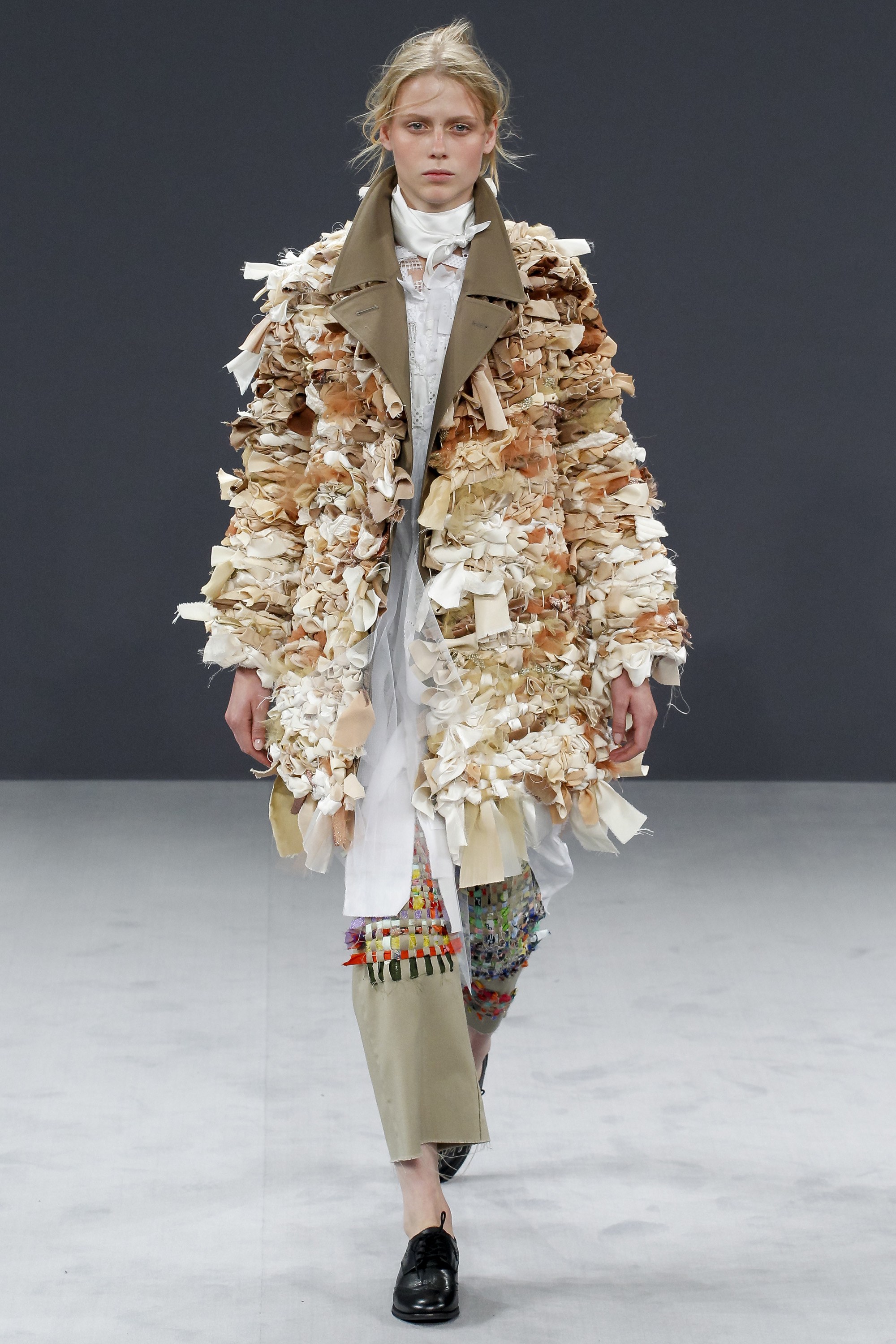
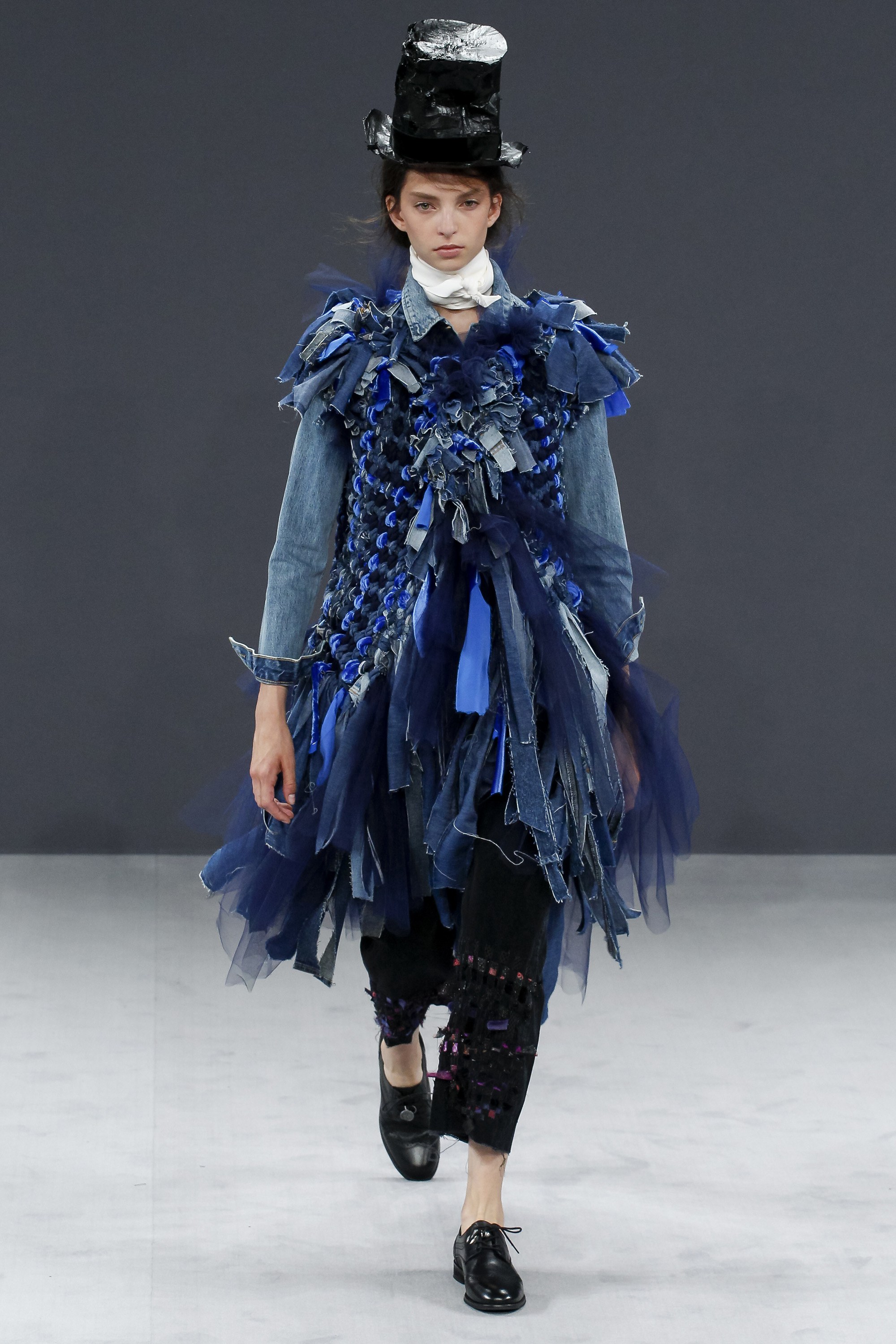
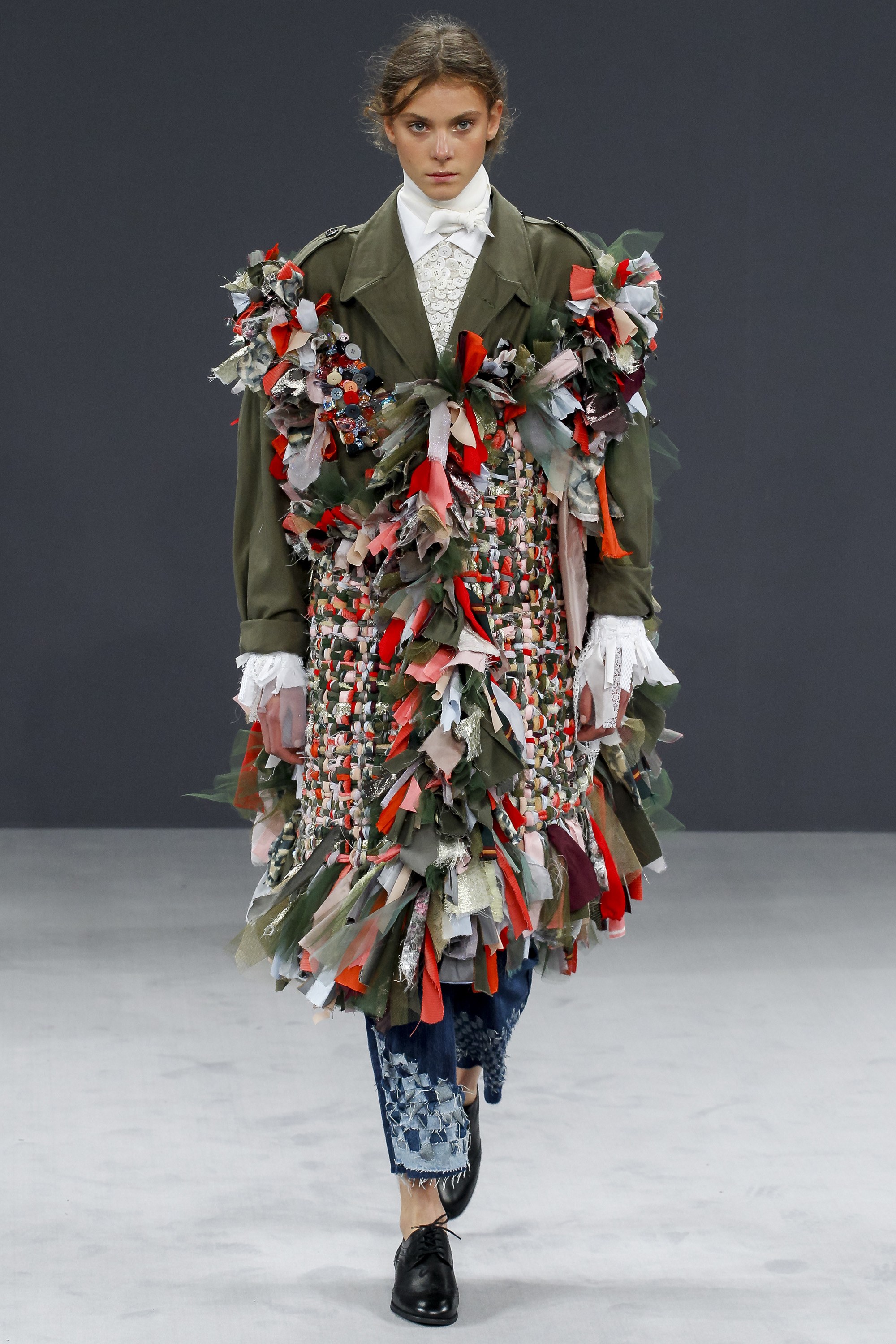
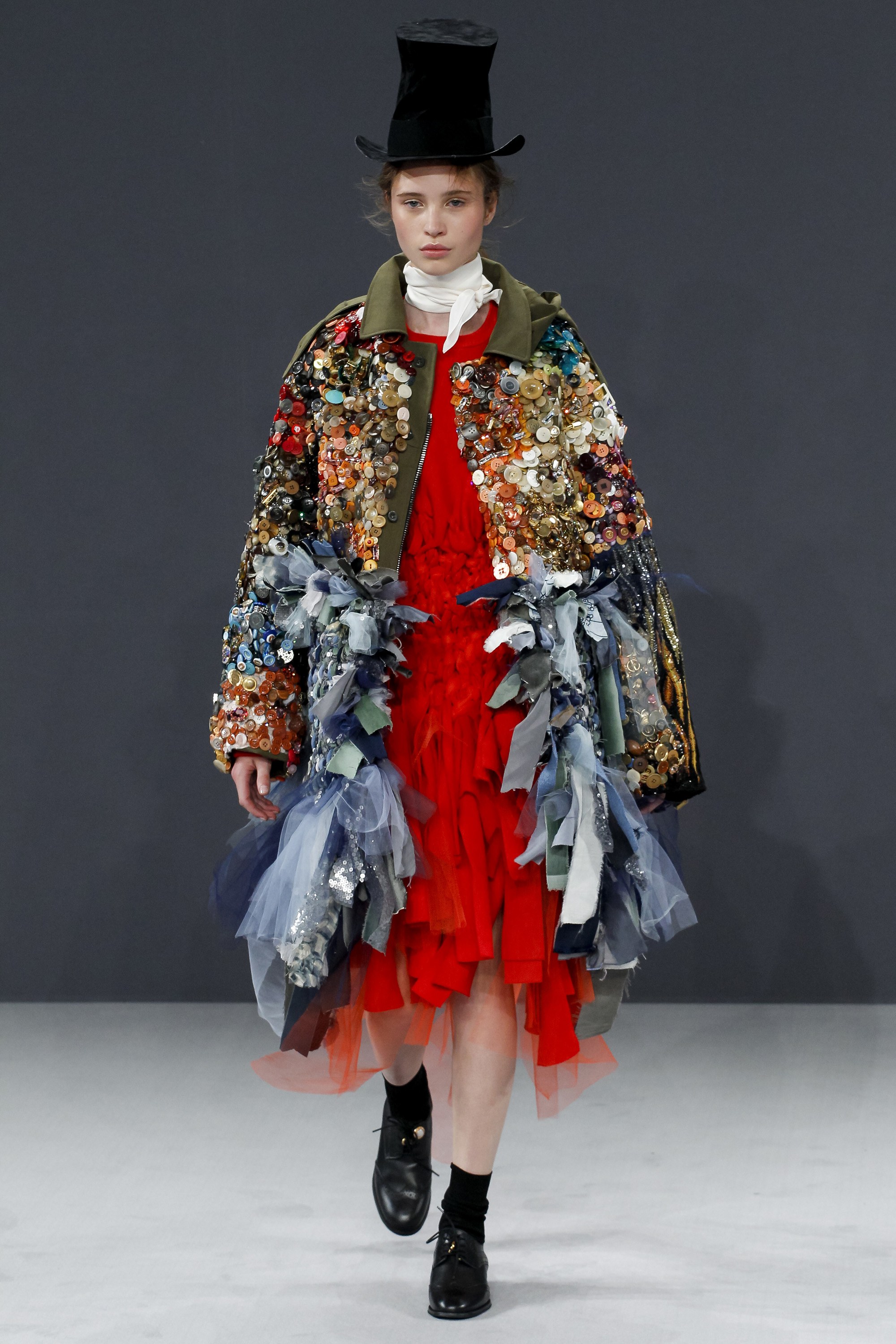
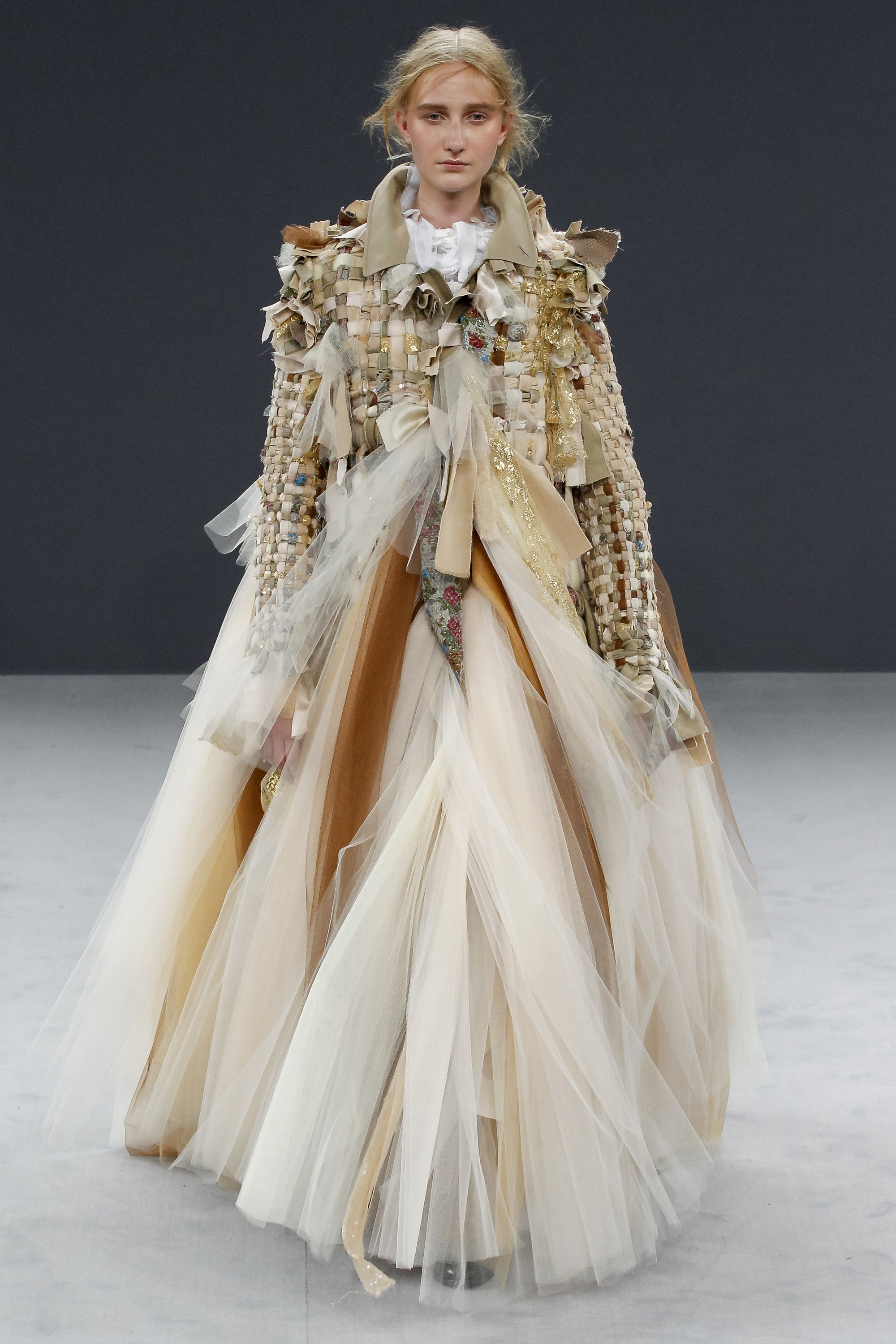
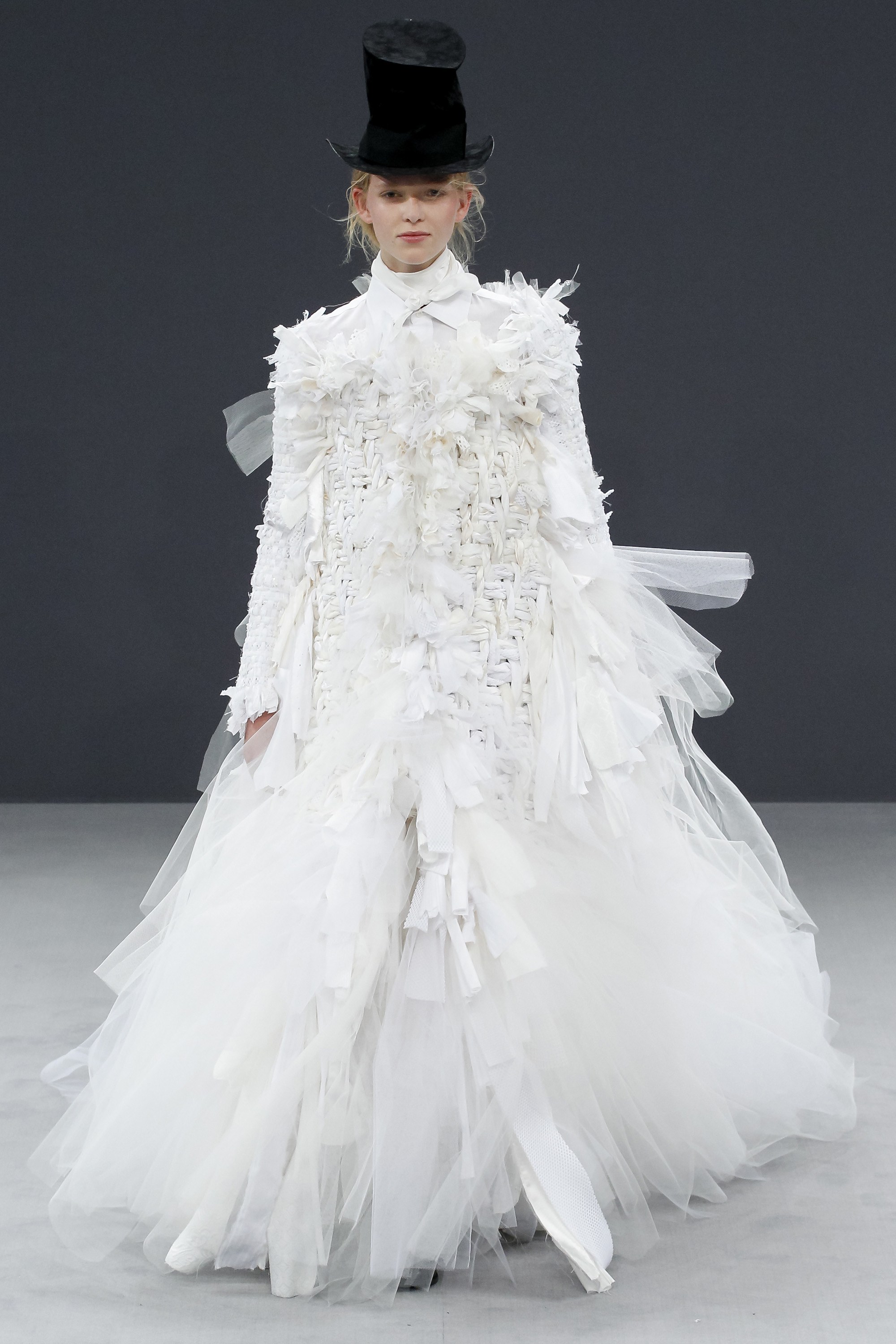
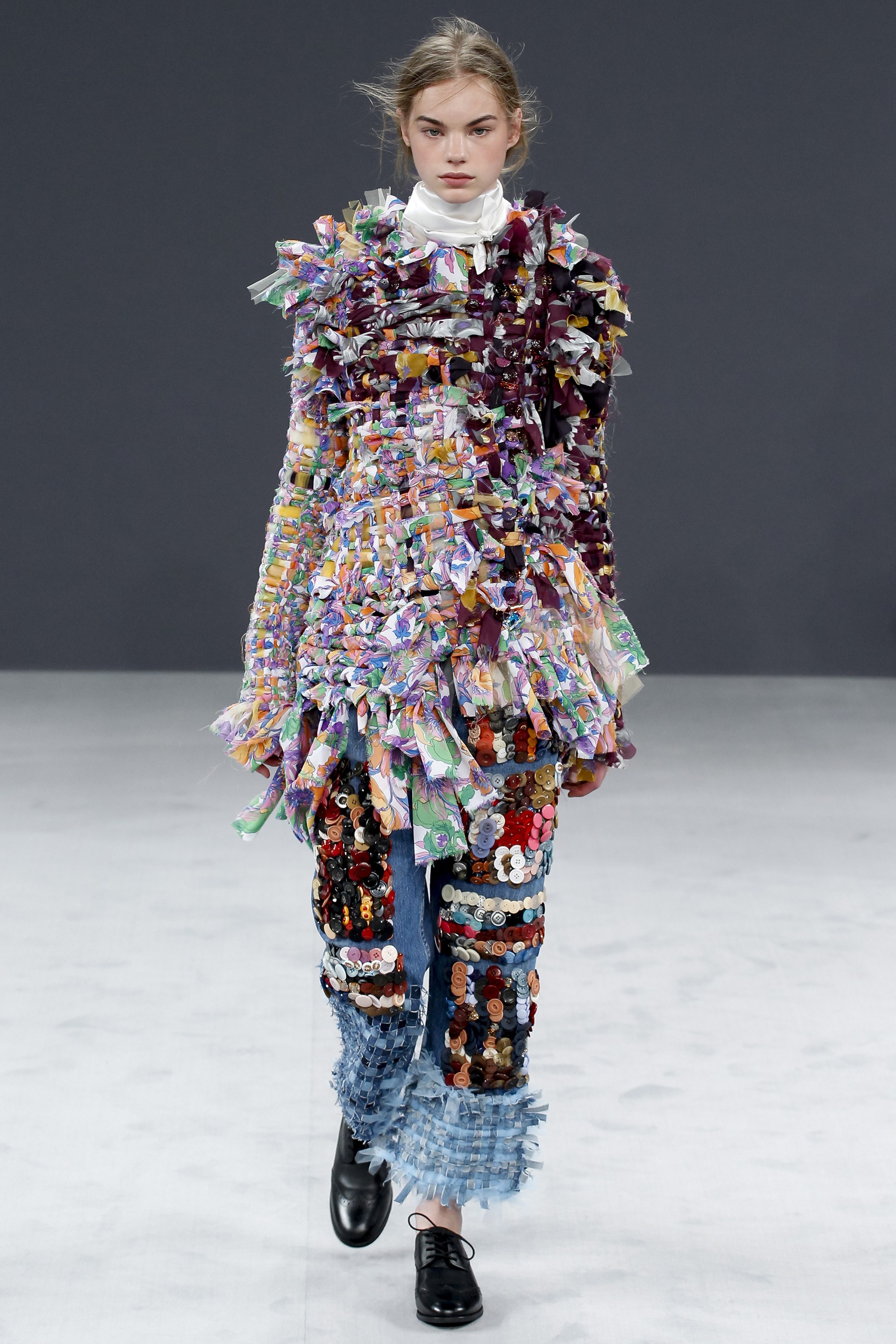
Victor and Rolfe Couture Fall 2016

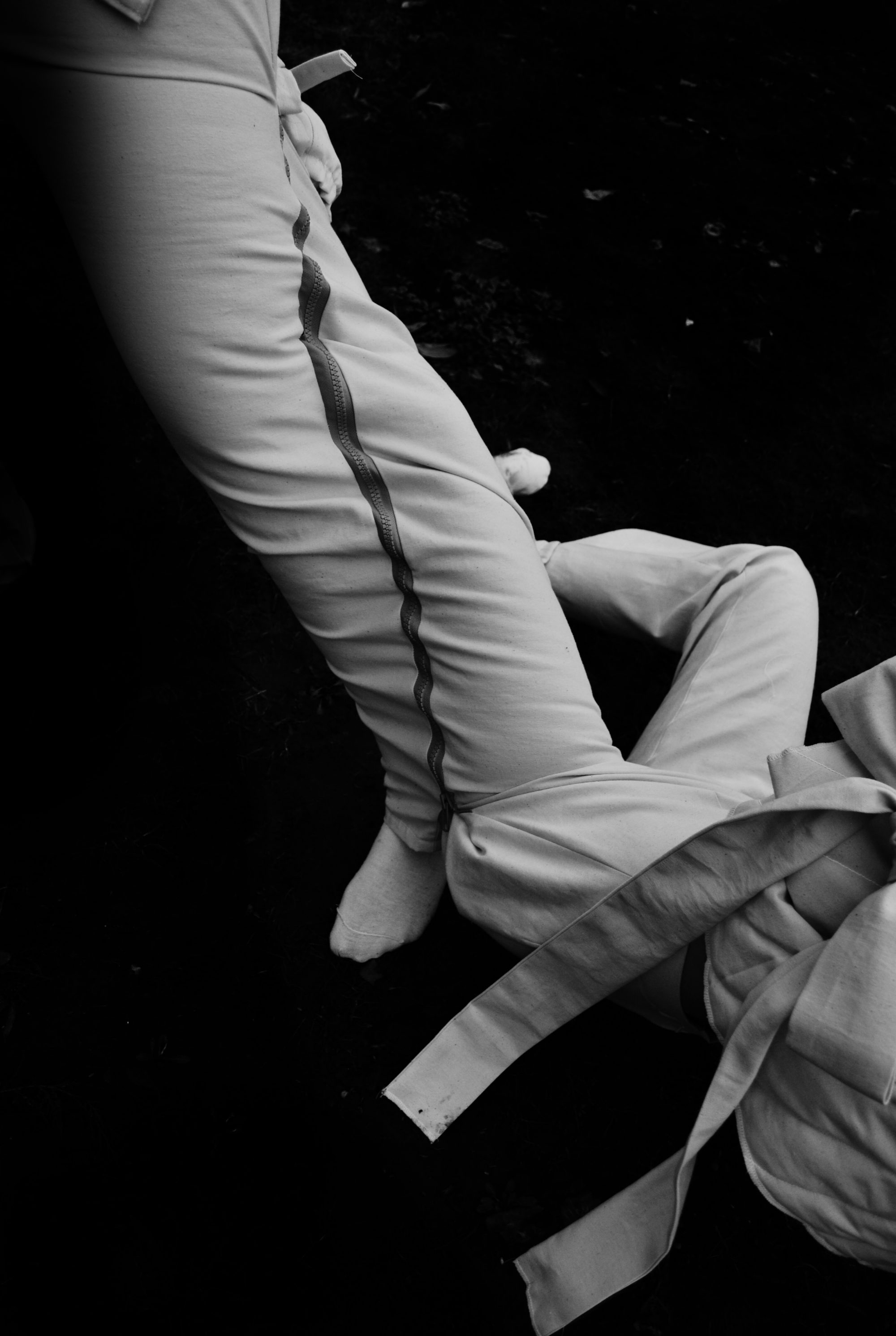
I was very interested in this collection by Victor and Rolfe, because couture design and “up cycling” seem like very distant ideas, but they executed it in such an lovely way. They basically tore apart old designs and used old pieces to create a new collection. I thought that the weaving techniques were interesting and could be related to the idea of cultural exchange.

I’m Struggling with how I could possibly push this technique further. I did some samples earlier, and while they are very visually intriguing… they don’t push anything too new.

I will keep this in the back of my mind as a technique, but I am a bit more excited about using large scale ropes or encased water.

I wonder if I could do some large scale rope weavings.

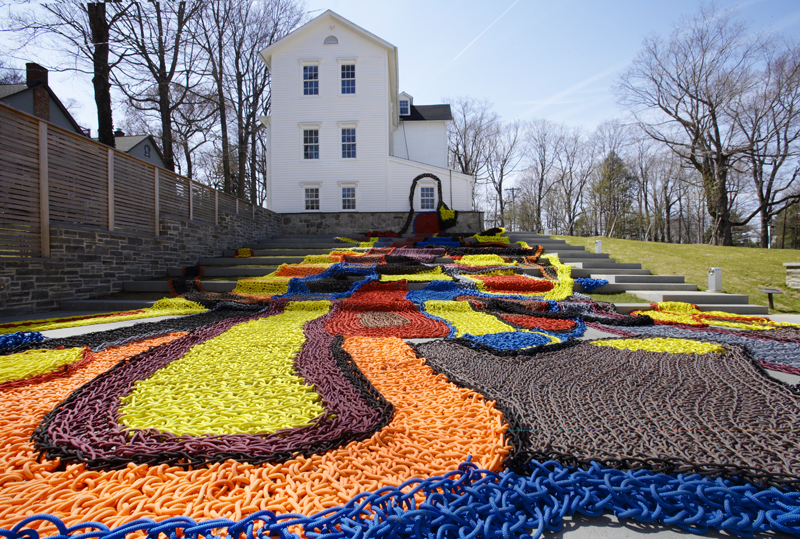
Orly Genger

I’ve taken a break from researching to create some material tests. My partner and I are interested in cultural exchange (and possibly observing how people greet each other) but we can’t seem to push that idea any further at the moment. We are taking a little break from discussing our topic to research and create some tests.

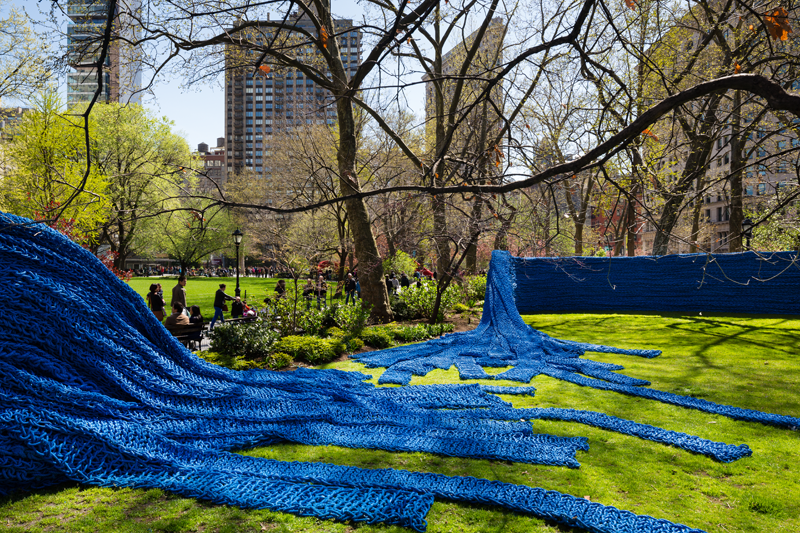
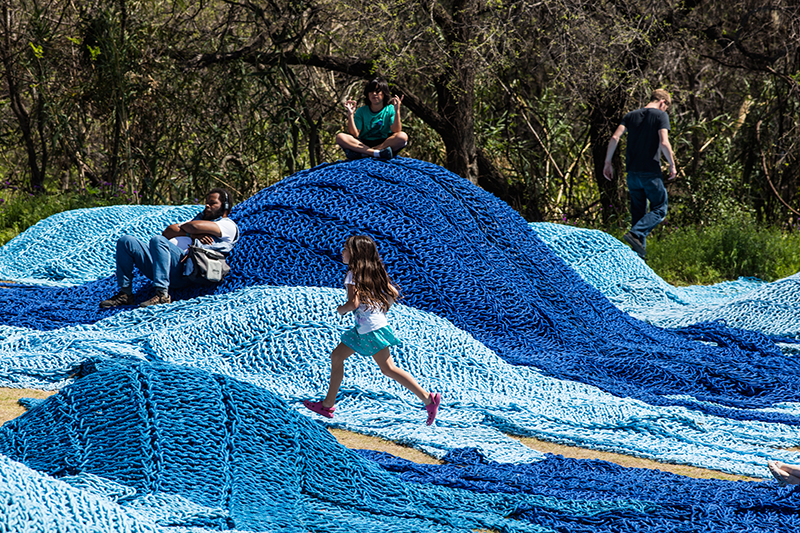
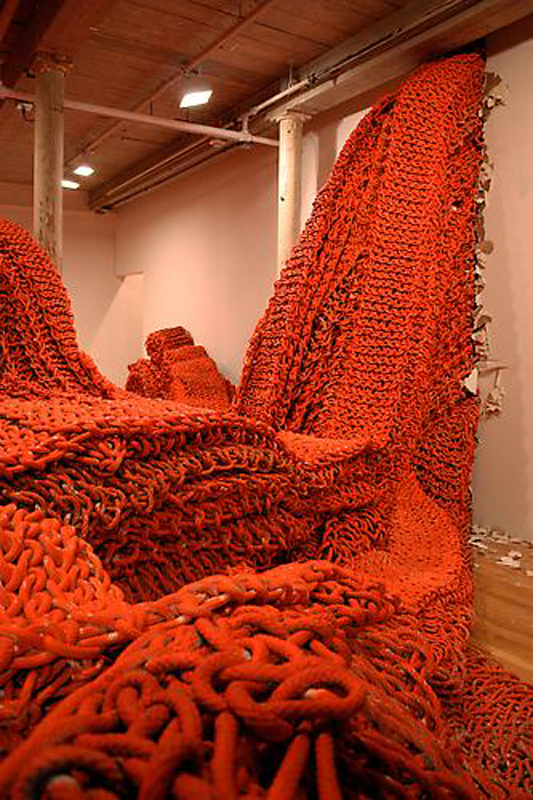
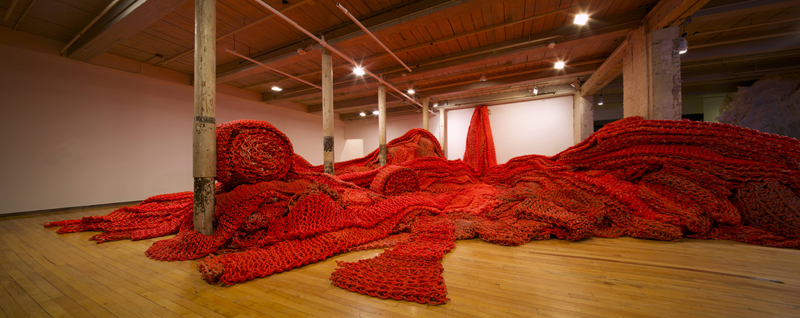
Texture wise, I was very interested in using rope, as I saw some cool looking fishing ropes at Borough Market.

An artist who uses fishing ropes in her work is Orly Genger. Orly is an American textile artist who uses knots and ropes on a very large scale. Her work is typically interactive installation work.

I would love to see this type of material (and scale) applied to fashion.

Citations:

Orly Genger < http://orlygenger.com/site-specific/ > [26 August 2019]

Navigator: Notes on Psychogeography Today

Merlin Coverley., (2007) Psychogeography, Pocket Essentials

pp. 111-139

People:

William Blake– Godfather of Psychogeography

Iain Sinclair (trek around M25); Lud Heat; Uses Psychogeogaphy as a way to write; author and film maker; “occult paranoia and historical investigation”

Peter Ackroyd– “invokes the visionary traditions of the nineteenth century in his writing”; has been described as a ‘historic-mystical psychogeographer’; author

Nicholas Hawksmoor– architect of many historical churches in London (including St. Paul’s, Westminster Abbey, and Christ Church in Spatialfields

“Through efforts of the imagination as much as through research, Hawksmoor’s work has been woven into a parallel history of London’s underworld, particularly his Christ Church Spitalfields, near which Jack the Ripper performed his grisly murders in the 1880s. Published in 1975, Iain Sinclair’s feverish poem Lud Heat suggests that the sites of Hawksmoor’s London churches form an invisible geometry of power lines in the city, corresponding to an Egyptian hieroglyph. Peter Ackroyd built on this myth a decade later with his murder thriller Hawksmoor” -The Guardian

JG Ballard– ‘Death of Affect’ – loss of emotional engagement with our surroundings;

Stewart Home– resurgence of psychogeography in the 1990s

Patrick Keiller– films London, Robinson in Space; 1994 film London

Definitions:

Situationists– Revolutionary alliance of European avant-garde artists, writers and poets formed at a conference in Italy in 1957 (as Internationale Situationiste or IS).

The IS developed a critique of capitalism based on a mixture of Marxism and surrealism. Leading figure of the movement Guy Debord identified consumer society as the Society of the Spectacle in his influential 1967 book of that title. In the field of culture situationists wanted to break down the division between artists and consumers and make cultural production a part of everyday life.

Situationist ideas played an important role in the revolutionary Paris events of 1968. The IS was dissolved in 1972.

avant-garde |ˌaväntˈɡärd| noun (usually the avant-garde) new and unusual or experimental ideas, especially in the arts, or the people introducing them: works by artists of the Russian avant-garde.

surrealism |səˈrēəˌlizəm| noun a 20th-century avant-garde movement in art and literature that sought to release the creative potential of the unconscious mind, for example by the irrational juxtaposition of images.

Memorable Quotes

…Modern life in advanced industrial societies as characterized by a loss of emotional sensitivity. Amidst the barrage of media imagery to which we are subjected, our emotional response is blunted and we become unable to engage directly with our surroundings without the mediated images television and advertising.” (116)

… I think the suburbs are more interesting than people will let on . IN the suburbs you find uncenred lives… so that people have more freedom to explore their own imaginations, their own obsessions” (118)

  • earlier he says essentially that people are so overstimulated by imagery that their boredom will mirror the violent and sexualized imagery surrounding them. But i guess in the suburbs what is there to mirror?

“xxx zones within the city which display chronological resonance with earlier events, activities, and inhabitants” (124)

“Ackroyd’s detective muses upon the tendency of murderers and their victims to return repeatedly through the generations to similar locations as if drawn by some malevolent force, noting that ‘certain streets or patches ground provoked a malevolence which generally seemed to be quite without motive'” (124)
acculturation by Merriam Webster

noun ac·​cul·​tur·​a·​tion | \ ə-ˌkəl-chə-ˈrā-shən  , a-\

Definition of acculturation

1: cultural modification of an individual, group, or people by adapting to or borrowing traits from another culture the acculturation of immigrants to American life alsoa merging of cultures as a result of prolonged contact

2: the process by which a human being acquires the culture of a particular society from infancy

Cultural Exchange

Negatives: losing individualistic character traits; losing aspects of culture over time

Positive: learning about new cultures; becoming a part of a new (more global?) culture; connectivity
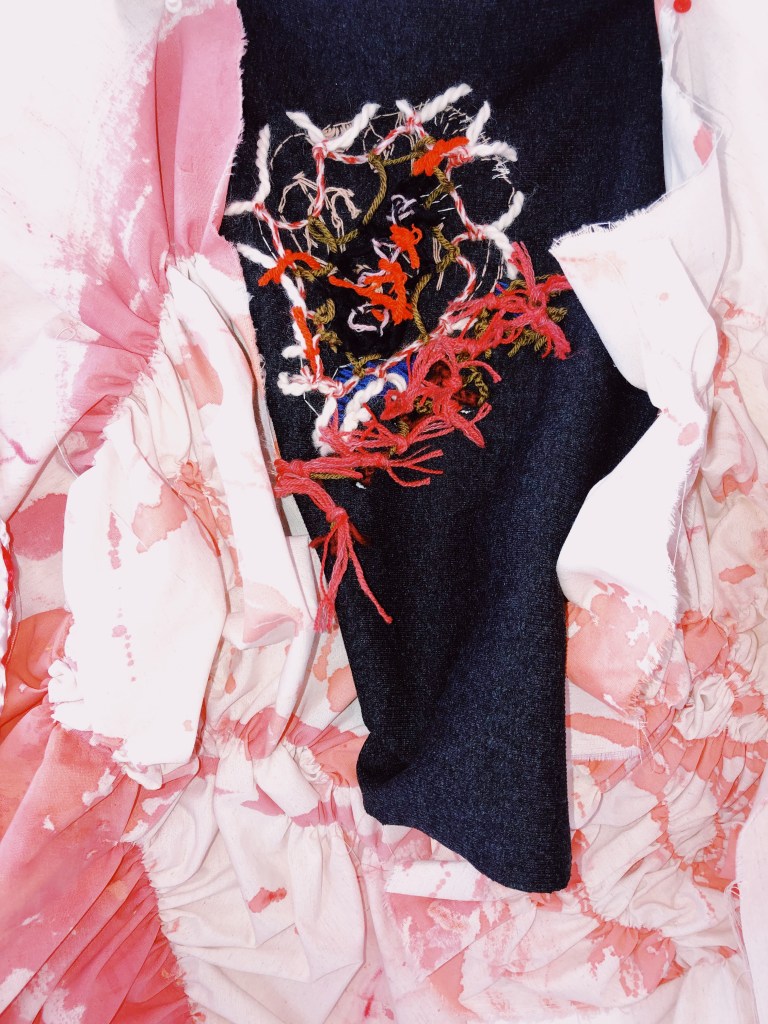
Cycle of Destruction and Creation

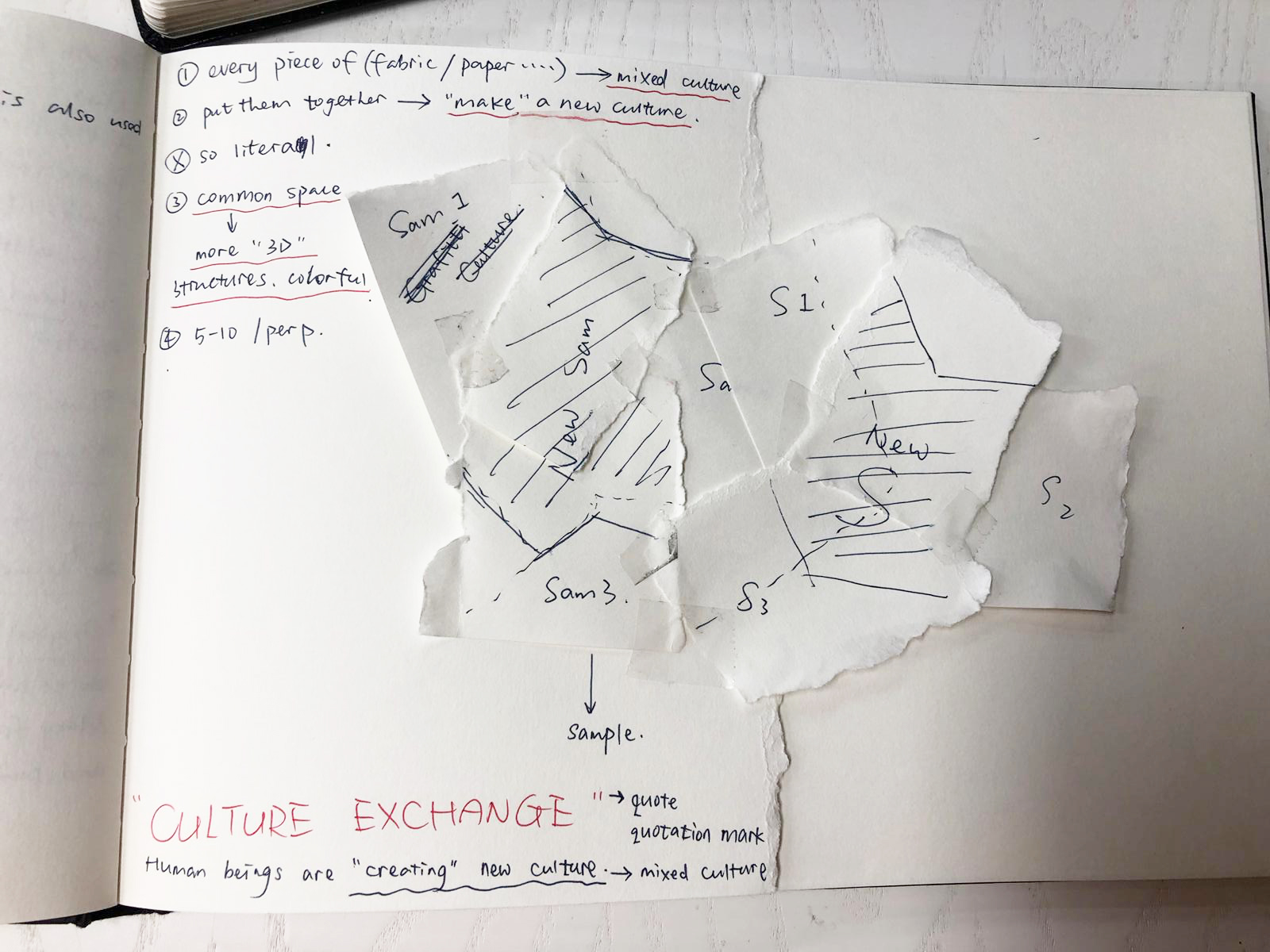
Me and Shuya were very interested in part : whole relationships and taking pieces of individual things to make whole pieces. Right now it is very abstract, but I will begin doing test samples this weekend. Hopefully with some samples, we will be able to solidify our idea.

Visually communicating ideas with my partner.
Design a site like this with WordPress.com
Get started