Prints & Drawings Study Room, level C, case Y, shelf 70, box D
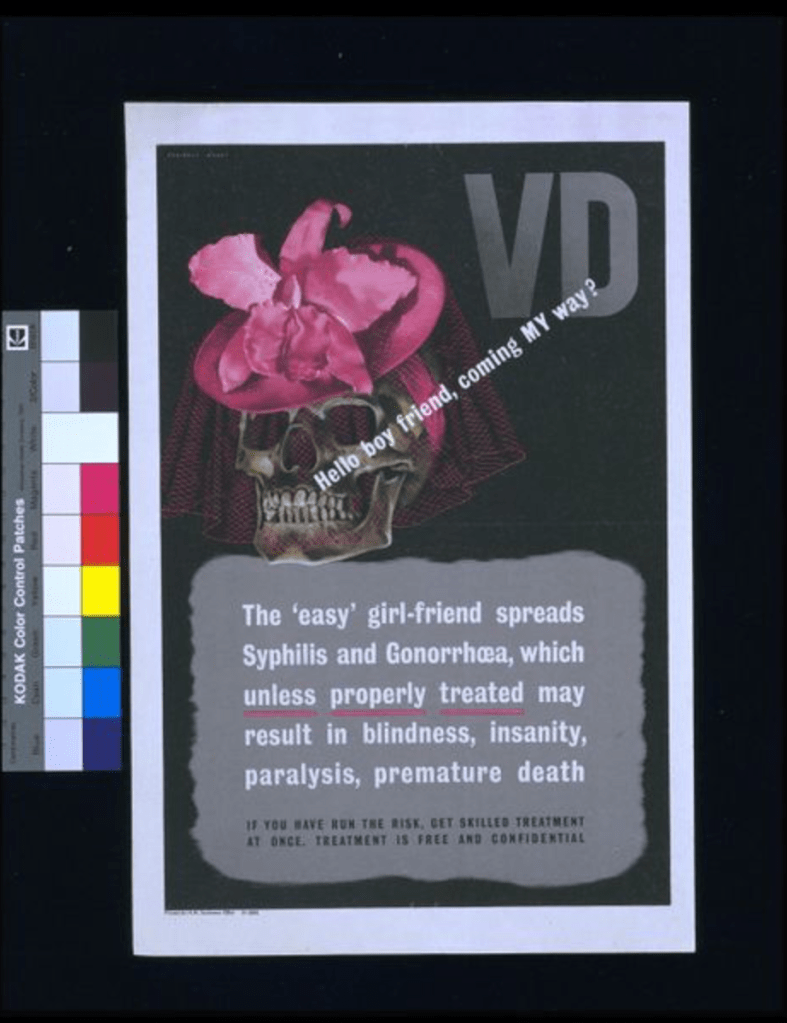
I have a lot of problems with this poster.
First of all, why are women always casted as the evil temptresses (a female is literally being represented by a scull)?
Second, the blame is completely shifted onto women?
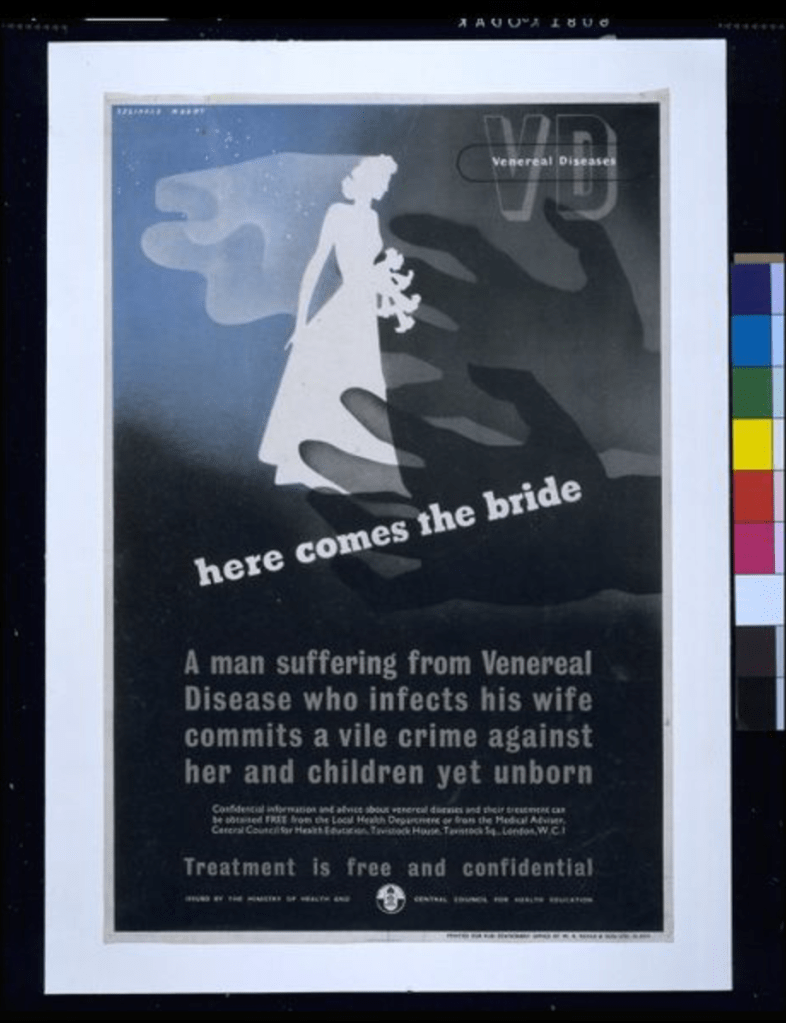
There is obviously a bias that it is okay for men to be promiscuous but not for women. Even in the second poster it assumes that brides are all supposed to be, “perfect virgins” and a man can still sleep around.
Both of these posters assume that all sexual relationships are heterosexual
The second poster assumes that the point of every marriage is to procreate
“The British Ministry of Health’s campaign against the spread of venereal disease (VD) during the Second World War of 1939-1945 warned men in the armed forces of the risks involved in casual sex, particularly when undertaken with promiscuous (‘easy’) women or prostitutes. ‘VD. The “easy” girlfriend’ is a grim reminder of the ever-presence of syphilis in what seems a macabre trio of death (symbolised by the skull), exotic sexual encounter (in the fleshy , sexual orchid) and feminine attraction (the pink veil).” The British Ministry of Health’s campaign against the spread of venereal disease (VD) during World War II warned men in the armed forces of the risks involved in casual sex, particularly when undertaken with promiscuous (‘easy’) women or prostitutes. ‘Here Comes the Bride’ reminds the male viewer of his social – and personal – responsibilities, and places the woman in the role of innocent virgin bride, in stark contrast with its companion poster, ‘VD, the easy girlfriend’ (E.2914-1995).
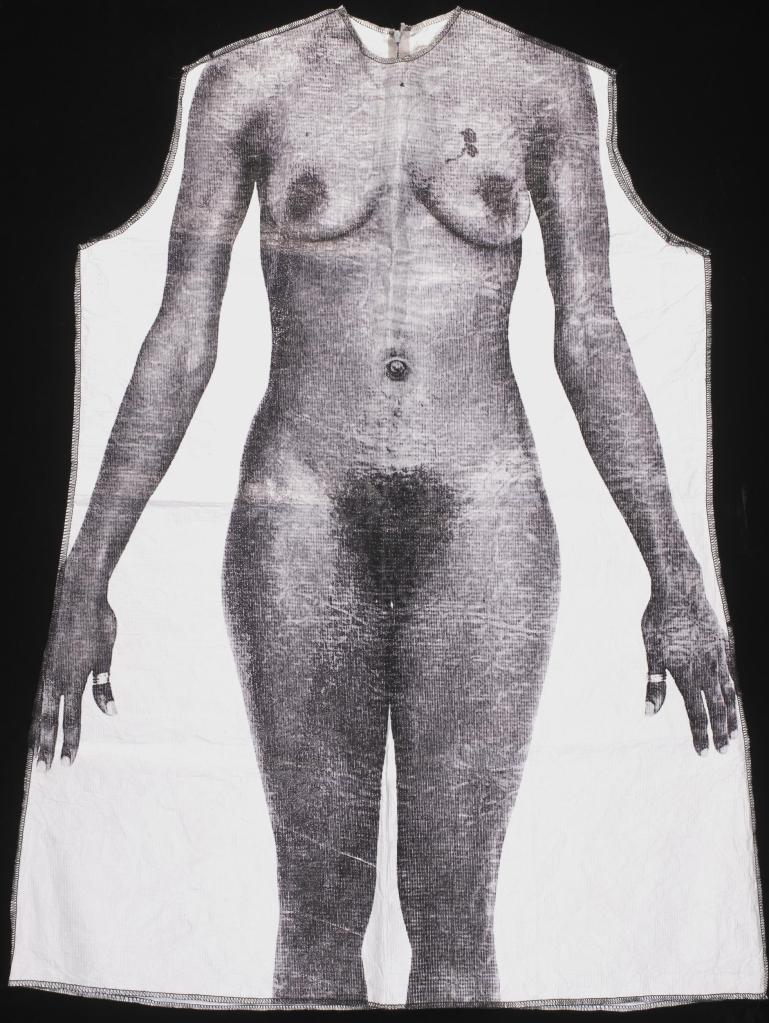
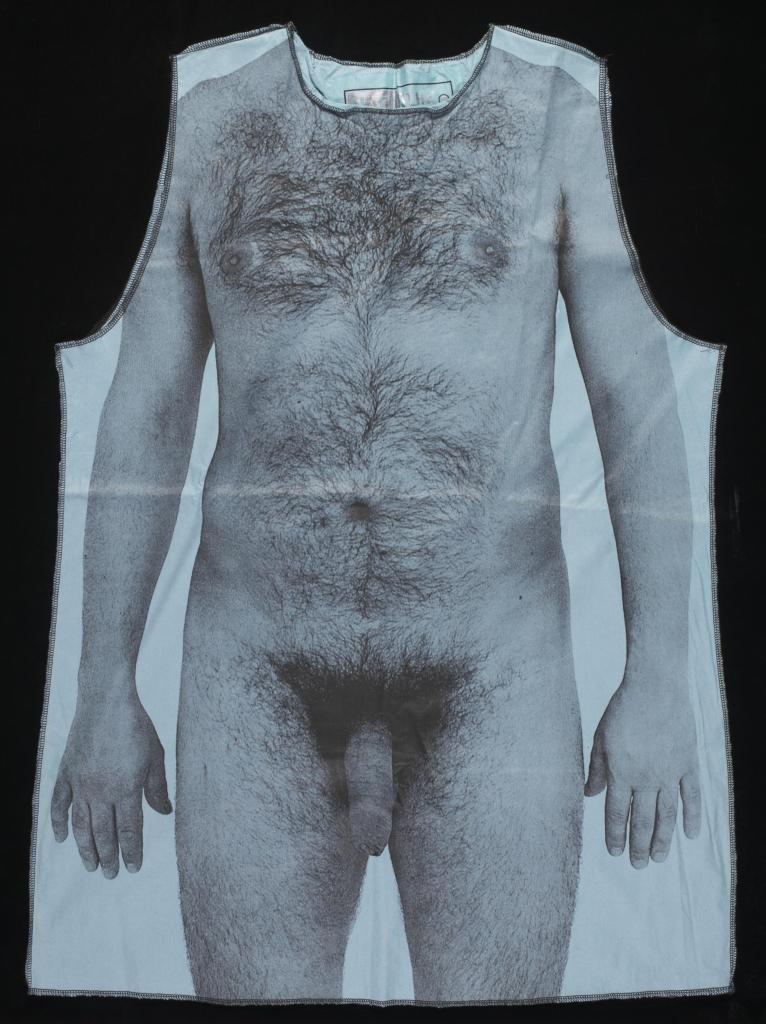
“This is one of several printed gowns made by Yin Lam as part of her contribution to Masquerade (1998), a project commissioned and staged by the London Printworks Trust (LPT), based in Brixton, south London. LPT is a community-based workshop which provides facilities to artists to work with print and fabric; it also has a dedicated outreach programme. Masquerade was an interactive exhibition which involved the setting up of a boutique in Brixton market. A number of artists, including Yin Lam, were commissioned to produce garments for the boutique. Passers-by were invited in to try on the clothes and have themselves photographed against specially-designed backdrops. The garments were often outrageous or provocative, designed not only to transform a sense of self, but also to break taboos and to question stereotypes.
Yin Lam chose to modify a number of surgical gowns (some green cloth, others white paper) by screenprinting them with images of naked bodies, male and female, black, white and Asian. These were produced as T-shirt sizes, knee-length gowns and full-length gowns. At the time she made these, she was already suffering from lupus, the disease which caused her early death, and had spent much time in hospital. Using the gowns was a way of addressing the changes she was experiencing in her own body, as well as offering others the opportunity to try living in someone else’s ‘skin’. They also suggest a frankness and openness about physical realities, and a deliberate rejection of conventional ideals of ‘the nude’ and the air-brushed perfection of the bodies which feature in advertising. Each of the bodies she chose to photograph and reproduce were those of professional models, but as well as those she described in the catalogue as ‘slim’ or ‘curvaceous’ or ‘athletic’, she also chose others who were overweight or had scars.”
Yin Lam’s work reminds me a lot of Jo Spence’s. Both deal with disease and body image in quite clever ways. Both works also deal with societal expectations and what is considered to be “beautiful” and, “normal”.
Yin Lam and Jo Spence seem to be deeply emotionally disturbed or discontent. Both were sick and had to deal with their realities and the fact that their bodies would be forever changed. Though the mediums are different, I see similarities in the use of medical visuals as well. Lam uses medical gowns and Spence uses her surgery scars.
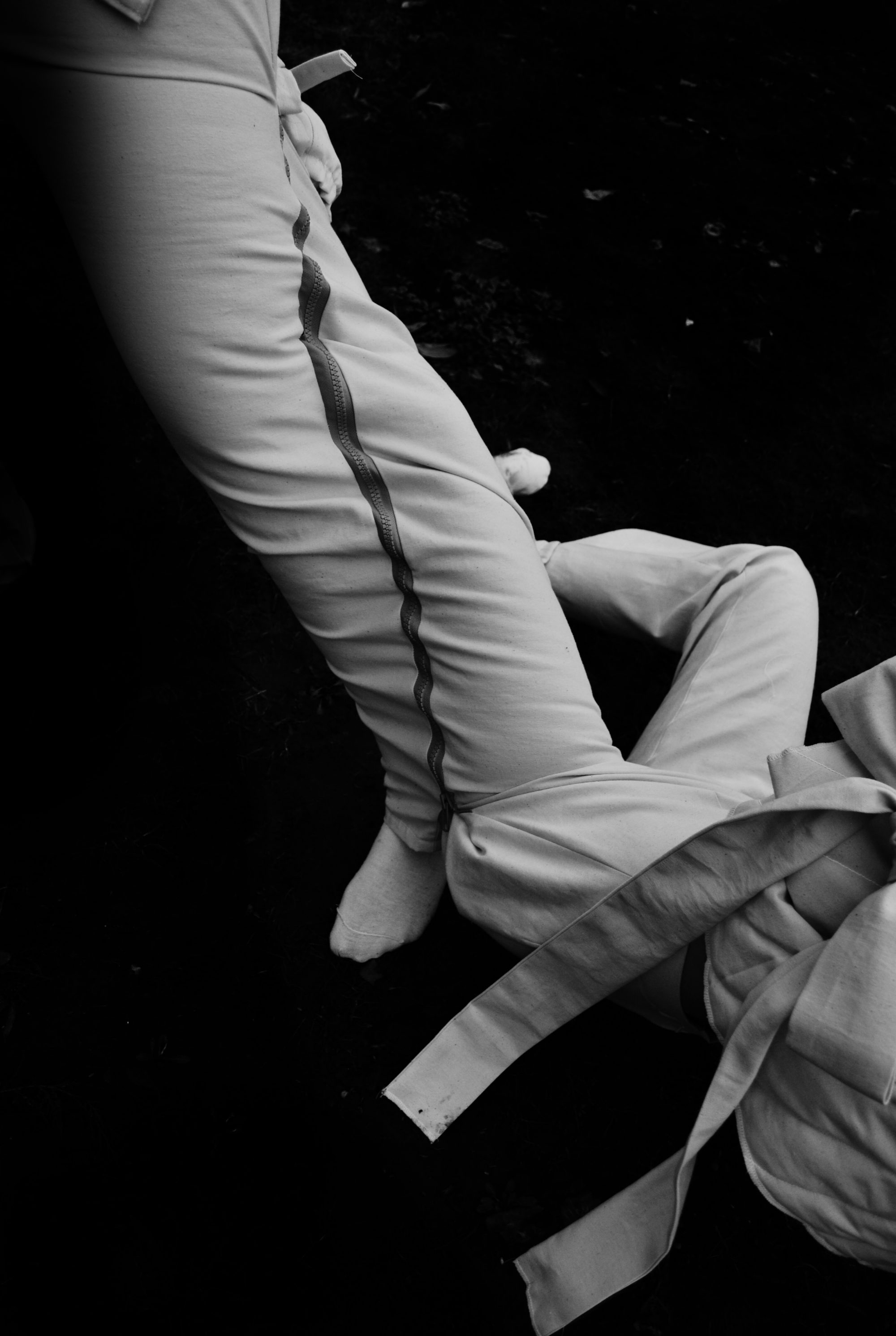
Both of these garments are unfortunately in storage.
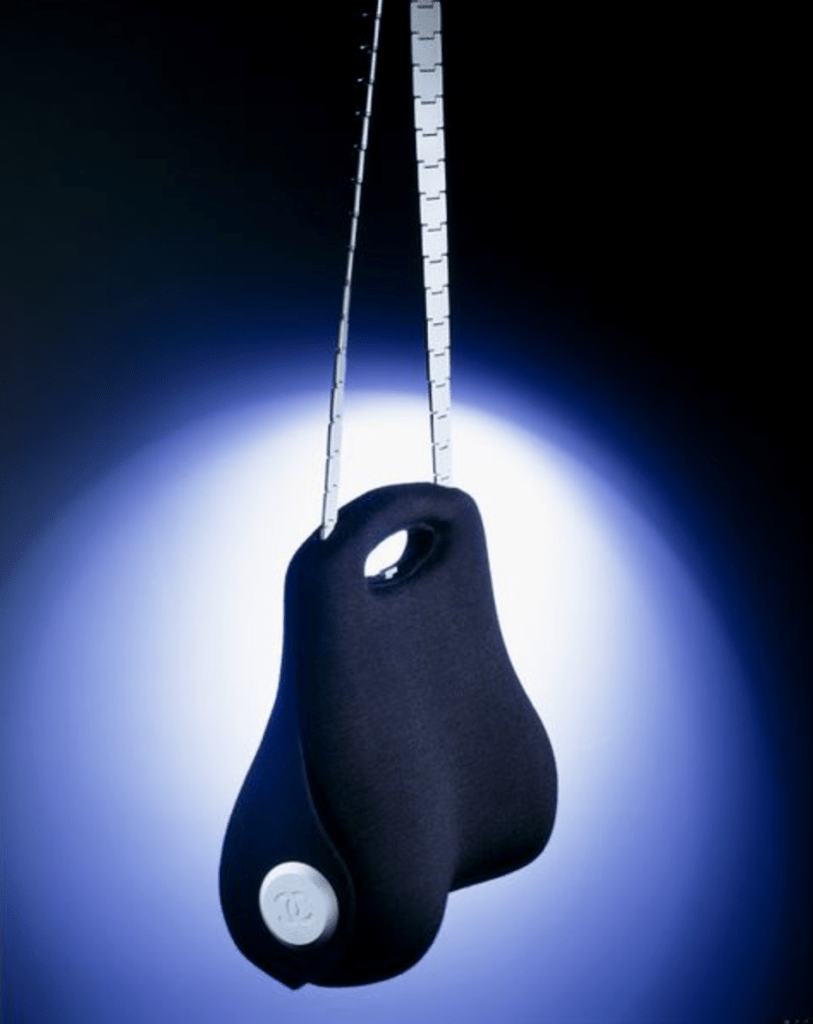
1998 Handbag designed by Karl Lagerfeld for Chanel.
On display in room 40 at the V&A.
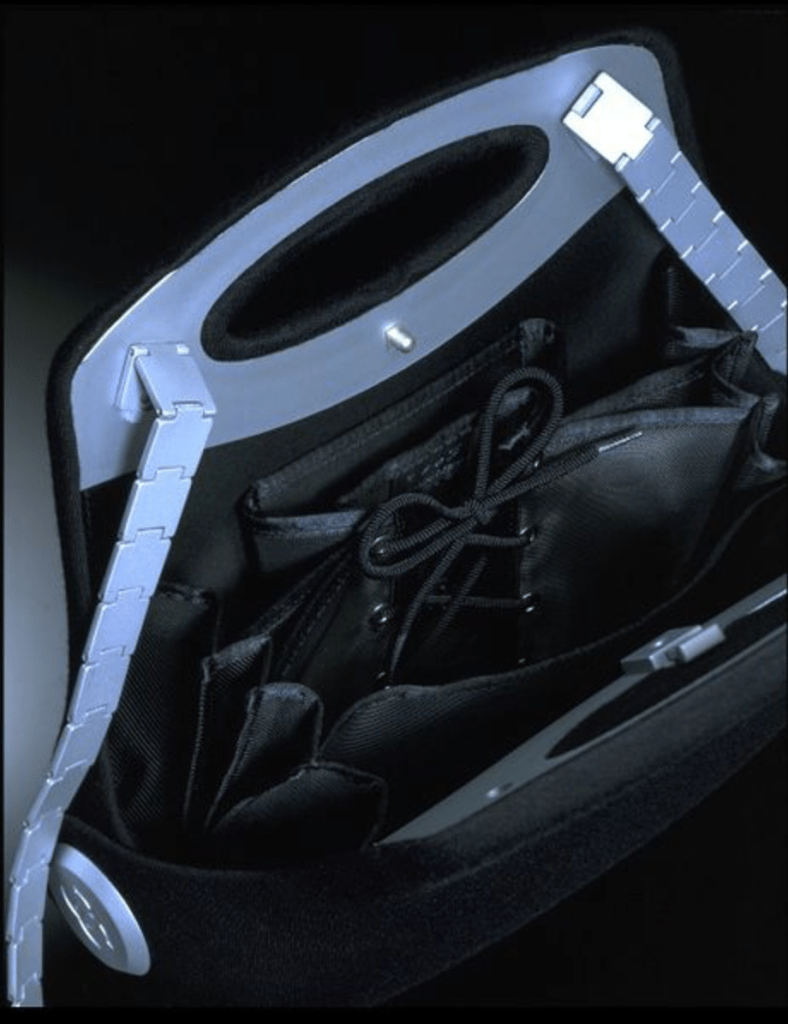
“In 1998, Chanel released Karl Lagerfield’s ‘2005’ handbag, the descendant of the 2.55 created by Gabrielle Chanel in 1955 and still influential half a century on. Using the latest technology, its rigid lightweight polyethylene shell is clothed by hand over an aluminium frame in tight black jersey, tweed or leather. Formed to sit comfortably against the hips, its shape also recalls the female body, while its interior is a fetishistic dream, with corset-style laced mobile phone holder, zips and pockets.”
What peaked my interest in this piece is the corset-inspired lining (because I make a lot of corsets, and they interest me) and the odd shape.
I’m not sure how I feel about it being described as a, “fetishistic dream” though. I also think that saying the shape, “recalls the female body” is somewhat problematic because it assumes that all females have curvy figures. Also, the connection between the female body and fetishism is prevalent in this piece, which is troublesome to me, as female bodies are constantly being objectified. I need to see this piece in person and marinate in my thoughts a bit more, but it is an interesting conversation piece.
“One thought can lead to three forms of expression”
Hussein Chalayan
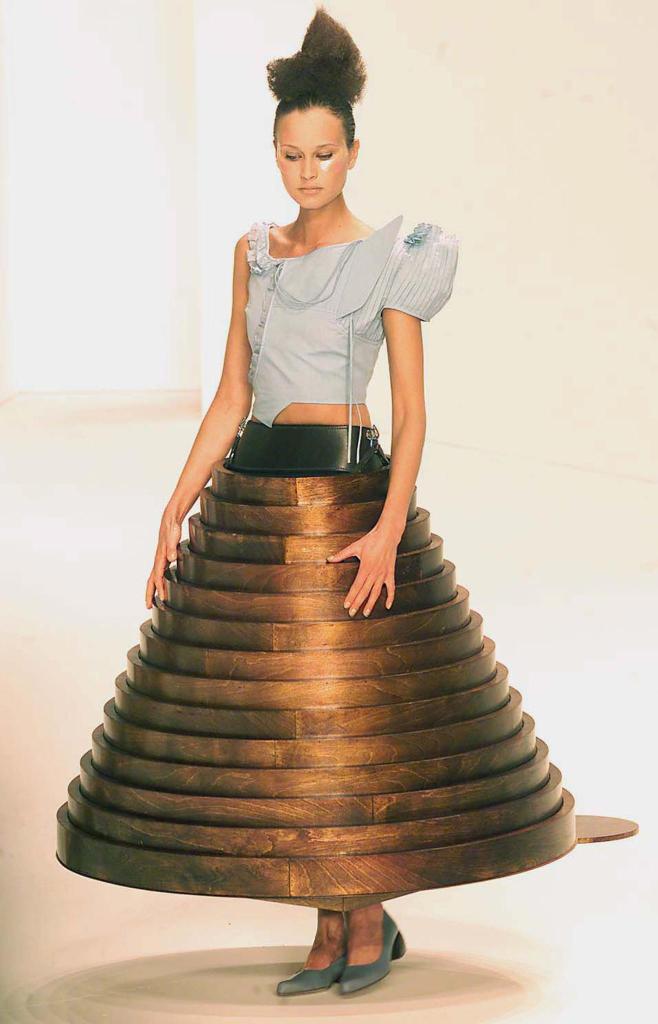
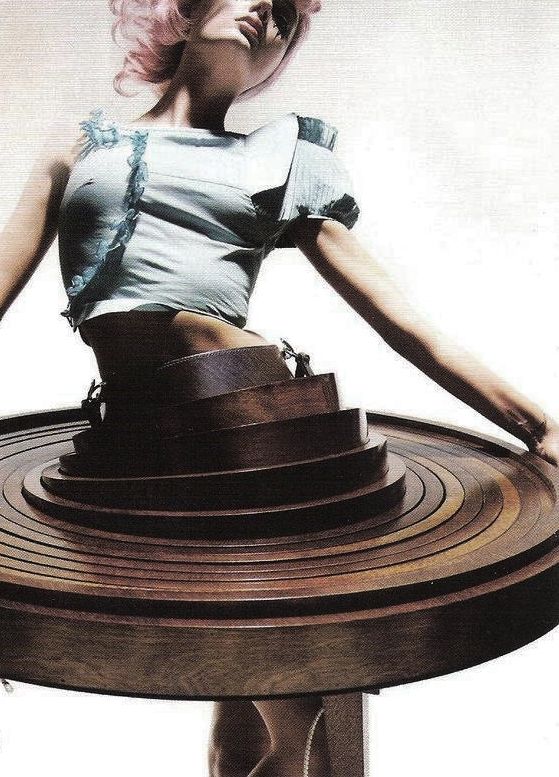
I’m interested in other ways to explore transformable garments, and Chalayan is definitely a designer familiar with this concept. He has furniture that turns into garments, garments that melt in water, paper garments, and even transformable garments.
I’m so inspired by his work and how he abstracts everyday ideas into something so beautiful. His main concepts are:
seperation
value
displacement
isolation
speed
disembodiment
hybrids
transformation
2000
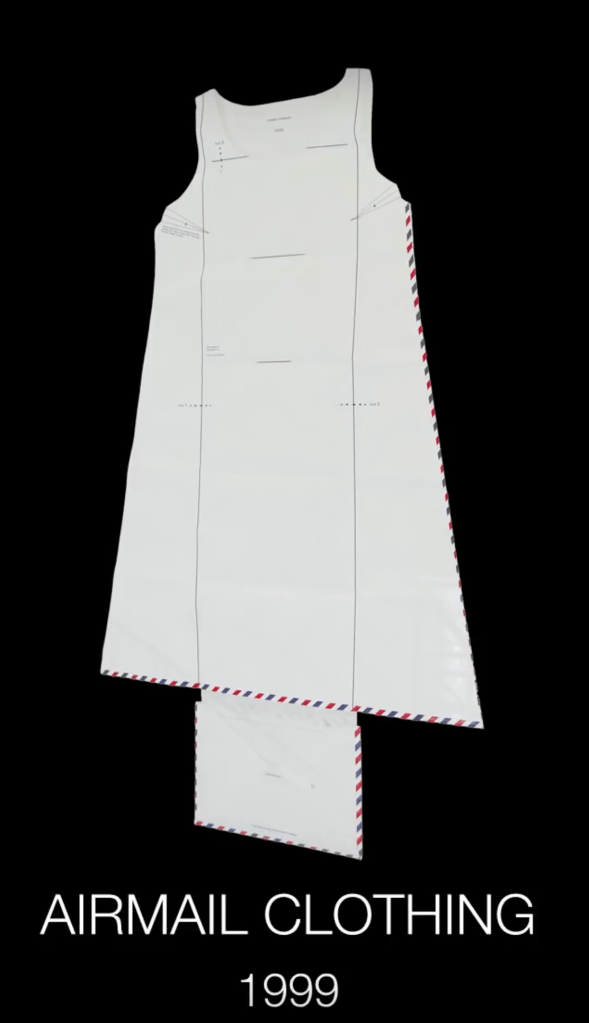
How to efficiently take your belongings with you
“I like the idea that you can send a dress to a loved one and maybe this dress can become a token for absence or your presence”
In my personal practice, I realized that I love to experiment with reshaping the body in ways that almost look like an illusion. Historically, I’ve achieved this type of look using my corsetry skills, but I am trying to push myself to experiment with different methods and ways of achieving this aesthetic/feel.
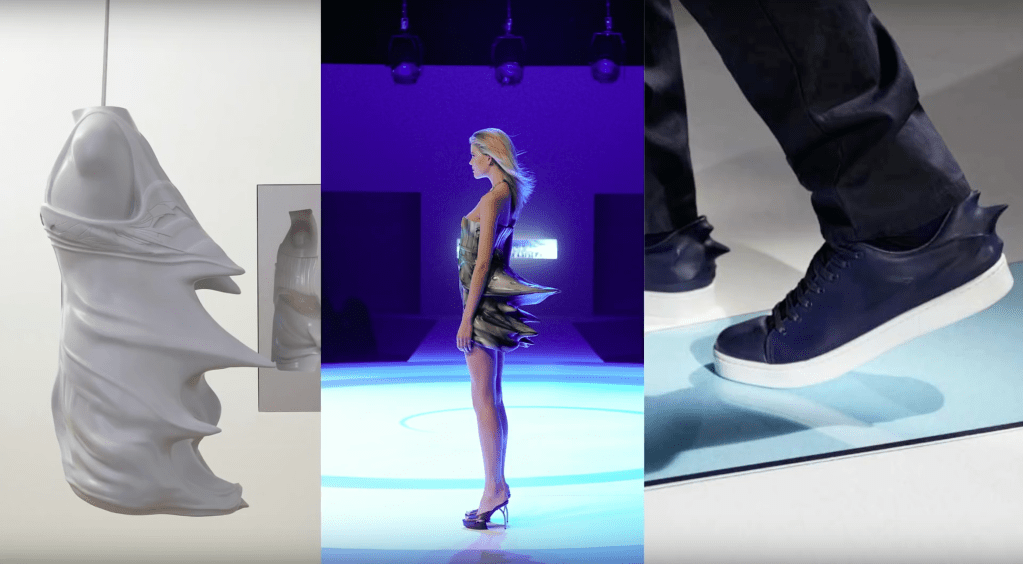
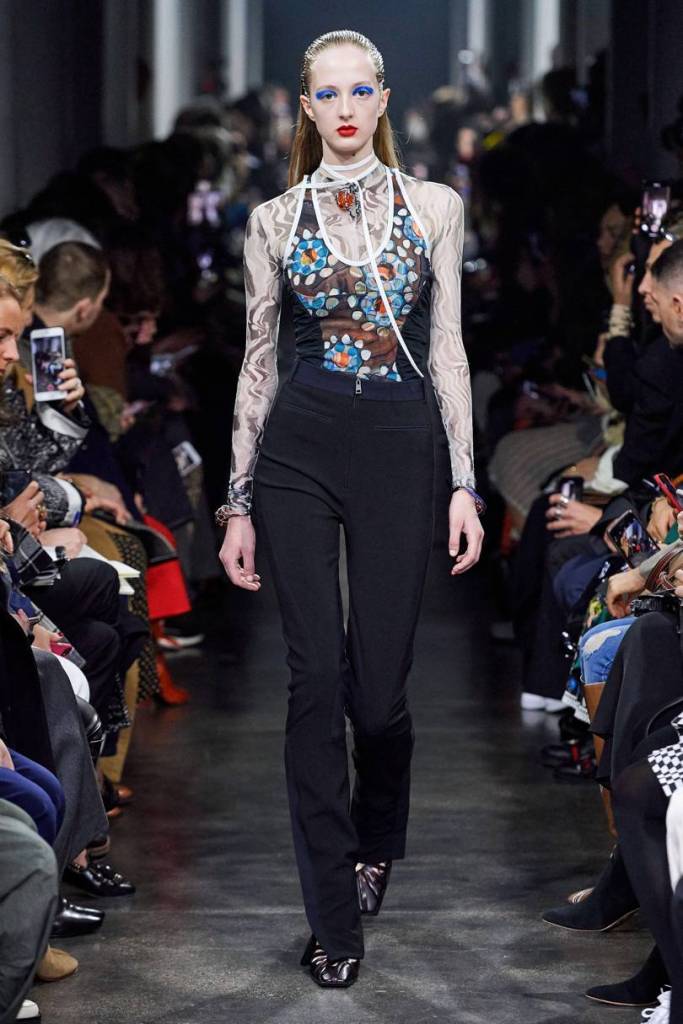
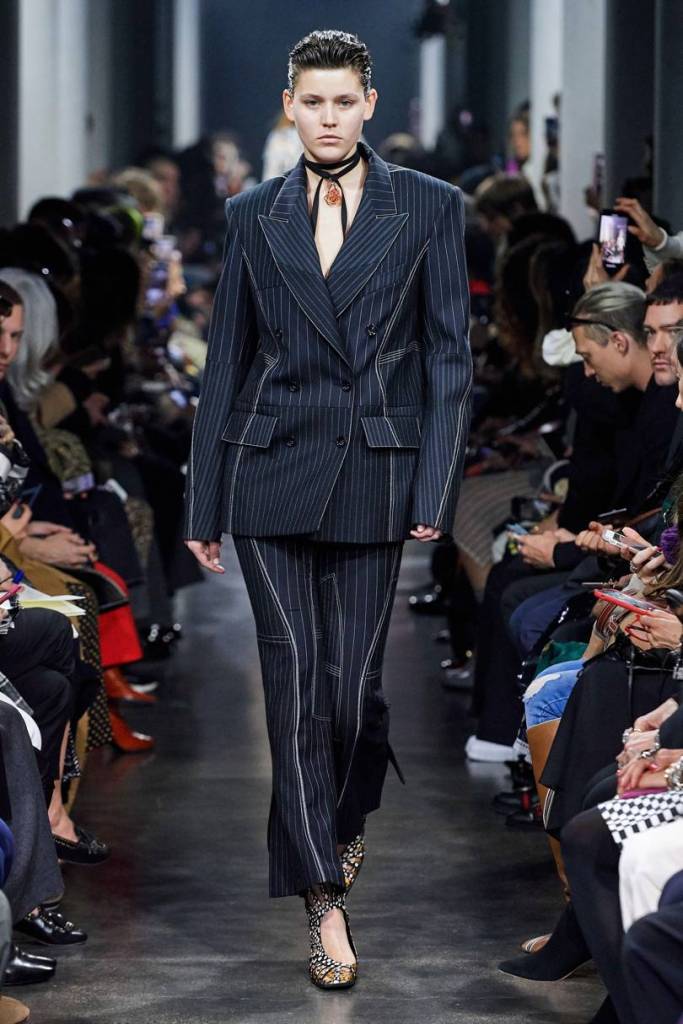
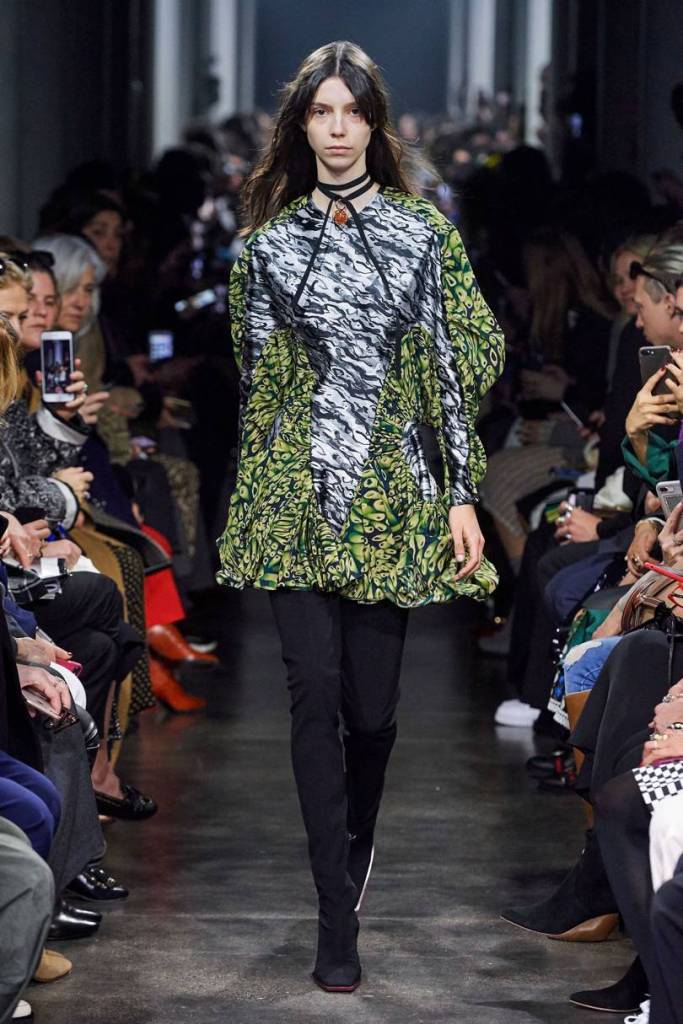
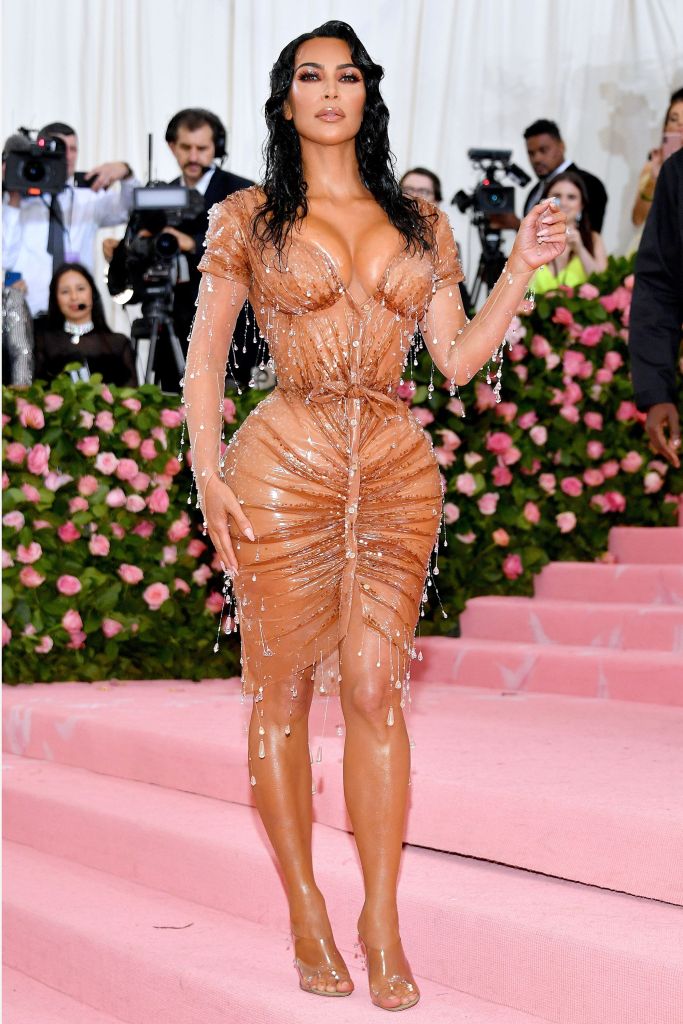
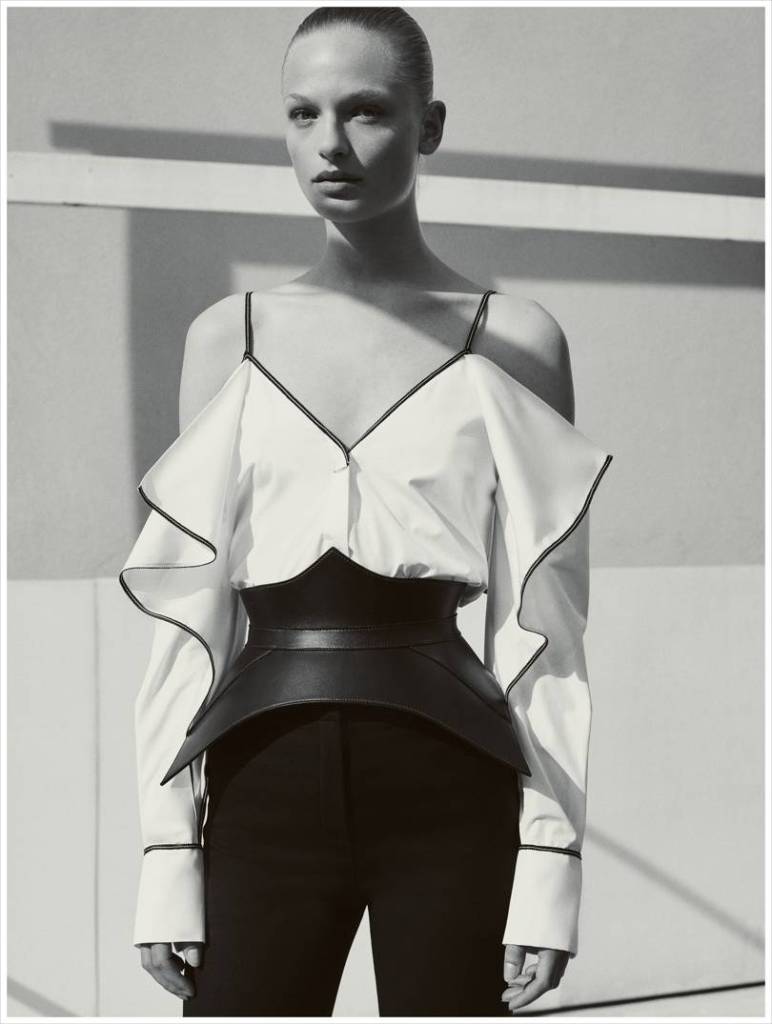
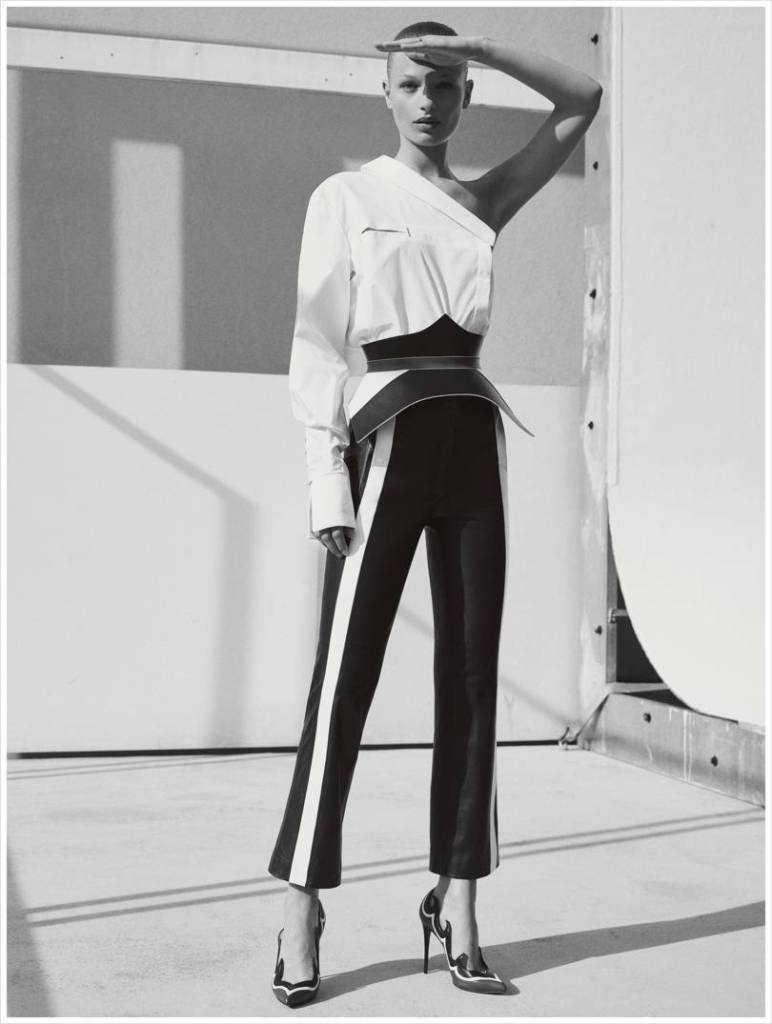
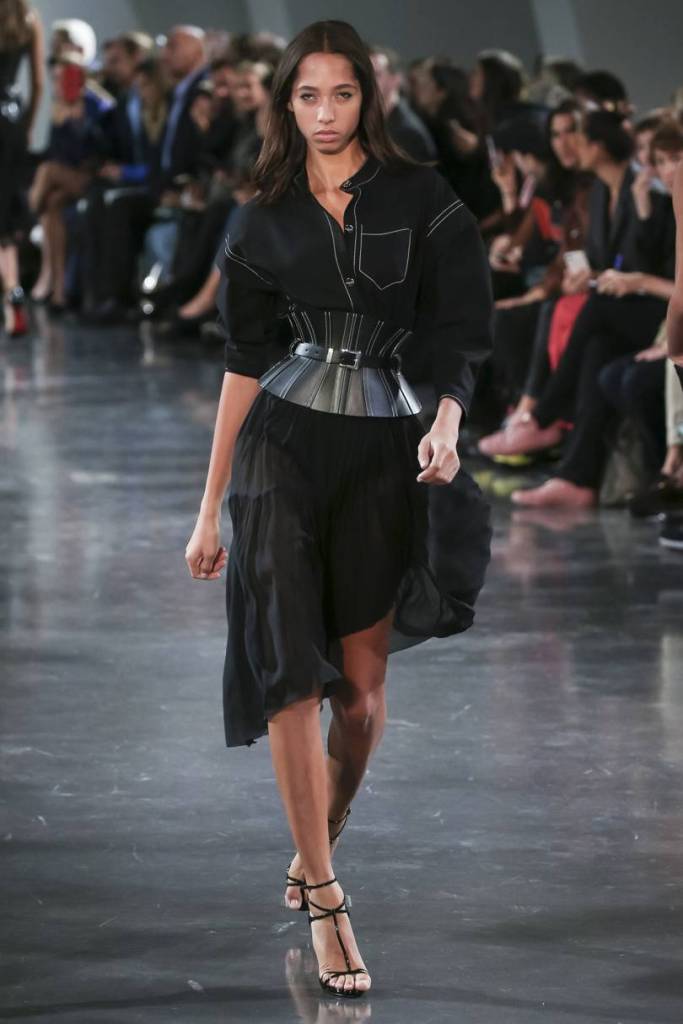
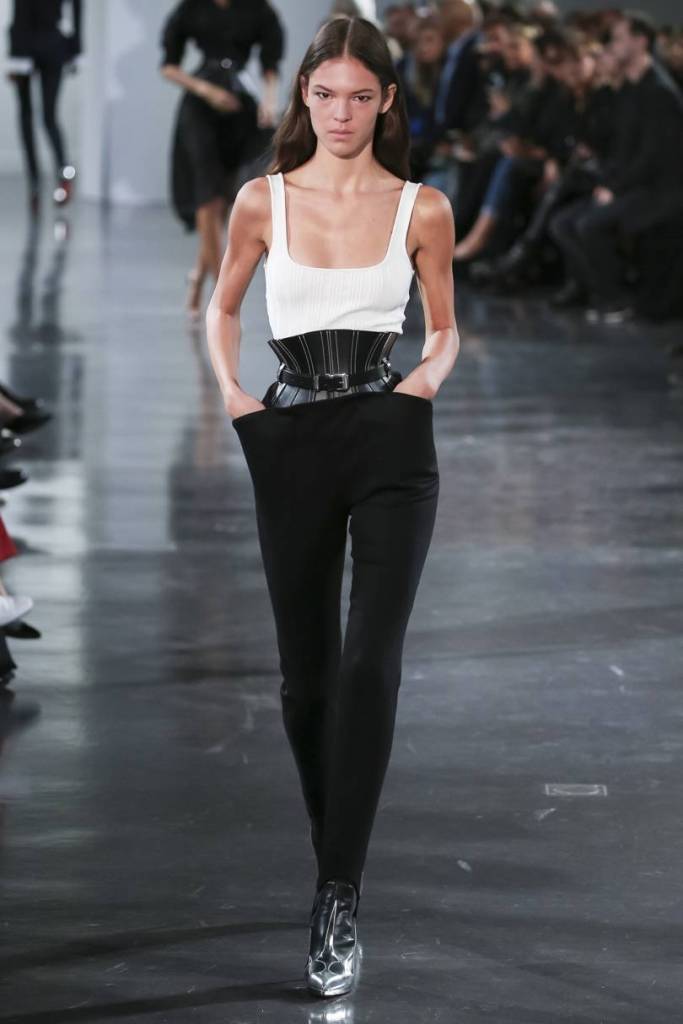
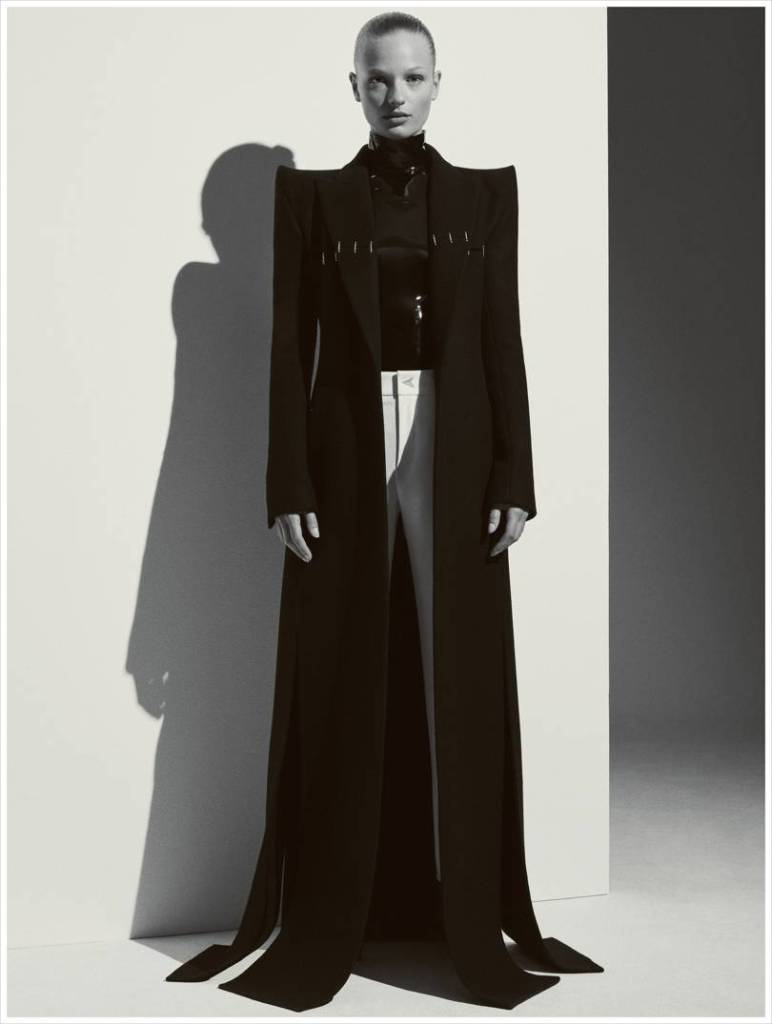
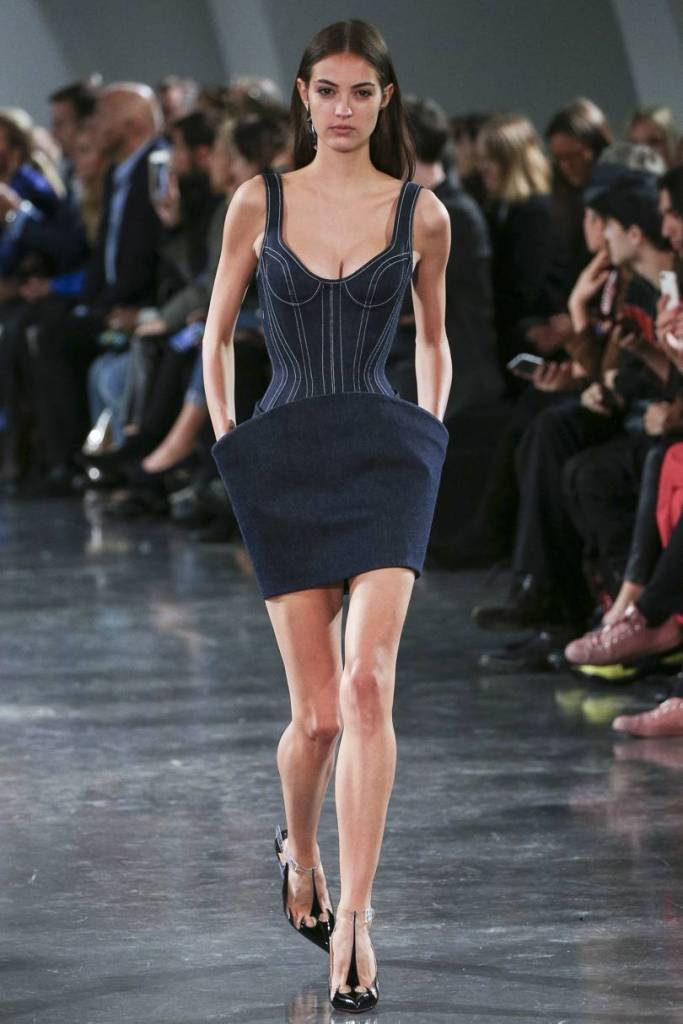
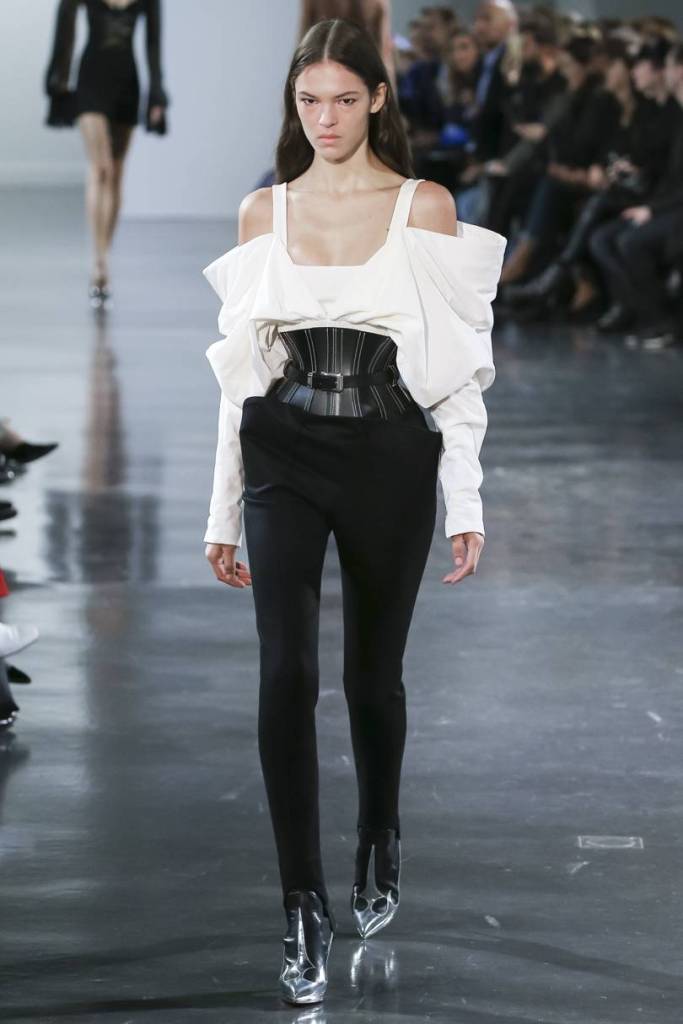
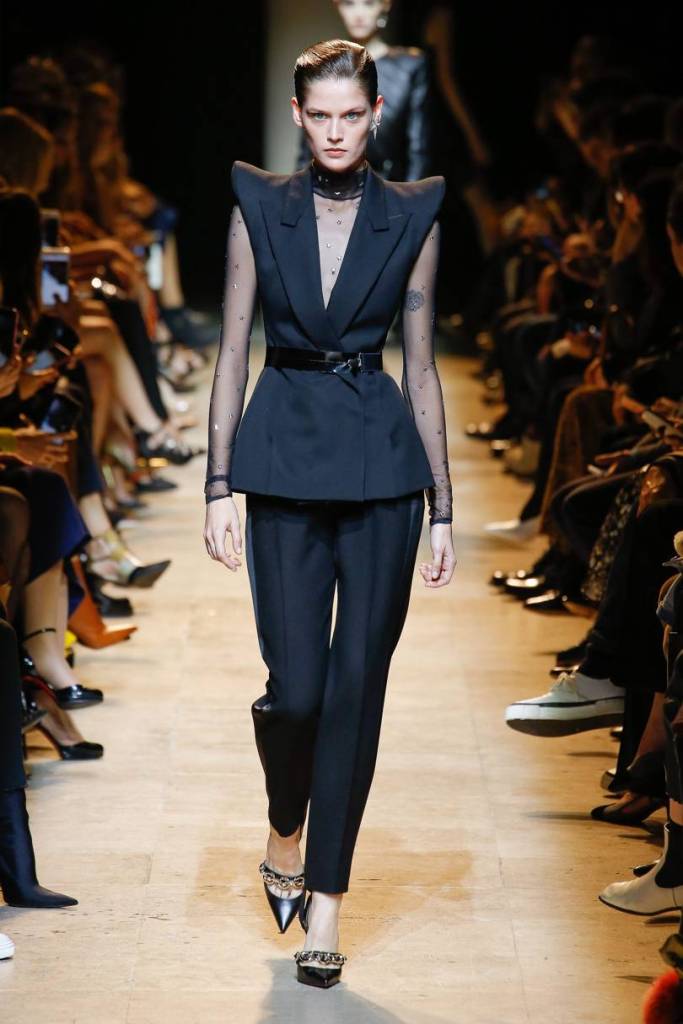
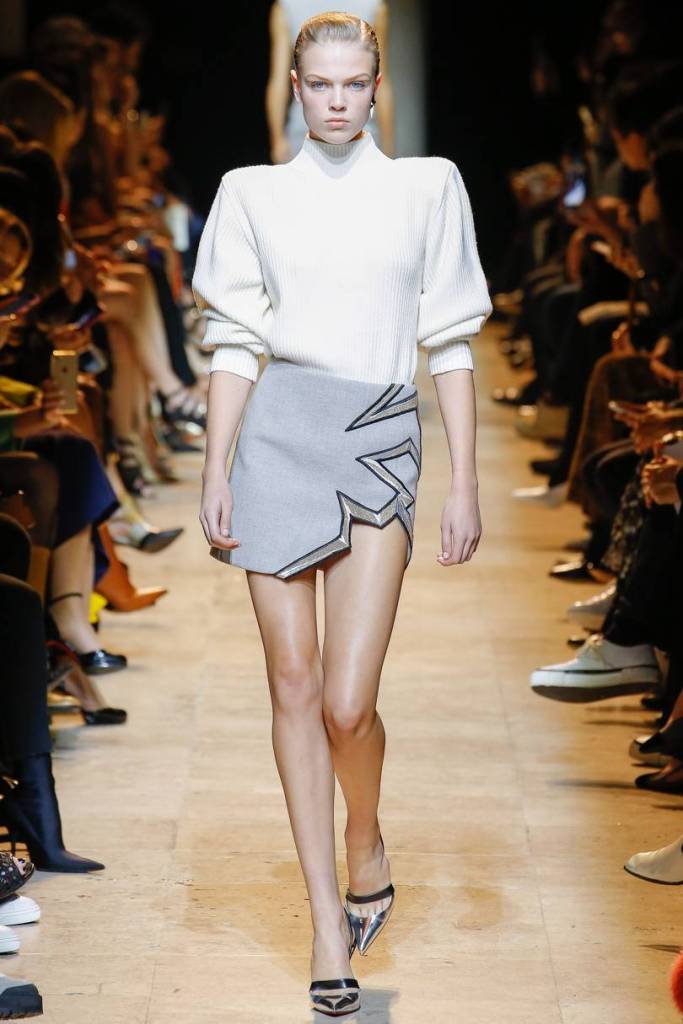
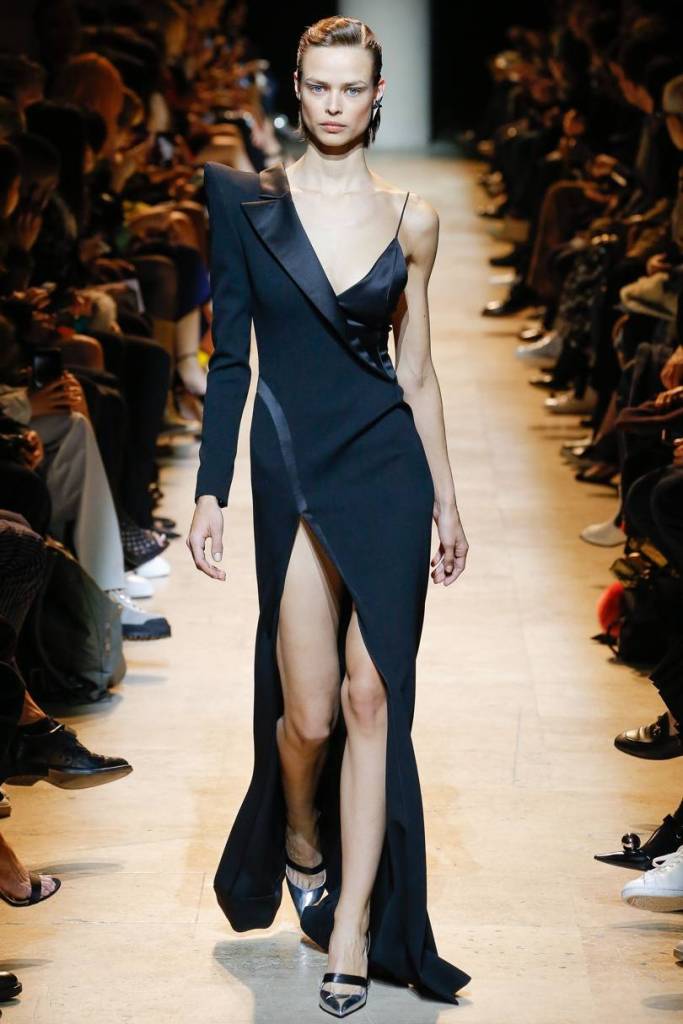
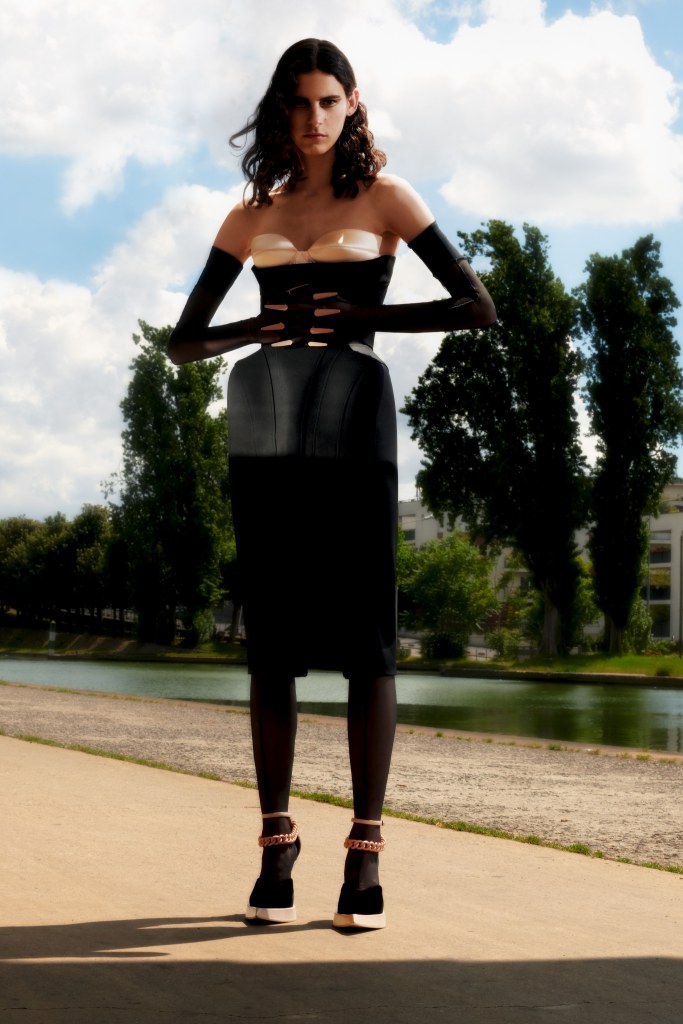
I have found Mugler to be very inspirational. A lot of the brand’s collections explore this illusionary effect. Here are some of the ways I’ve isolated as examples of how this look is achieved:
Print Placement/Seamlines:
Corsetry
Structural Construction
Using the Skin for Contrast/Shape
Print Placement/Seamlines
A/W 2019 Ready-to-Wear
A/W 2019 Ready-to-Wear
A/W 2019 Ready-to-Wear
2. Corsetry
Kim Kardashian Met Gala 2019 Mugler x Mr. Pearl
2018 Resort
2018 Resort
2018 S/S RTW
2018 SS RTW
3. Struture
2018 Resort
2018 SS RTW
2018 SS RTW
AW 2017 RTW
SS 2019 RTW
4. Skin Showing
AW 2017 RTW
AW 2017 RTW
And here are some of my favorite posts from their instagram .
Mugler 2020 Resort
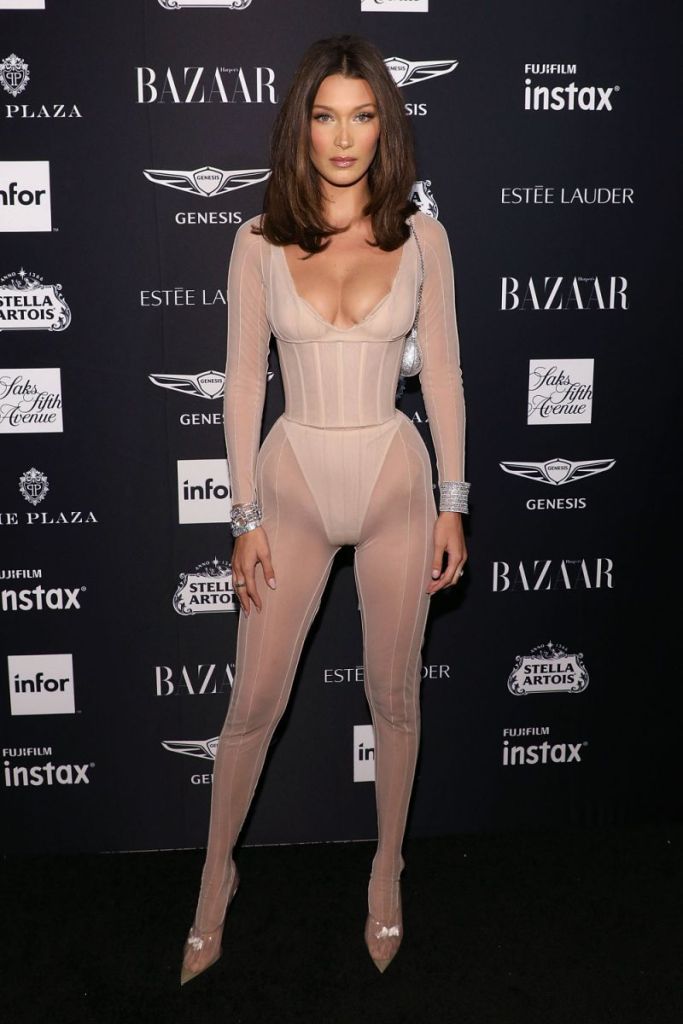
Bella Hadid in Mugler at the Harper’s Bazaar icon’s Party
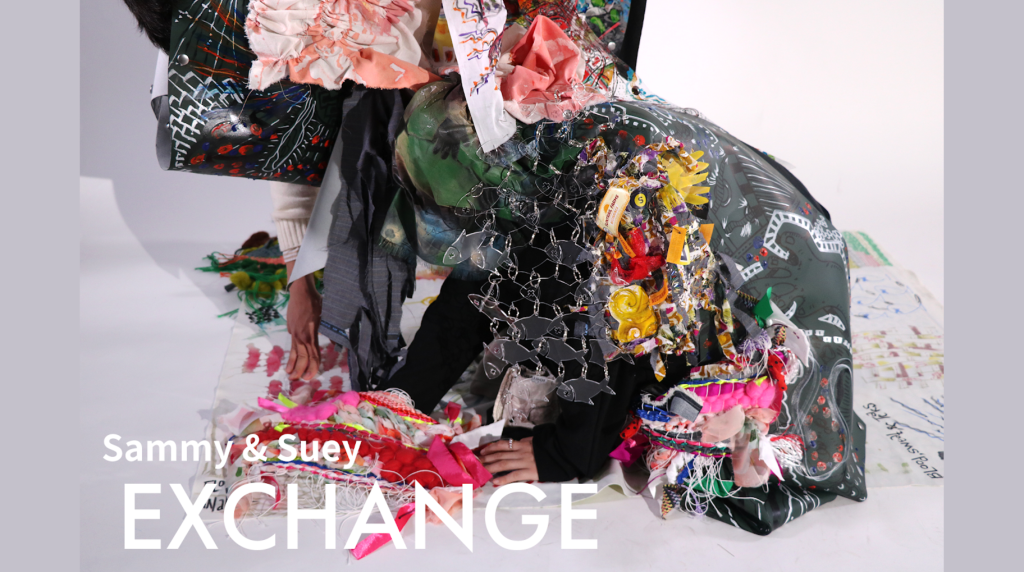
Suey and I have the Capture studio booked this Thursday, and we plan to take videos and photography of draping different shapes on each other with our various material tests.
However, after watching the Netflix Documentary on Alexander McQueen, I was so inspired to try some new methods in our documentation. The documentary discusses some of the cultural differences that occurred when Lee McQueen started working at Givenchy (some of which included language and barriers). I thought that these miscommunications were so interesting. It reminded me of when I first learned to sew and I could not understand sewing instructions. With both of these examples there is a clear difference between what is expected or told and the outcome. I then thought it would be interesting to create a garment, and write thorough instructions in order to see if Suey would be able to re-create it. And we could put both of the films side by side to compare. Literally, this would communicate a successful or unsuccessful verbal exchange.
Citation
McQueen. Peter Ettedgui and Ian Bonhôte. Netflix. 2018.
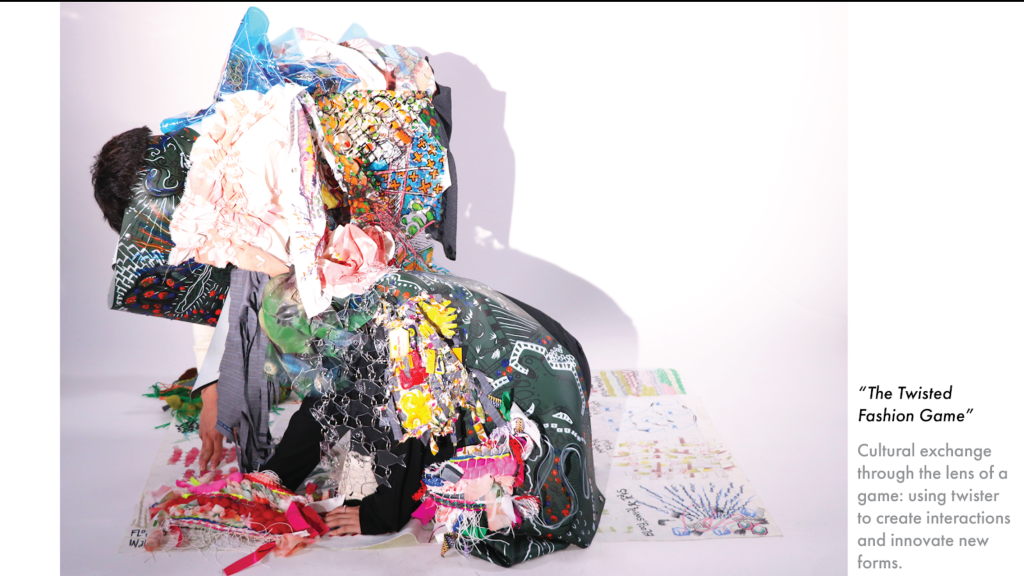
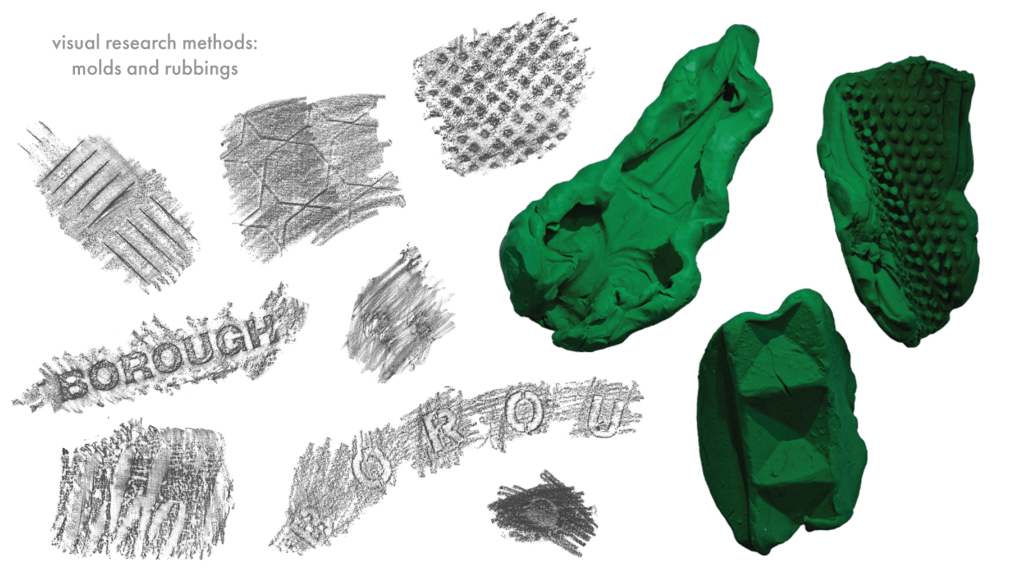
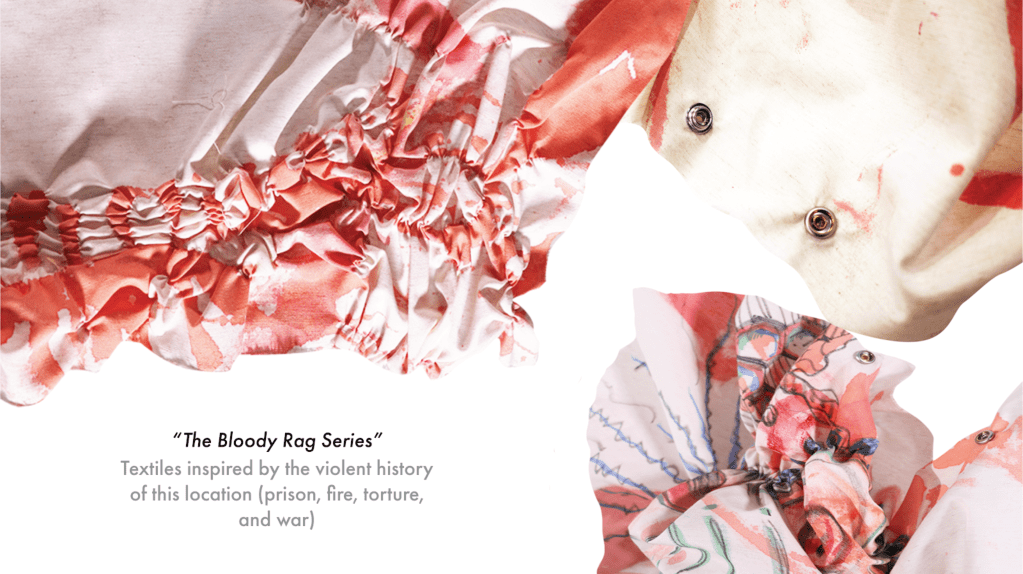
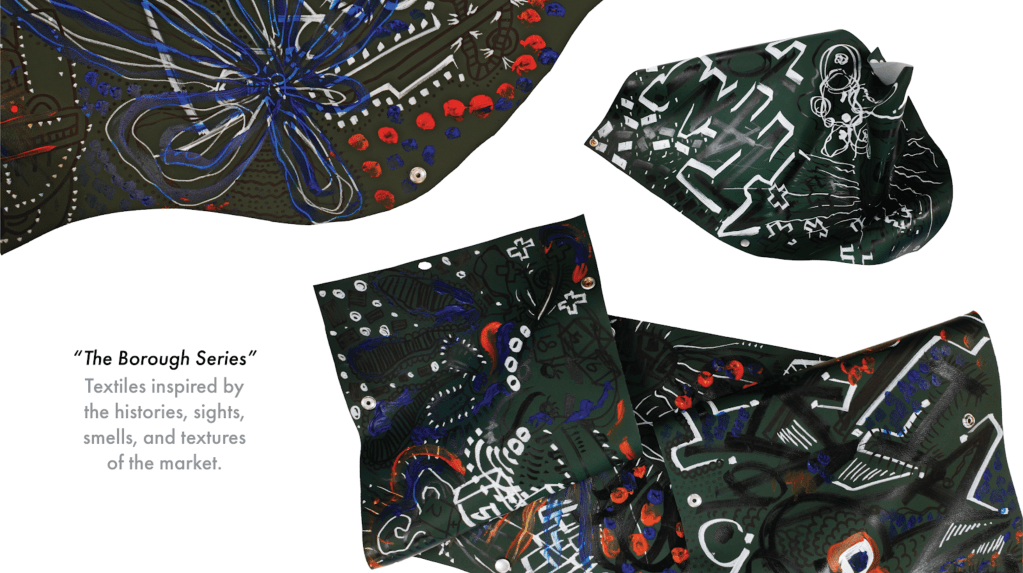
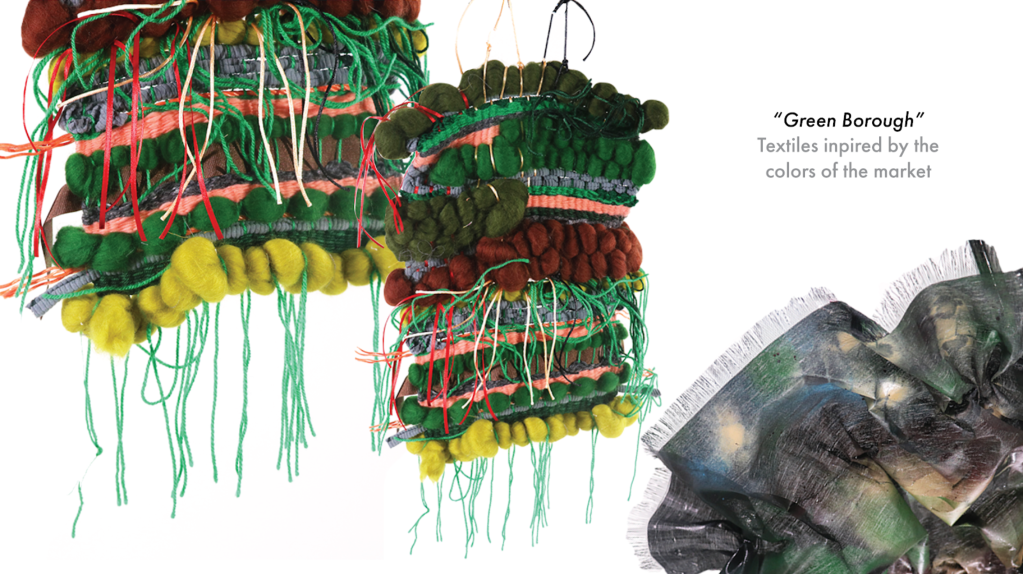
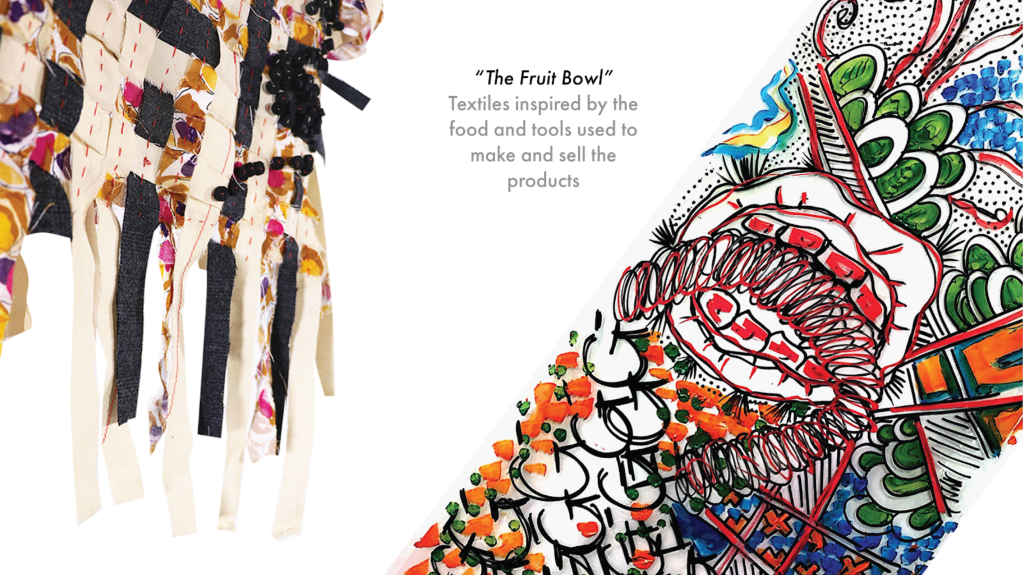
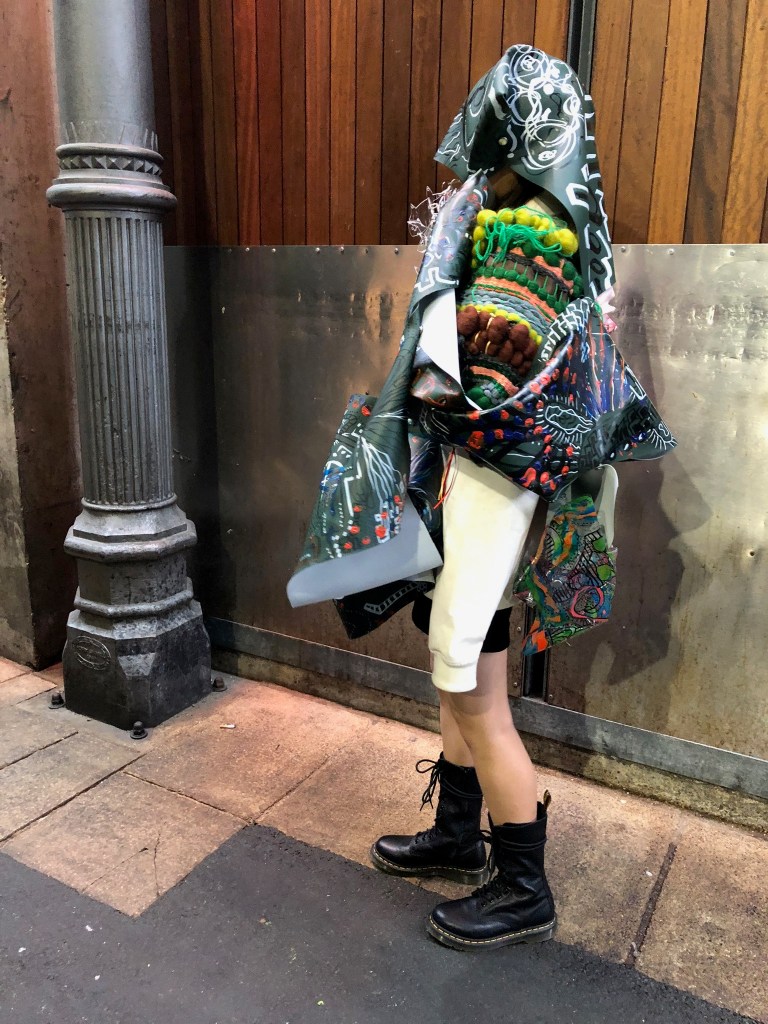
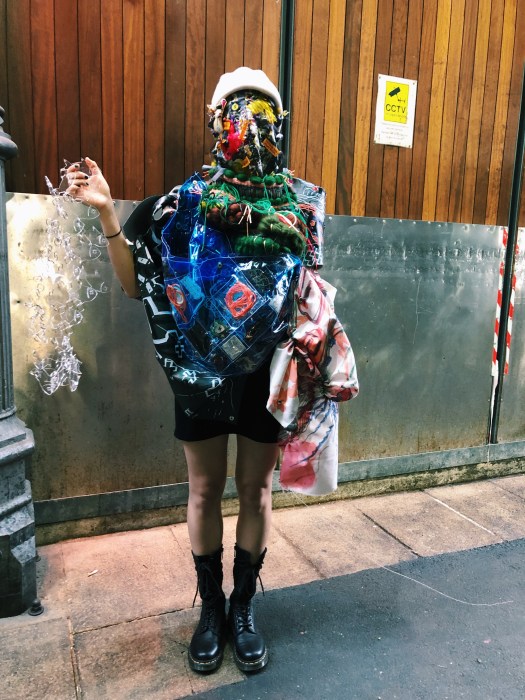
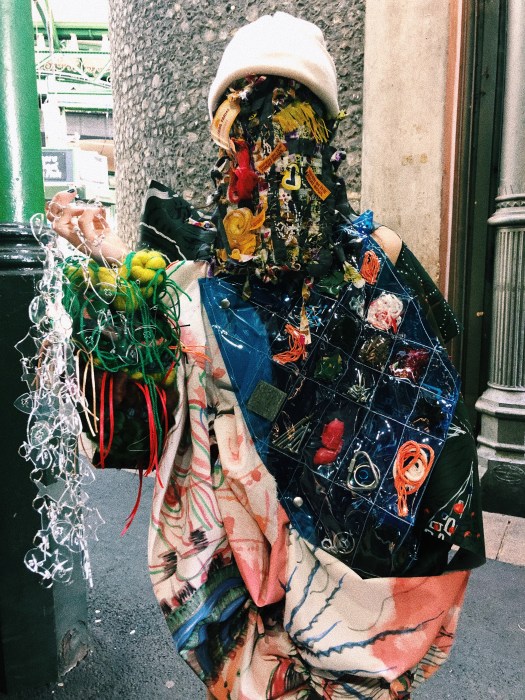
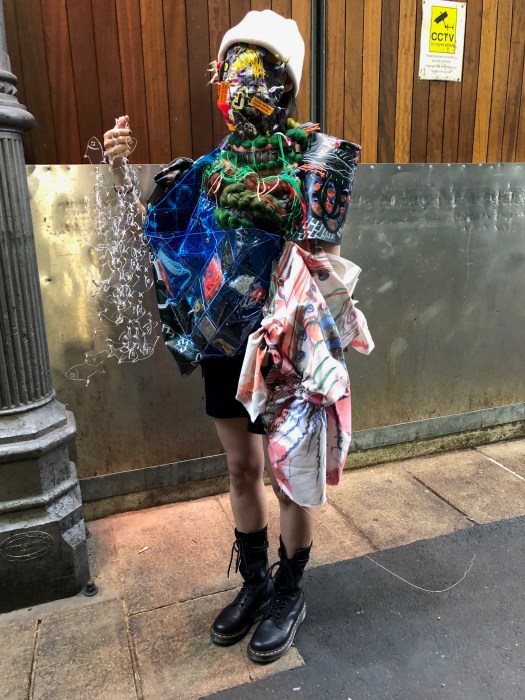
Me and Suey tried to do a psychogeographical experiment in the middle of Borough Market. I was thinking we might get inspired by the interactions, smells, sounds, lighting, and structures in the market.
I was also very inspired by the writings of Yi Fu Tuan, saying that people’s trails leave an interlocking mesh. I thought, theoretically, me and Suey could put ourselves in the middle of the mesh. Overall, this was a cool experiment. We definitely got some weird looks from the shoppers and store owners.
While I was draping I was experimenting with layering and structural shapes.
This video is NOT DONE YET because I wanted to add some sound and maybe a color mask to highlight me and Suey a little bit more. I will discuss this with Anna on Monday.
As our original inspiration was cultural exchange, I decided to research brands in the fashion industry who have done cultural appreciation successfully, but also ones who have appropriated different cultures.
One of the most glaringly obvious cases of cultural appropriation (and honestly, overt racism and sexism as well) was Dolce & Gabbana’s 2018 Shanghai fashion show, which ended up needing to be cancelled due to racist and sexist marketing.
A video shared by the brand before the show was criticized for being degrading towards Chinese culture. The model was eating italian food with chopsticks, and many Chinese people were offended, saying it trivialized their culture, due to the nature of the filming of the video.
Later on, screenshots from the Instagram account of Domenico Dolce revealed degrading and racist private messages about China.
The brand claimed that the accounts were hacked, but overall the entire execution of the show was poor. Maybe if the company had decided to collaborate with Chinese designers, the execution would have been more appropriate and successful in appreciating Chinese culture, rather than imposing their culture and brand onto another culture.
Today we discussed how we might want to execute our creative writing portion of the assignment. Aleah brought out the French word, “derive”. We discussed how this connoted a person who walks, writes, and goes with the flow while exploring a place. She recommended we employ this technique while writing.
The work of Yi Fu Tuan was brought up, and I found it particularly interesting. He wrote, “Space and Place- the Perspective of Experience”.
“An object of space receives concrete reality when our experience of it is total, that is through all the senses as well as with the active and reflective mind… ideas of abstract space are developed out movement — out Of the direct experiencing of space movement.”
Yi Fu Tuan
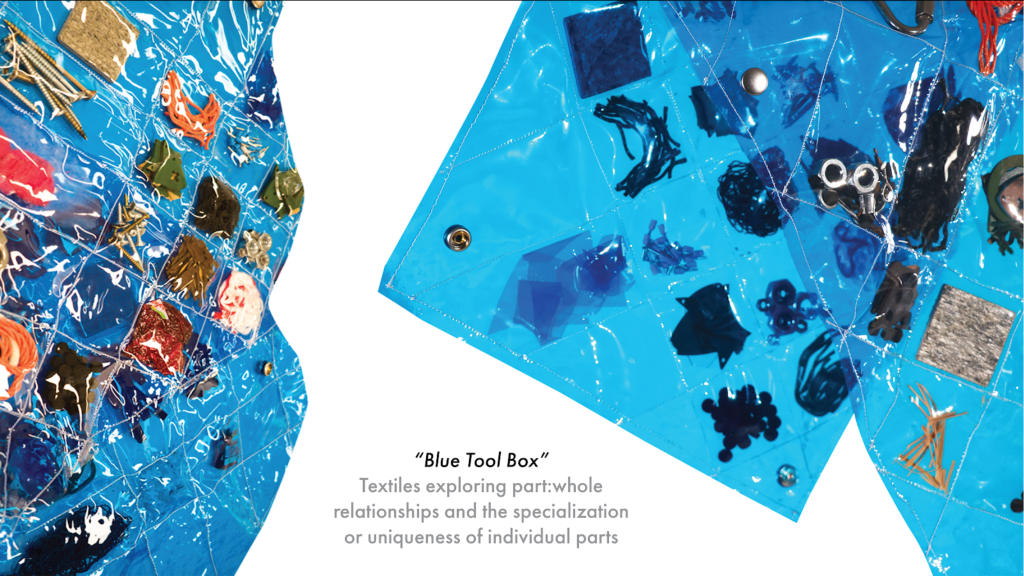
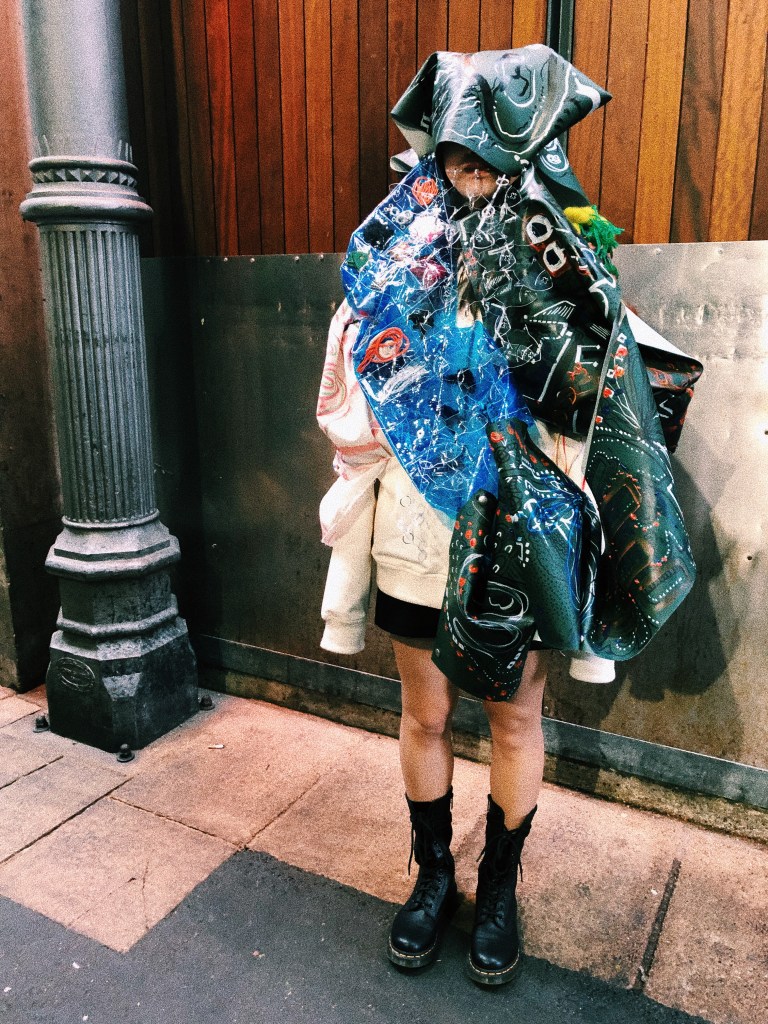
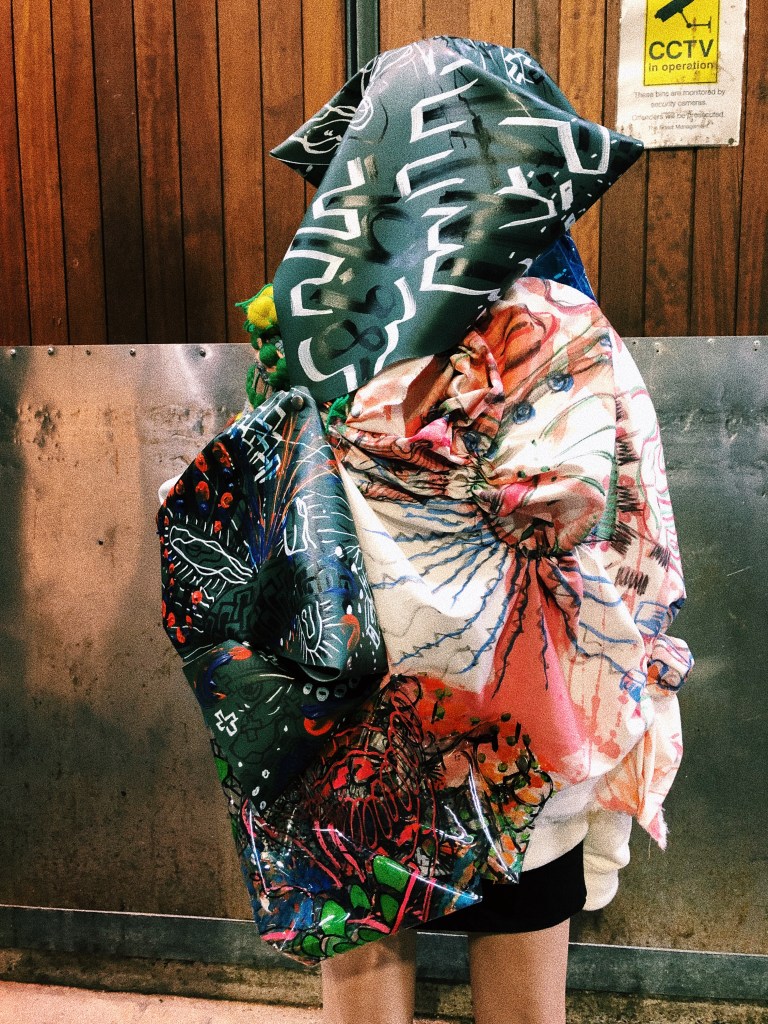
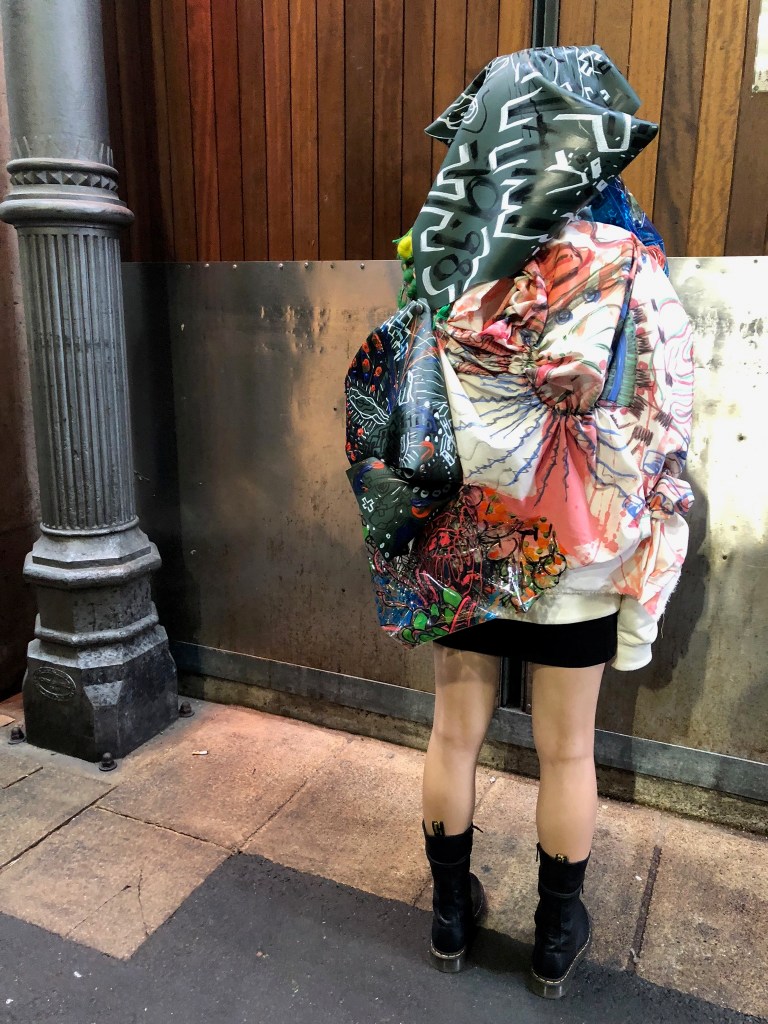
Tuan describes walking as a way of creating an interlocking mesh or net among people. I found this so interesting because he compares it to the rigidity of a public transportation system. I thought this idea of an interlocking web was very relevant to what me and Suey are doing with cultural exchange, and it may be interesting to explore this further in our final video (maybe by having the models wrap string or yarn everywhere they walk in the market-we could do this when the market is closed and overlay it with videos when the market is bustling). We are also doing a video of draping the interchangeable pieces we have made in a variety of ways (on each other as a way to explore exchange).
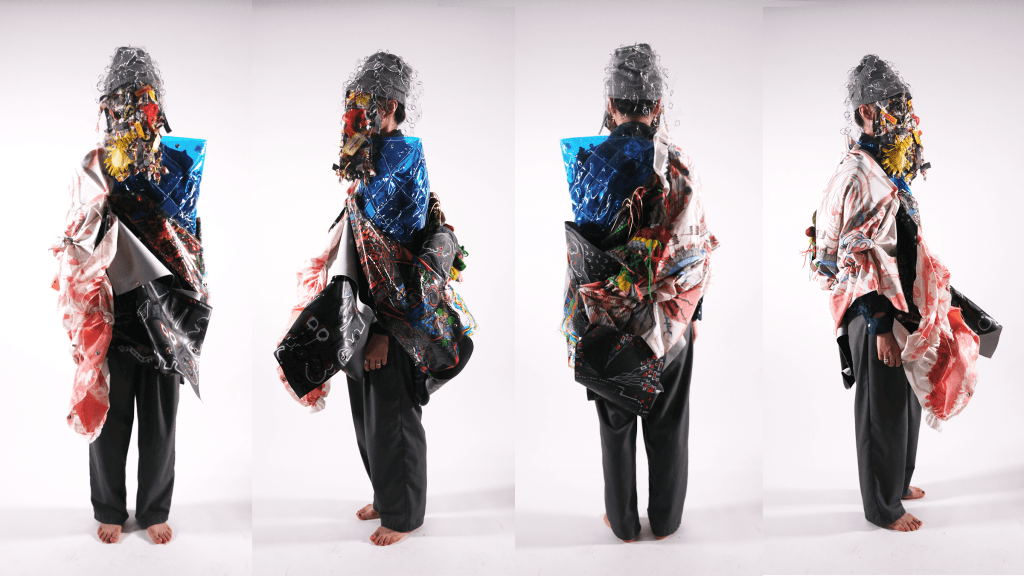
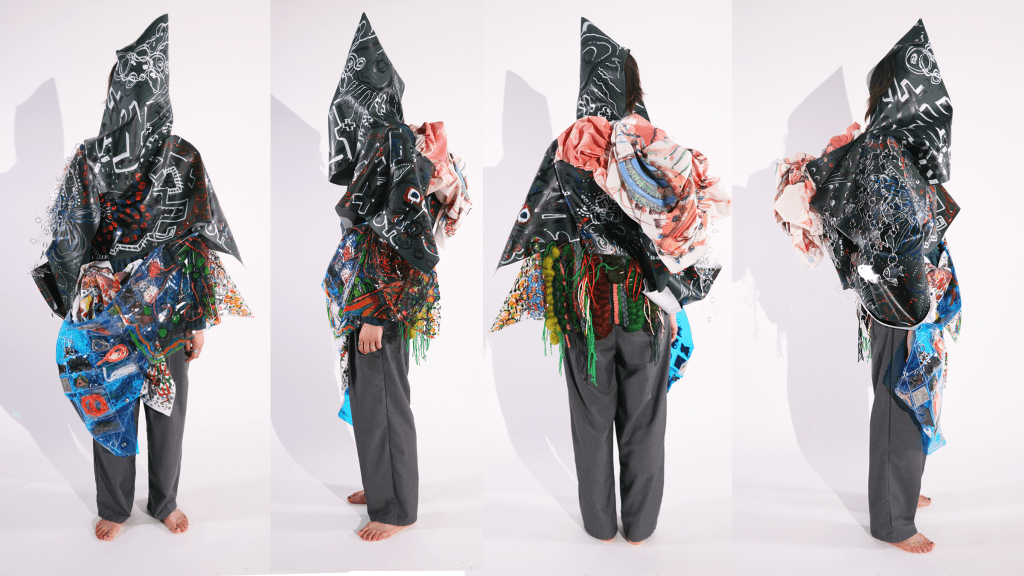
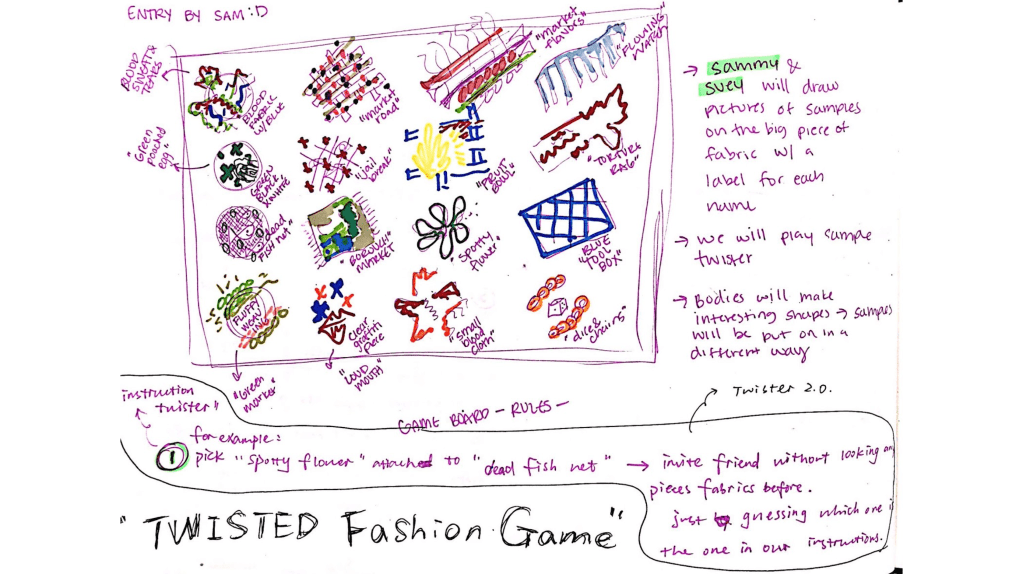
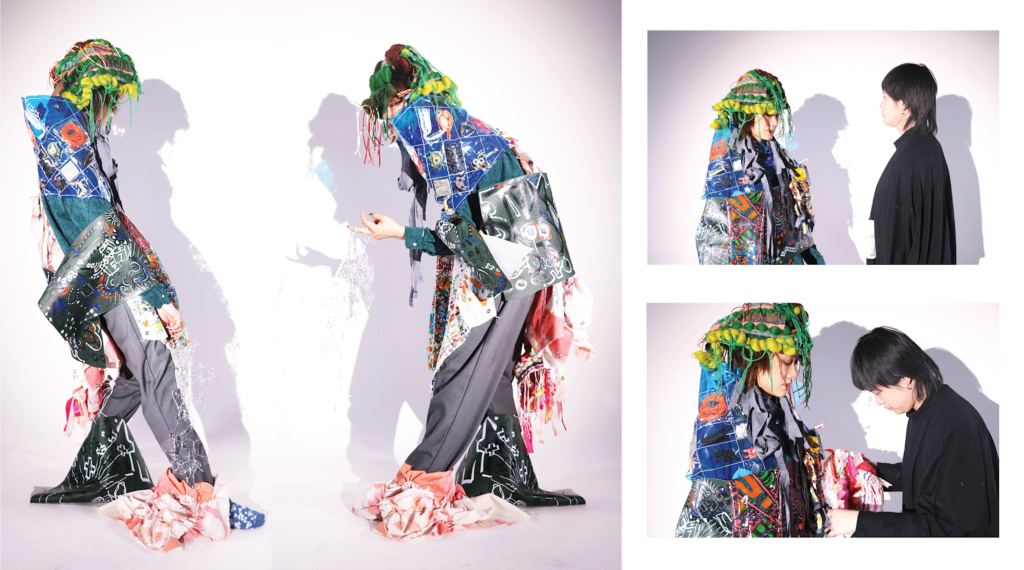

 Samantha's RCA Process