Currently I’m reading Fashioning the Body: An intimate History of the Silhouette, and here are some relevant/memorable quotes from the introduction. The last one really relates to what I’m interested in!!!!!!!!!
“Of course, “shape wear” and other”smart garments” fall well short of the distorting effect of the corset, whose tyrannical reign lasted through most of the nineteenth century, in response to the demand for a slim waist. Nowadays, cosmetic surgery with its prodigious silicone breasts and liposuctioned tummies, as well as sports clubs, fitness programs, and diets, seems to yield more effective results on the body than a corset”
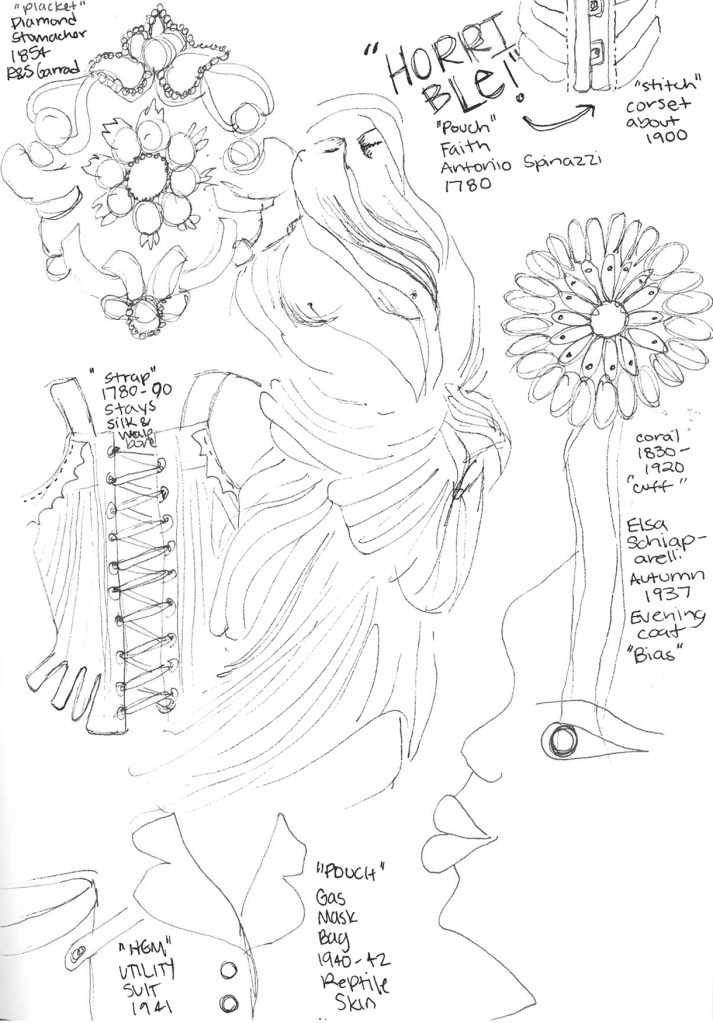
“When applied to different parts of the body, often rendering it immobile or restricting its movements, these mechanisms modeled the body, making it possible for anyone to attain the ideal of beauty of a given historical period”
“Indeed, the earliest structures of body dissimulation date from the fourteenth century, and the practice continues up to our time.”
“it was important for us to approach the history of fashion from a different angle, far from the conventional narrative of the evolution of forms, of folds in the backs of dresses, of skirts whose breath increases over time then begins to recede, and nt a history of fashion as it relates to the body”
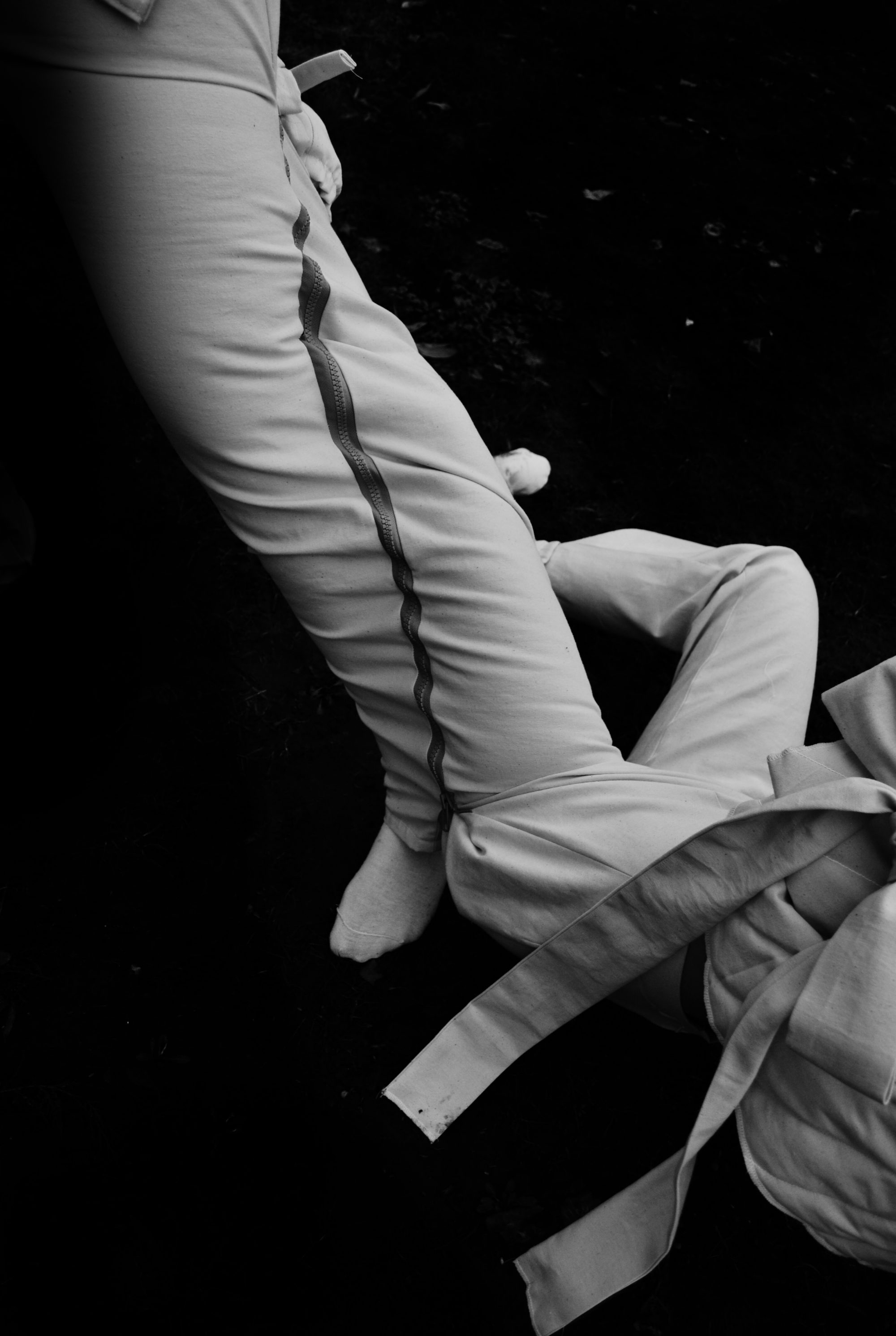
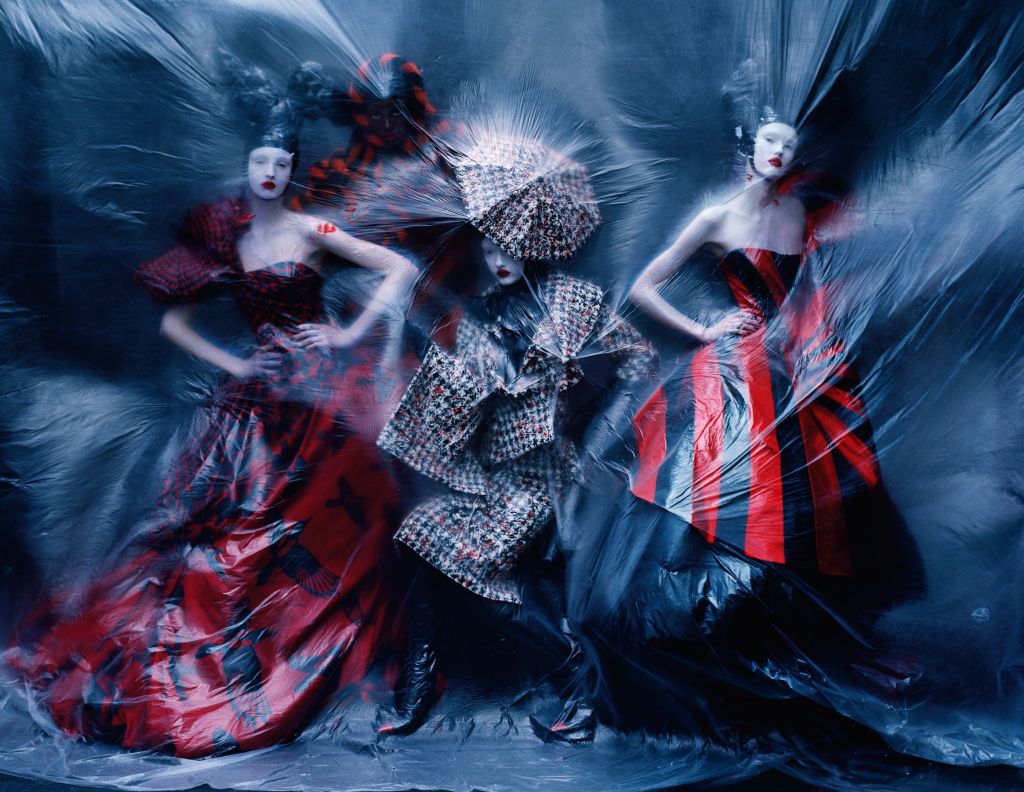
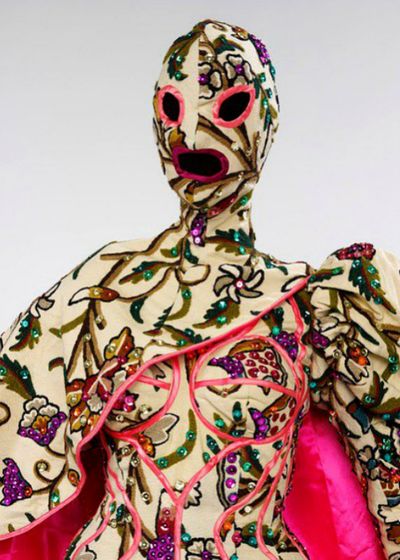
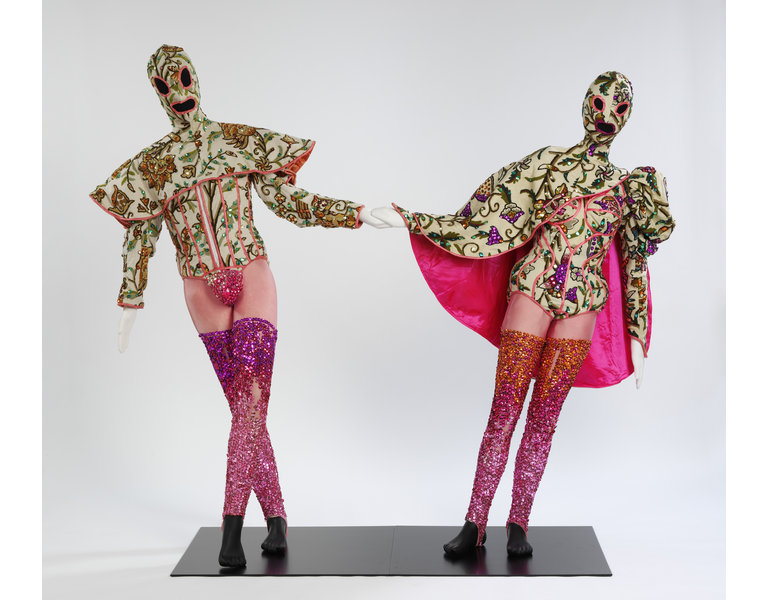
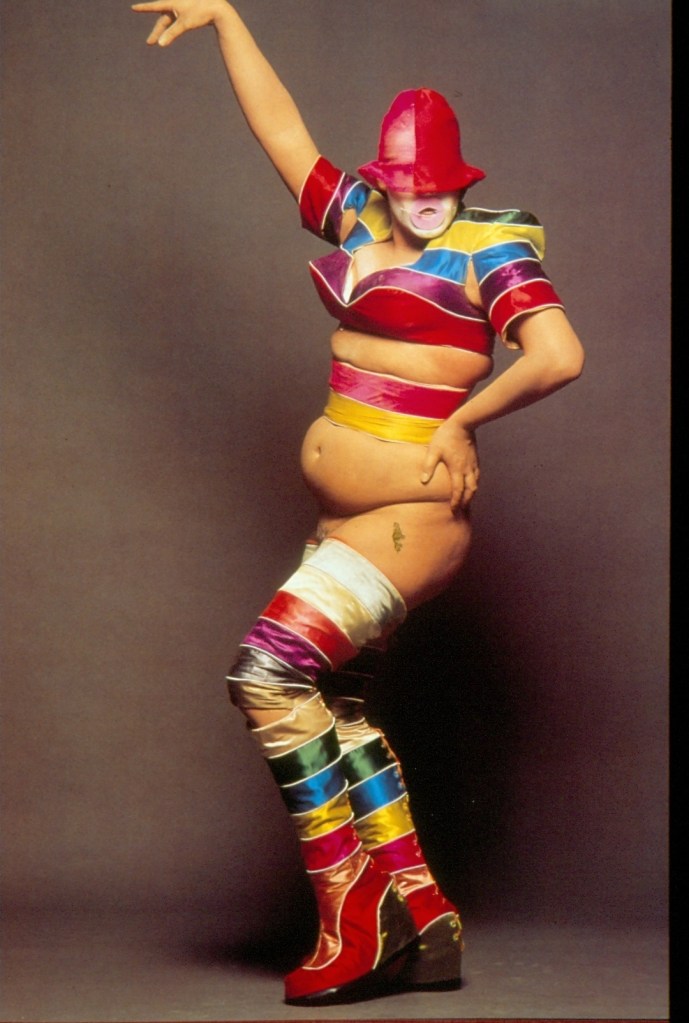
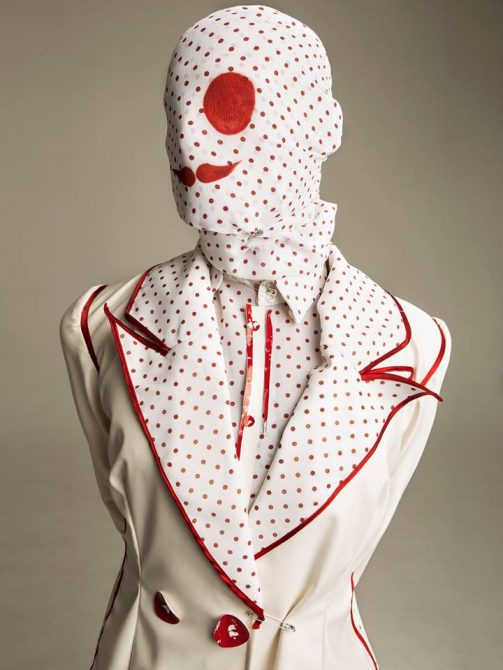
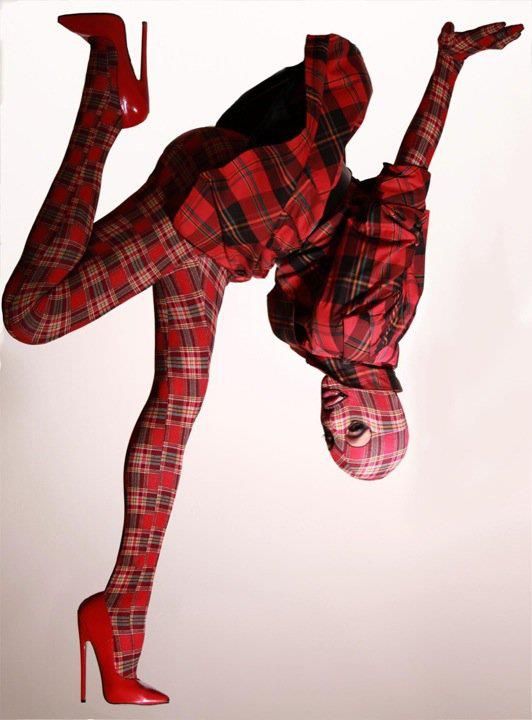
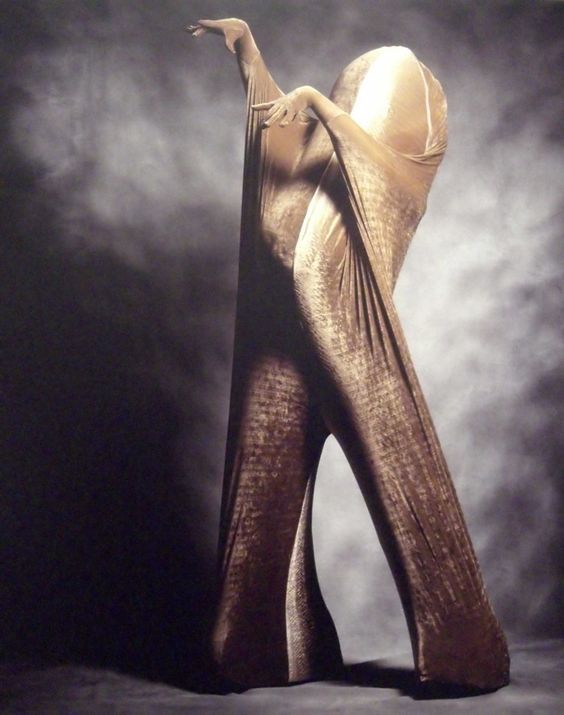
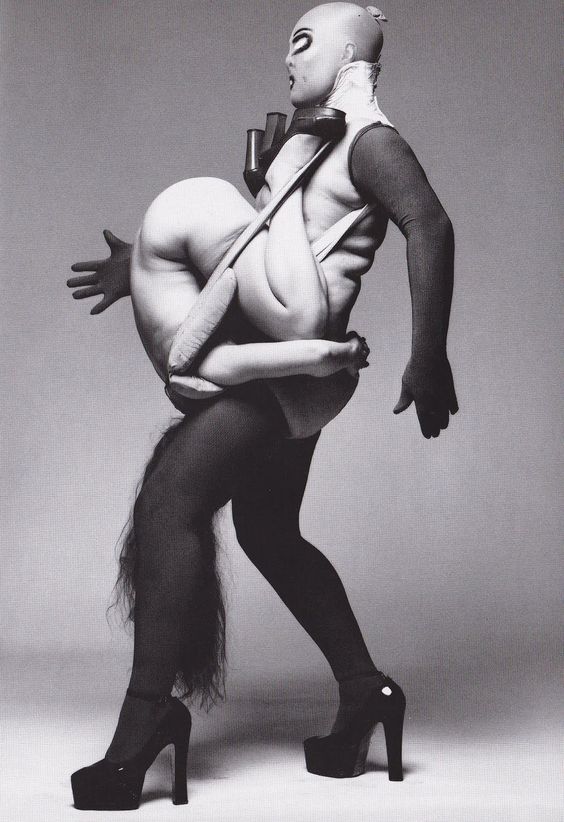
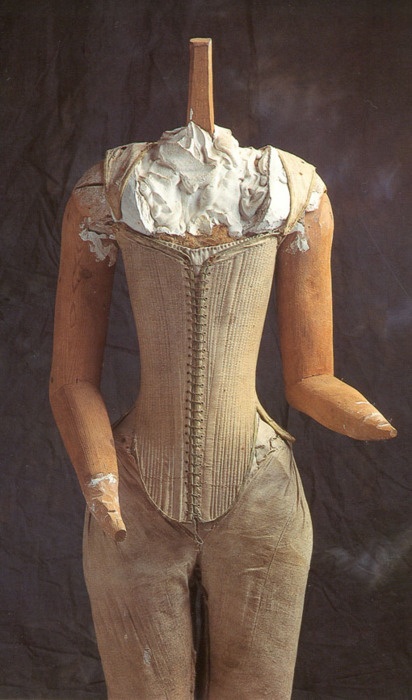
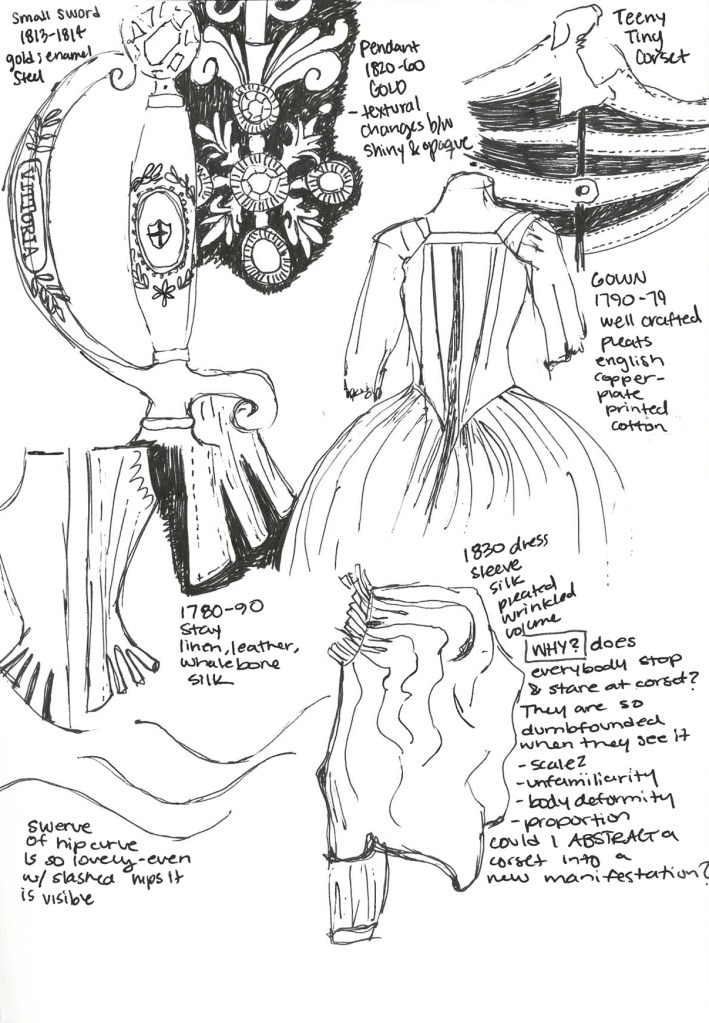
“These hidden fashion garments are an integral part of the clothing and the figure they help to shape. Moreover, when these articles are removed from the person wearing them, they look, like carcasses, like bodies foreign to the body they dressed. Without a body, the agarment has no reason to exist; it is merely a lifeless mass of fabric, a soulless hide. In short, fashion makes the body; the garment is a tool of bodily modification. The conclusion is unavoidable; there is no natural body, but only a cultural body. The body is a reflection of the society that presided over its creation”
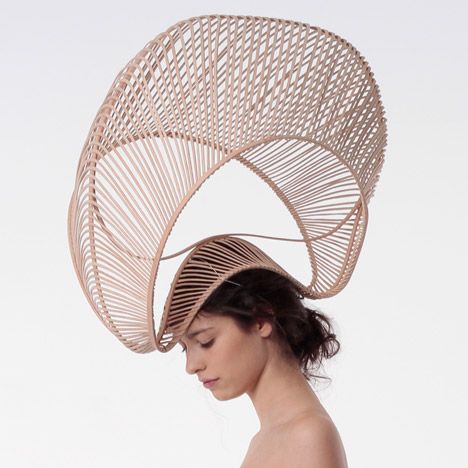
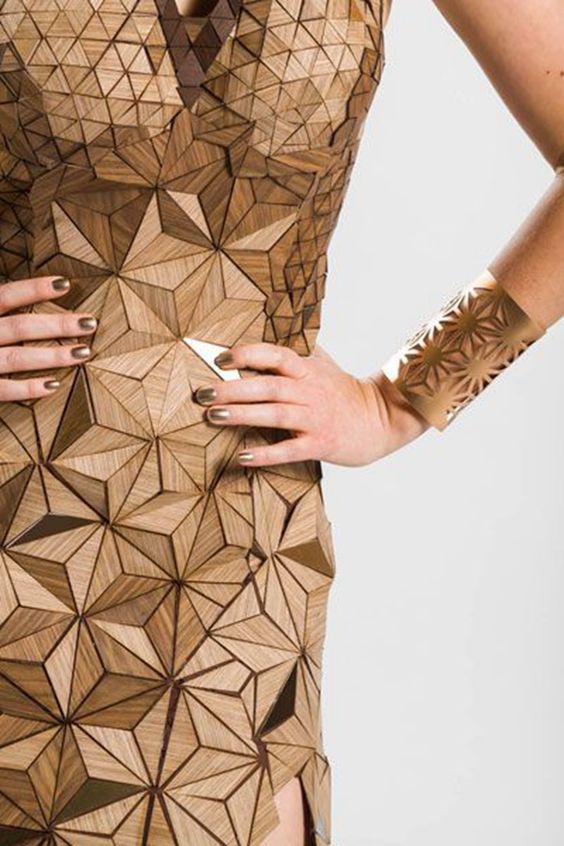
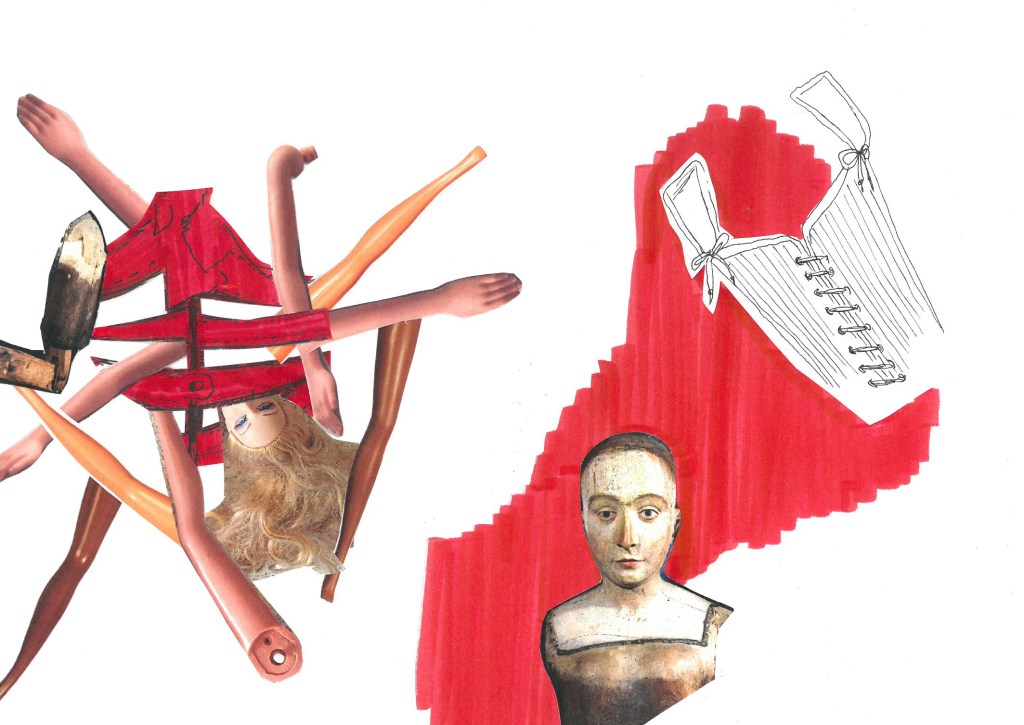
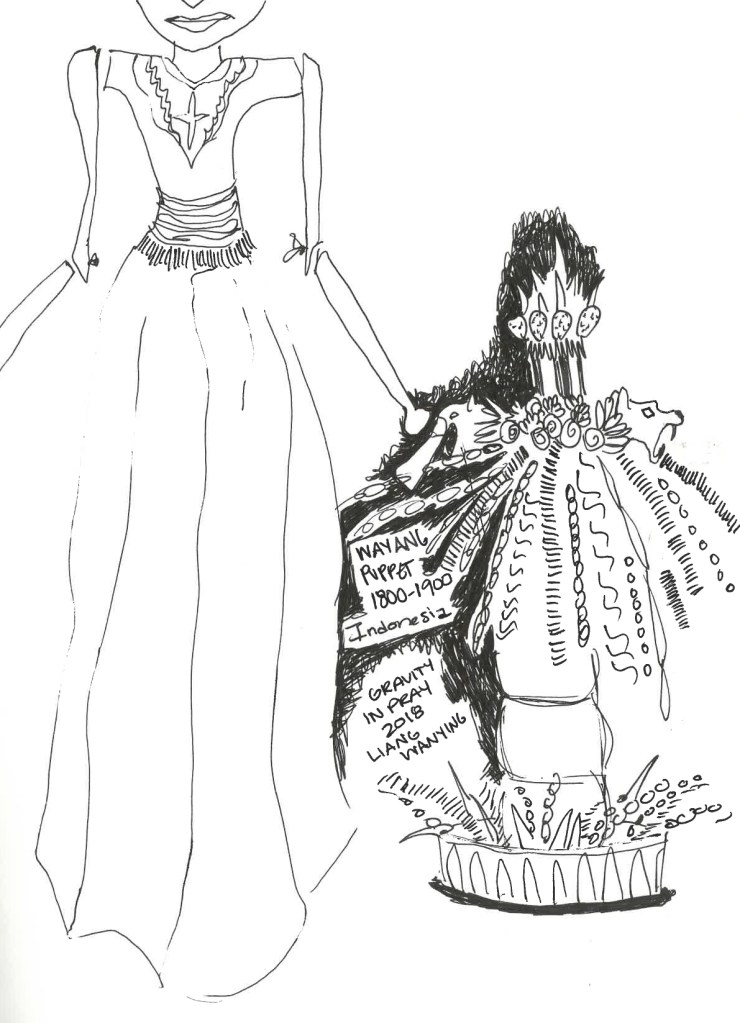
- I’m really interested in the idea of fashion “making” a body
CITATIONS:
Denis Bruna (ed.), Fashioning the Body: An Intimate History of the Silhouette (New York: Yale University Press, New Haven and London, 2015).









 Samantha's RCA Process