“I think of my work as ephemeral architecture, dedicated to the beauty of the female body”
Christian Dior, 1957
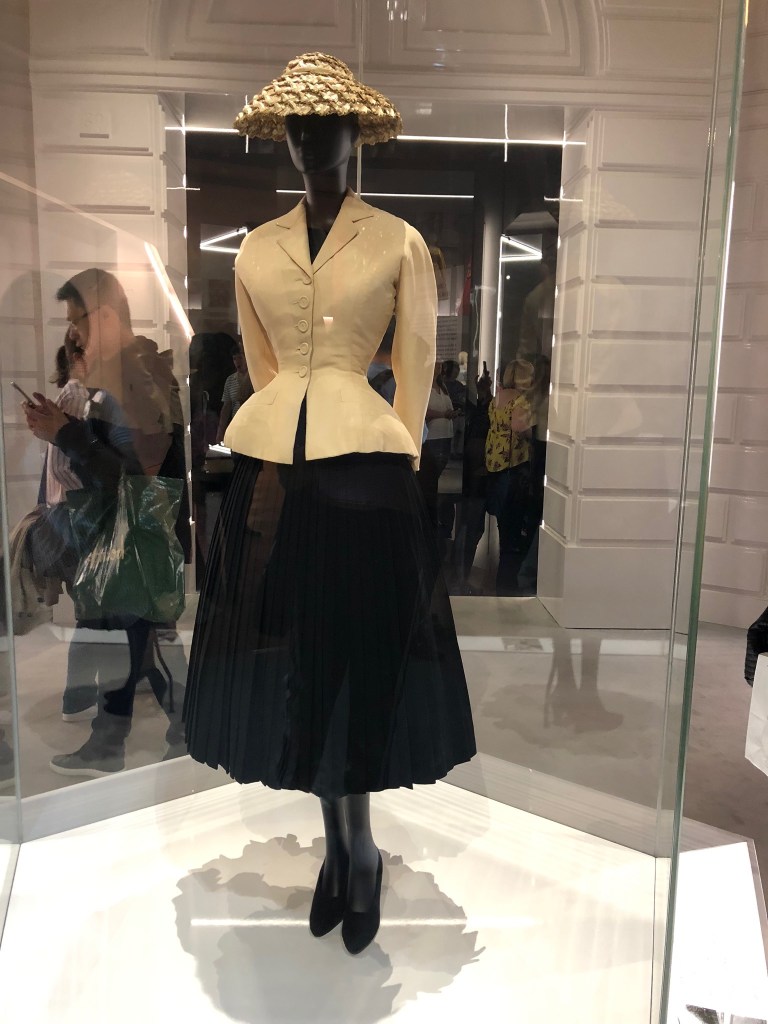
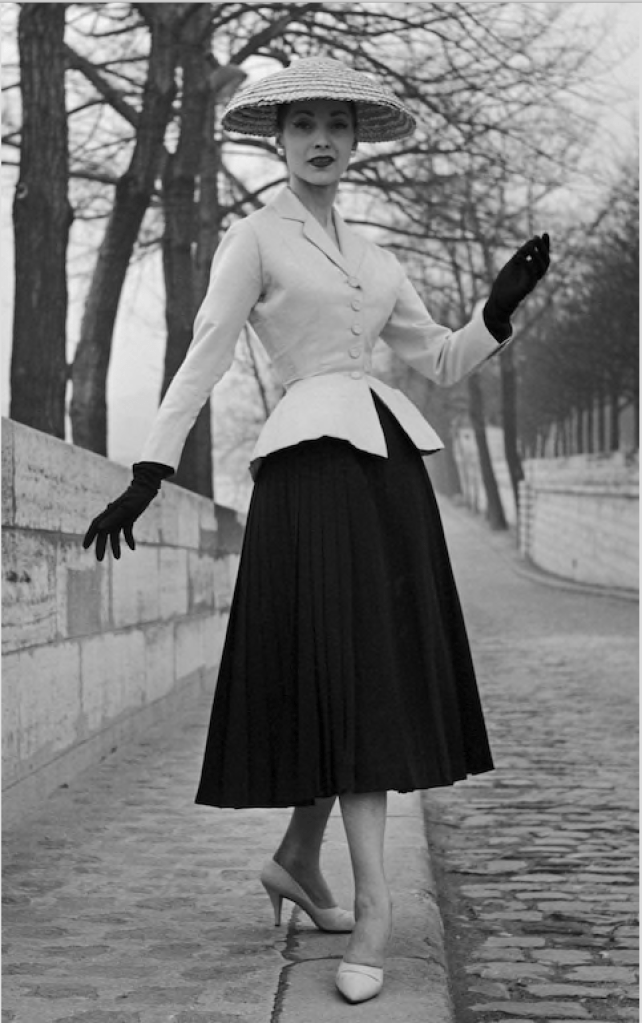
1947 Bar Jacket and Skirt 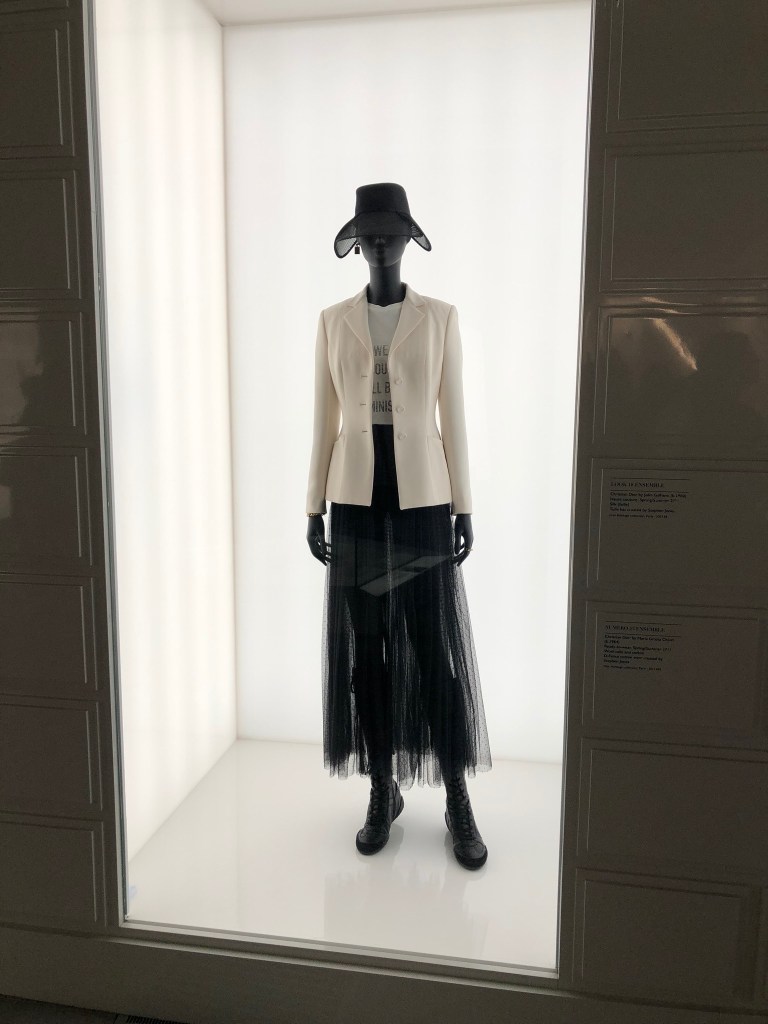
We should all be Feminists T-Shirt (RTW S/S 2017) 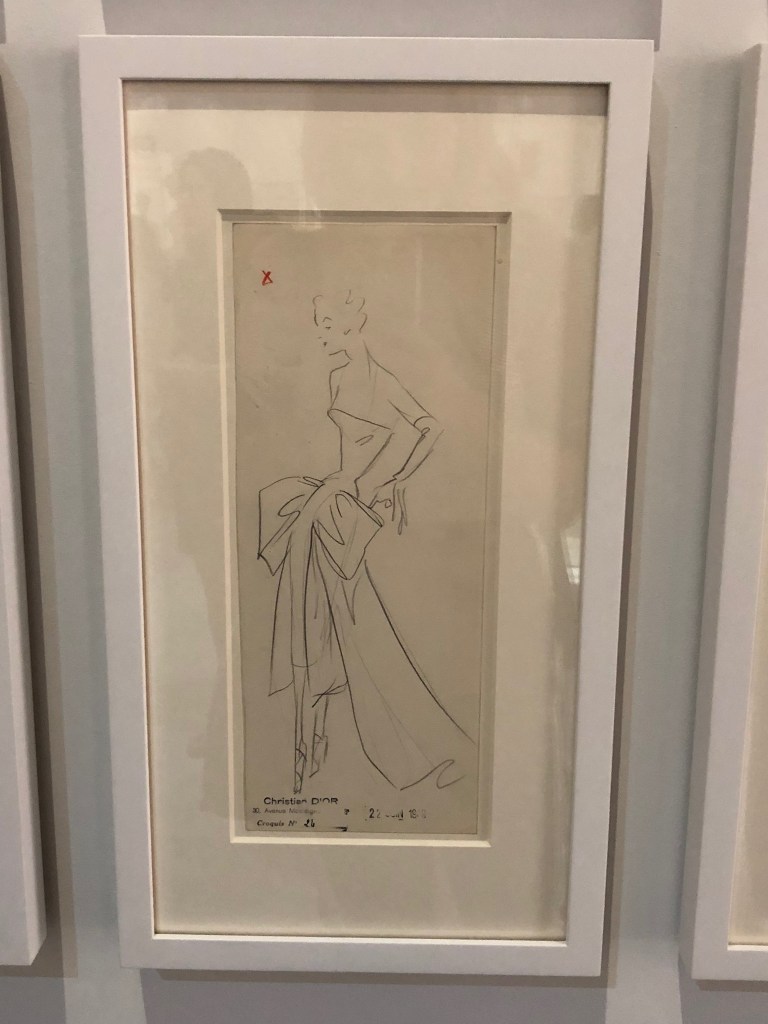
Original Dior Sketches 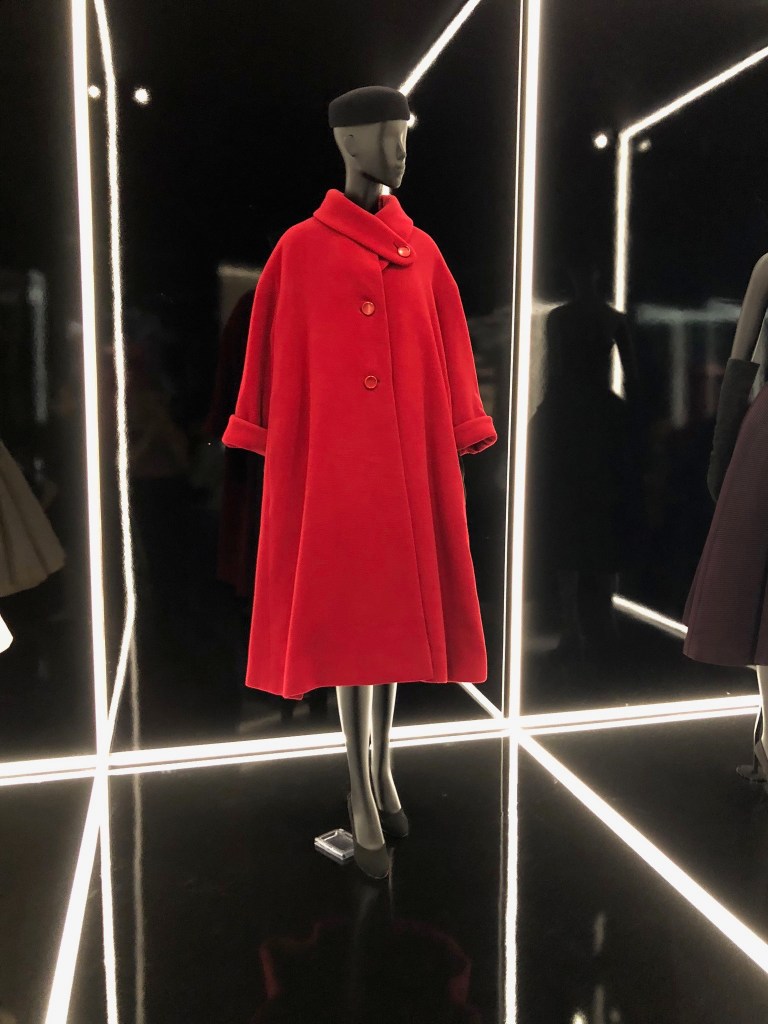
Haute Couture 1947 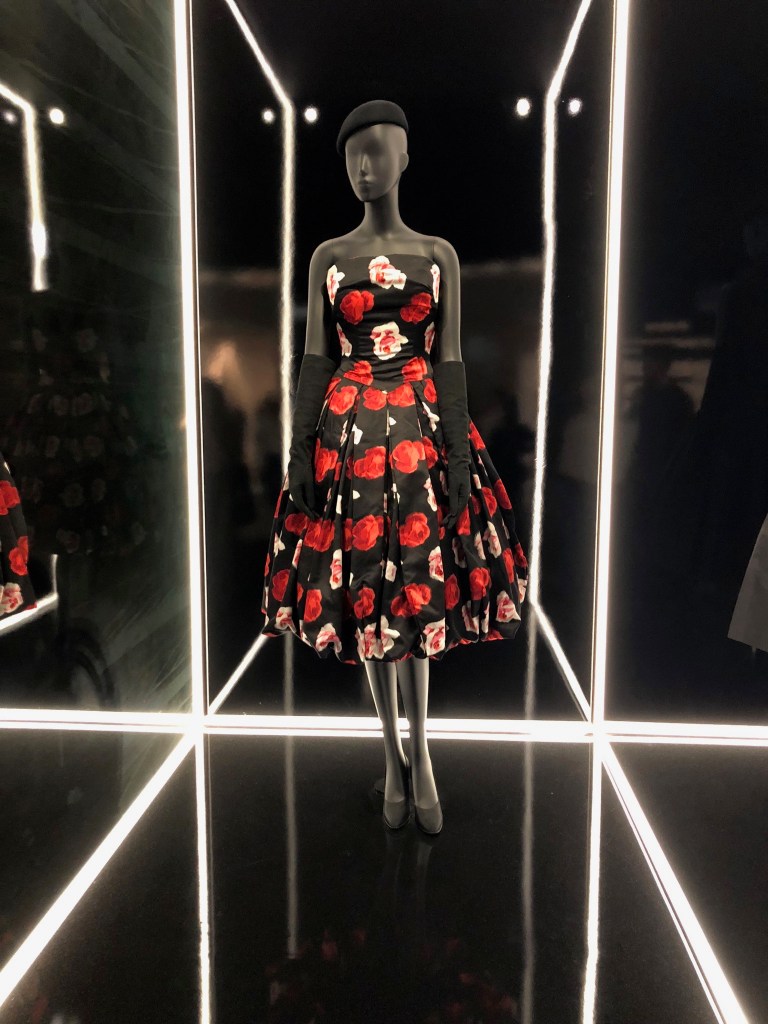
Dior Original
Walking into the Dior exhibition at the V&A was like walking into a dream. The first piece visible was the iconic bar jacket worn by Marie-Thèrése in 1947 (see picture below). I admire how Christian Dior really respected women; he wanted women to feel beautiful and confident in his designs.
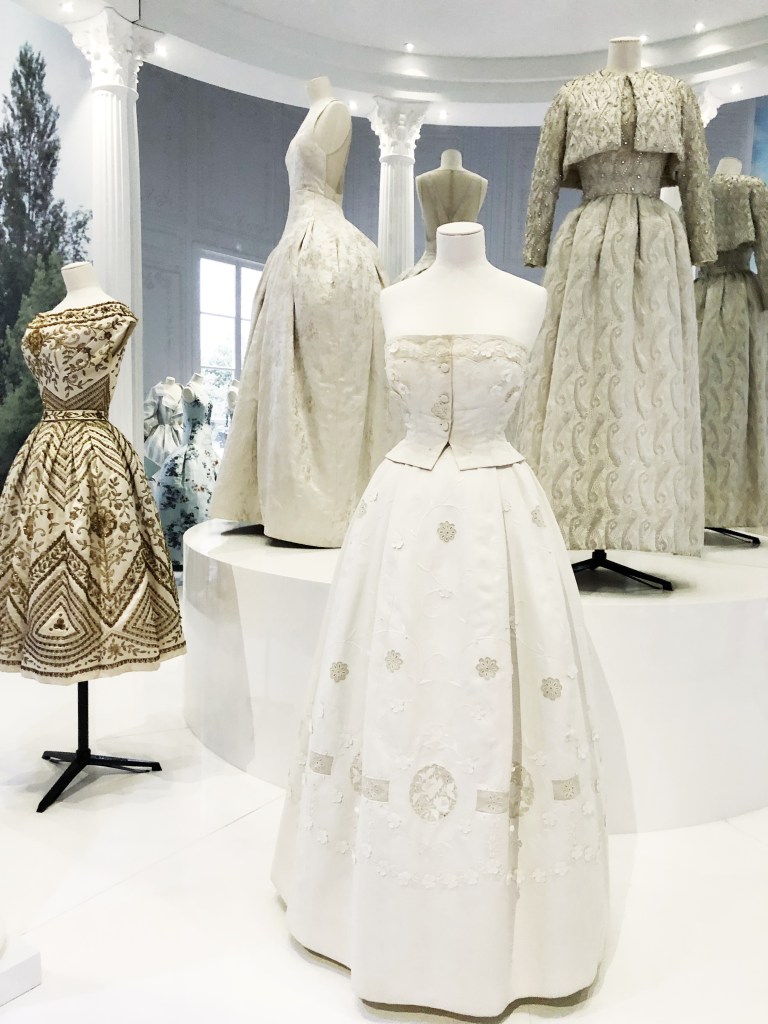
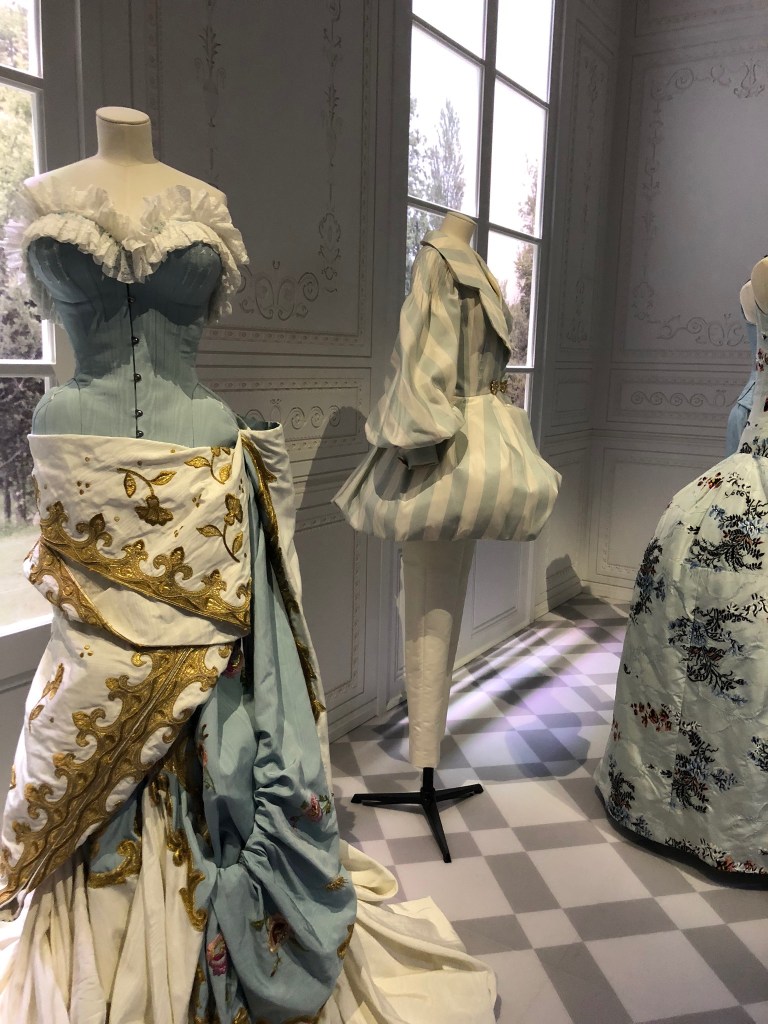
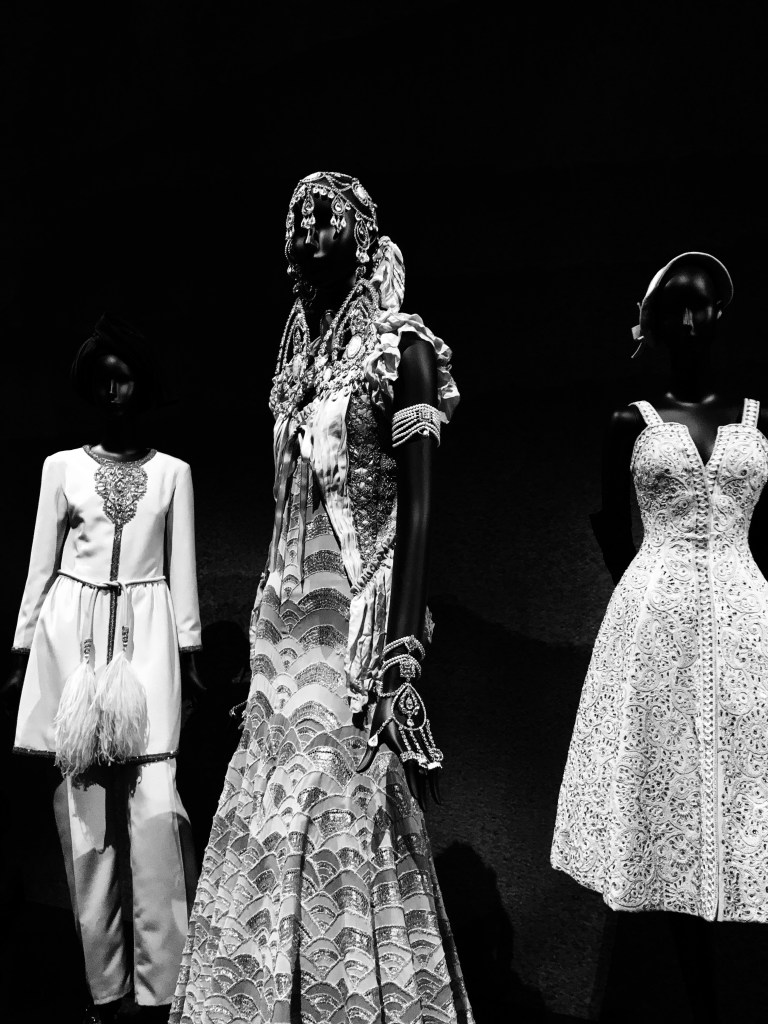
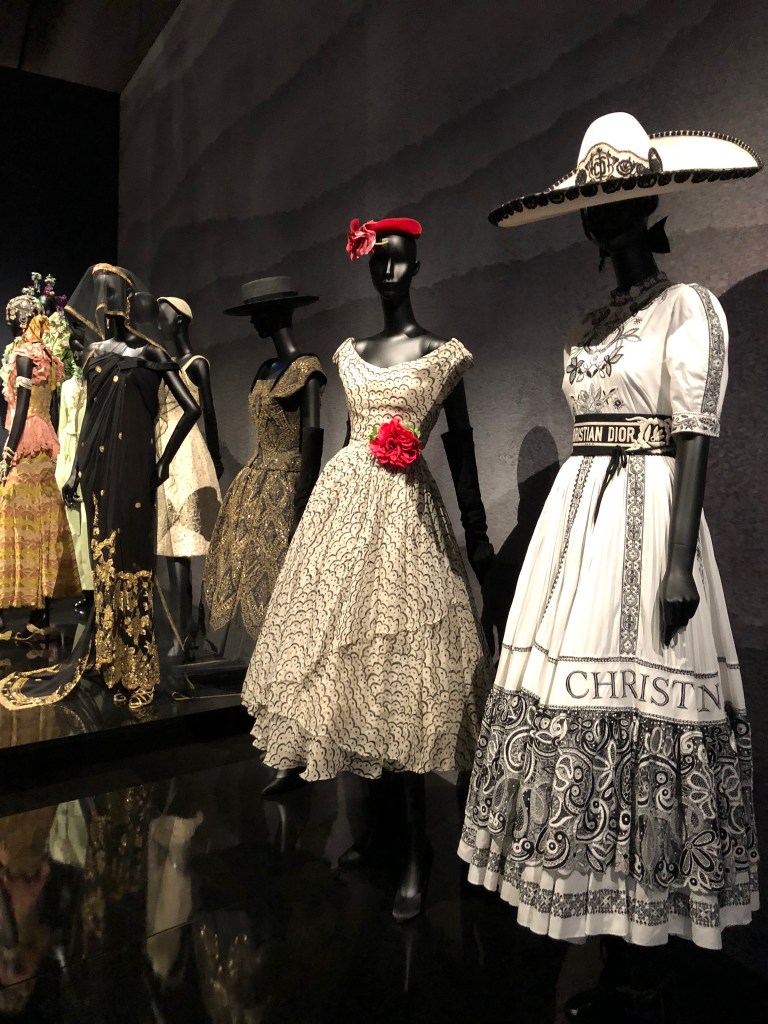
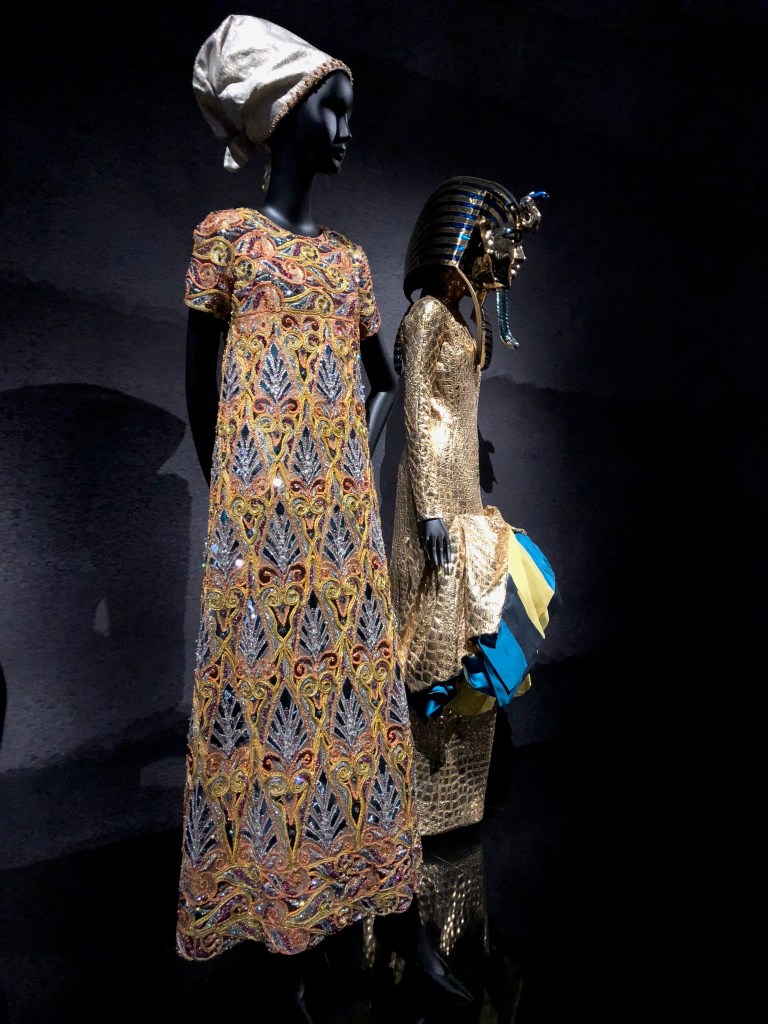
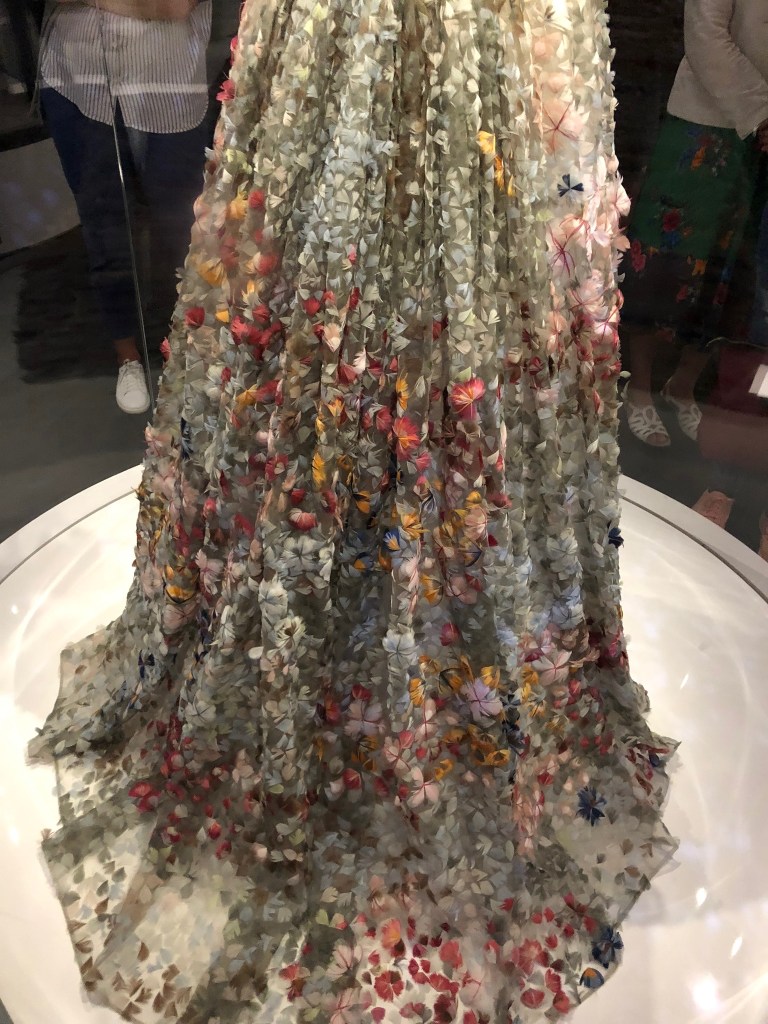
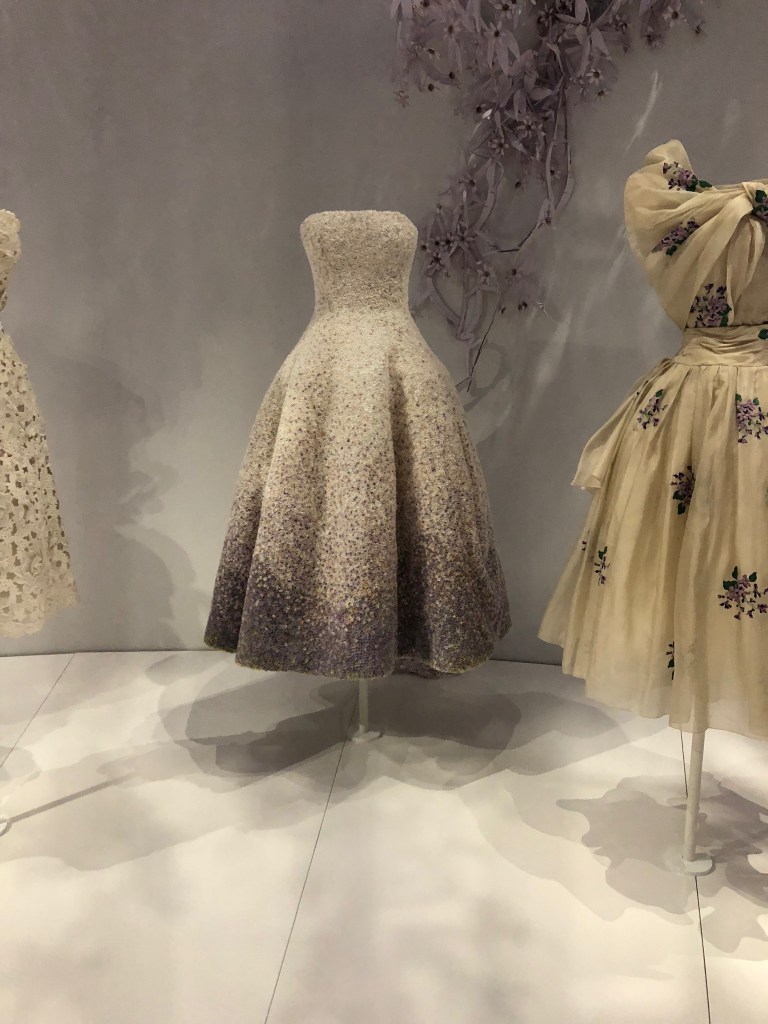
The following three rooms of the exhibition were thematic: a room of historically inspired garments, a room of culturally inspired garments, and a room of garments inspired by flowers. I appreciated how these themes reflected back on Christian Dior himself, even though the rooms included pieces designed by the creative directors who took over after Dior’s passing in 1957. Dior himself was so inspired by history, nature, and culture, and these themes are so pertinent to the brand identity.
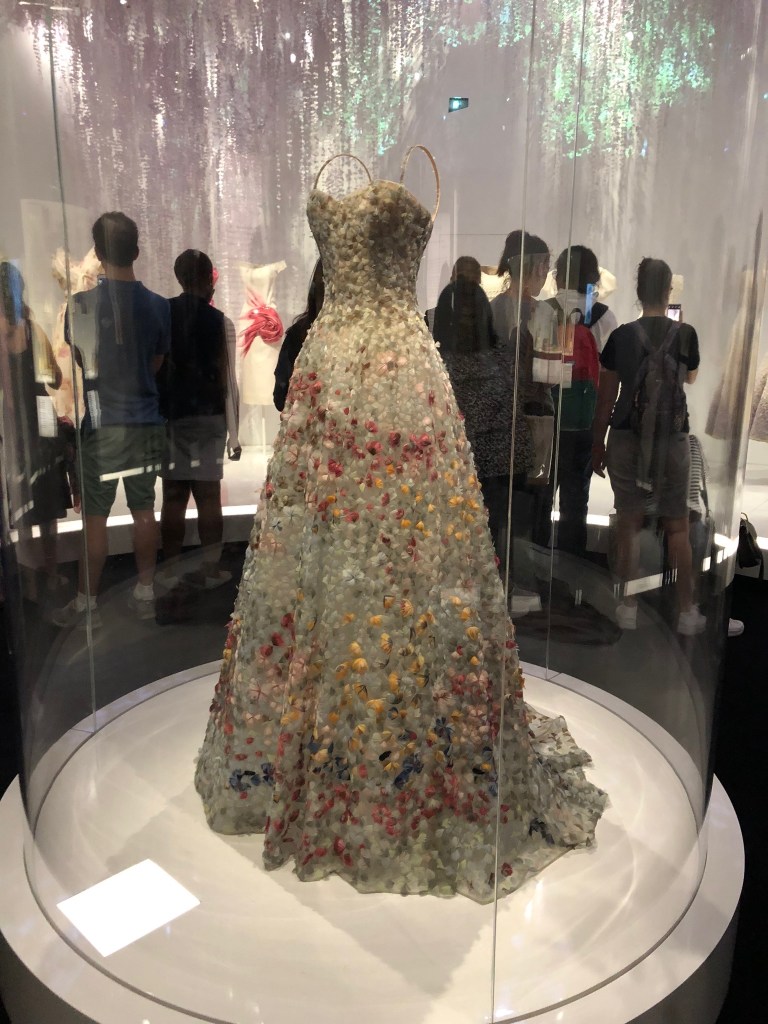

“After Women, flowers are the most divine of creations”
Christian Dior, 1954
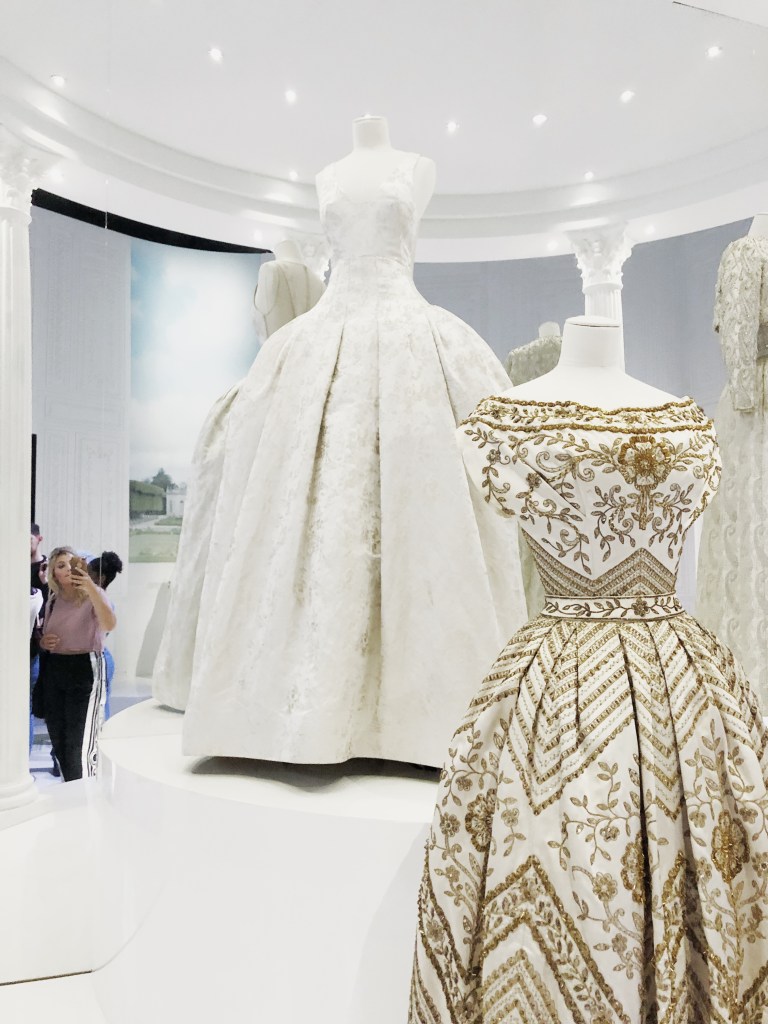
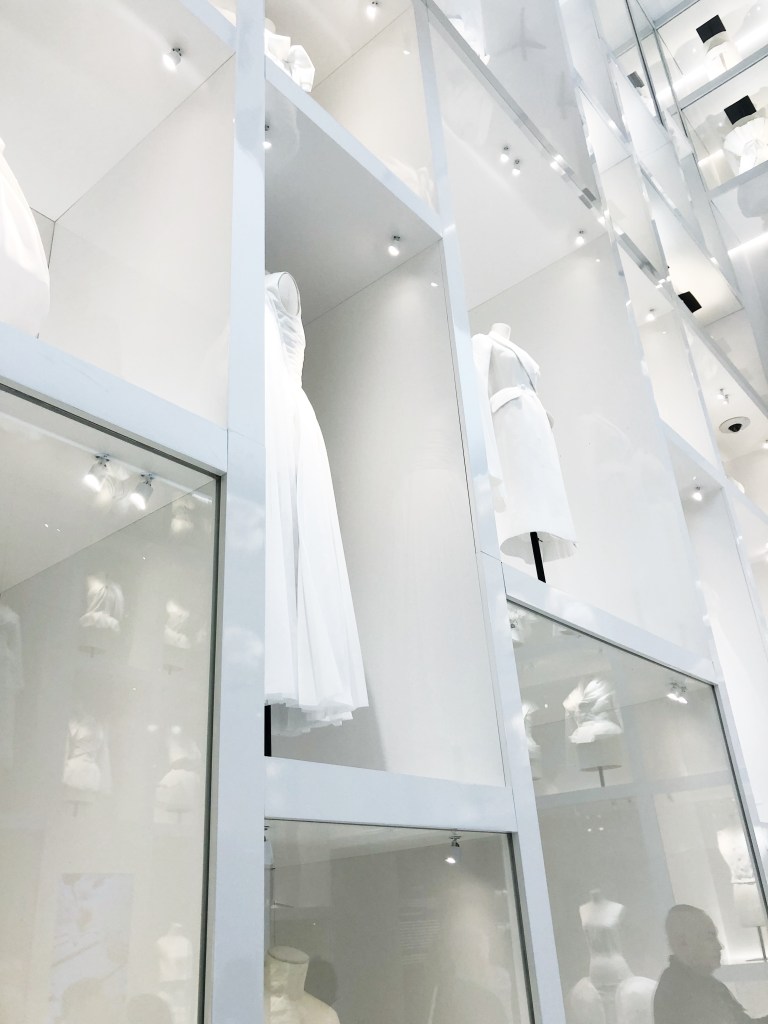
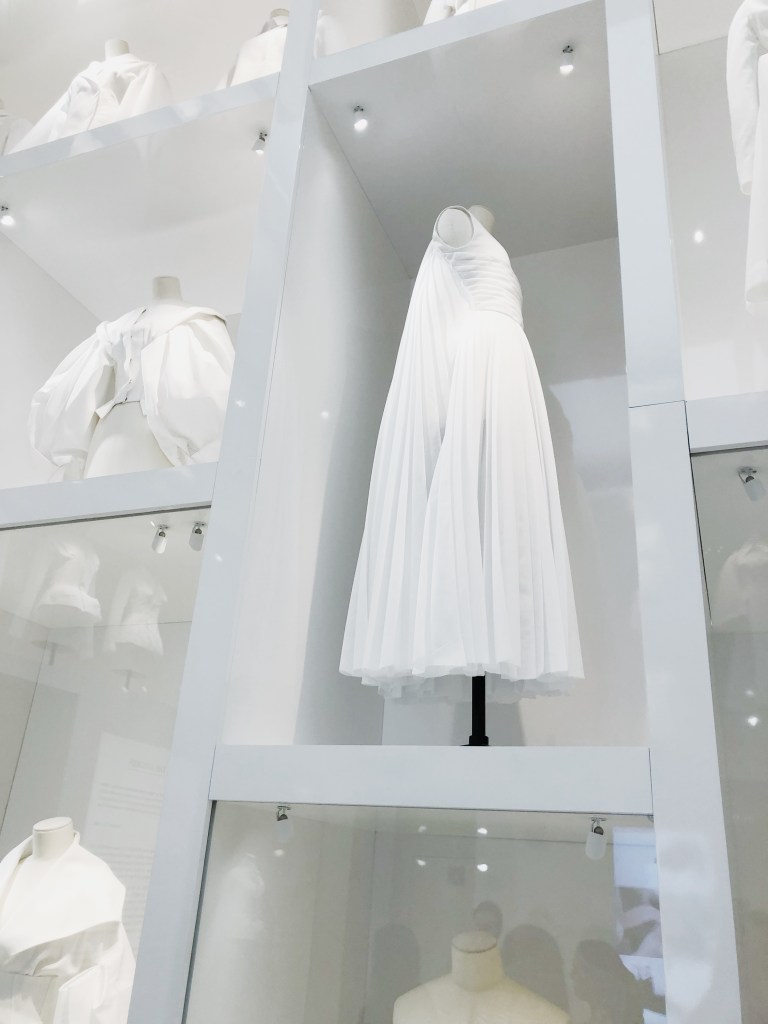
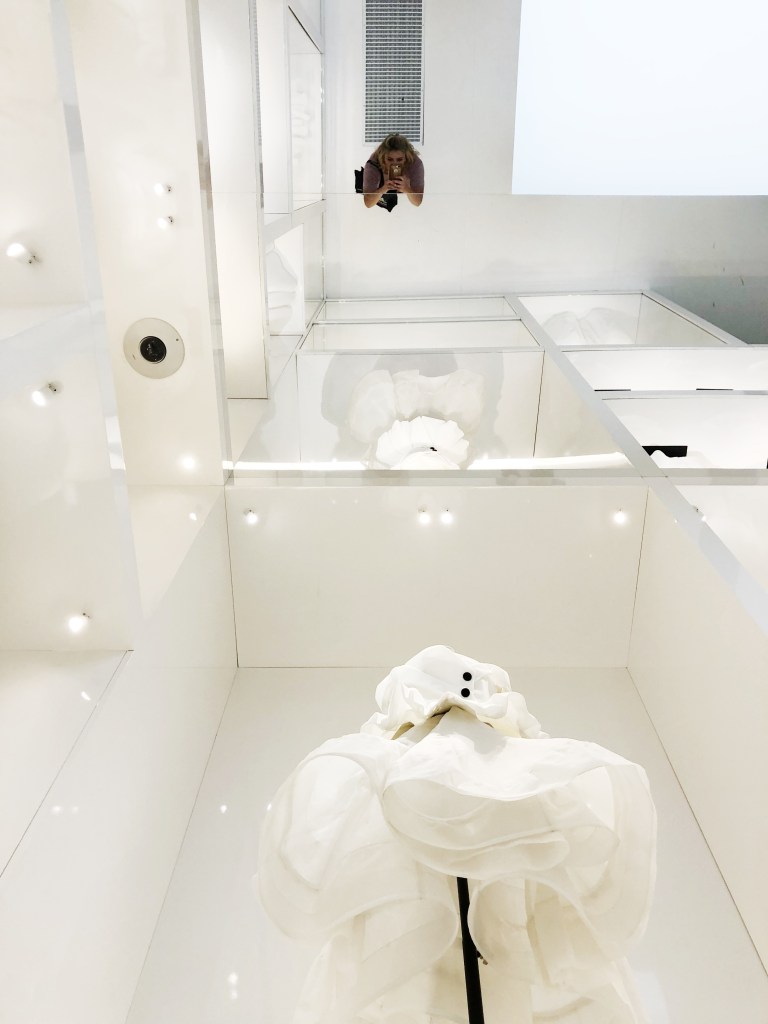
After the flower room came my favorite room, which was full of toiles. I loved how this was curated as an all white/reflective room. I also enjoyed how close the viewers could stand to the garments; I was able to see every single stitch.
This room was the most interesting for me because it shows the process by which a garment is made, and this process is definitely not quick or easy. Educating the public on what it means to be a maker or a creator is something that is so important to me. I have such an appreciation for hand craftsmanship, and I this room shared essential process work.
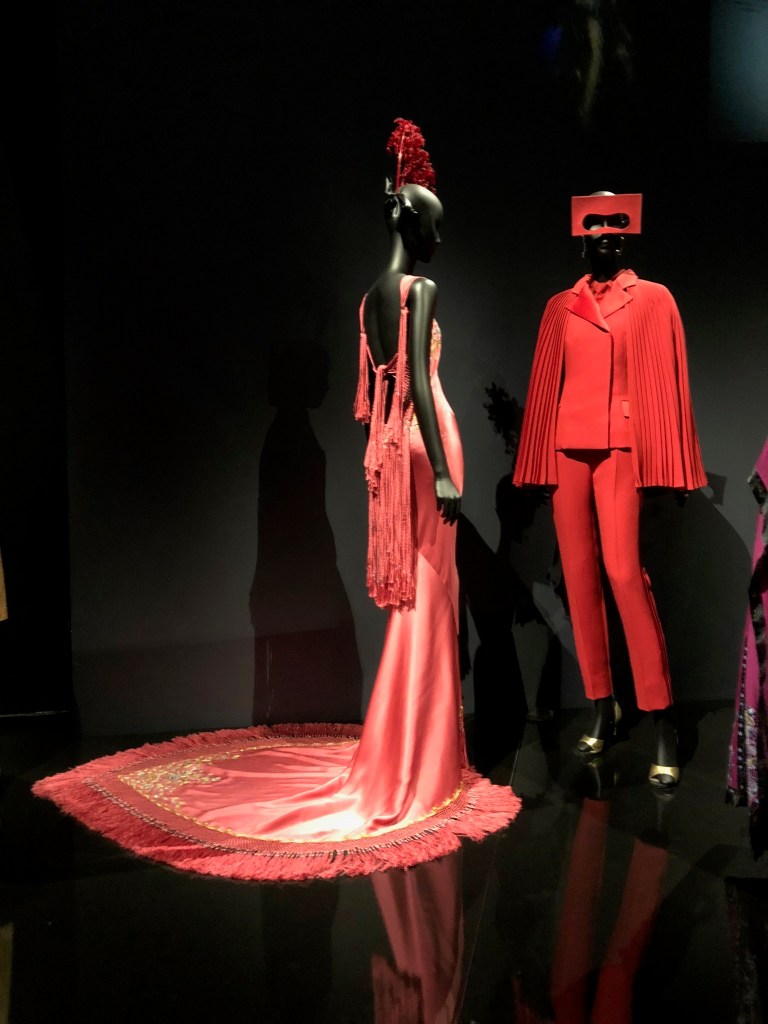
I also valued the addition of a room that paid homage to all of Dior’s creative directors. I didn’t realize that there were so many, and I enjoyed seeing how each creative director took a different approach and infused the brand with a slightly different aesthetic.
The 6 key Creative Directors:
- Christian Dior: 1946-1957
- Yves Saint Laurent: 1957-1960
- Marc Bohan: 1960-1989
- Gianfranco Ferré: 1989-1997
- John Galliano: 1997-2011
- Raf Simmons: 2012-2015
- Maria Grazia Chiuri: 2017-present
After the exhibit, I kept thinking about Maria Grazia Chiuri’s, “We should all be Feminists” T-Shirt design. I felt that this really related to what my Manifesto Group is studying with advertising and media campaigns. This is a type of campaign for an ideology, which I found to be very modern and creative.
The exhibition was well curated, and the selection of pieces was fabulous. I went to the exhibition with Elodie Carrel, and her shared passion for both fashion and creativity made the exhibition even better. We were able to discuss the exhibit afterwords, and she had some interesting ideas about how the exhibition could have integrated more technology to make the information even more accessible.
 Samantha's RCA Process