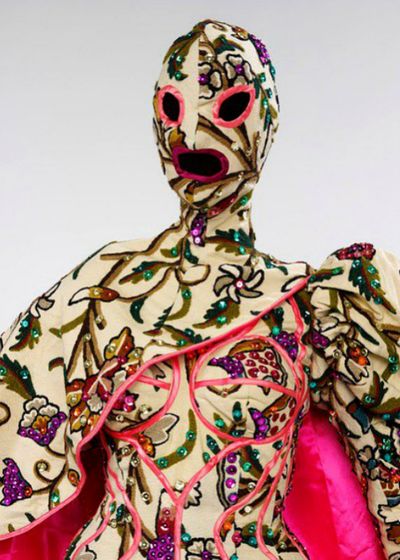
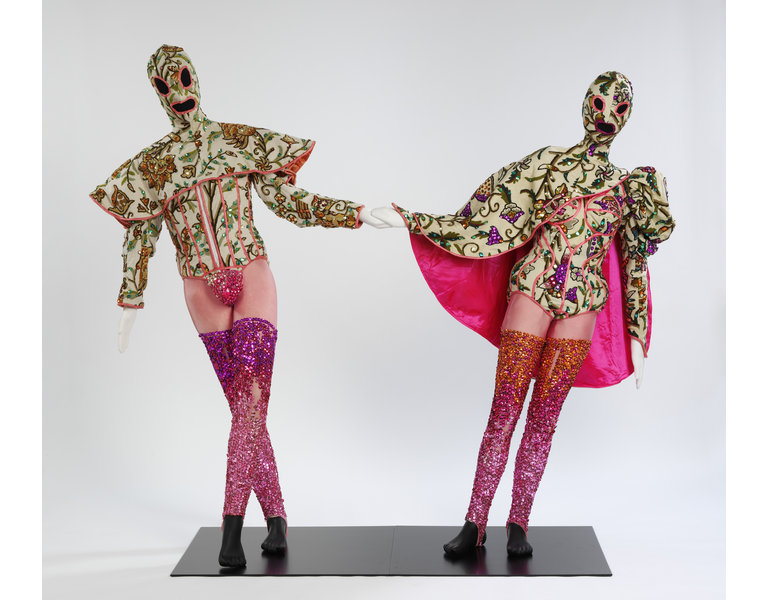
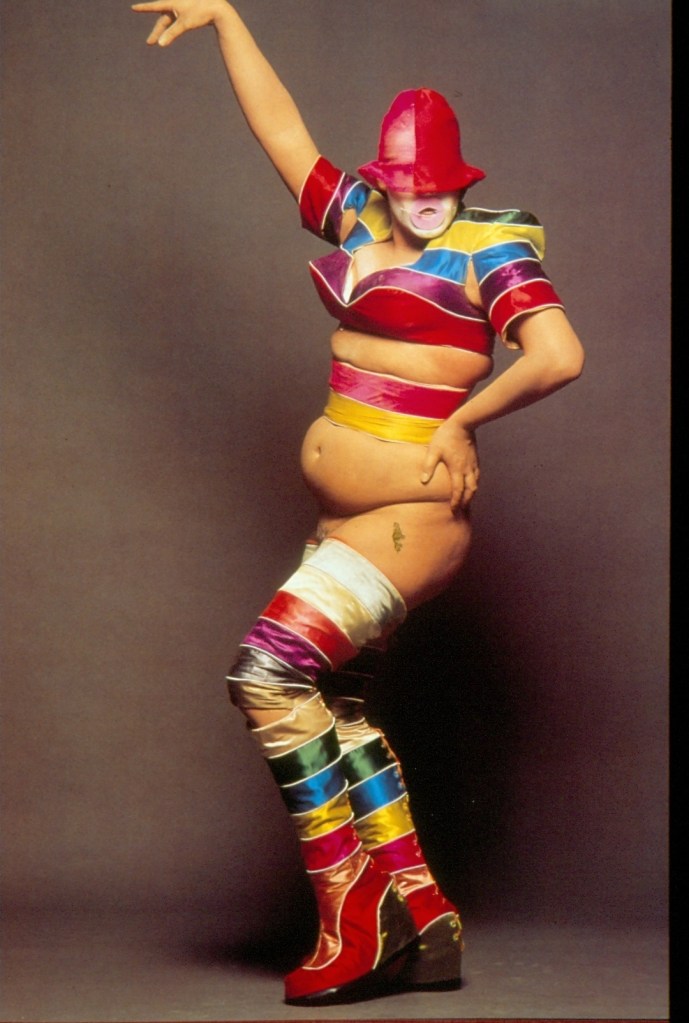
Ian pointed me towards the work of Leigh Bowery I like how he takes the body and manipulates it in ways that are almost contradictory to what one might expect.
Bowery really engages the body in his pieces. I like his work and will keep it in mind.
Follow me in my Creative Journey
Ian pointed me towards the work of Leigh Bowery I like how he takes the body and manipulates it in ways that are almost contradictory to what one might expect.
Bowery really engages the body in his pieces. I like his work and will keep it in mind.

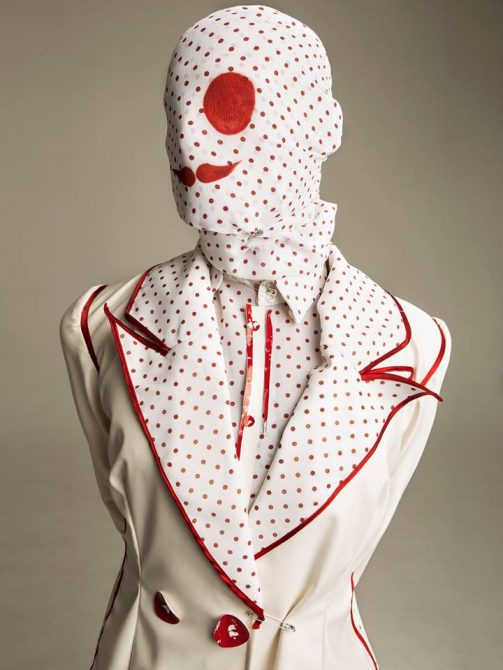
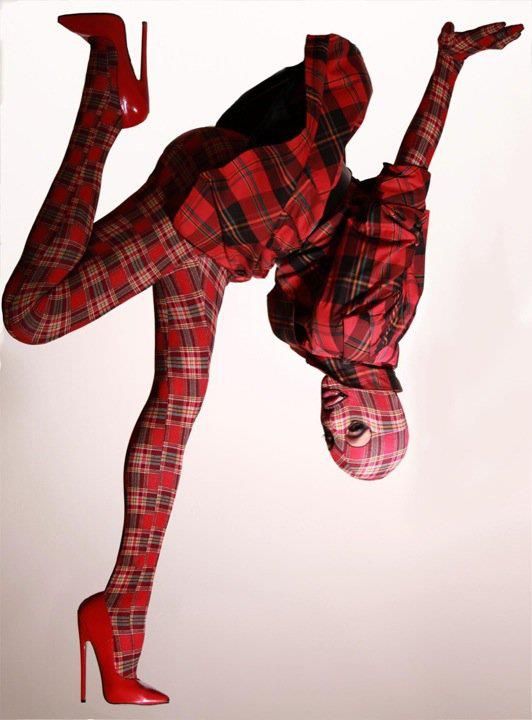
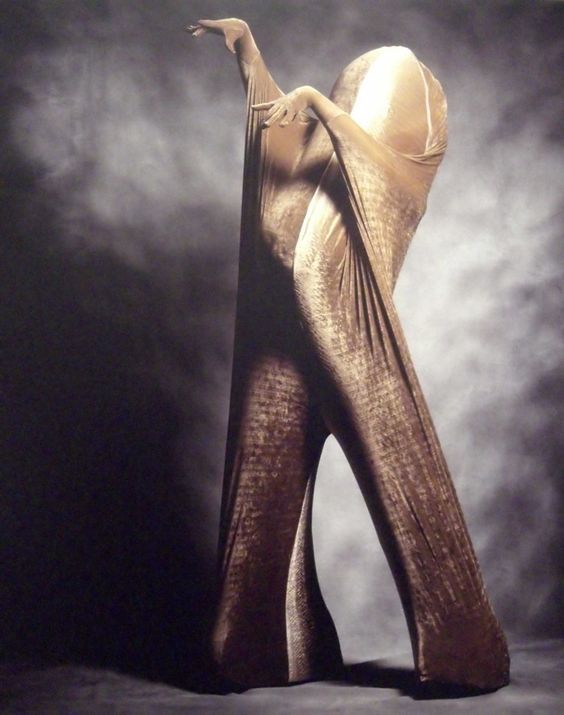
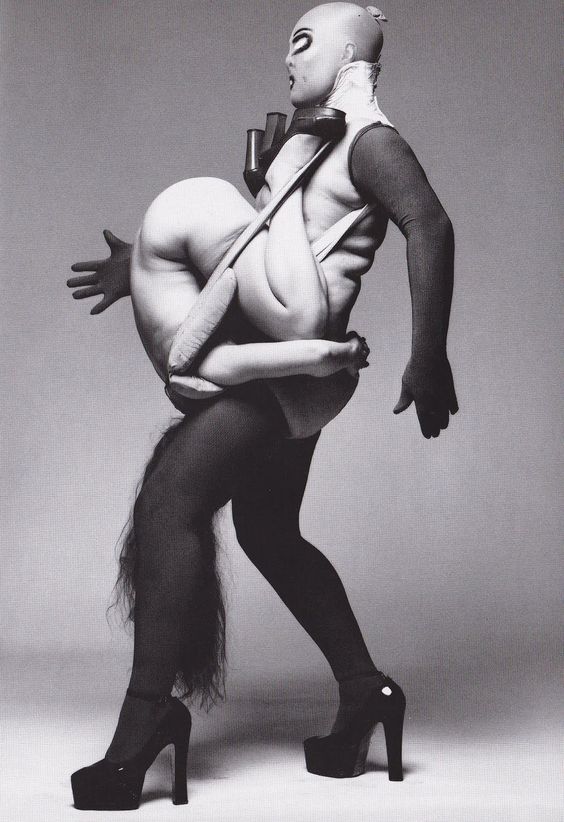
Anna and Annie’s tutorial on materials was inspiring. I am especially interested in Living hinges. I would love for this whole project to be more focused on sustainability, as this is something I am interested in.
Some important emerging themes in my research of my artifacts are the elements of permanence, time, and mortality. I was thinking it may be interesting to contrast the more sturdy wood with paper, or something equally as delicate?
However, I am struggling with how to illustrate the idea that fashion forms the body.
I think this will be a more relevant question when I have more materials to work with. This week I am going to dedicate to testing the living hinges and hopefully I’ll have enough to work with. Then Maybe I’ll experiment with paper as well.
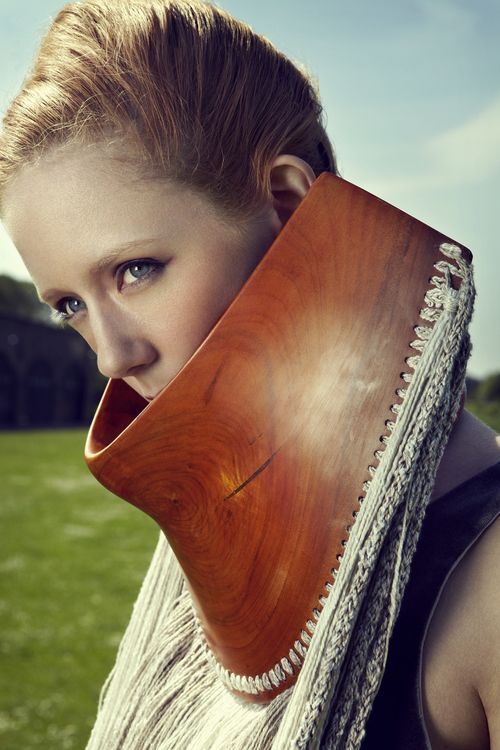
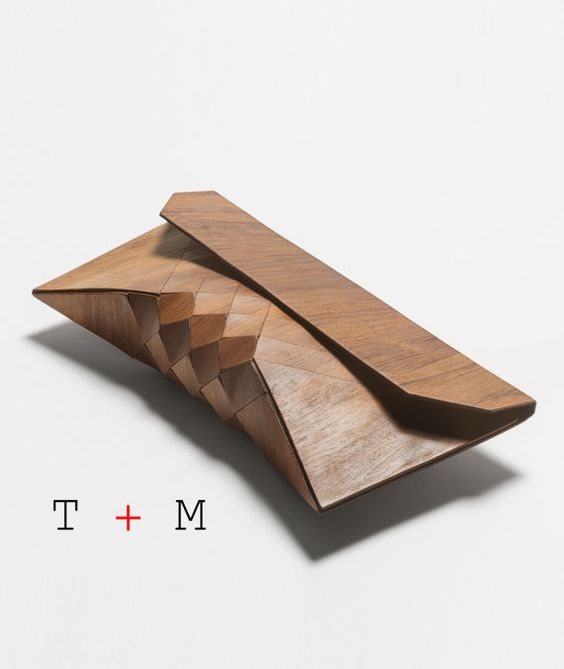
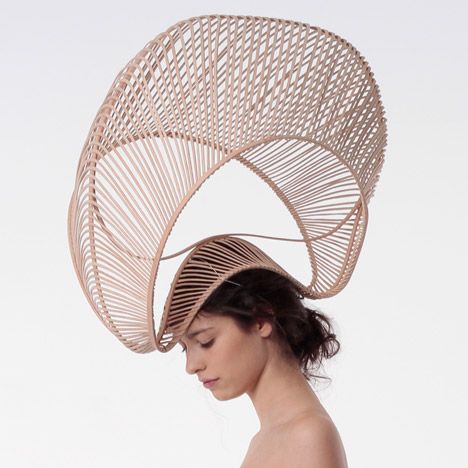
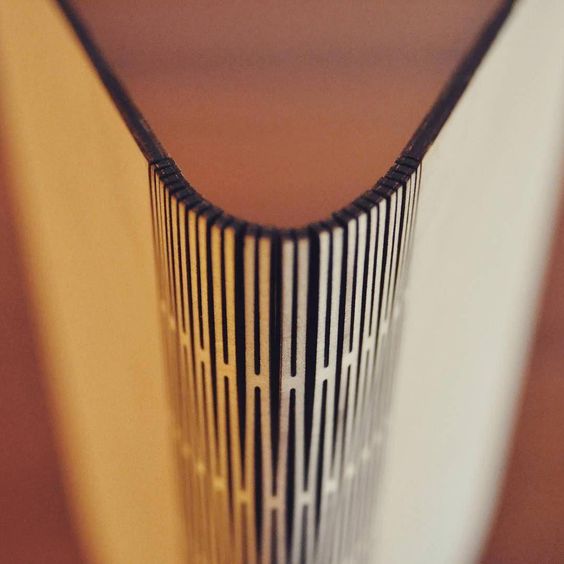
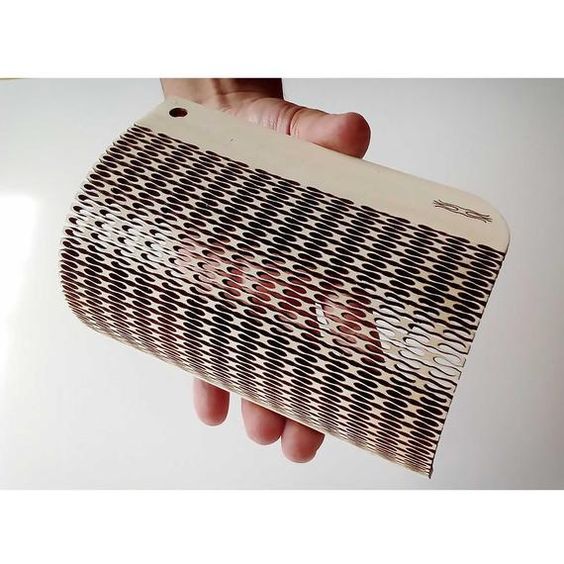

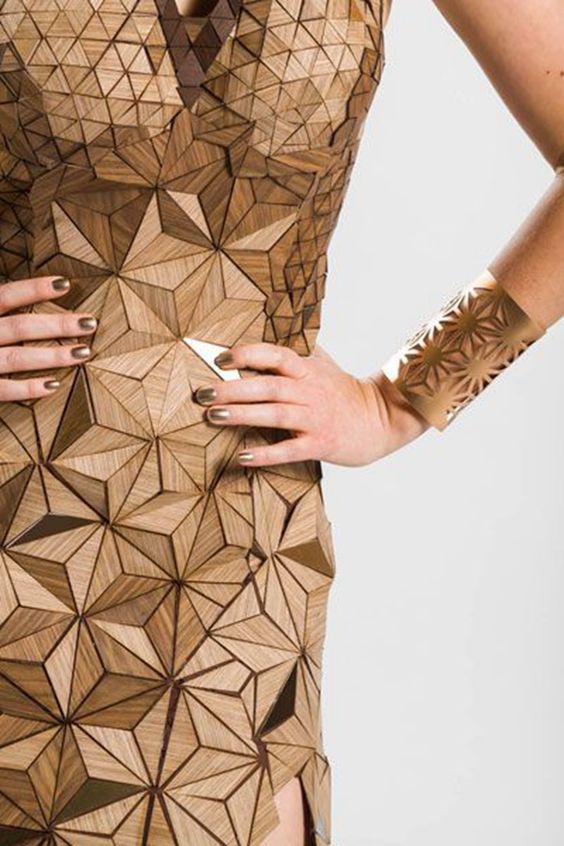
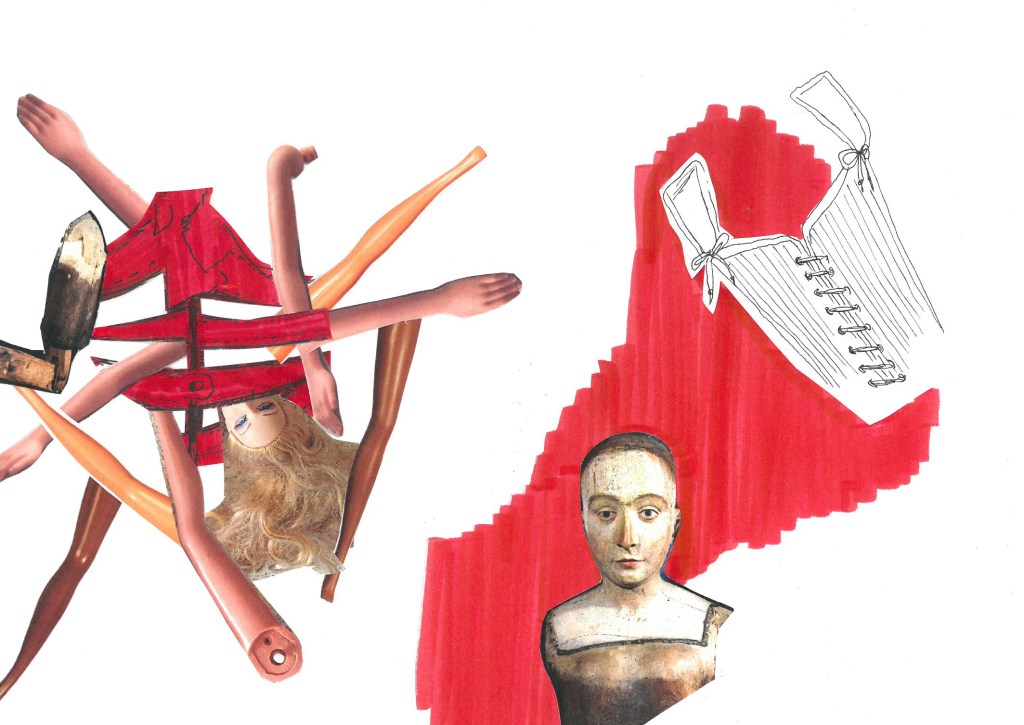
In an effort to elevate my process and thinking, I have decided to use a whole new sketchbook for this project. I’m hoping to fill a large portion of the book with process work, and I want to create entries as often as I blog.
Here are my first two pages with collages.

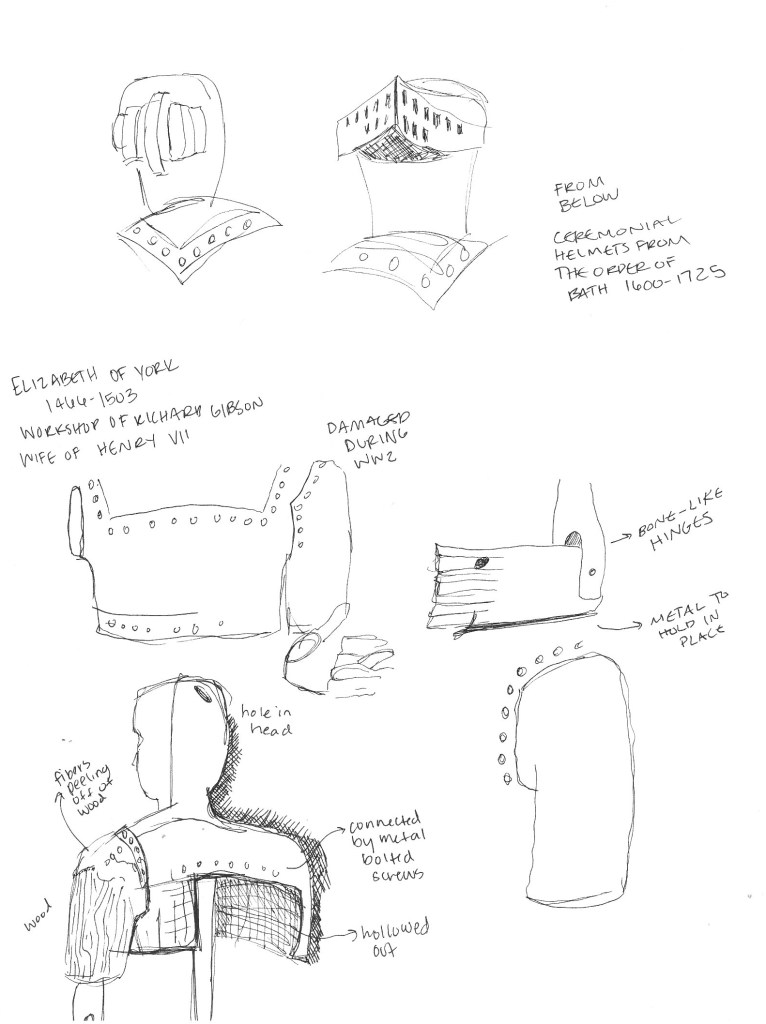
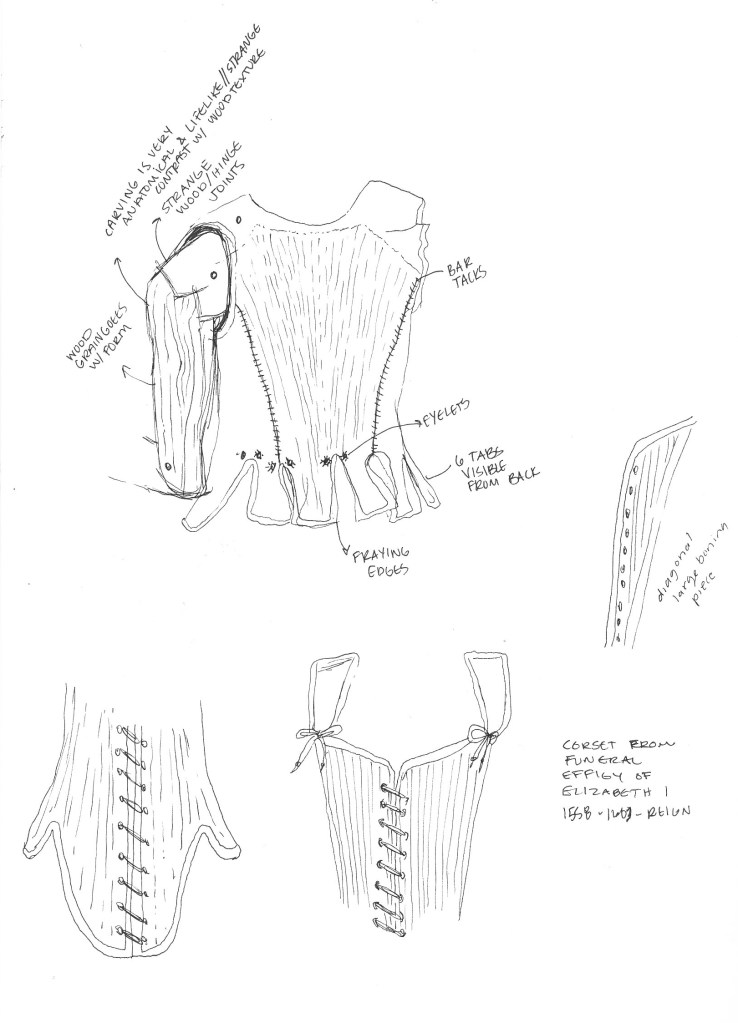
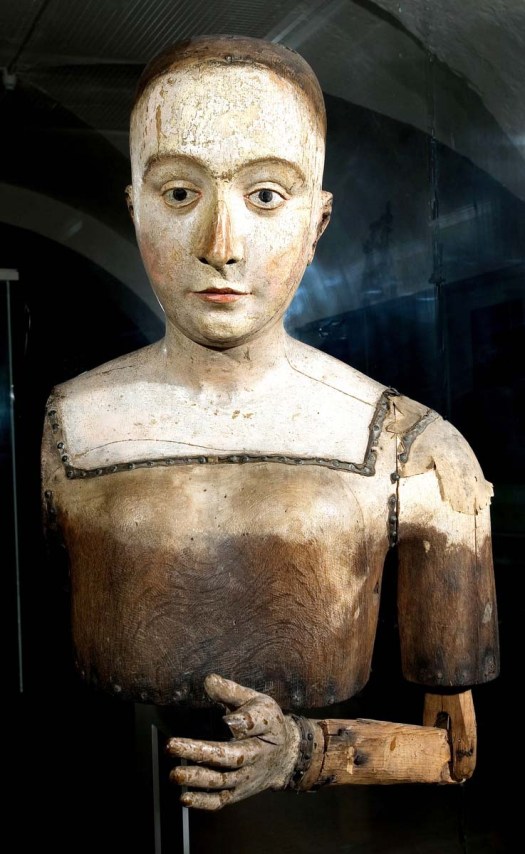
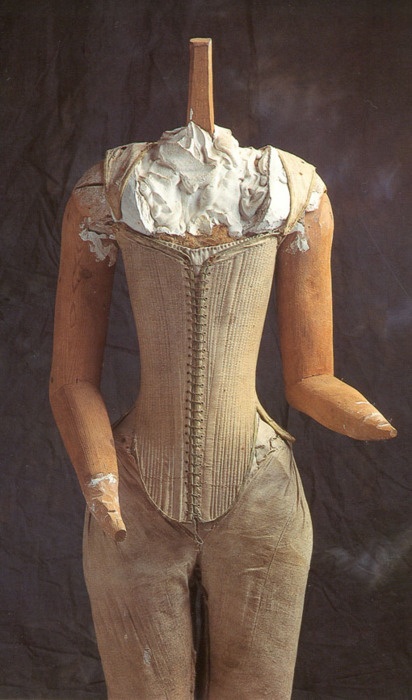
This weekend I went to the Jubilee Gallery at Westminster Abbey. I went there with the intention of seeing the royal effigies. I also really wanted to see Queen Elizabeth’s effigy corset.
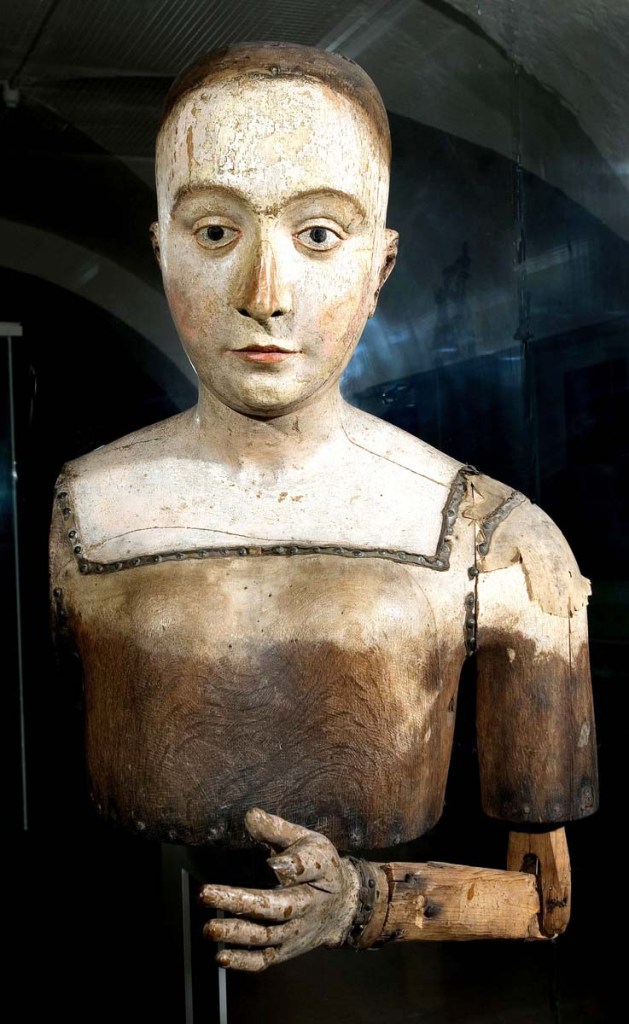
I was intrigued by the hinges on the joints of the wooden effigies. I also was impressed how the woodgrain was used so eloquently to match the contours of the body.
I’m planning to make some collages tomorrow to assess my artifacts.
noun:
a person appointed to act for another; deputy.
verb:
to put into the place of another as a successor, substitute, or deputy; substitute for another; to subrogate.
synonyms: substitute, proxy, replacement; deputy, representative, stand-in, standby, stopgap, relief, pinch-hitter, understudy.
I plan to make collages which explore these themes (and any new themes I discover along the way:
Currently I’m reading Fashioning the Body: An intimate History of the Silhouette, and here are some relevant/memorable quotes from the introduction. The last one really relates to what I’m interested in!!!!!!!!!
“Of course, “shape wear” and other”smart garments” fall well short of the distorting effect of the corset, whose tyrannical reign lasted through most of the nineteenth century, in response to the demand for a slim waist. Nowadays, cosmetic surgery with its prodigious silicone breasts and liposuctioned tummies, as well as sports clubs, fitness programs, and diets, seems to yield more effective results on the body than a corset”
“When applied to different parts of the body, often rendering it immobile or restricting its movements, these mechanisms modeled the body, making it possible for anyone to attain the ideal of beauty of a given historical period”
“Indeed, the earliest structures of body dissimulation date from the fourteenth century, and the practice continues up to our time.”
“it was important for us to approach the history of fashion from a different angle, far from the conventional narrative of the evolution of forms, of folds in the backs of dresses, of skirts whose breath increases over time then begins to recede, and nt a history of fashion as it relates to the body”
“These hidden fashion garments are an integral part of the clothing and the figure they help to shape. Moreover, when these articles are removed from the person wearing them, they look, like carcasses, like bodies foreign to the body they dressed. Without a body, the agarment has no reason to exist; it is merely a lifeless mass of fabric, a soulless hide. In short, fashion makes the body; the garment is a tool of bodily modification. The conclusion is unavoidable; there is no natural body, but only a cultural body. The body is a reflection of the society that presided over its creation”
Denis Bruna (ed.), Fashioning the Body: An Intimate History of the Silhouette (New York: Yale University Press, New Haven and London, 2015).
Although I wasn’t able to see any of her work in person, I still absolutely love Jo Spence’s work and I am hoping to book an appointment to see it in person.
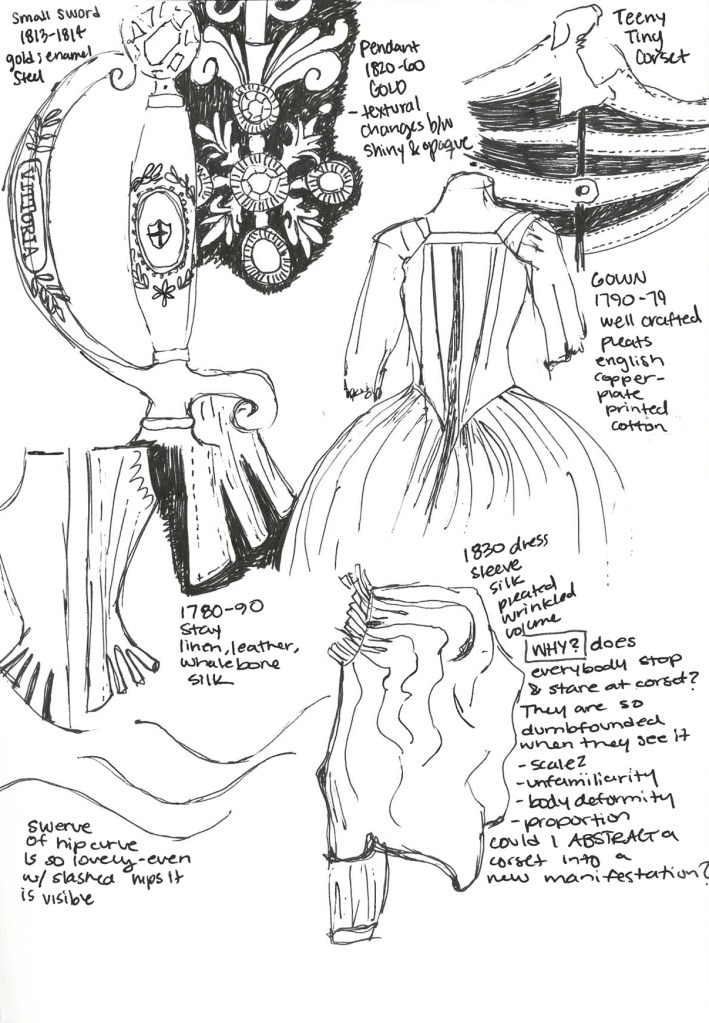
During yesterday’s research trip I obviously was attracted to the corsets, but I am actively trying to stay away from them because I want to push myself to try something new. I really really want to avoid being inspired by fashion.
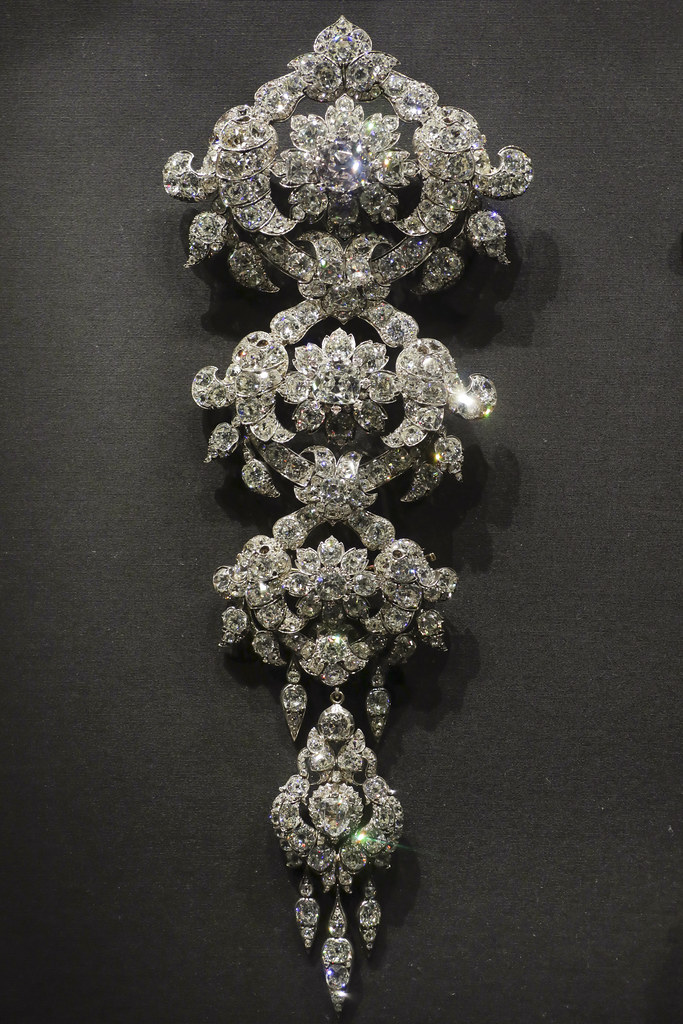
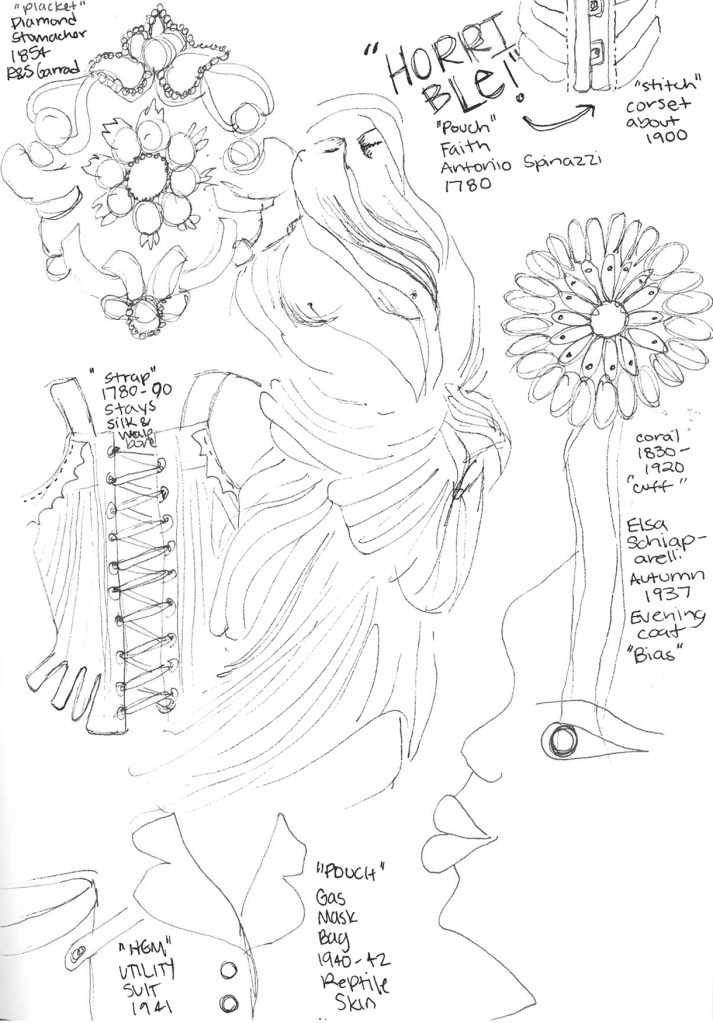
I, however, was very attracted to a diamond stomacher in the jewelry room. It technically still relates to corsets and corsetry but its a new medium and spin on things (it is still worn, but there is an essence of permanence to it) I’m going to reinvestigate it (and the whole jewelry room) soon.
I realized that my two favorite artists that I researched (Jo Spence and Yin Lam) both delt with issues of mortality and self image, and this is something I am very very interested in. I’m wondering if there is another artifact I can connect these to, which would offer more breadth to my project.
I’m considering connecting Spence and Lam’s work with a concrete jewelry piece (with the idea that mortality and being eternal through an item are related). Maybe I won’t use the stomacher that I sketched (Drawing 2 below, next to the sword). Perhaps a family heirloom would be more appropriate.
I think there are some really interesting ideas of permanence, mortality, bodily representation, bodily adornment, and the representation of the female figure that I could explore.
There is a really interesting contrast between the permanence of all of the mediums as well. Lam’s work is on surgical gowns which get thrown away in bulk, whereas jewelry would be handed down from generation to generation.
I’m still open to using other concrete, “artifacts” (maybe something dealing with death/representation of the female body).
Note to self: talk to Aleah about more book references.
Note to self: also, make a mind map
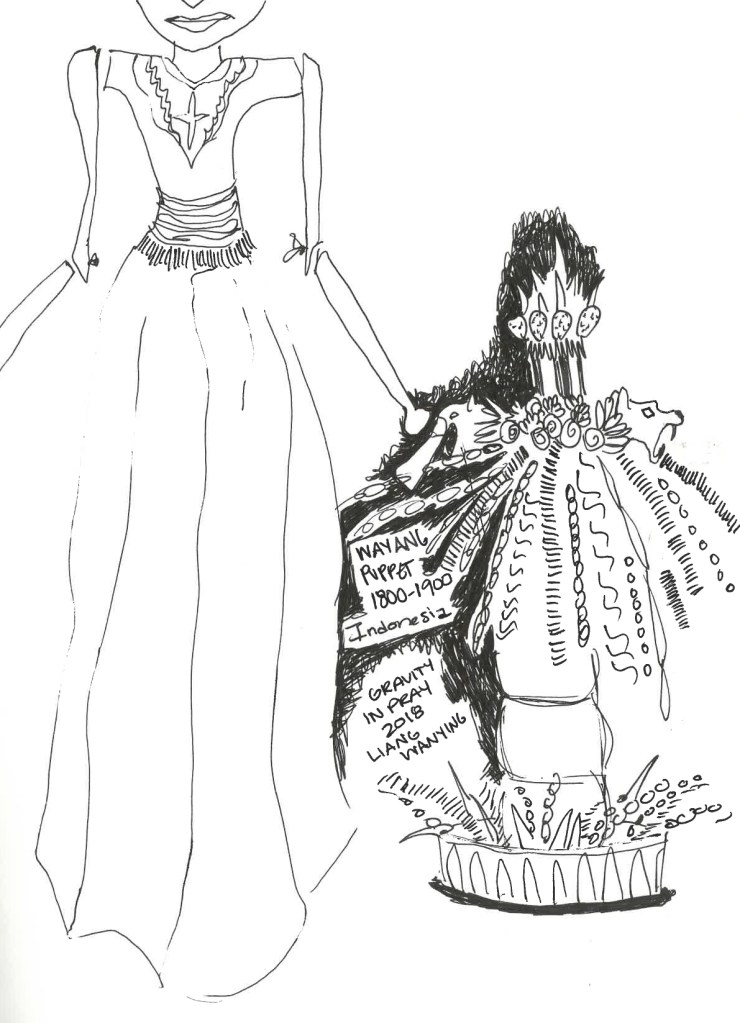
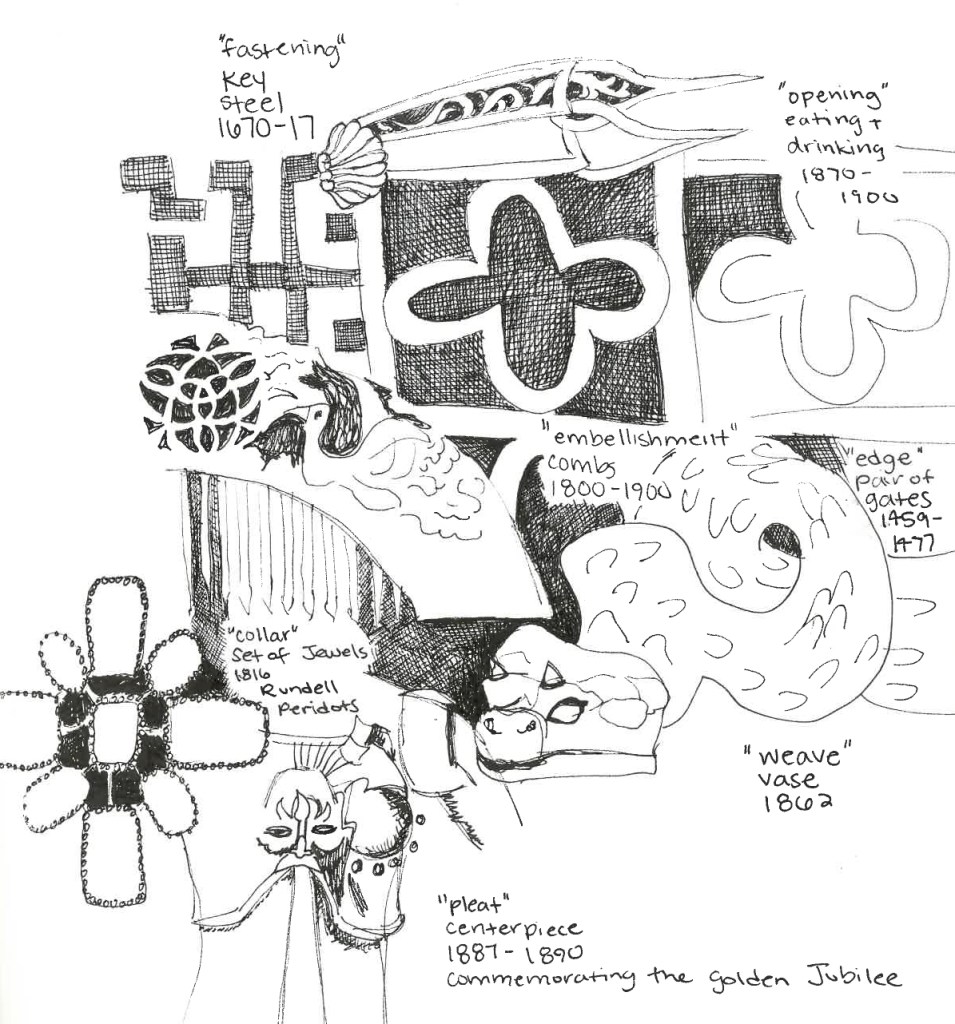
I love this piece because of the intricacy and scale. I also think it is so interesting that Rachel Kneebone is almost returning to renaissance art, but her work feels new in a sense. I appreciate the skill and talent it must take to make a sculpture this detailed on this scale.
This piece is in Room 50a
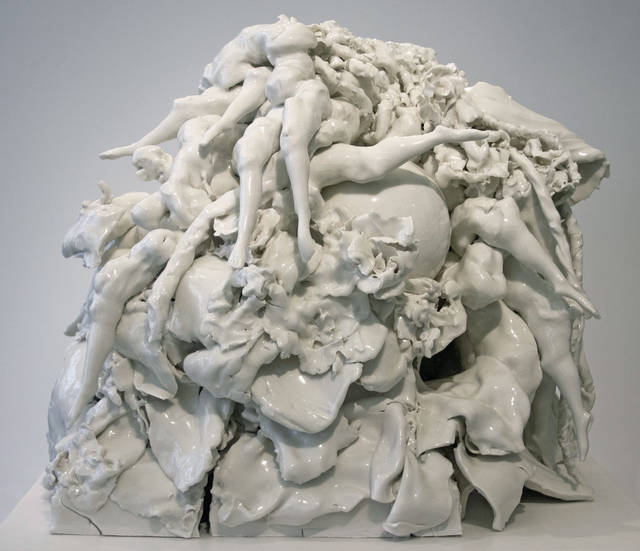
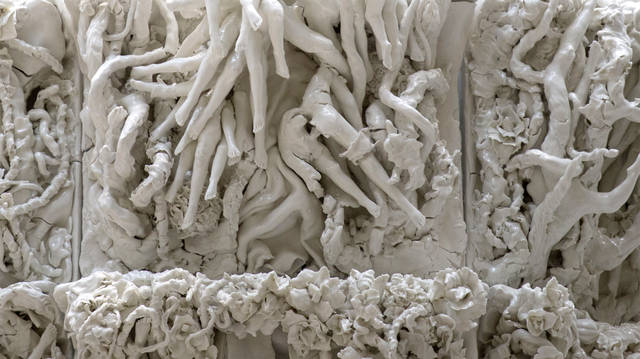
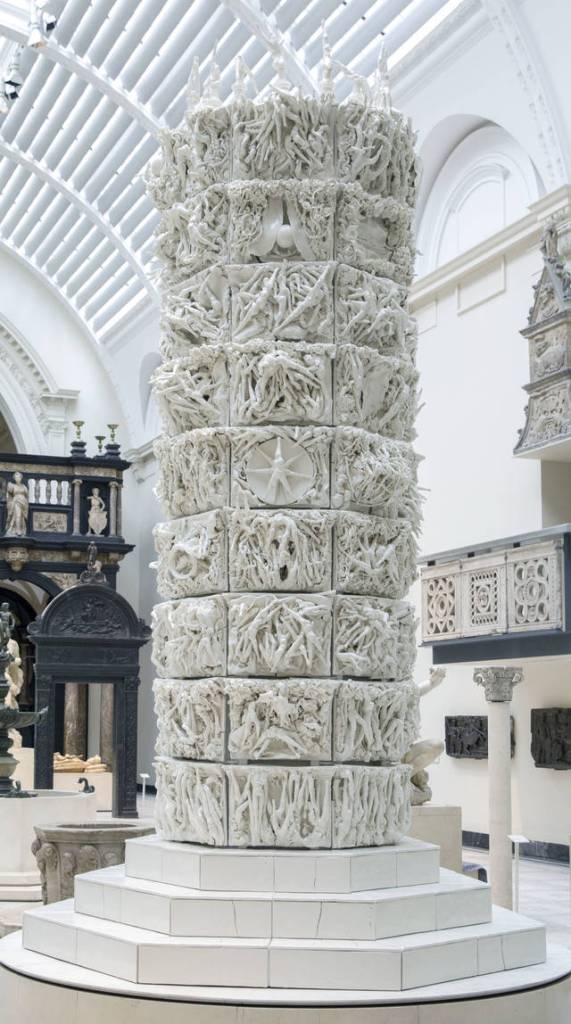
Rachel Kneebone creates porcelain sculptures that strive to represent the human body in all its complexity. She is concerned with what it means to inhabit a body, its physical limitations and cognitive possibilities. Inspired by themes of transformation and renewal, Kneebone’s complex sculptures are born of intense emotions. She expresses movement and fluidity in a medium usually associated with stillness and calm.
Visibly exploiting the material properties of porcelain, Kneebone deliberately allows her work to rupture and crack, prompting the viewer to contemplate the relationship between strength and vulnerability.
 Samantha's RCA Process