Suey and I needed some direction after the creation of our original material tests. We explained to Lee our initial inspiration of “cultural exchange” as a theme or topic after our research on the Northern Line, and we told him that we wanted to zero in on Borough Market as an example of exchange.
My interest in Borough Market stemmed from the dichotomies that I saw as intrinsic to the place. It is a rather posh market full of food, in a city where people are starving. It is also archeologically placed on top of a prison, which I found strange as it was the location of the first Roman Bridge (around 47 AD and 410 AD) and its right along the Thames, which is a place for exchange between countries.
- Some Facts about the Clink Prison: In 1129, Henry of Blois, brother to King Stephen (and grandson to William the Conqueror) was invested Bishop of Winchester, and became second in power only to the King himself. His Thames-fronted residence, Winchester Palace (of which The Rose Window of the Great Hall is still visible today), was completed in 1144 and contained two prisons within the palace grounds: one for men, and one for women.
Lee recommended we return to the market with our eyes more fixated on our topic of exchange, but also layering, as Borough Market is such a multi-dimensional place.
- Layering through time– (Winchester Palace & Clink Prison, the sight of the first Roman Bridge, modern exchange in the ports and the market,
- Architectural layering- Layering in the physical market; how the stalls are set up; how the materials are layered (transparent/see through)
- Archeological layering- the different people who have occupied the are over time and what marks they have made on different levels
- Modern exchange– goods in the market and the ports
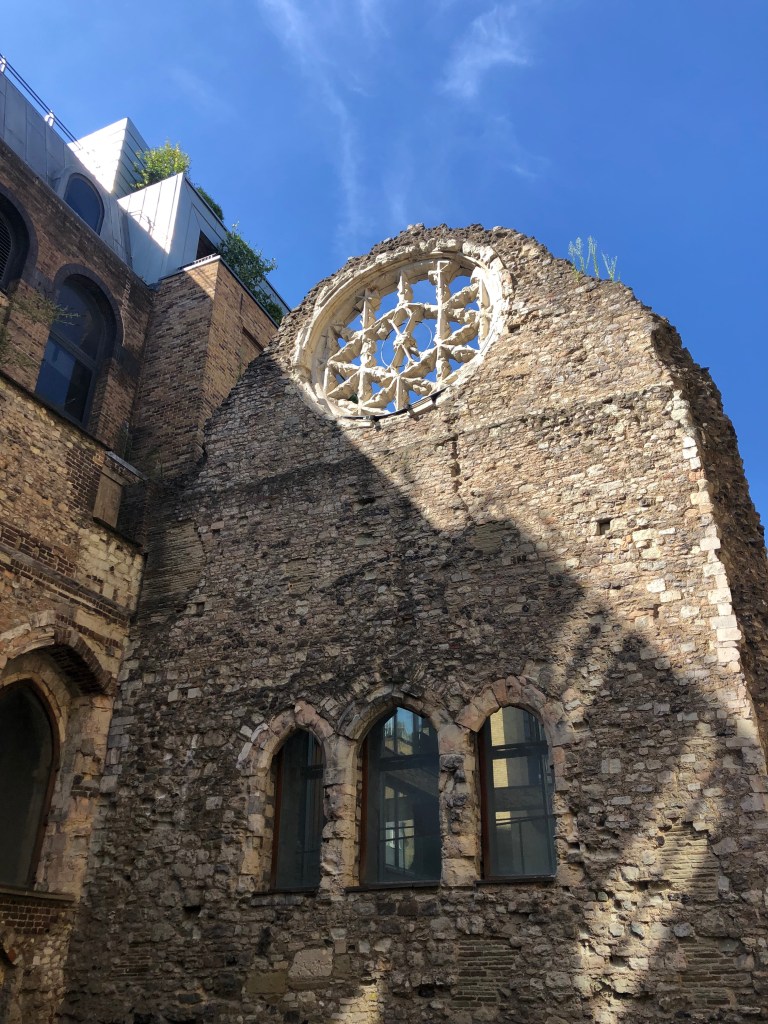
Rose Window of Winchester Palace 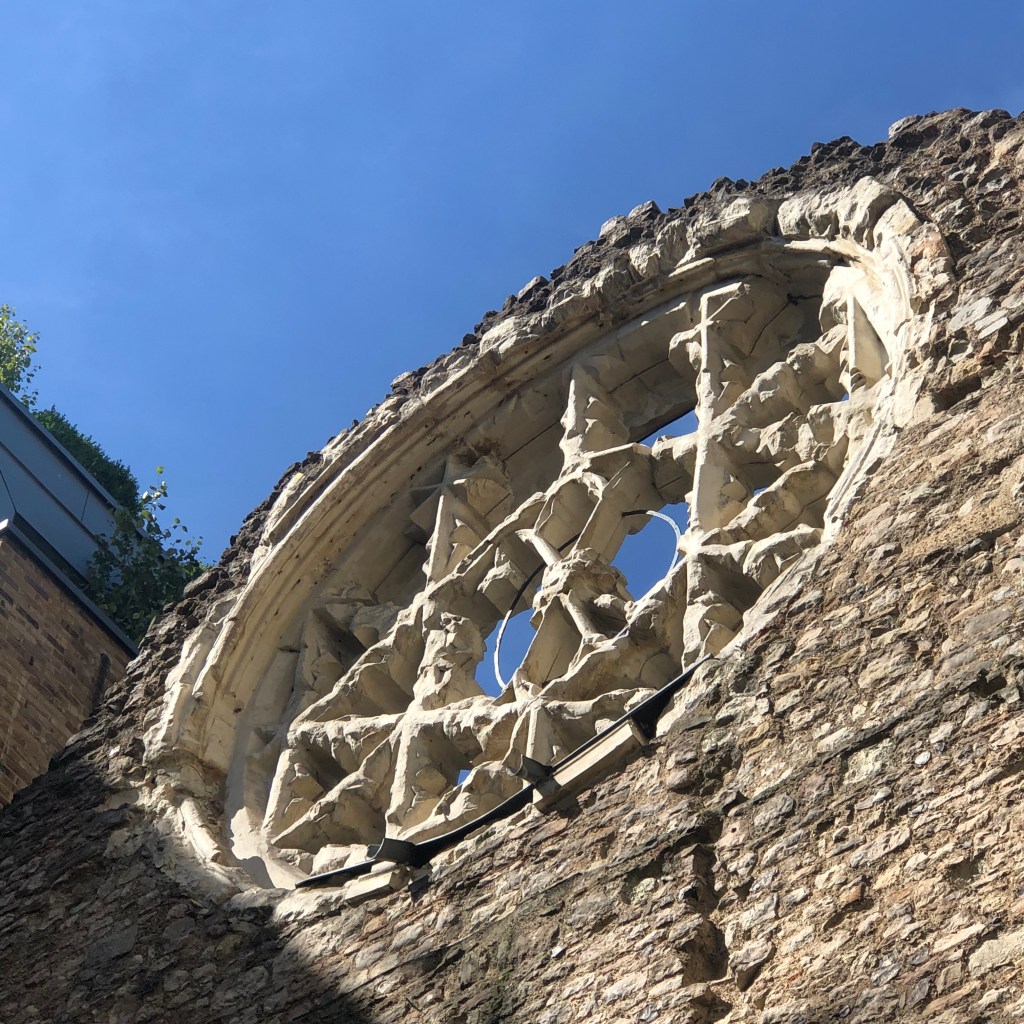
Close up of Rose Window; concept of permeability and transparency 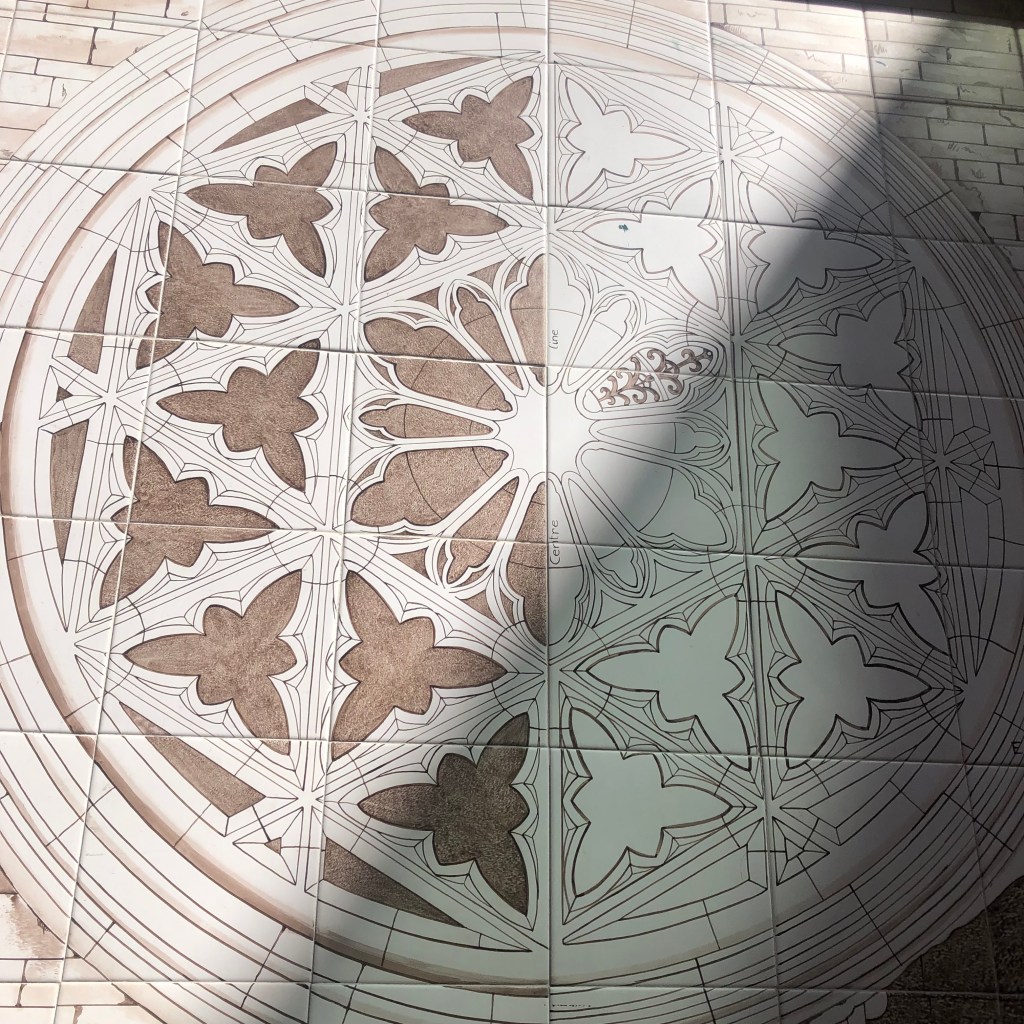
Rose Window taken from an etching dated 1884 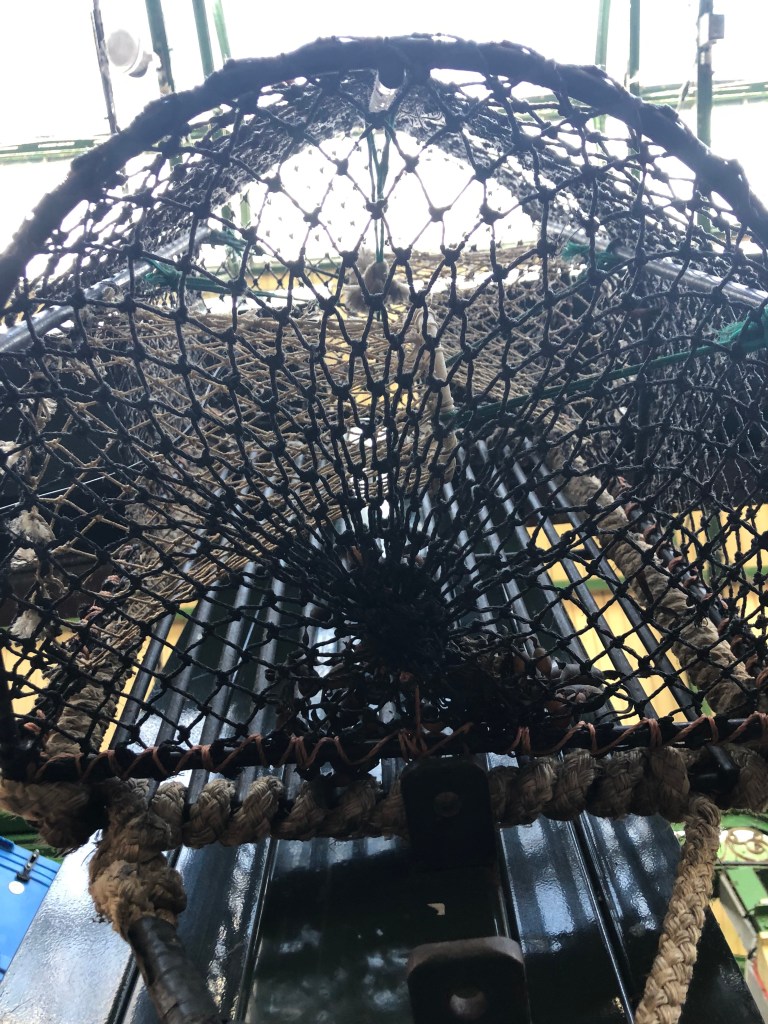
layers of multiple types of ropes used together and within each other; permeability; what is supposed to be trapped in each layer? 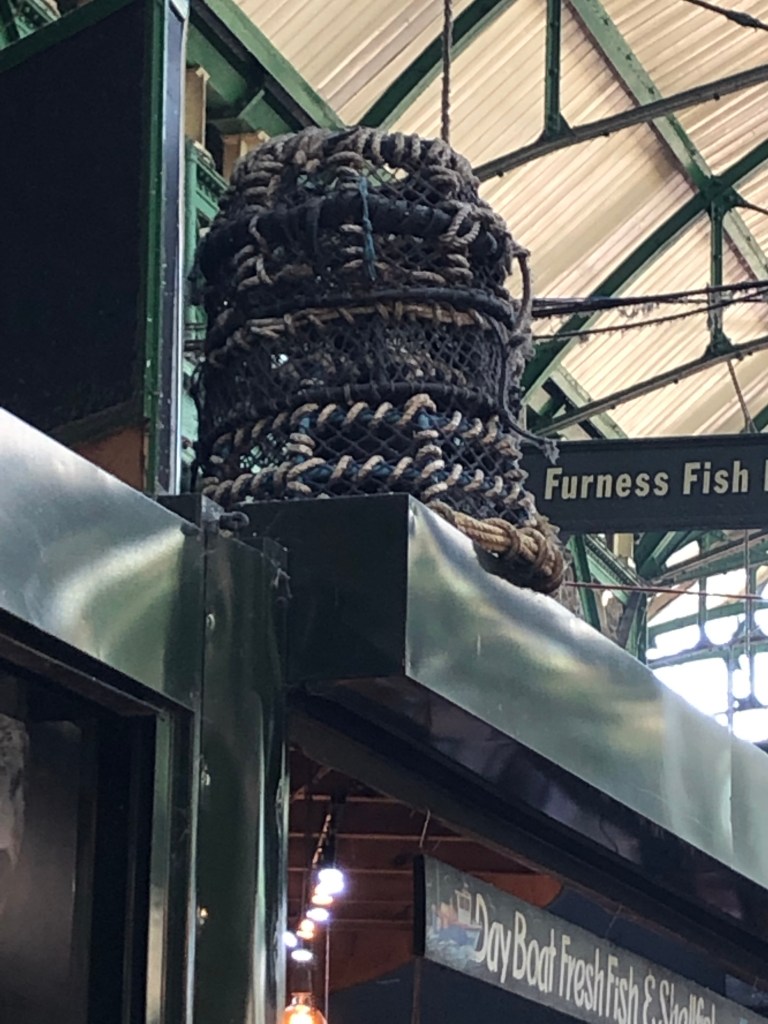
Ropes 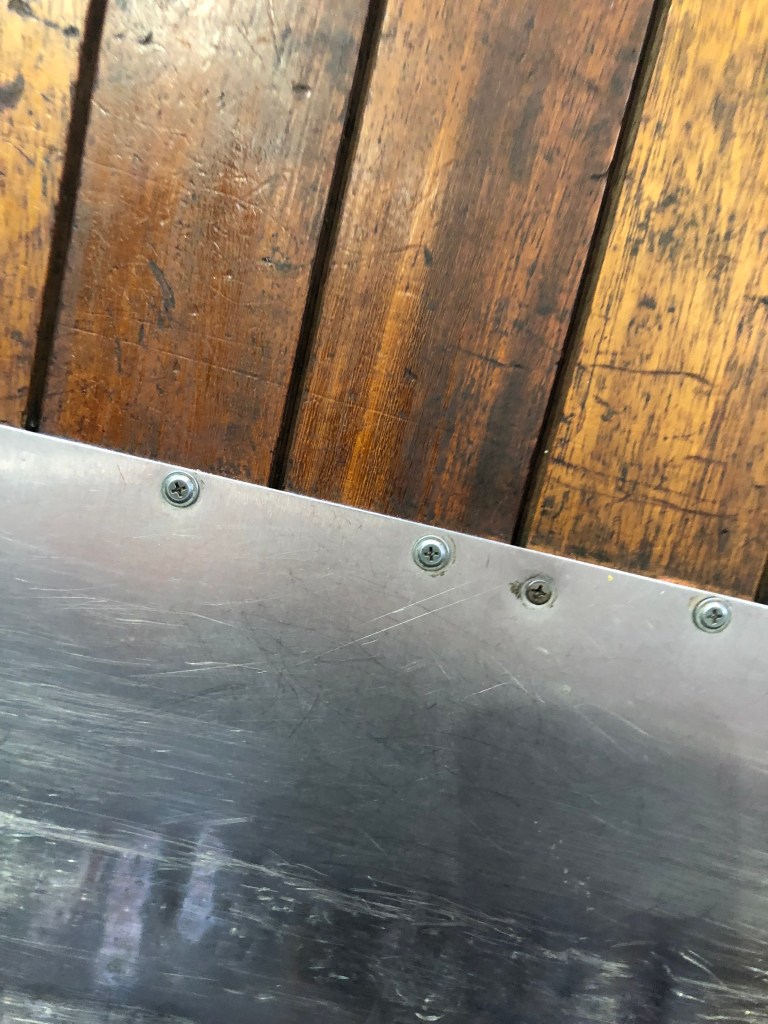
layers of materials 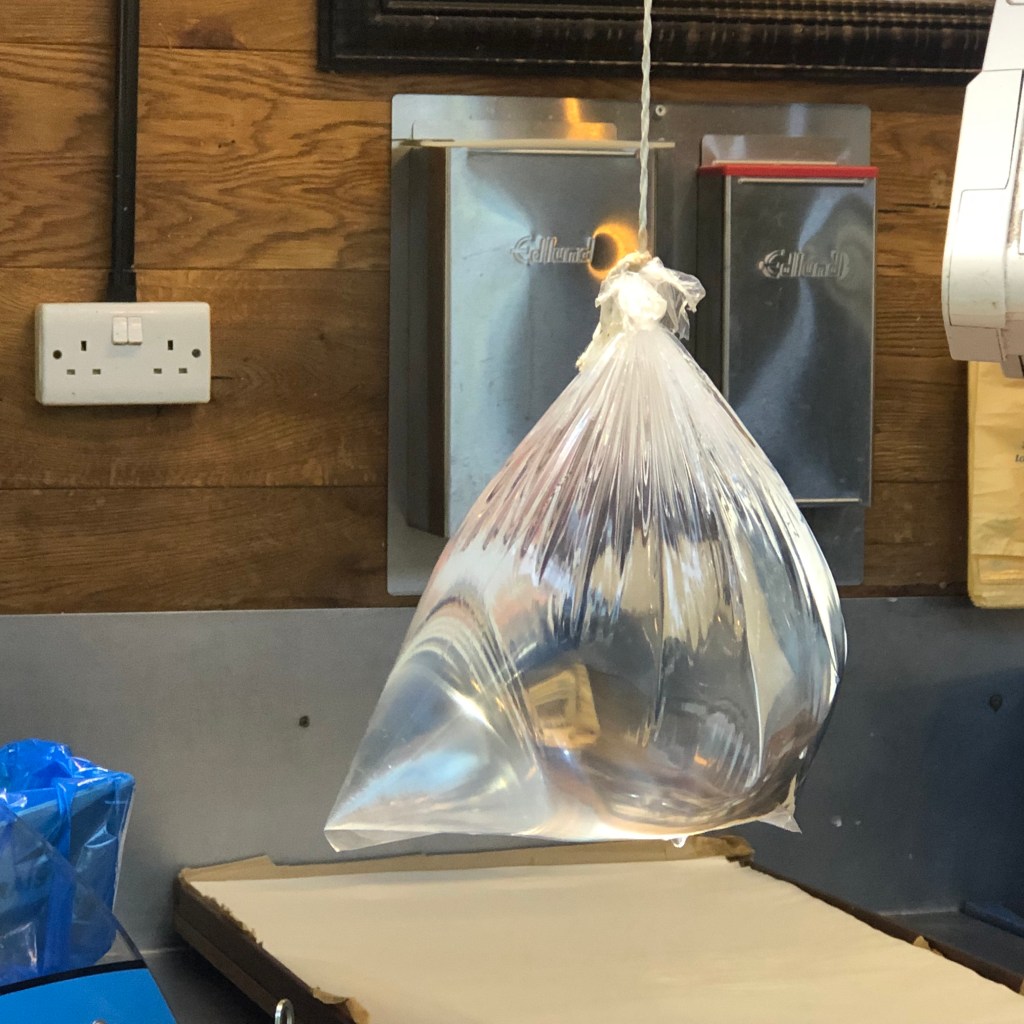
material inspiration; permeability 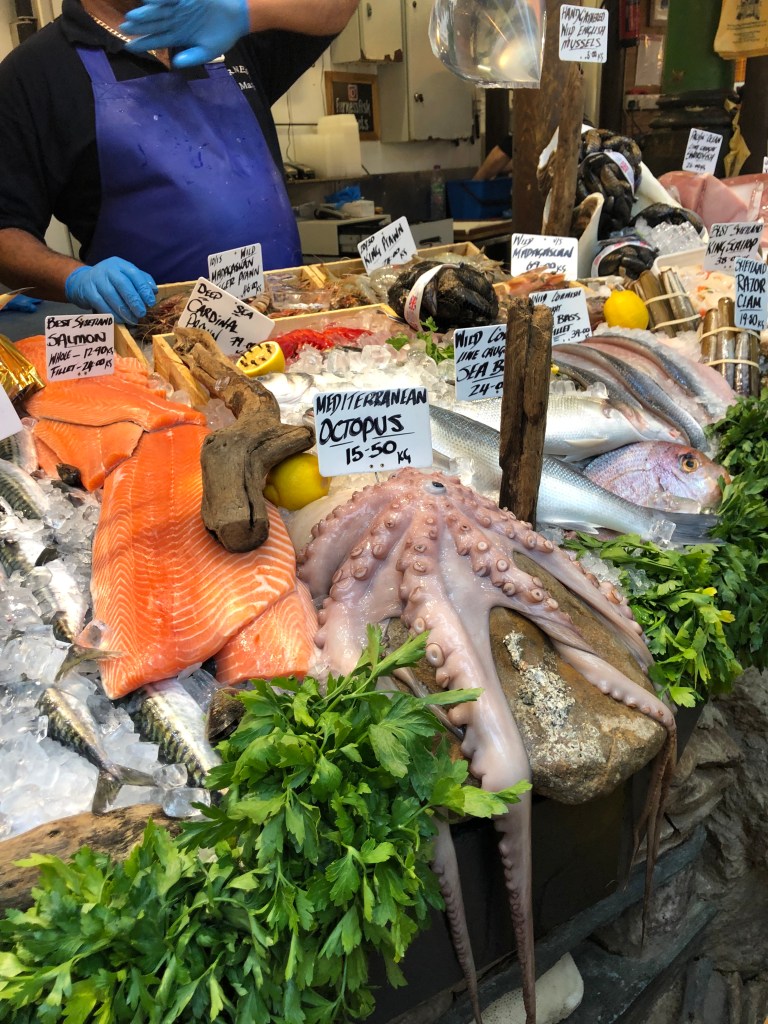
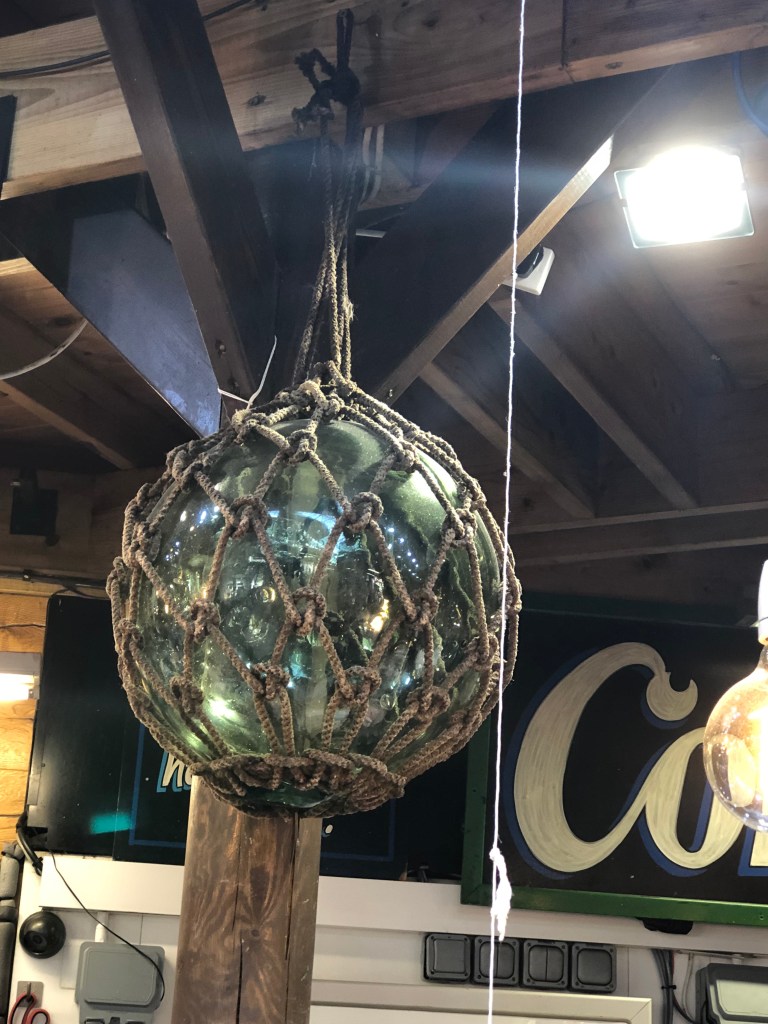
texture/material inspiration 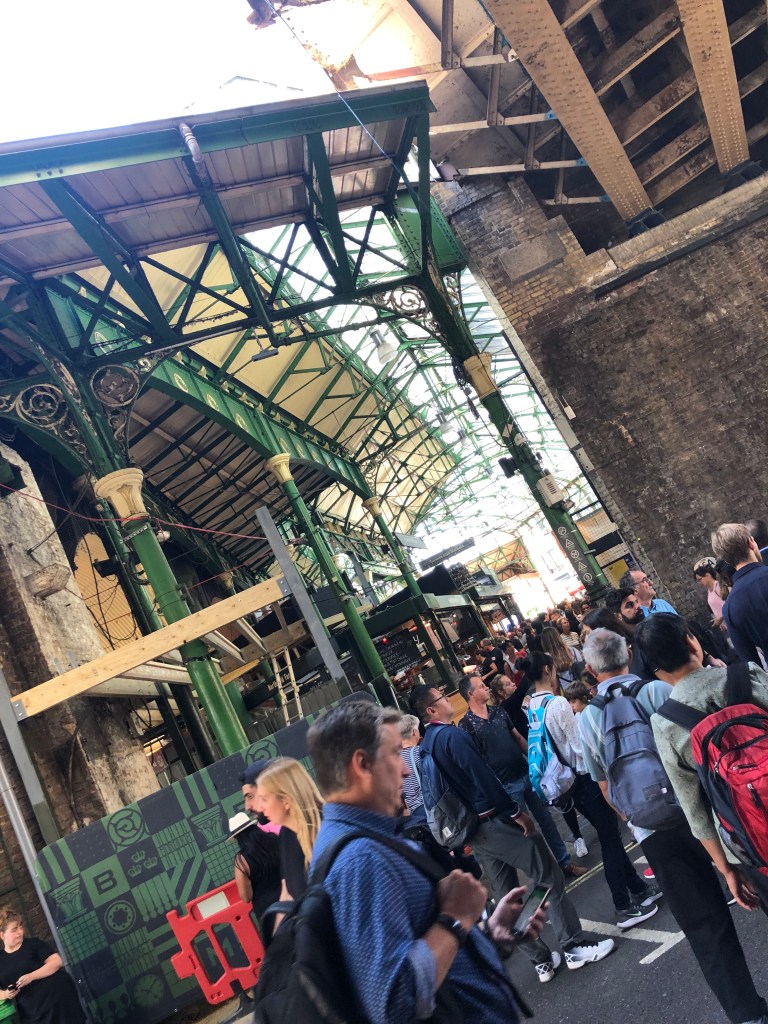
color/scene 
Have to look harder the further back you want to see, but also the things too close become obscure 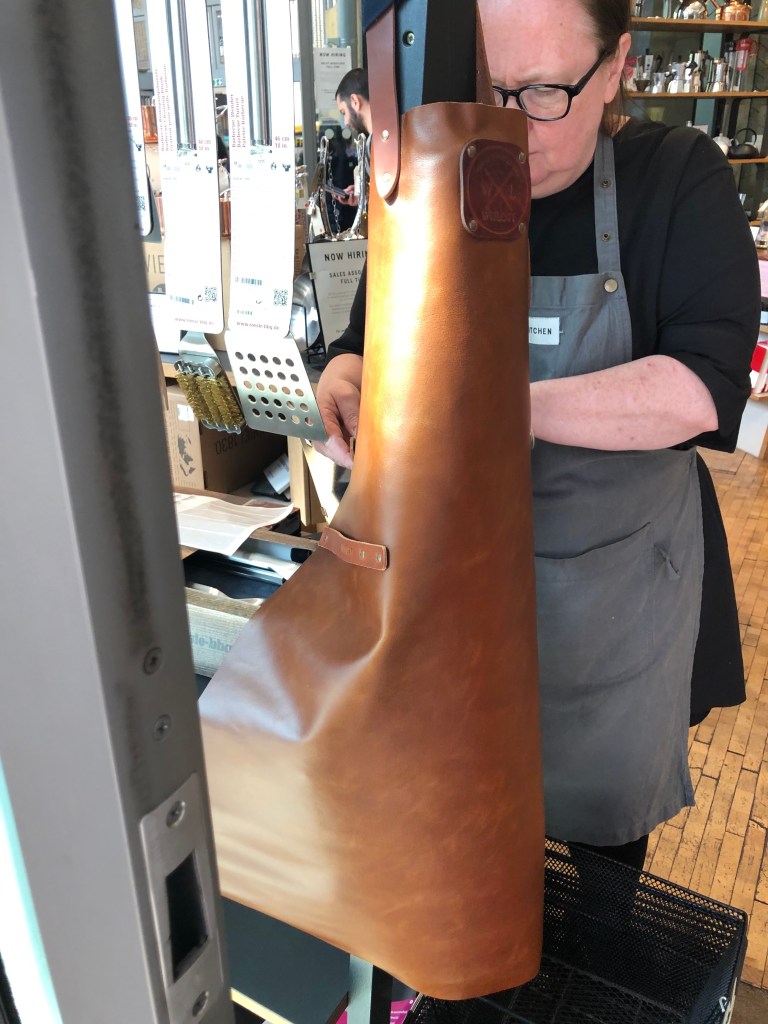
material inspiration; layering; protection 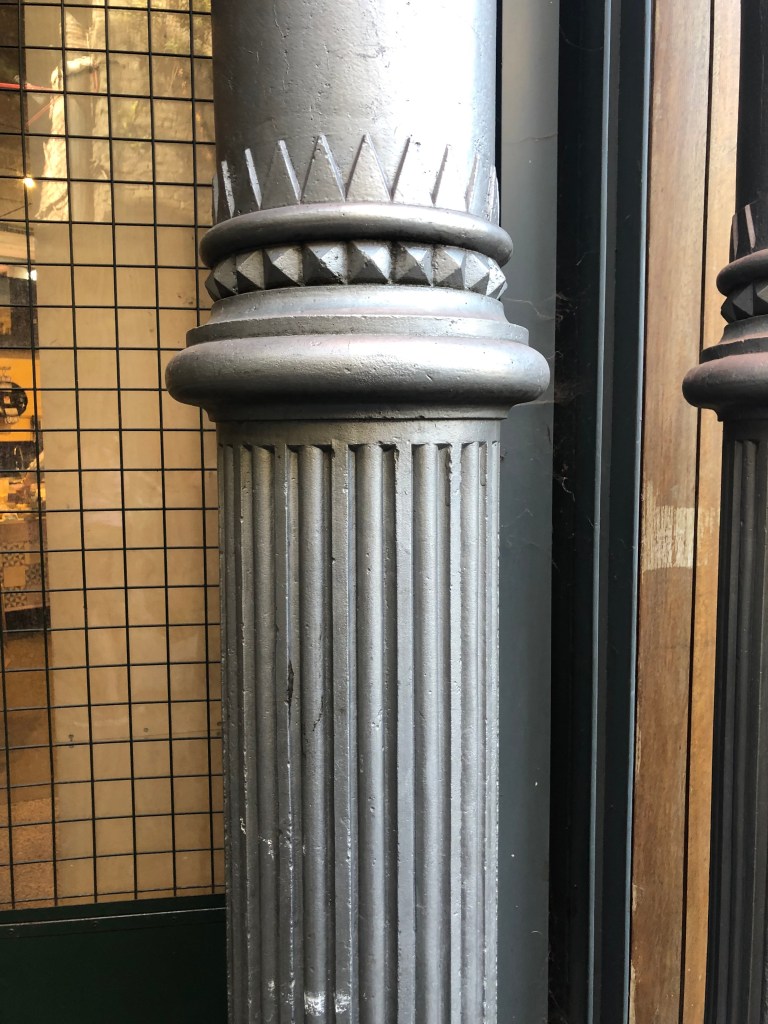
shape inspiration 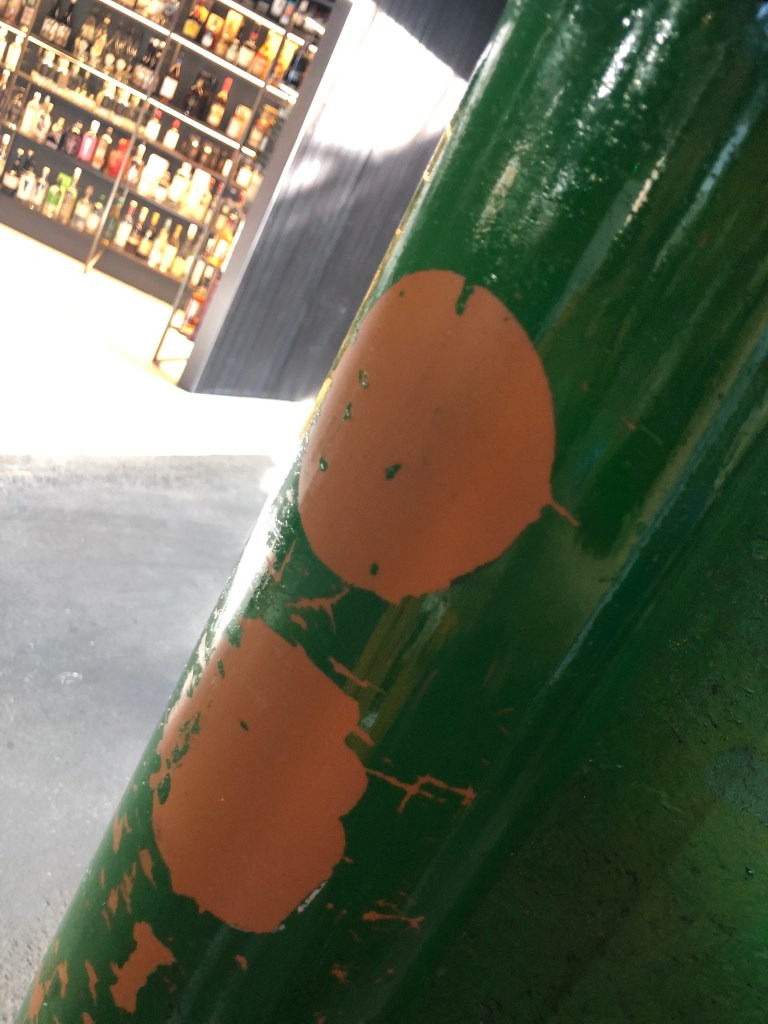
layering through color 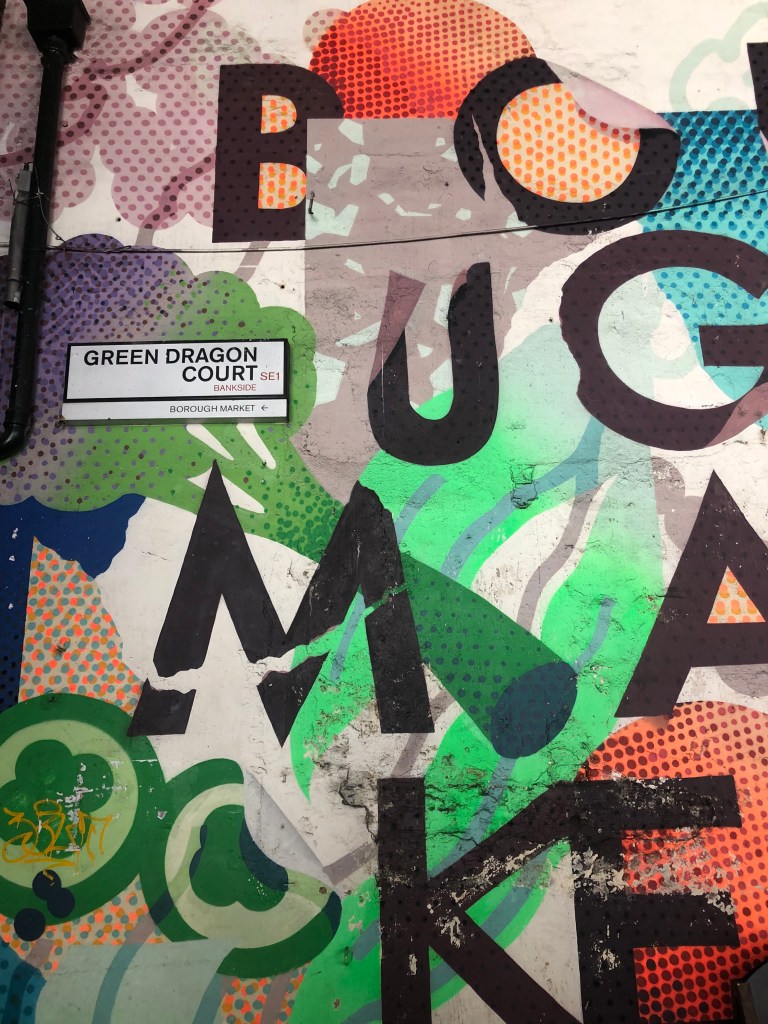
color combinations 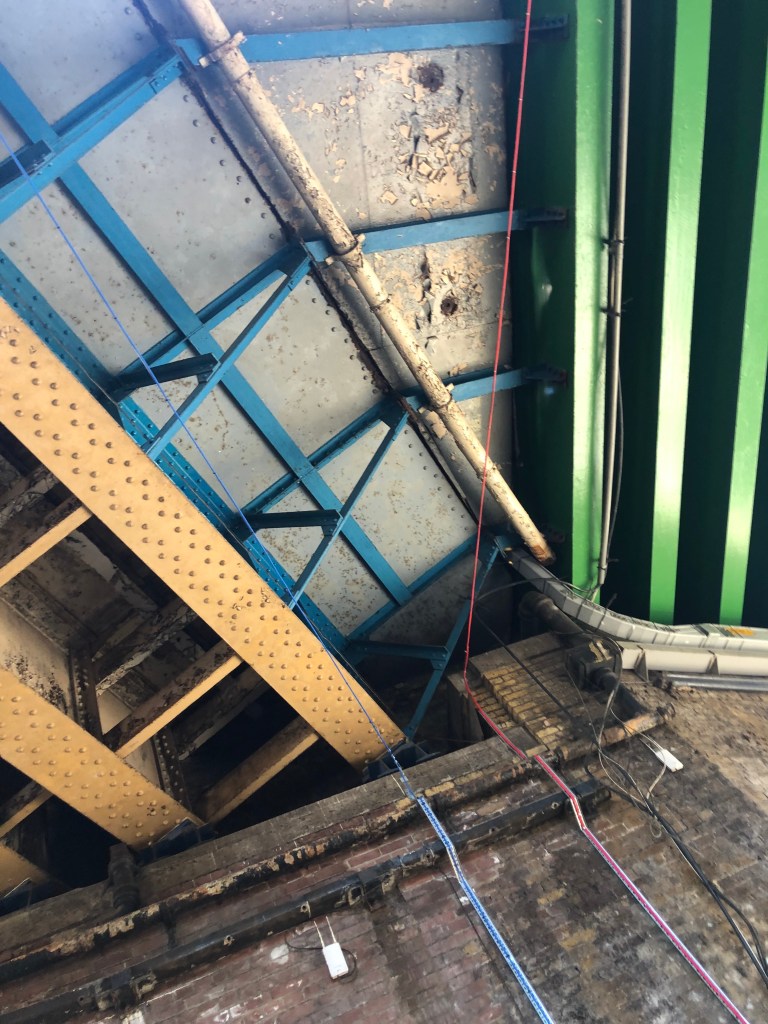
color combinations 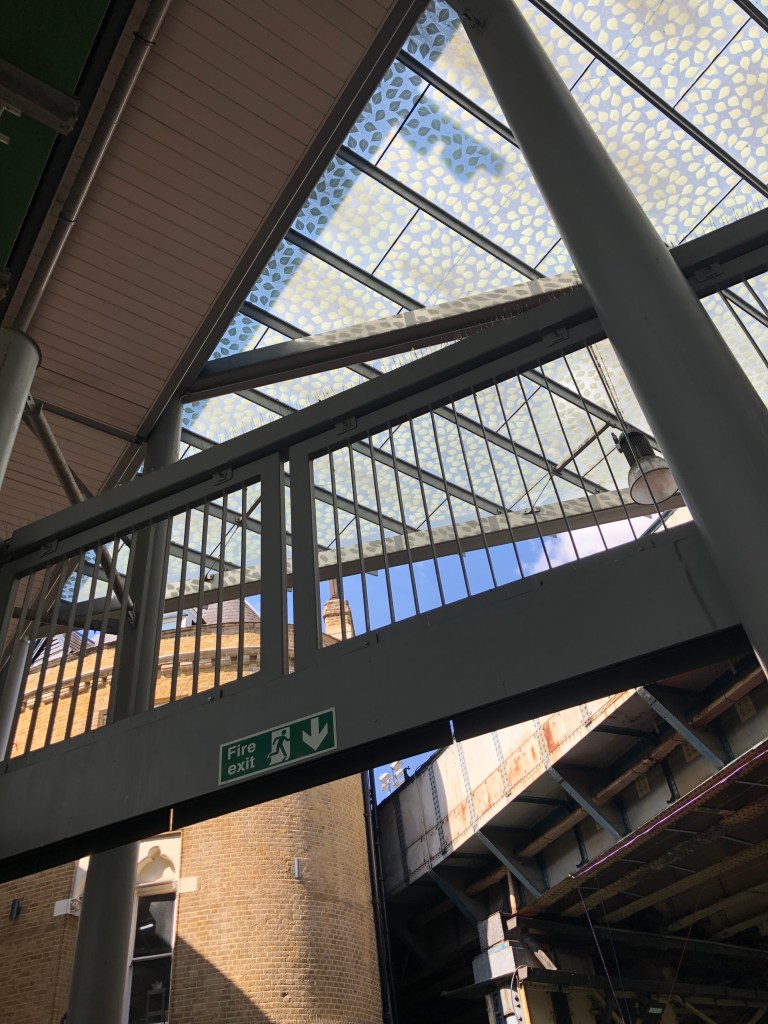
layering (things that animals could physically through v. things you can see through and cannot permeate) 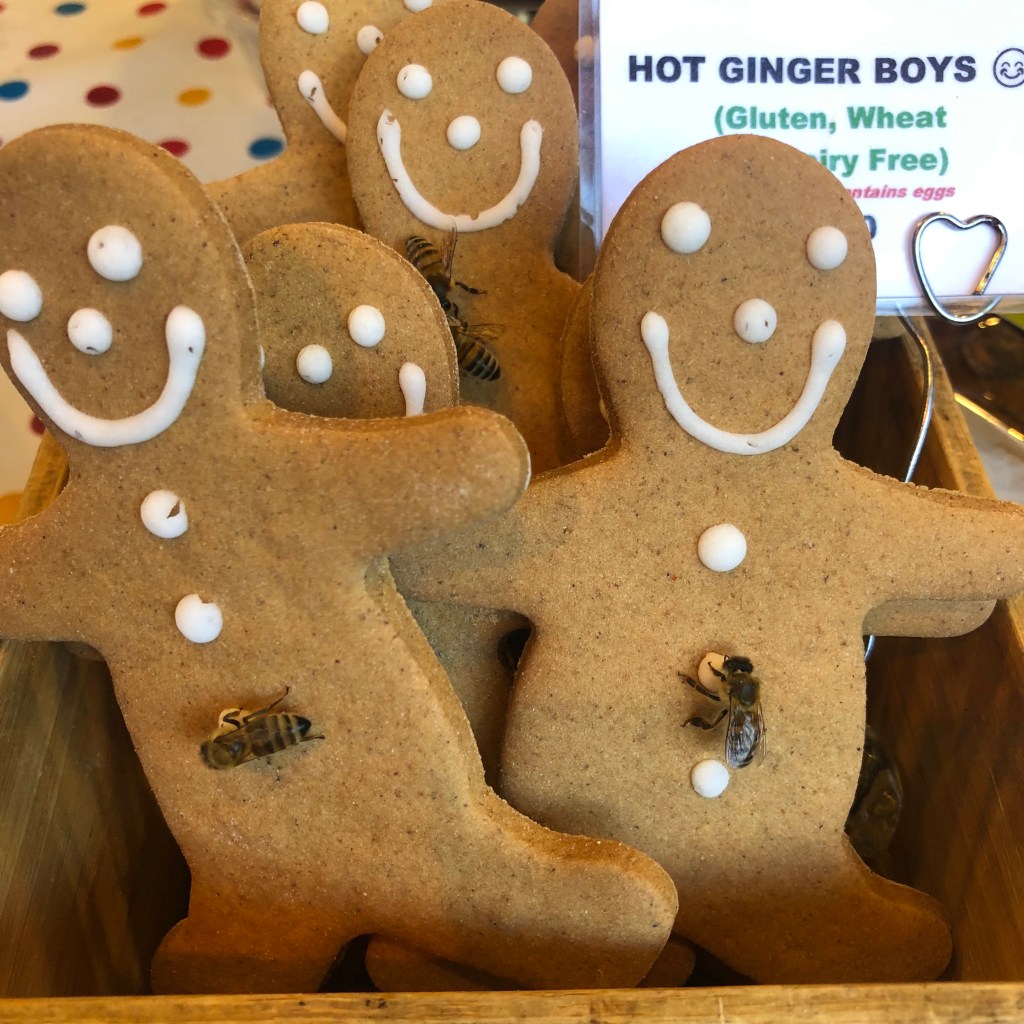
conceptual inspiration 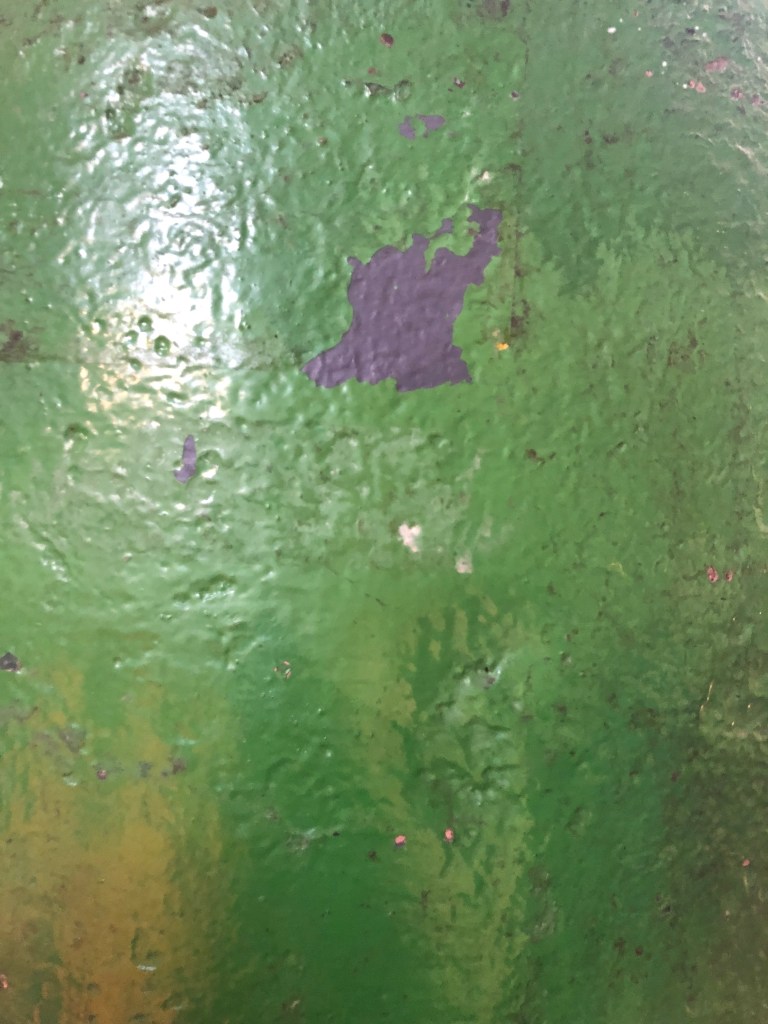
layering; color 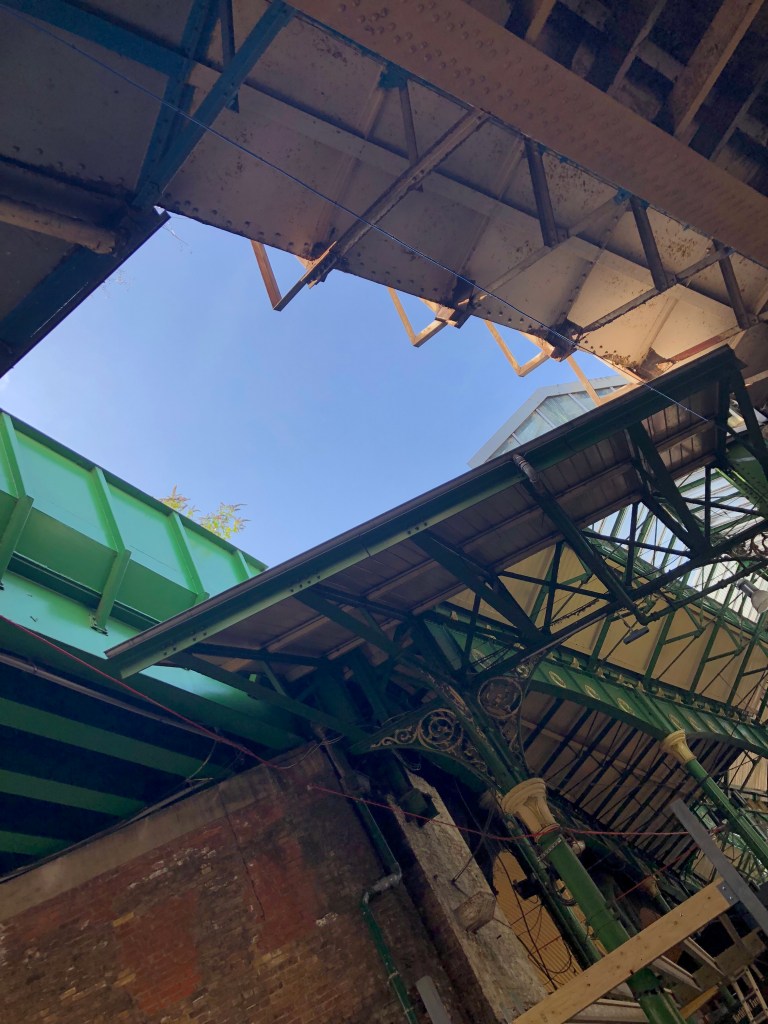
permeability 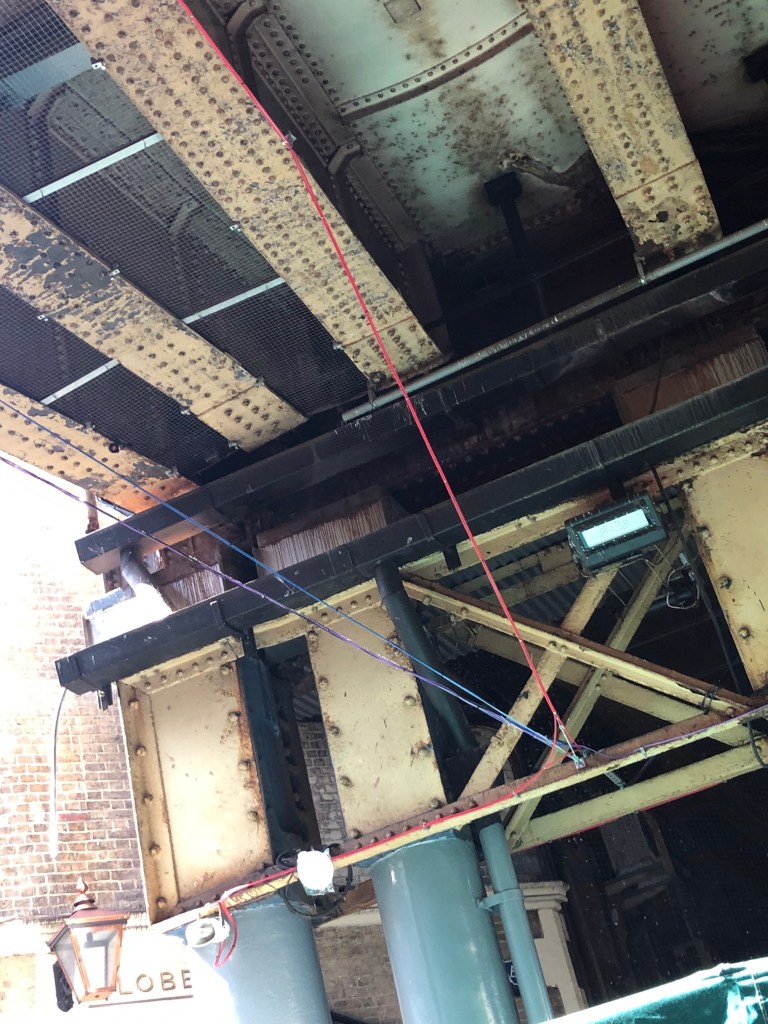
layering; permeability; color 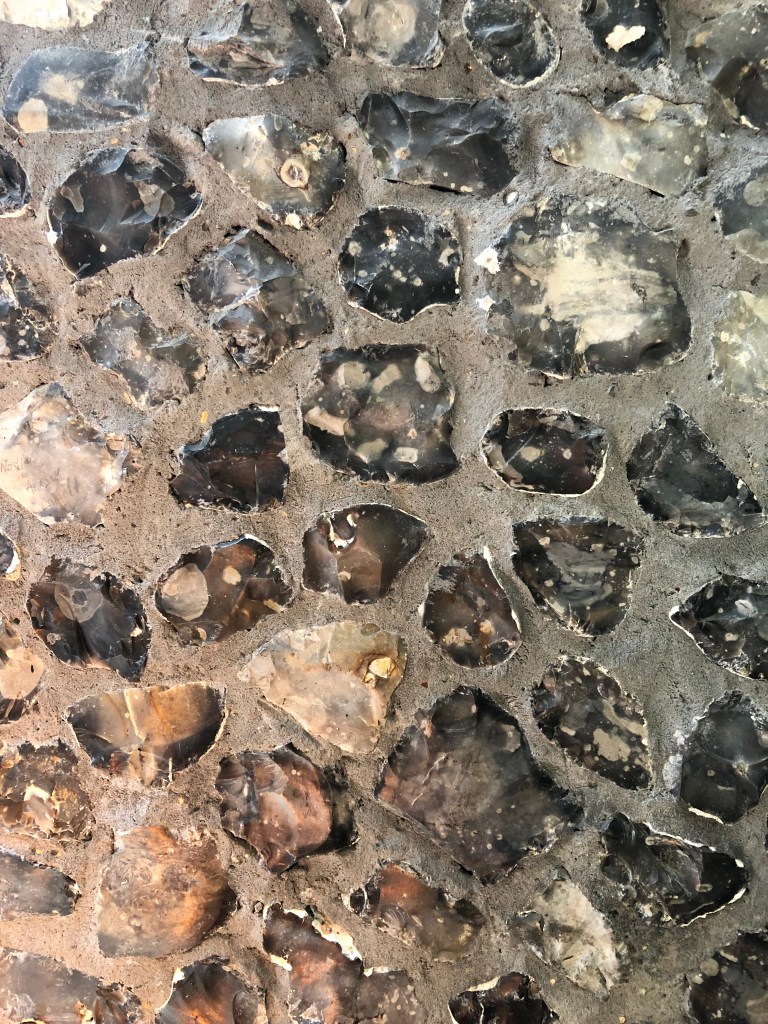
material/part whole relationships
Themes to Explore in further Material Tests
- Permeability/Porosity/Transparency
- some spaces were permeable to birds/bugs while others were not (openings in architecture and iron bars on doors)the spaces that were not permeable, were at times still transparentobjects that demonstrated permeability: water bags, architecture, birds, bees, clear glass ball, rose window (cheesy metaphor of a window into the past)
- Permeability in relation to light and shadows
- How far through the layers do you have to look to get the information you need
- Layering and Transparency: how many layers are present; when do the layers stop; what is the last layer, WHAT ORDER ARE THE LAYERS IN?
- Micro/macro and part whole relationships (materials and stalls in the market, maybe even knowing that one part of time is only a part of the whole story of an area)
 Samantha's RCA Process